







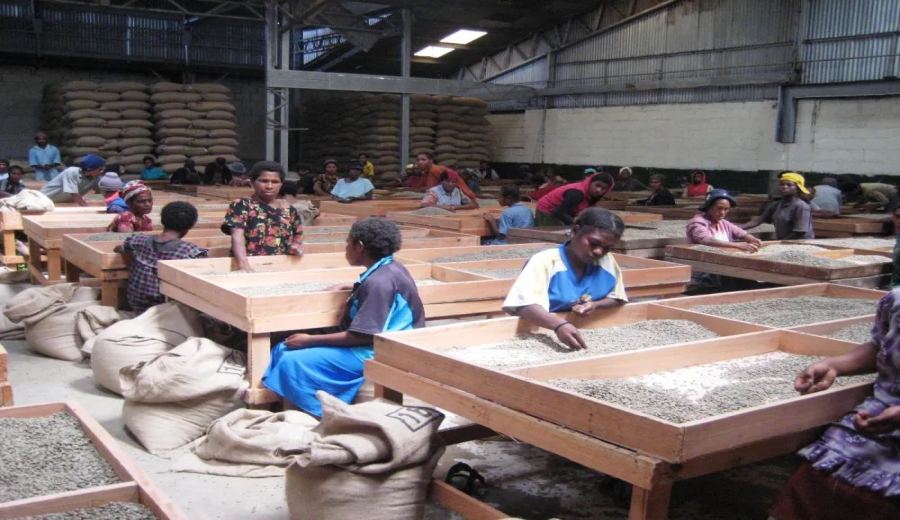
Introduction:Want to learn about the grading system and distinctive flavor profiles of Papua New Guinean coffee beans? This in-depth article introduces the region’s classification standards, major growing areas, and highlights the Bird of Paradise coffee from Sigri Estate, covering altitude, variety, processing methods, brewing tips, and flavor characteristics—beneficial for both beginners and advanced coffee enthusiasts.
When it comes to Papua New Guinean coffee, many coffee lovers may still find it unfamiliar. However, this volcanic island nation located in the southwest Pacific boasts exceptionally favorable growing conditions. Its predominantly volcanic soil is rich and fertile, and the high-altitude environment contributes to unique coffee flavors. Compared to the often heavy and bold profiles typical of other Indonesian regions, Papua New Guinean coffee is primarily washed-processed, resulting in a brighter and cleaner cup with lower acidity—making it well-suited to the taste preferences of Asian consumers.
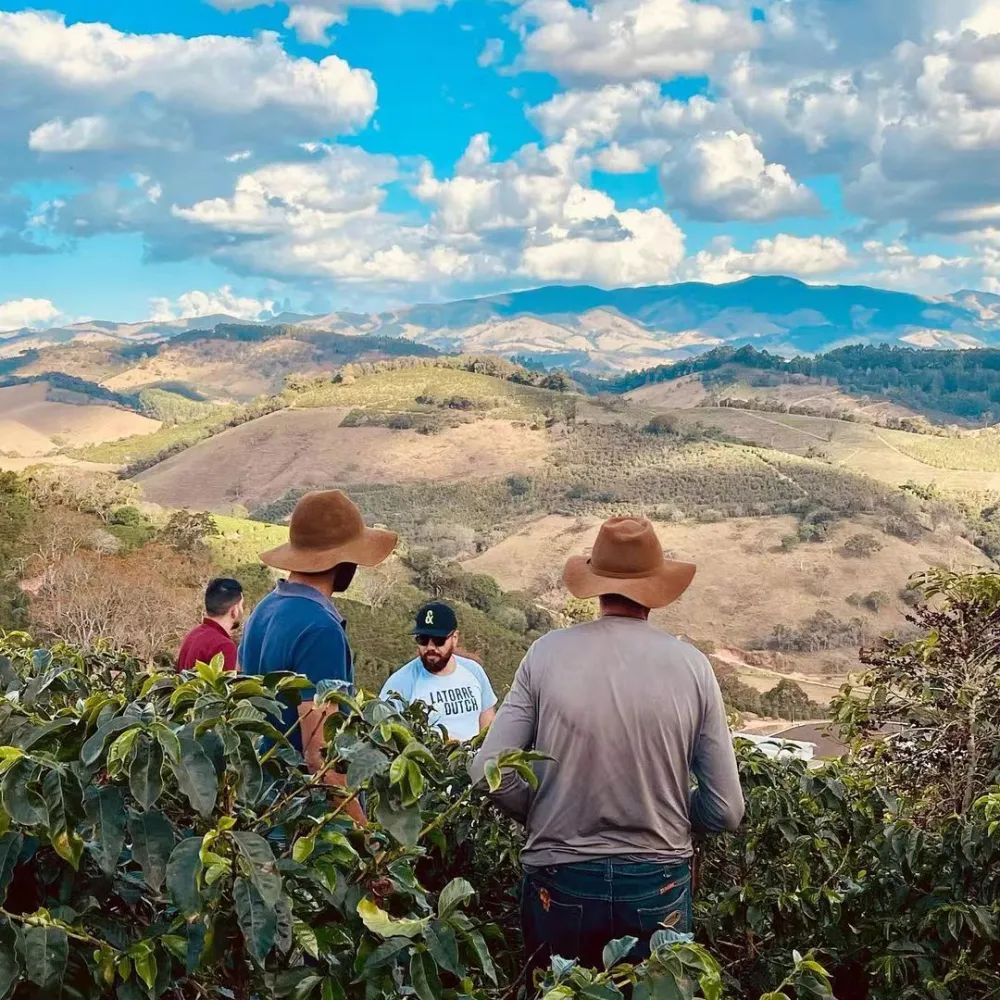
Papua New Guinea is a culturally diverse country, home to over 800 languages. Many highland tribes only began to gradually come into contact with Western culture in the early 20th century. In the early days, coffee cultivation was mostly concentrated on 18 large estates. Over time, however, more than 85% of coffee now comes from what are known as “coffee gardens”—small-scale farms operated by thousands of smallholder farmers, with individual plots ranging from just a few trees to several hundred. Although these smallholders primarily engage in general farming, coffee often serves as an important cash crop and a vital source of income. The Papua New Guinea Coffee Industry Corporation also notes that the coffee produced by these smallholders often exhibits exceptional quality potential and impressive flavor profiles, making it highly sought after by international buyers.
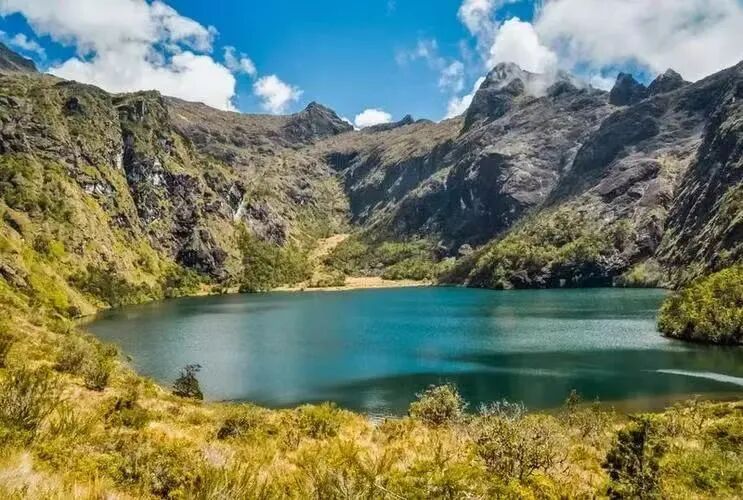
Looking back at history, coffee cultivation in Papua New Guinea began in the late 18th century when Dutch sailors first introduced it. It took root in the Rigo area starting in 1892, and by 1908, around 180 acres were already dedicated to coffee planting. By 1970, the country's annual coffee production had reached 460,000 bags, and today it remains steadily maintained between 900,000 and 1.2 million bags, reflecting the robust development of its coffee industry.
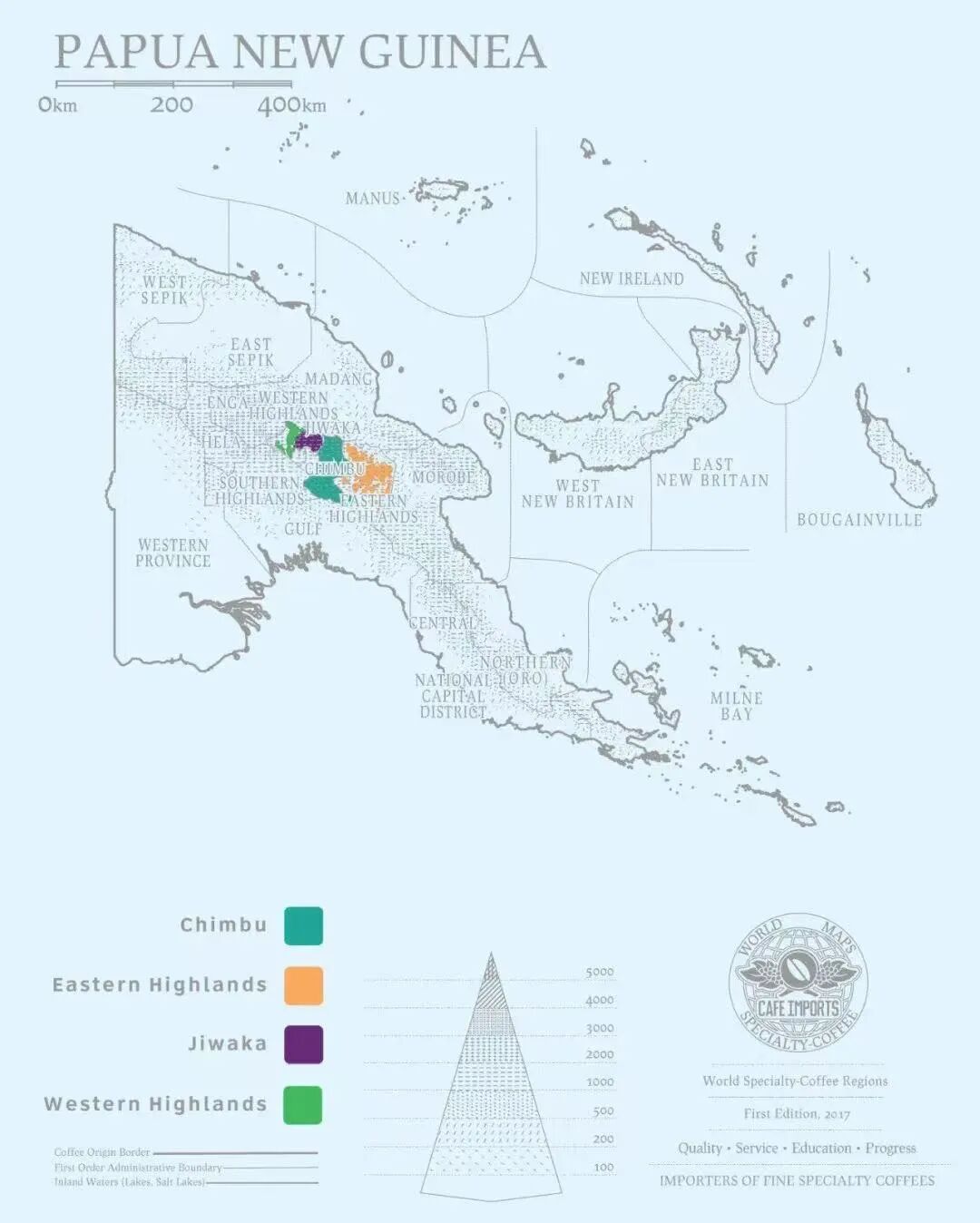
The country is divided into four main administrative regions: Eastern Highlands, Momase, New Guinea Islands, and Southern. The mountainous terrain located east of the Indonesian archipelago has led to a coexistence of large farms and smallholder cultivation in Papua New Guinea, with a diverse range of crops. Compared to the low-acidity, bold, and earthy semi-washed Indonesian beans (such as those from Sumatra or Sulawesi) commonly found in Indonesia, India, or other Pacific islands, Papua New Guinean washed coffees are typically brighter and more vibrant.
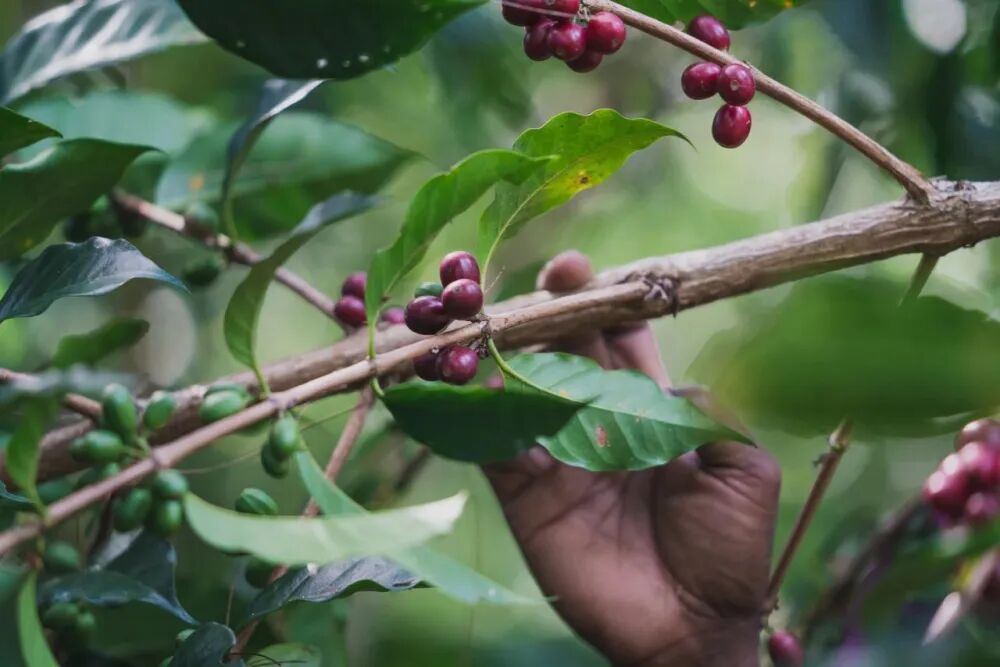
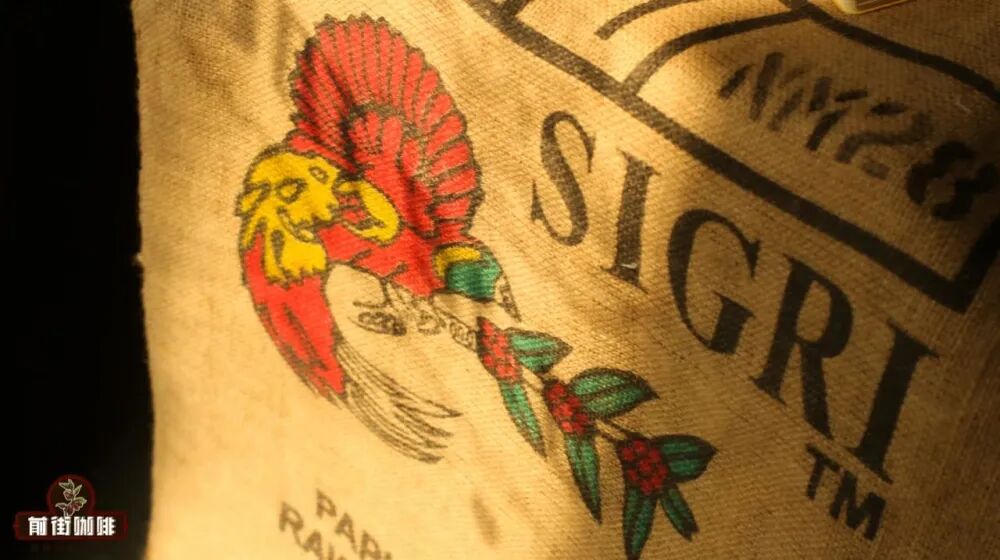
In terms of varieties, Papua New Guinea grows a wide array of premium coffee cultivars from around the world, including Typica introduced from Blue Mountain, Bourbon from Kenya, new hybrids like Mundo Novo and Caturra from Brazil, as well as Arusha from Tanzania. There are also modern hybrid varieties and traditional types like Kent from India. Notable local estates such as SIGRI (Sigri) Estate in the Wahgi Valley of the Western Highlands, as well as KIMEL, AROKARA, GOROKA, and ARONA in the Eastern Highlands, are all representatives of high-quality coffee production. The focus of this article, the Bird of Paradise coffee from SIGRI Estate, is a classic product from the region. Its washed Typica variety showcases flavor characteristics distinctly different from other Asian-producing areas.

Papua New Guinea’s coffee grading system is quite rigorous, with key evaluation criteria including: bean size, total defects per kilogram, bean shape, raw bean color, raw bean aroma, roasting aspects, and most importantly, cup quality. Specifically, it is divided into 12 grades (applicable only to Arabica), ranked from highest to lowest based on defect count and bean size: AA (>18 mesh), A (>17 mesh, 50%), AB (>16 mesh, 50%), B (>16 mesh), C (>15 mesh), PB (11–14 mesh), X (mixed), E (>19 mesh), PSC (>15 mm), Y1/Y2/T (mixed grades). For example, Bird of Paradise falls under the high-grade AA category, indicating large bean size and minimal defects—one of the key indicators of specialty coffee.
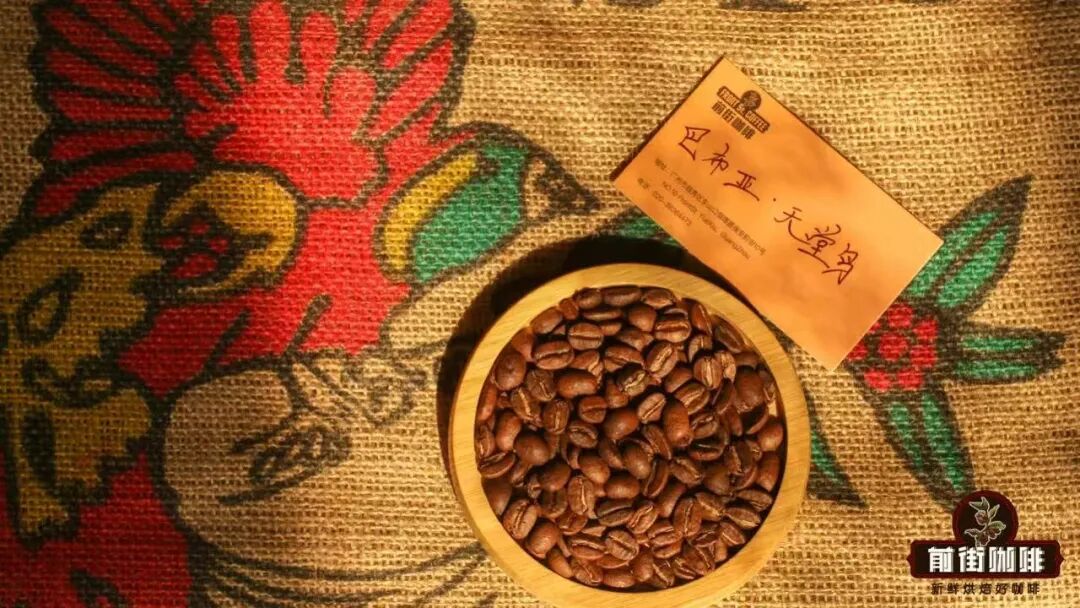
The Bird of Paradise coffee from SIGRI Estate originates from the Waghi Valley in the Western Highlands Province, cultivated at altitudes between 1,600 and 1,800 meters. The area features exceptionally well-drained volcanic soils, a cool climate, and abundant rainfall—all providing ideal growing conditions for coffee. Established in the 1950s, the estate was among the first to enter the coffee industry in the region and now boasts over 60 years of planting and processing experience.
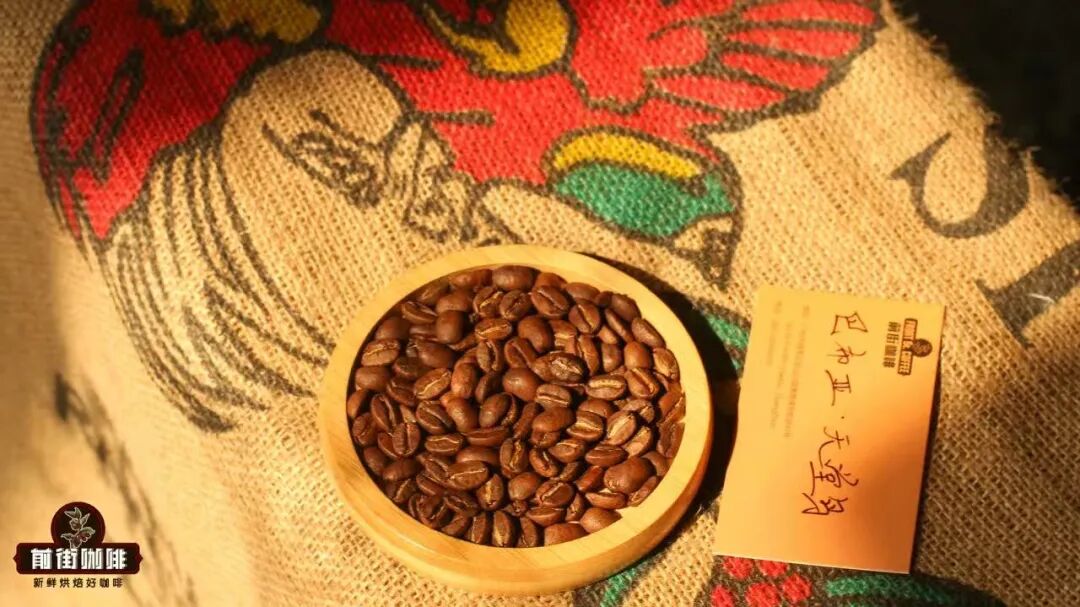
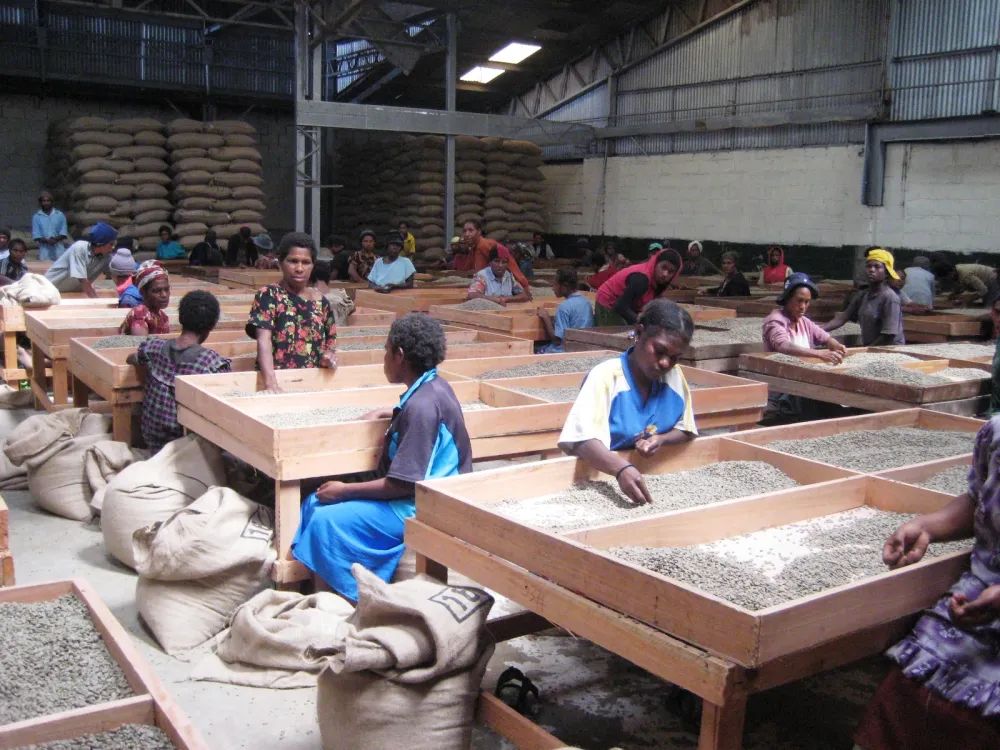
SIGRI Estate consistently adheres to high standards in cultivation and post-harvest processes. During the harvest season (April to September each year), only fully ripe red cherries are handpicked to ensure optimal balance of sweetness and acidity. Additionally, the estate conducts daily cupping sessions to maintain consistent and high-quality output. At peak times, up to 6,000 workers may be employed on-site, with half residing in dormitories provided by the estate. The estate also features a free clinic and an elementary school for employees’ children, demonstrating strong corporate social responsibility. Notably, SIGRI avoids the use of pesticides and insecticides, committing to environmental sustainability. According to statistics, the Waghi Valley is home to over 160 bird species, 90 of which choose to nest there—including the national bird of Papua New Guinea, the Bird of Paradise, from which the coffee gets its name.
If you’d like to brew the Bird of Paradise coffee from SIGRI Estate at home, we recommend the following parameters: water temperature controlled at 88–89°C, a coffee-to-water ratio of 1:15, using a KONO filter, with a grind size roughly akin to granulated sugar. The specific steps are as follows: begin with a 30-second bloom using 30 grams of hot water, then slowly pour in water up to 125 grams with a gentle stream and pause briefly. When the water level drops and is about to expose the coffee bed, continue pouring until you reach a total of 225 grams to complete the extraction. This brewing method fully brings out the bean’s rich layers, often highlighting sweet notes of caramel, dark cocoa, and almonds, along with citrus acidity at lower temperatures. The overall cup is balanced and layered.

In summary, Papua New Guinean coffee, shaped by its unique geography and cultural backdrop, produces distinctly recognizable flavor profiles. From grading standards to actual growing environments, and on to the practical brewing performance of SIGRI Estate’s Bird of Paradise—this coffee is not only perfect for newcomers exploring the world of coffee but also an excellent choice for experienced enthusiasts seeking to understand regional characteristics.
The above content is compiled by CoffeeHunters, a coffee news website.

