







Introduction:Although not the top-tier Geisha, the Diamond Mountain coffee from Hacienda La Esmeralda in Panama still boasts exceptional quality and flavor potential. This article takes you deep into the variety background, growing environment, processing methods, and brewing recommendations of Diamond Mountain coffee, while also analyzing its connection to Geisha to help you grasp the unique charm of this medium-to-high altitude natural-processed bean.
Hacienda La Esmeralda is located in the Boquete region of southwestern Panama. Originally a diversified farm that raised dairy cattle and grew citrus fruits in addition to coffee, what truly brought fame to this estate was the accidental discovery of an extraordinary coffee variety—the Geisha (also translated as Artisia) in the late 20th century. Since 2004, this variety has repeatedly won the "Best of Panama (BOP)" competition, establishing its prestigious status in the global specialty coffee scene.
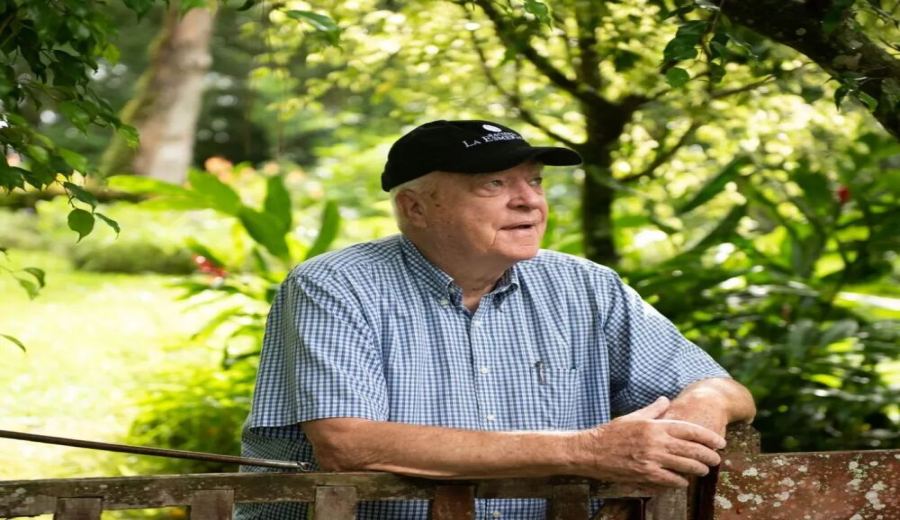
The story began in 2002, when Daniel Peterson, the second son of the Peterson family who owned the estate, noticed that although the mixed lots of coffee already had good quality, some batches emitted particularly elegant citrus aromas and sweetness, which he suspected came from superior plants in specific micro-plots within the farm. He then systematically cupped different areas and eventually discovered, in the higher-altitude foothill valleys of the Jaramillo farm, a group of coffee trees with sparse fruiting but slender tree shapes. Their green beans exhibited extraordinary potential in cupping—this was the later world-renowned Geisha variety.
In 2004, Hacienda La Esmeralda entered this batch of Geisha into the competition. With its unique aroma profile and rich mouthfeel, it won the BOP “Best of Panama” championship in one fell swoop, and was sold at an historic high price of $21 per pound at the auction that year, shocking the industry. It went on to win multiple championships consecutively from 2005 to 2010, making Hacienda La Esmeralda a leader in the specialty coffee market.
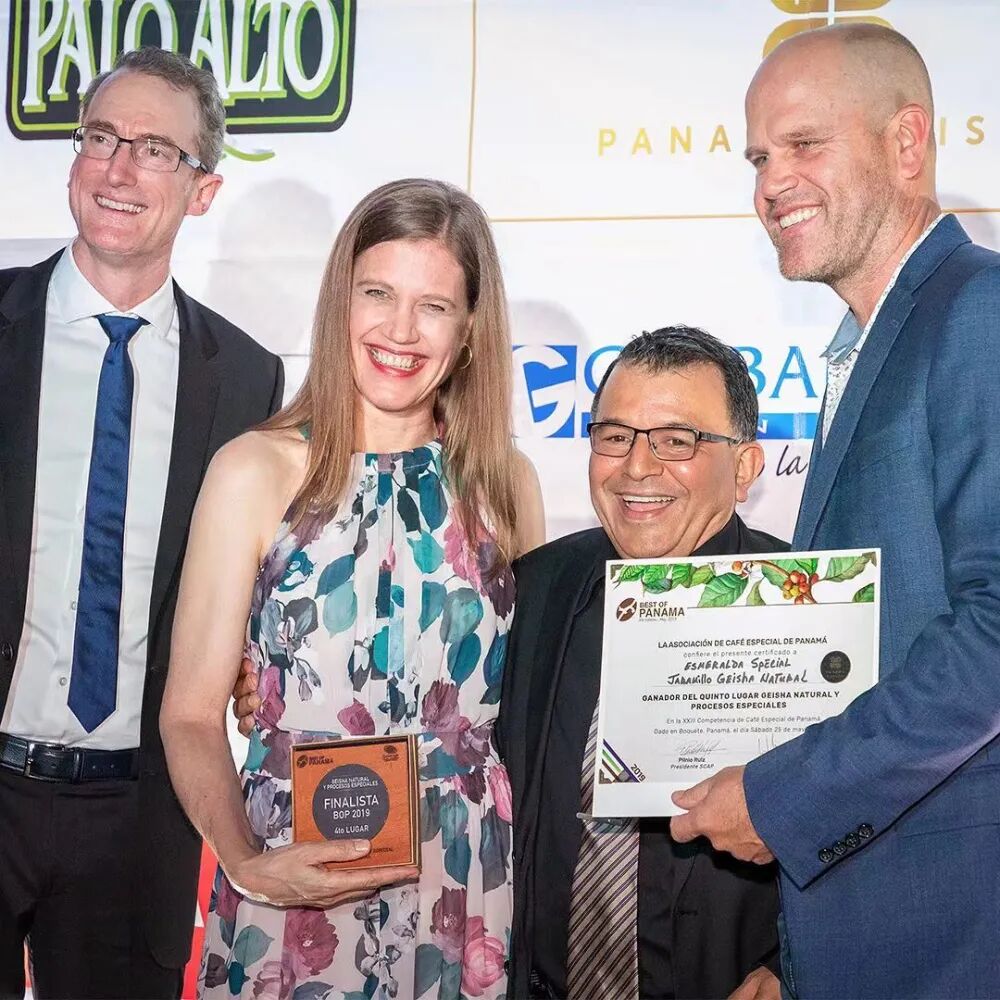
In addition to the BOP, Hacienda La Esmeralda has also received numerous international accolades, including multiple cupping championships and second-place awards from the Specialty Coffee Association of America (SCAA), as well as various quality certifications from the Rainforest Alliance. It is considered one of the coffee estates with the most glorious award records in the world.
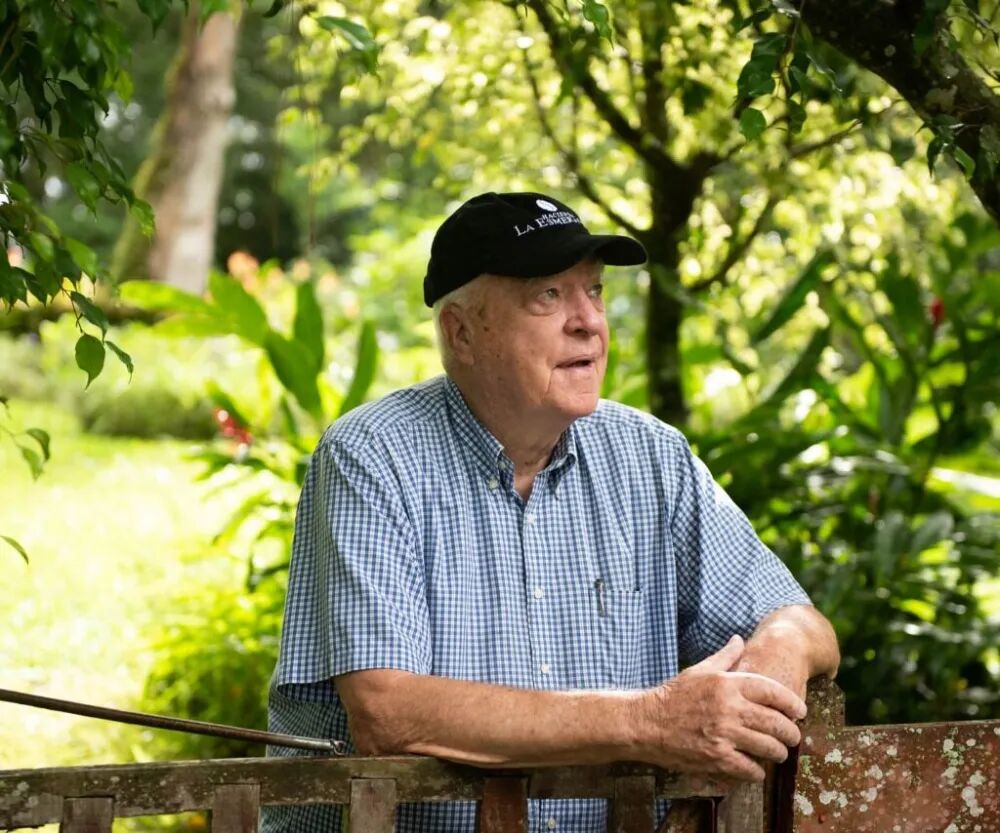
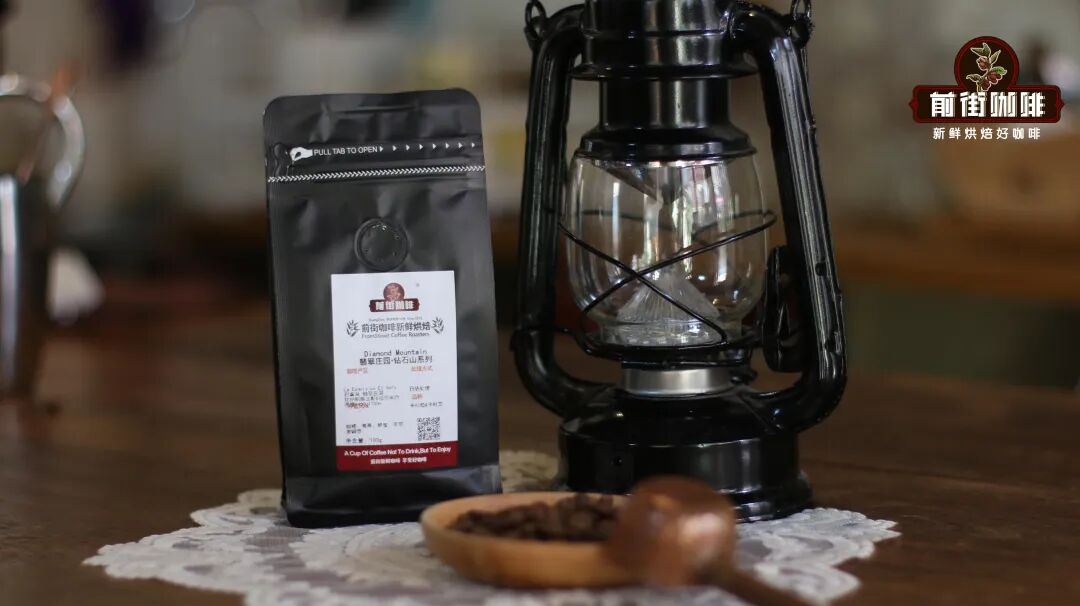
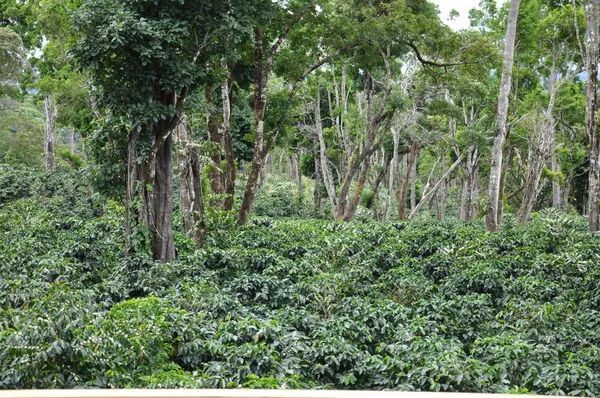
Speaking of Diamond Mountain coffee, it is a relatively more affordable yet still high-quality series under Hacienda La Esmeralda. This product is not Geisha but is grown on volcanic slopes in the Canas Verdes and Jaramillo regions of the Boquete area at altitudes of about 1400 to 1600 meters. The main varieties include traditional cultivars such as Typica, Bourbon, and Catuai. The fertile volcanic soil in this region, along with the natural shade provided by surrounding native trees, gives the green beans rich fruit tones, chocolate aroma, and layers of spice.

Hacienda La Esmeralda has long practiced sustainable management. It not only holds Rainforest Alliance certification to ensure biodiversity and undisturbed bird habitats, but also implements wastewater recycling and reuse during the green bean processing to maintain clean water resources, forming a self-sufficient agricultural ecosystem.

Another key variety of Diamond Mountain coffee is Catuai, a variety originating from the Guaraní phrase “multo mom” (meaning “very good”). It is H-2077, a hybrid cultivated in 1949 from the yellow Caturra and the Mundo Novo variety. Catuai inherits Bourbon lineage, combining traits from both yellow Caturra and Mundo Novo, offering high yield, strong disease resistance, and bright flavor profiles. Its shorter plant height also helps increase planting density, roughly twice that of Bourbon, hence its widespread cultivation in Central and South America.
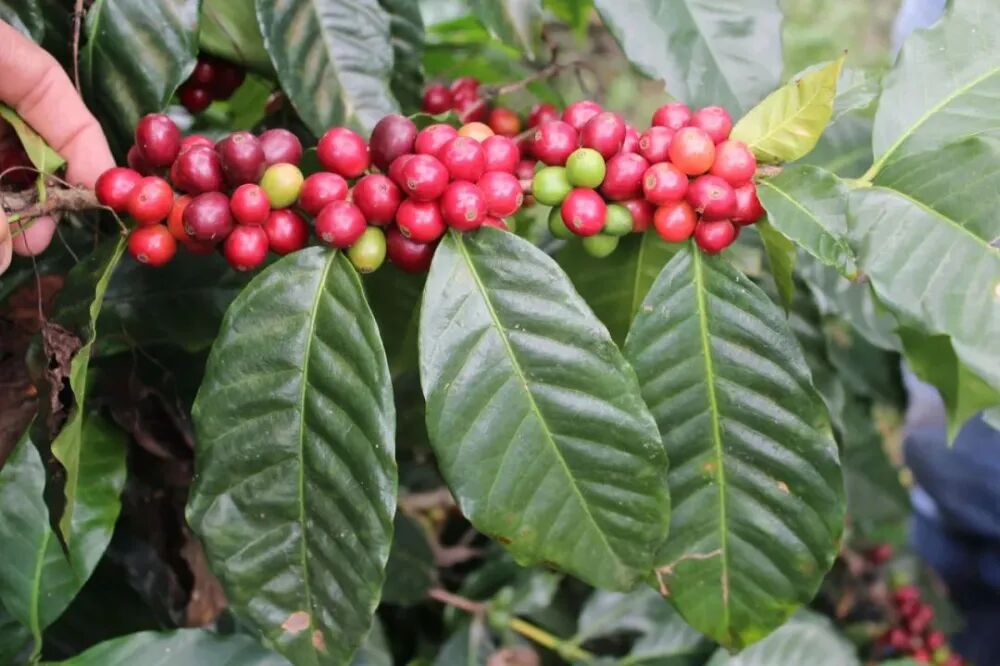
Although it is widely planted for high yield, Catuai still shows respectable flavor potential. Leveraging this variety, Diamond Mountain coffee presents pleasant citrus acidity, solid body, and the sweet aftertaste characteristic of the Bourbon family, making it a star product from Hacienda La Esmeralda that is highly favored by the market besides Geisha.
Hacienda La Esmeralda also pays great attention to the processing of Diamond Mountain coffee. After harvest, the coffee cherries are washed and then evenly spread in the courtyard for sun drying. During the sun drying process, the flesh and seeds remain in close contact, allowing the beans to absorb sugars, thus developing intense fruit aromas and fermentation flavors.
Depending on weather and site conditions, the sun drying process may be adjusted. For example, the coffee cherries may first be left to dry on concrete platforms for 3 to 5 days (about 8 hours per day). Once a certain level of dryness is reached, they are then moved to a Guardiola dryer for the final 72-hour drying stage via rotation to avoid over-fermentation. After drying, the outer flesh layer is removed mechanically. The whole process is rigorous and detail-oriented.
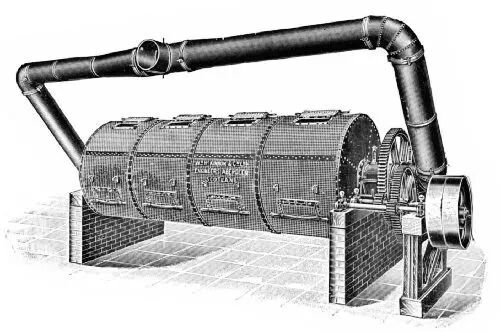
The Guardiola drying equipment is a horizontal rotary drum that can handle large quantities of green beans at once and stabilize humidity by controlling airflow around it, reducing the risk of mold. Dried green beans are usually stored in nylon bags for 30 to 45 days for “repose (reposo),” a stage that helps stabilize bean characteristics and enhance flavor performance during subsequent brewing.
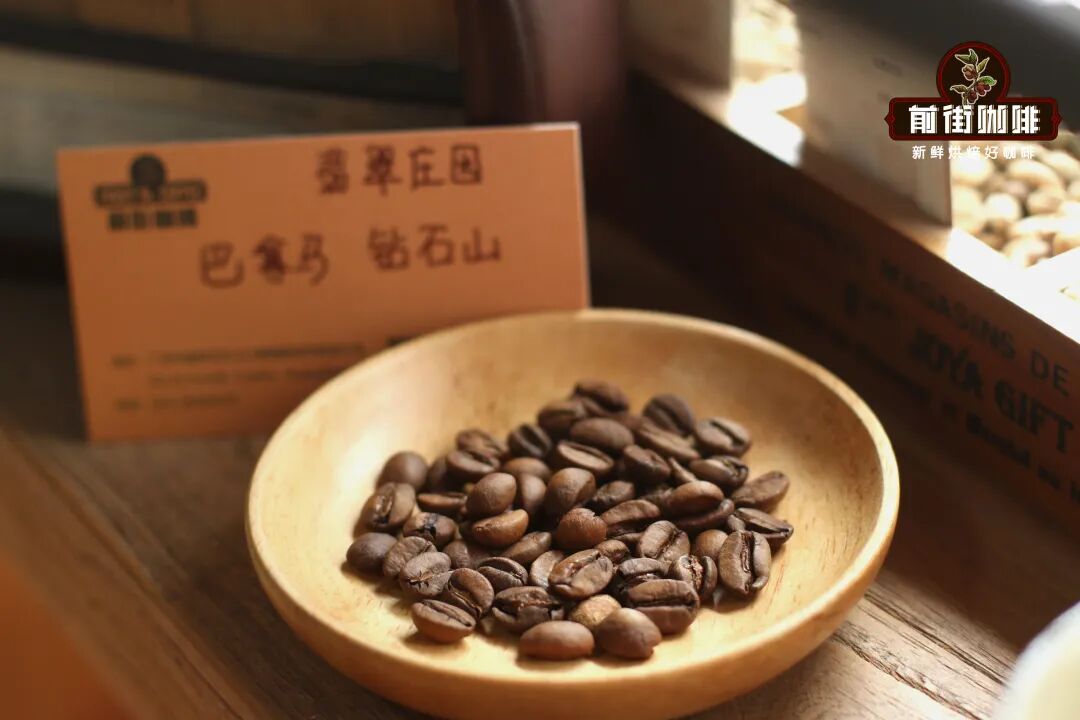
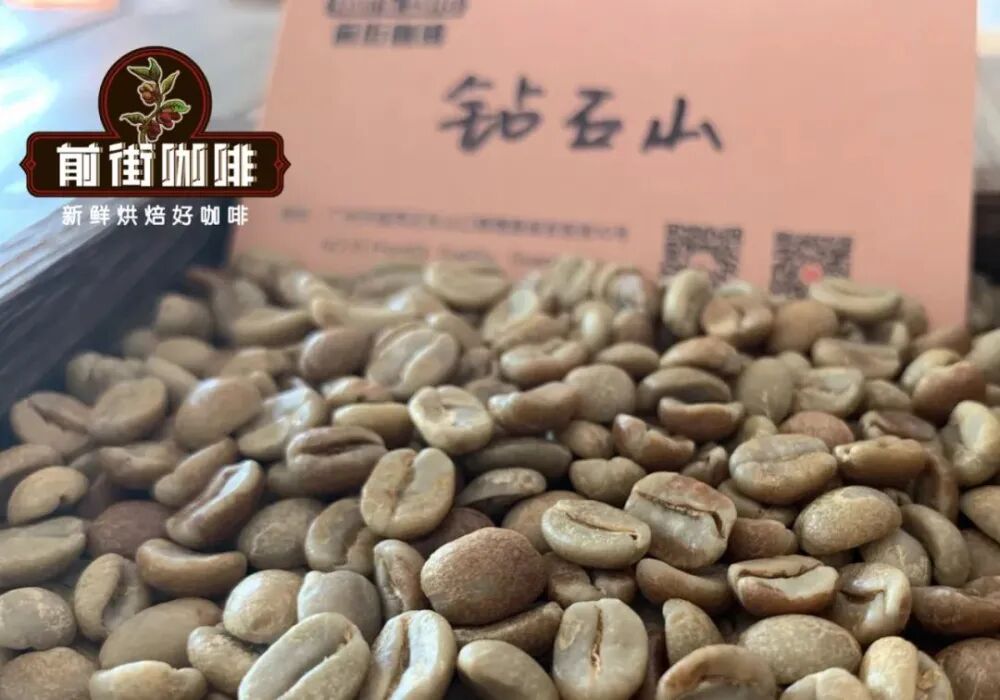
This natural-processed batch of Diamond Mountain from the renowned coffee brand features green beans with a slightly yellow appearance and more silver skin retained. The beans are somewhat flat in shape with elongated tips. To highlight their bright acidity and fruity aroma reminiscent of red berries, roasters typically employ a medium-light roast to preserve more delicate flavor layers.
Brewing recommendations are as follows: Use a V60 #01 filter, control water temperature at 90–91°C, use 15 grams of coffee, a 1:15 coffee-to-water ratio, and grind size at medium-fine (about 80% through a Chinese standard No. 20 sieve). Use a three-stage extraction: first pour 30 grams of water for a 30-second bloom, then pour in a small circular motion up to 125 grams for the first pour, add more water when the water level is about to expose the coffee bed until reaching 225 grams, and finally remove the filter just before the coffee bed is exposed again. Total brew time is about 2 minutes.

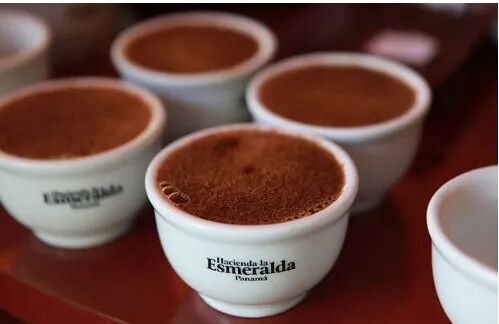
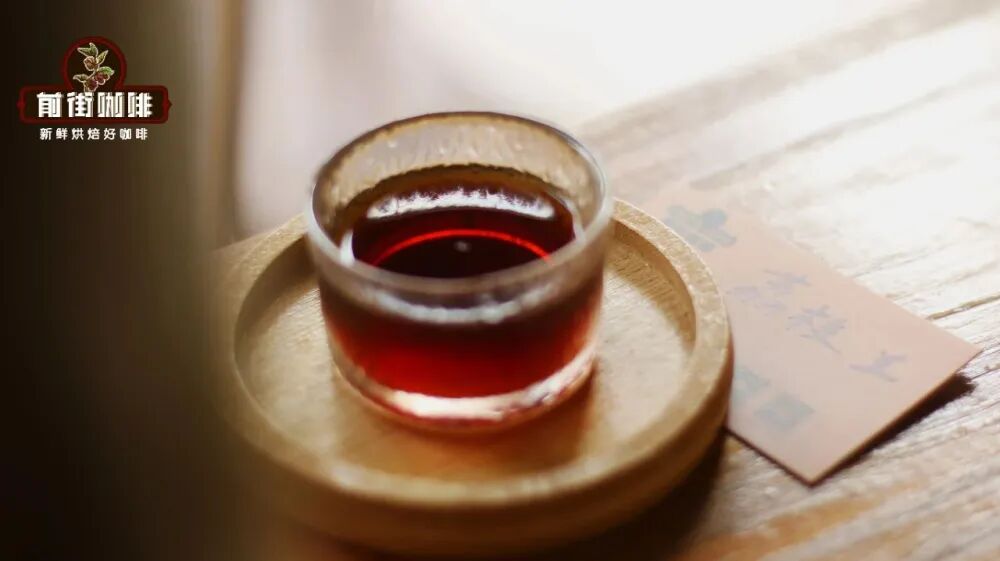
This brewing method fully showcases Diamond Mountain coffee’s citrus notes, nutty aroma, honey-like sweetness, and slight fermentation flavors. The mouthfeel is smooth with a soft cocoa aftertaste, making it highly suitable for pour-over lovers who enjoy bright fruitiness and rich layered profiles.
The above content is compiled by CoffeeHunters, a coffee news website.

