








Introduction:Geisha (Geisha) coffee is a top-tier variety that has garnered widespread attention in recent years. However, its name origin, connection to geishas, and differences from Ethiopian Yirgacheffe often confuse coffee enthusiasts. This article will delve into the origins of Geisha, its varietal characteristics, distinctions from Yirgacheffe, and explore how different growing regions and processing methods influence its flavor. It also provides practical pour-over parameters to help you better understand and enjoy these two classic coffees.
When it comes to Geisha coffee, many people immediately think of its unique floral aroma, bright acidity, and unforgettable aftertaste. But do you know the origin of the name "Geisha"? In fact, Geisha (or Gesha) is the name of the coffee variety. Due to its similarity in pronunciation to the Japanese word for "geisha," some also refer to it as "geisha coffee." In the Chinese-speaking world, most people are accustomed to transliterating it phonetically from English as "瑰夏" (Guīxià). Regardless of the name, it represents a specialty coffee variety originating from Ethiopia but shining brightly in Panama.
Geisha coffee is not limited to a single origin. Currently, it is cultivated in multiple coffee-growing regions, including Panama, Costa Rica, Colombia, and even Yunnan, China. However, are all the Geishas grown in these regions the same variety? The answer is yes—they all originate from the same coffee tree species discovered in Ethiopia’s Gesha Forest in 1931. Nevertheless, due to differences in growing environments, altitudes, and processing methods, even the same variety can exhibit vastly different flavor profiles.

The discovery of Geisha is actually the result of persistence and careful observation. In 1931, the variety was first discovered in Ethiopia’s Gesha Forest in the south and later sent to a coffee research institution in Kenya. It was introduced to Uganda and Tanzania in 1936, to Costa Rica in 1953, and it wasn’t until the 1970s that Mr. Francisco Serracin of Panama brought seeds from CATIE in Costa Rica and began planting them in Panama. It is said that through repeated cuppings and comparing different harvest batches, he discovered that coffee from a specific block had an exceptionally unique and captivating flavor. He then traced it back to its original planting area and plants, ultimately confirming this outstandingly flavorful coffee variety.
The journey of Geisha from an obscure coffee tree to a star in the global specialty coffee market was anything but accidental. Behind this success lies not only the efforts of agricultural experts but also the unique geographical and climatic conditions of Panama.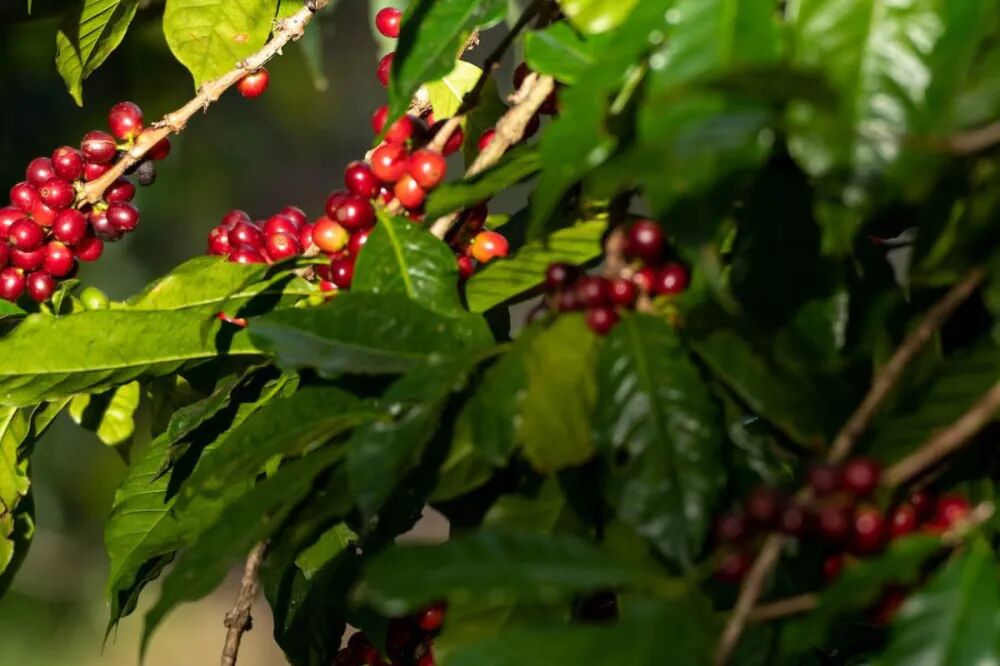
As the birthplace of coffee, Ethiopia boasts the world’s richest coffee gene pool, including many native varieties that have yet to be officially classified. Geisha was first discovered in this very land, highlighting its deep ties to Ethiopia. Most of the country’s coffee is grown by smallholder farmers in highlands, where the natural environment preserves biodiversity and nurtures many unique coffee flavors. The coffee industry here involves nearly 15 million people, with many coffee trees intercropped with other crops and growing in semi-wild environments, creating distinctive terroir conditions.

Yirgacheffe is a well-known town in Ethiopia’s Southern Gedeo Zone and a globally recognized important coffee-producing region among specialty coffee enthusiasts. The name "Yirgacheffe" comes from "Yirga," meaning "to settle down," and "cheffe," meaning "wetland," together meaning "settle down in this wetland." This region sits at an altitude of 1,700 to 2,200 meters, with a cool climate that slows the ripening of coffee cherries, allowing them to accumulate richer aromatic compounds and develop coffee with exceptional complexity and bright flavors.
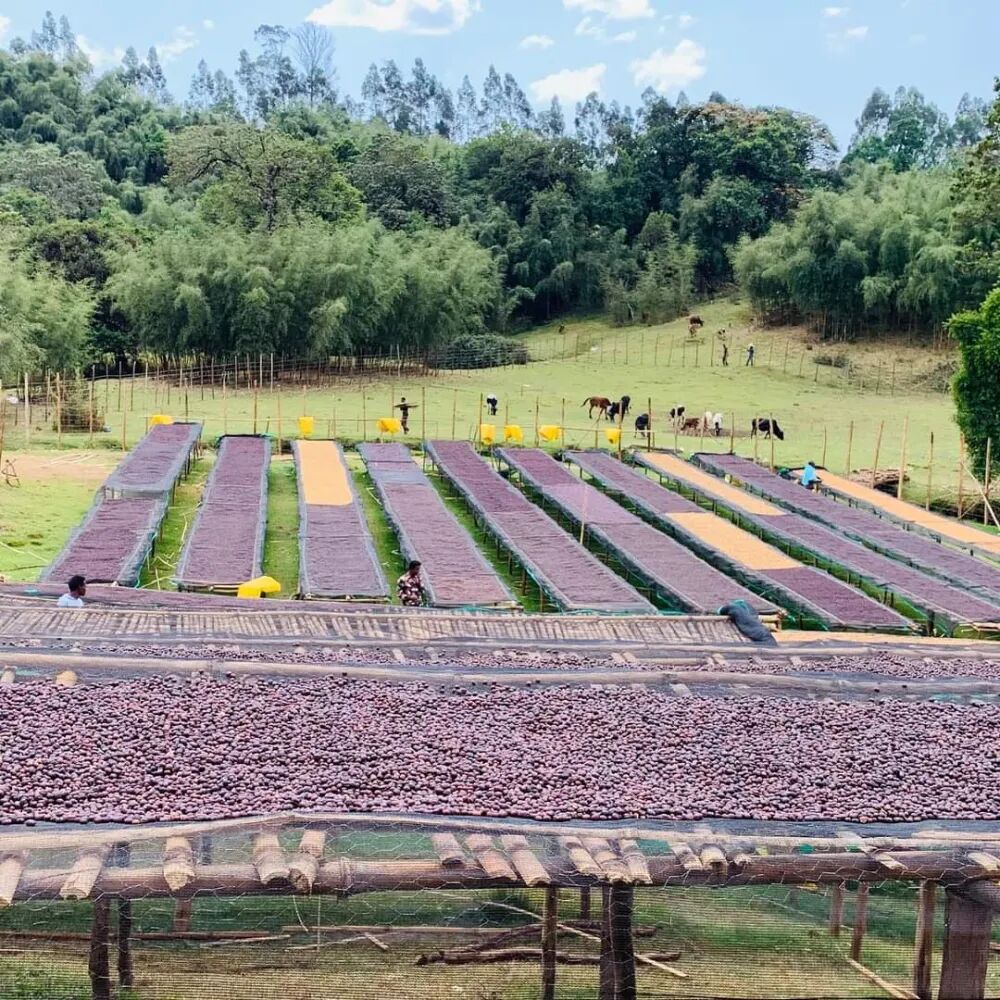
Coffee in the Yirgacheffe region is mostly grown by small-scale farmers, often intercropped with other crops in backyards. This not only provides moderate shade but also maintains ecological diversity. After harvest, the coffee cherries are usually sent to cooperatives for unified processing, so many coffee packages bear the names of cooperatives, such as the well-known Guji Dingding, Worka, or Konga cooperatives. These cooperatives generally use the washed processing method, giving Yirgacheffe coffee its characteristic clean, bright acidity and floral-fruity notes.
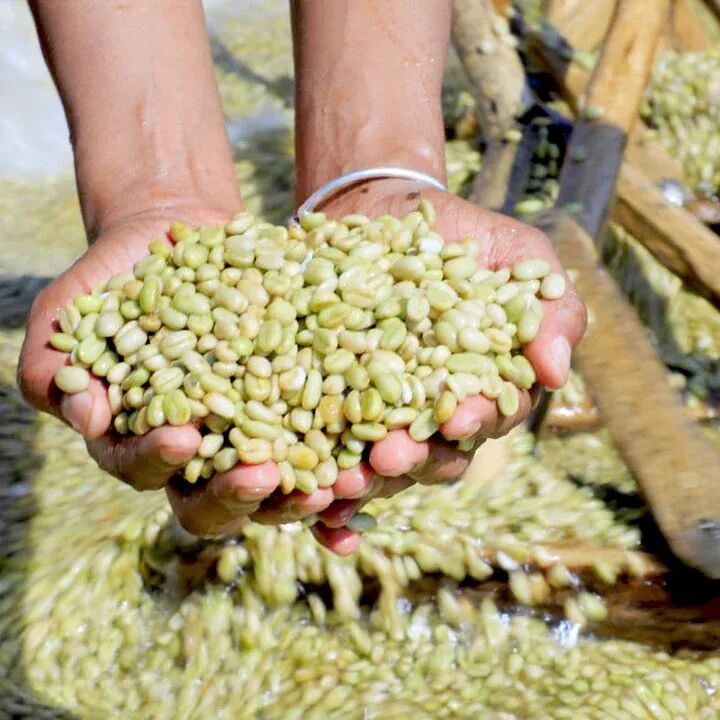
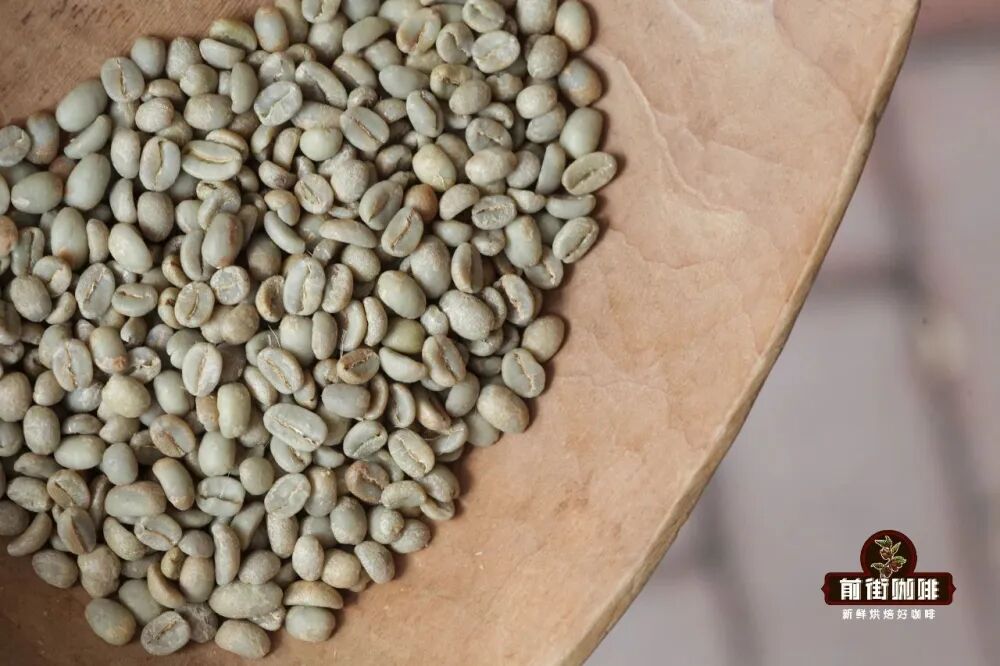
So, what exactly is the difference between Yirgacheffe and Geisha coffee? First, in terms of variety, most coffee from the Yirgacheffe region belongs to Ethiopian heirloom varieties. These varieties, having evolved naturally over a long period without commercial classification, exhibit high genetic diversity. Their beans vary in size, and their flavors are richly varied. Geisha, on the other hand, is a distinct varietal name with consistent plant characteristics. Thanks to Panama’s unique environment, it showcases exceptional aromatic expression and a layered taste profile.
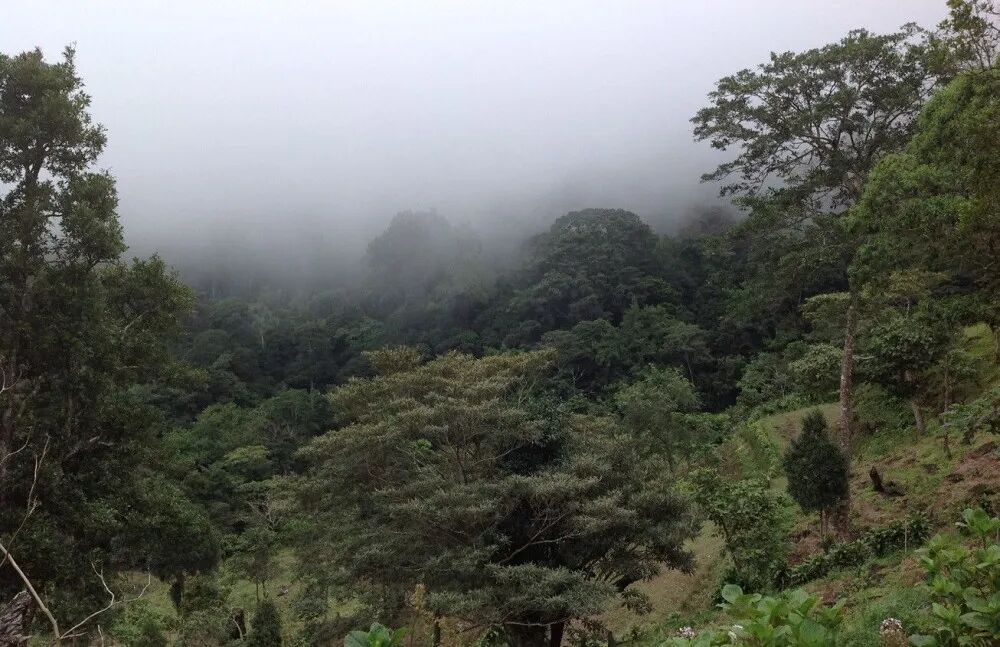
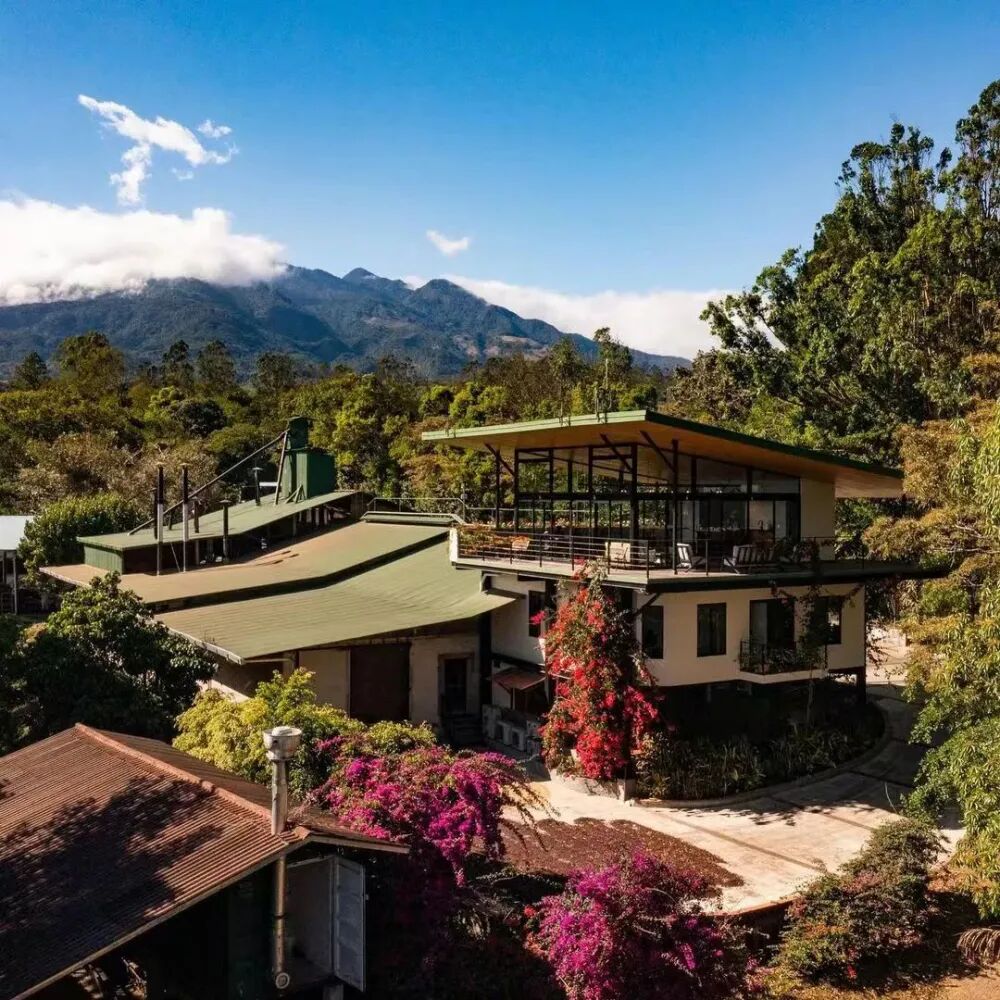
Moreover, even within the same Geisha variety, there are significant flavor differences between those grown in Ethiopia’s native land and those in Panama. This is mainly due to factors such as altitude, climate, microclimate, soil structure, and management practices. Panama’s Boquete region, nourished by Baru volcano soil and characterized by large day-night temperature variations, high altitude, and frequent cloud cover, allows Geisha to exhibit incredibly rich floral notes, citrus tones, honey sweetness, and a silky mouthfeel.

Panama’s La Esmeralda Estate is one of the most representative promoters of Geisha coffee. The estate owns multiple blocks, such as El Velo, Canas Verdes, and Jaramillo, and classifies Geisha into different grades like Green Label and Red Label based on varying altitudes and microclimates, offering consumers options to suit their preferences. Meanwhile, Elida Estate is located within the boundaries of the Baru Volcano National Park and also produces uniquely flavored Geisha coffee thanks to its high altitude and special microclimate.
In terms of processing methods, both Yirgacheffe and Geisha commonly use either washed or natural (sun-dried) processes. The washed process highlights clean acidity and distinct floral-fruit aromas, while the natural process often delivers more intense fruitiness, sweetness, and a fuller body. For example, a brand’s natural Red Cherry Yirgacheffe is known for its sweet lemon and berry notes, while a certain estate’s washed Green Label Geisha showcases bright citrus and bergamot acidity paired with a honey-like finish, offering a well-layered profile.

For coffee enthusiasts, understanding brewing parameters is also key to savoring specialty coffee. Since both Geisha and Yirgacheffe are typically light-roasted, it is recommended to use water at 91–92°C, paired with a medium-fine grind (such as a 20-mesh Chinese sieve with about 80% passing rate), and brew using a V60 filter. Specific parameters can be referenced as follows: 15 grams of coffee, a 1:15 coffee-to-water ratio, brewed in three pours with a 30-second bloom. The total extraction time is about 2 minutes. This approach fully releases the floral-fruity aromas and delicate flavors in the coffee.
In summary, although both Geisha and Yirgacheffe originate from Ethiopia, they exhibit distinctly different flavor profiles due to varietal differences, growing environments, and processing methods. Whether you prefer bright, refreshing floral-fruit notes or rich, sweet, and complex profiles, a deeper understanding of the background and characteristics of these coffees can help you find the perfect cup for your palate.






The above content is compiled by CoffeeHunters, a coffee news website.

