








Introduction:Did you know that Colombia is the world’s second-largest producer of Arabica coffee? From the first coffee tree introduced by missionaries in the early 18th century to today’s globally renowned black chocolate flavor profile, what story lies behind the rise of Colombian coffee? More importantly, how did FNC (the Federación Nacional de Cafeteros de Colombia, or Colombian National Coffee Growers Federation), tasked with industry consolidation and global marketing, help this South American nation secure its position as the third-largest coffee exporter during post-war reconstruction? This article takes you through the historical context, regional characteristics, and industry strategies to deeply explore the path to success of Colombian coffee.
Walk into any specialty coffee shop and order a washed Colombian bean — its rich black chocolate notes paired with gentle acidity often become a classic choice for many coffee newcomers. But few delve into when these uniquely flavored beans first took root in Colombian soil. In fact, despite its relatively small land area, Colombia is the world’s second-largest Arabica producer after Brazil, and the origins of its coffee culture can be traced all the way back to the early 18th century.
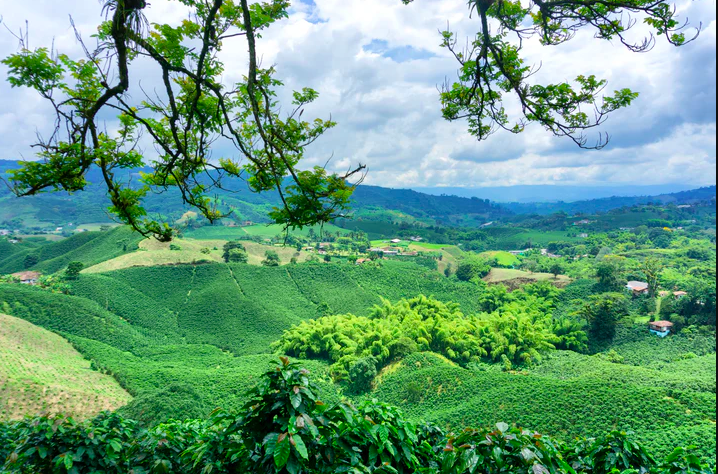
Historical records indicate that the first coffee seeds or seedlings arrived in South America aboard Spanish Jesuit missionary ships. One such priest, Father José Gumilla, explicitly mentioned seeing coffee plantations in Colombia in his report on the Orinoco River basin in 1730. This record not only serves as early evidence of coffee cultivation in Colombia but also indirectly shows that the country had quietly begun its coffee-growing history prior to 1730.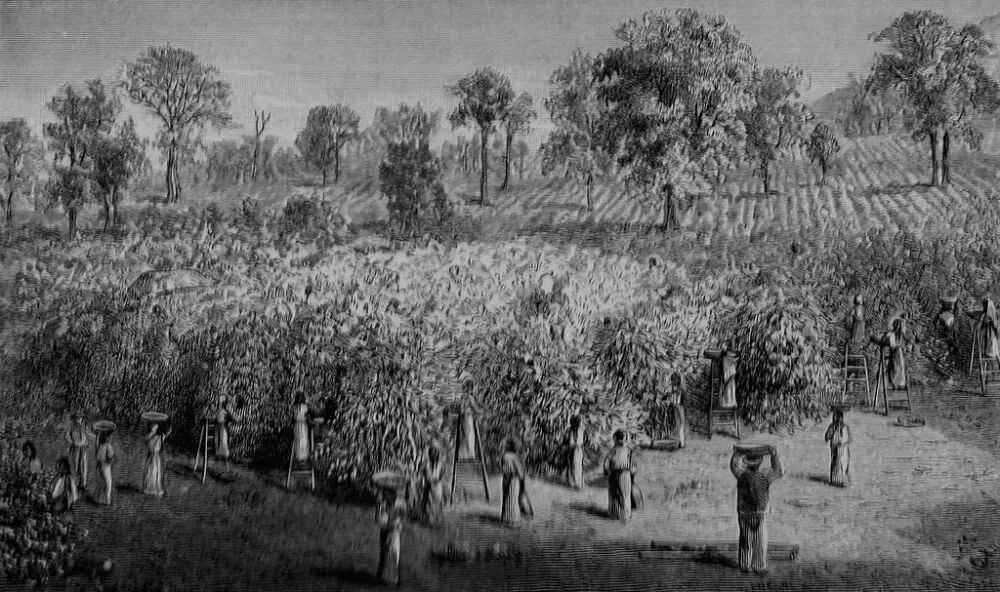
Over time, coffee transitioned from an economic crop introduced by missionaries into a significant source of foreign exchange for Colombia by the end of the 19th century. However, the Thousand Days' War from 1899 to 1903 plunged the entire nation into four years of turmoil, drastically reducing the population, laying waste to the land, and severely damaging the fledgling coffee industry. After the war, many large coffee estates were abandoned due to unsustainable operations, eventually becoming overgrown and forgotten.
To rescue the collapsing coffee economy, the Colombian government took a critical step: reorganizing the large, abandoned plantations from the war period into numerous small plots and selling them at low prices to landless farmers. These new farmers often chose to intercrop coffee with other food crops, which not only stabilized their livelihoods but also gradually established a coffee industry structure dominated by smallholder farms.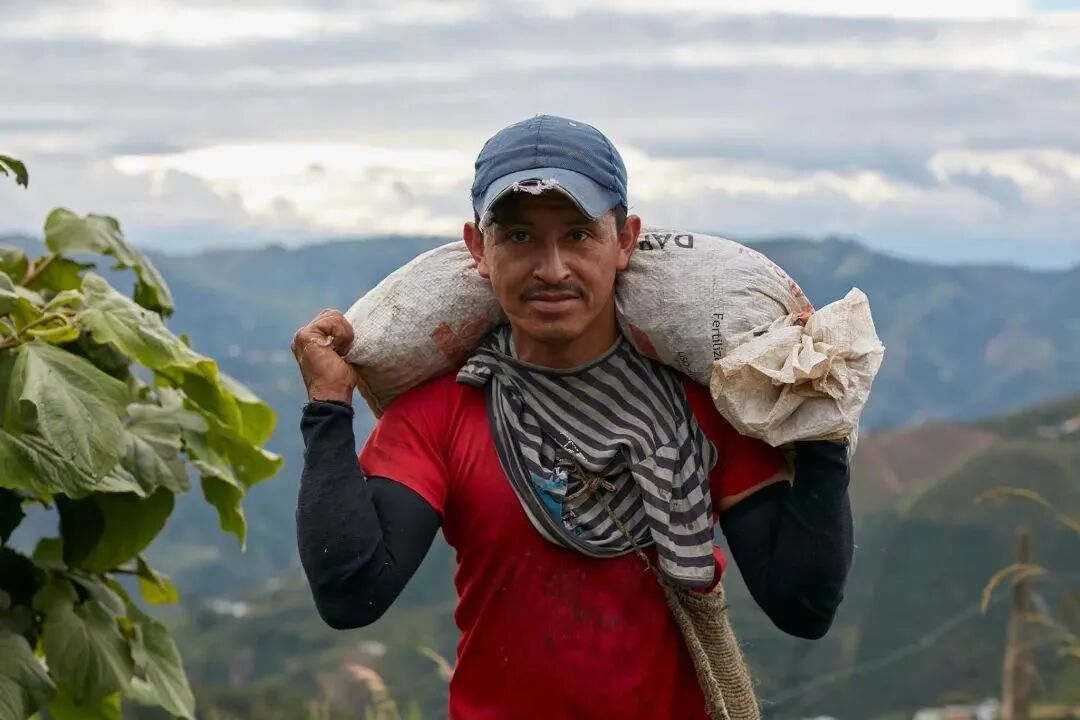
However, while the decentralized model of small farms demonstrated resilience, it struggled to form a unified competitive edge in the international market. To change Colombia’s marginal status in the global coffee scene, local growers founded the “Coffee Producers’ Organization” in 1904, aiming to coordinate domestic market order. It wasn’t until 1920 that a visionary coffee farmer led the establishment of the Colombian Coffee Federation, further safeguarding the rights of small producers. This organization grew over the years and was officially upgraded in 1927 into the official and globally influential “Colombian Federation of Coffee Growers (FNC).”
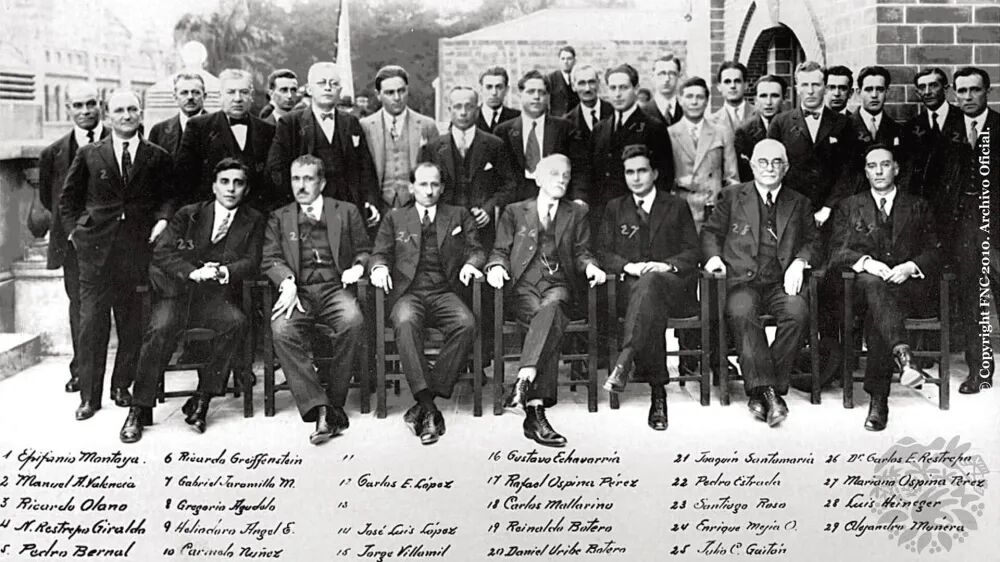
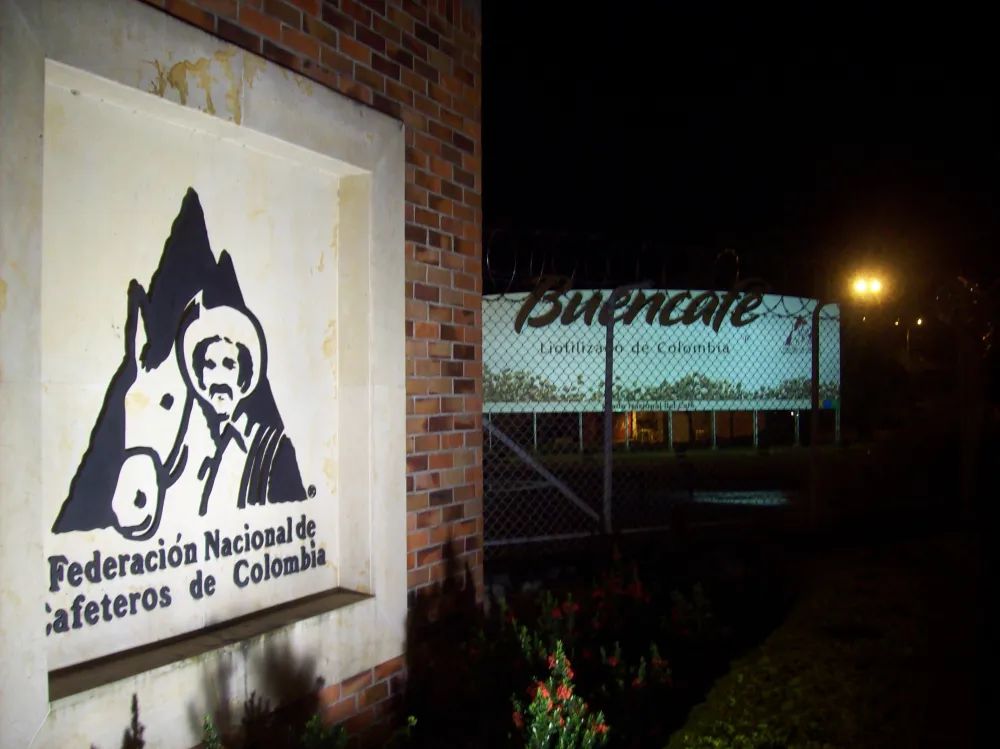
The FNC was established in Medellín. This union-like organization brought together 560,000 coffee farming families from 590 municipalities across 22 provinces nationwide. Its core mission was to protect the economic interests of coffee growers and enhance the competitiveness of Colombian coffee in the international market. Under the leadership of its first president, Luis Mariano Ospina Pérez — grandson of President Mariano Ospina Rodríguez — the FNC successfully propelled Colombia to the position of the world’s third-largest coffee exporter by unifying quality standards, establishing a global marketing network, and promoting regional origin certifications.
It’s worth noting that the reason Colombian coffee has secured a place in the global specialty market is not only due to the strategic planning of the FNC but also closely tied to its unique geographical environment and processing techniques. Take the Huila region as an example: with its moderate altitude, significant day-night temperature variation, and precise control of the washed processing method, it fully showcases the black chocolate-dominant flavor nurtured by the region’s soil and climate, while preserving layers of gentle fruit acidity — making it a “classic entry point” for many coffee enthusiasts.

For consumers eager to explore the flavors of Colombian coffee, choosing washed-processed beans usually allows for a clearer experience of regional characteristics. Empirical data shows that the washed method effectively reduces interference from impurities, highlighting the inherent terroir of the coffee beans. In contrast, natural (sun-dried) processing may add richer aroma and sweetness but could mask some of the more delicate regional features. If you’re a newcomer to the world of Colombian coffee, consider starting with a everyday-drinking bean from the Huila region processed using the washed method — and savor how the classic black chocolate notes and gentle acidity achieve perfect harmony.

The above content is compiled by CoffeeHunters, a coffee news website.

