







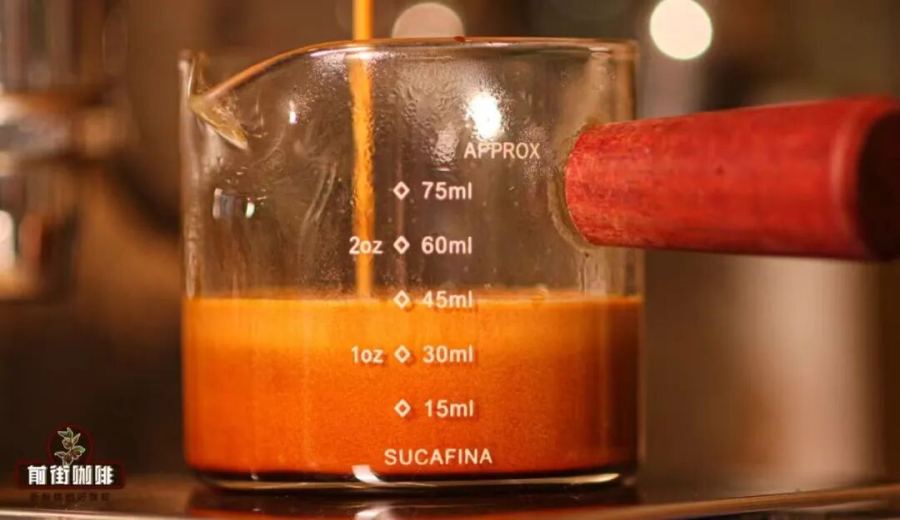
Introduction:For coffee newcomers, selecting coffee beans can be quite confusing: Should you choose Arabica or Robusta? What’s the difference between single-origin and blends? How do you decide on the roast level? This guide will walk you through five key factors in choosing coffee beans—including bean variety, single-origin vs. blend, roast degree, freshness, and grind style—to help you find the beans that best suit your taste preferences. We’ll also offer practical storage tips to enhance your coffee flavor experience.
Many beginner coffee enthusiasts, faced with a wide array of coffee bean options and technical terms, often don’t know where to start or how to pick beans that match their taste. In reality, mastering just a few basic concepts can make it much easier to choose beans that suit you.
First, the most common types of coffee beans fall into two main varieties:ArabicaandRobusta. These two types differ significantly in flavor, caffeine content, and price. Understanding their characteristics can help you make choices based on your drinking needs.
Arabica is considered the representative of high-quality coffee, including well-known varieties such as Typica, Geisha, and Bourbon. It has lower caffeine content, a rich flavor profile, bright acidity, and often features floral and fruity notes. It is ideal for consumers who enjoy a delicate taste and pleasant aroma. If you’re looking for a cup of coffee with elegant flavors and a smooth mouthfeel, Arabica is your top choice. (Image: Comparison of Arabica and Robusta)
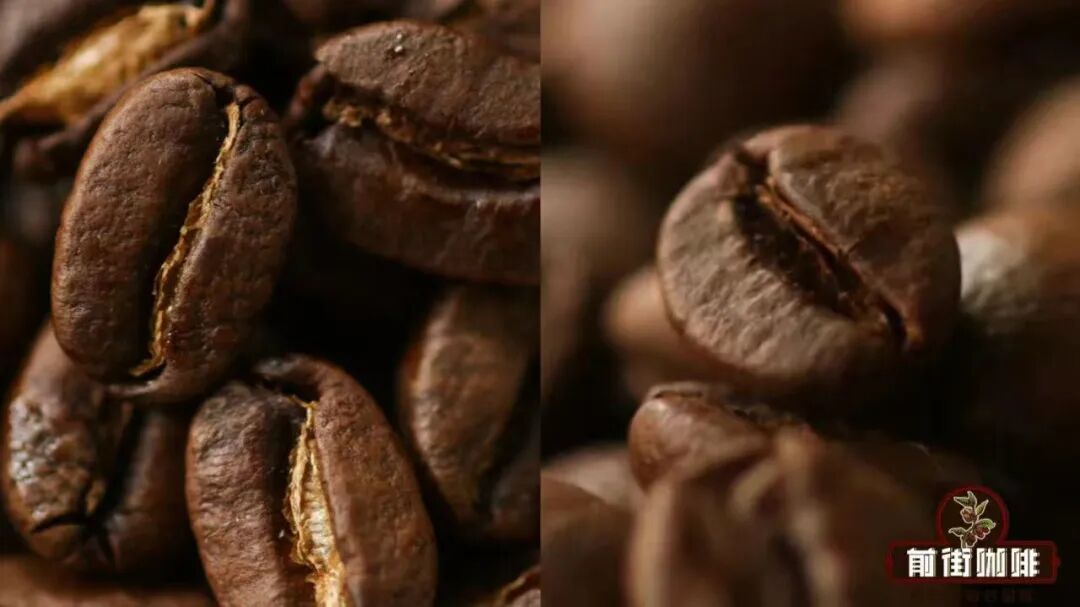
In contrast, Robusta is a medium-sized coffee bean, commonly referred to as “lu dou.” Its flavor is relatively simple, but it has a high caffeine content, with a bold, intense taste that often carries noticeable bitterness and nutty tones. Due to its lower cost, Robusta is often used in instant coffee or canned coffee. However, it has its advantages—it can produce rich coffee oils, which help enhance the texture of espresso and the integration with milk foam. Some blends include a small amount of Robusta to boost the intensity and crema of espresso. (Image: Explanation of Robusta’s characteristics)
Next, when purchasing espresso beans, many people hesitate betweenblends and single-origin beans. Single-origin beans come from a single region, estate, or processing method, showcasing the unique terroir and flavor characteristics of that origin. They are the mainstream choice for pour over coffee. Espresso made from single-origin beans is called SOE (Single Origin Espresso), which is usually roasted darker than pour over single-origin beans to balance acidity and enhance flavor expression.
Blends, on the other hand, are composed of two or more types of coffee beans from different regions or processing methods, blended in specific proportions. The goal of blending is to create a more balanced, rich, or consistent flavor profile, while also improving cost-effectiveness and stability. For example, some blends include a small amount of Robusta to enhance the crema and body of espresso, making them suitable for those who enjoy milk-based coffee or prefer a richer flavor. (Image: Comparison of blend and single-origin characteristics)

Roast level is one of the key factors influencing coffee flavor. It is generally divided intolight roastanddark roast. Light-roasted beans are stopped early in the Maillard and caramelization reactions, preserving more organic acids. The flavor is dominated by fruity acidity, floral notes, and a fresh profile, with lower bitterness—ideal for pour over or black coffee. Those who enjoy a bright, refreshing, sweet-tart taste particularly love light roasts. For example, light-roasted Ethiopian beans often exhibit citrus, blueberry, or jasmine floral notes.
Dark roast allows the Maillard and caramelization reactions to proceed more thoroughly, bringing out intense flavors like chocolate, caramel, and nuts. Acidity is greatly suppressed, and bitterness becomes prominent, resulting in a bold, full-bodied taste with a strong aftertaste. Dark roast beans are well-suited for making milk-based drinks like lattes and cappuccinos, and they better showcase the rich texture of coffee oils. If you prefer a bold, thick, and sweet-aftertaste coffee, dark roast is the ideal choice. (Image: Flavor differences across roast levels)
Regarding coffee bean freshness, it is recommended to choosefreshly roastedproducts whenever possible. Freshly roasted beans have the most complete flavor, but beans right after roasting contain a lot of carbon dioxide, which can affect extraction stability—especially noticeable in espresso. Therefore, it is suggested to let freshly roasted beans rest for4 to 7 days for degassing, allowing the beans to release CO₂ and reach their optimal extraction state. The degassing time can be adjusted according to roast level; generally, the darker the roast, the longer the degassing period required.
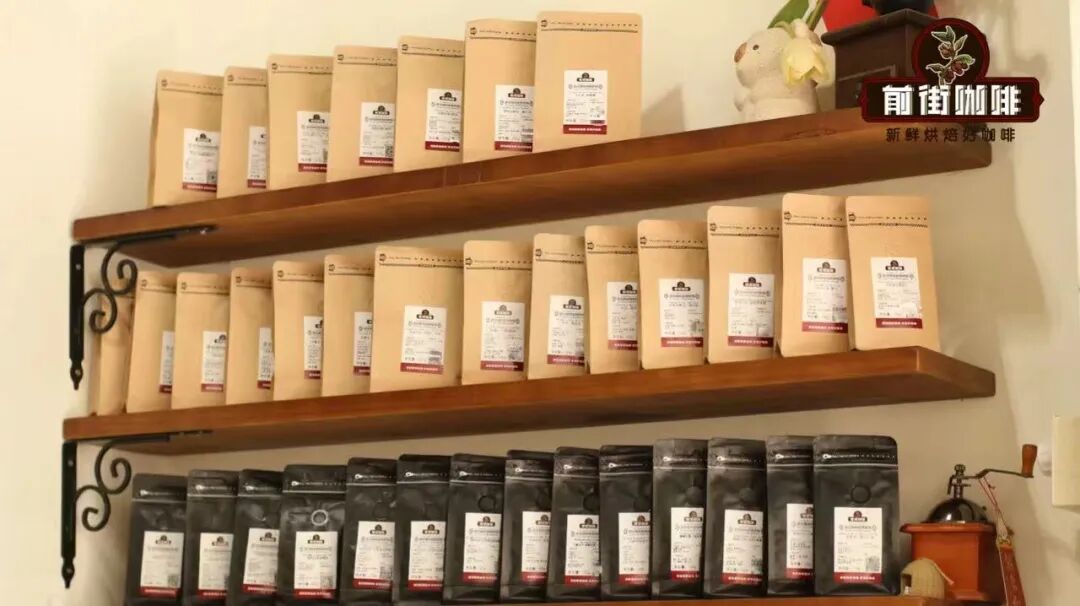
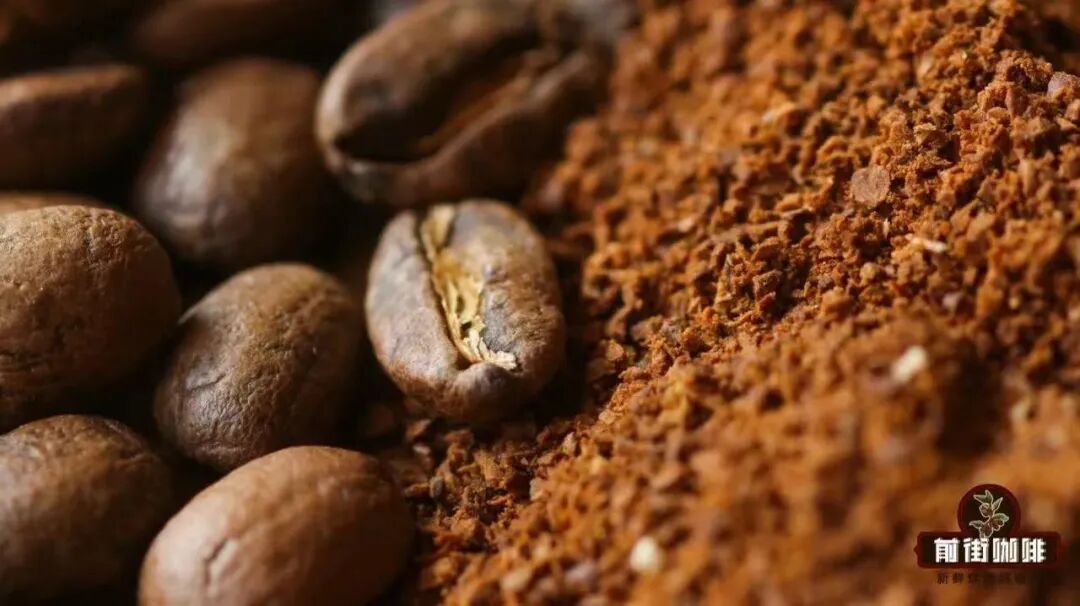
Finally, about whether to buy pre-ground or whole beans—if possible,it is recommended to purchase whole beans and grind them yourself. Once coffee beans are ground, their surface area increases significantly, accelerating the evaporation of aromatic compounds. If not used immediately, the flavor will deteriorate quickly. Therefore, unless you’re traveling or lack a grinder, grinding beans just before brewing will preserve the maximum aroma and complexity. (Image: Storage differences between ground and whole beans)
In summary, when selecting coffee beans, consider five aspects: bean type (Arabica or Robusta), single-origin or blend, roast level, freshness, and grind style. Additionally, avoid buying too much at once to prevent beans from surpassing their optimal flavor window before use. For storage, ensure beans are kept sealed, away from light, in a cool, dry place to prolong their flavor shelf life. Mastering these basics will give you more confidence in picking the right beans and enjoying a richer coffee experience.
The above content is compiled by CoffeeHunters, a coffee news website.

