








Introduction:Have you ever wondered why Robusta beans are rarely found in specialty coffee? This article takes an in-depth look at the unique characteristics of Robusta coffee—from its flavor profile and chemical composition to its practical applications—helping you understand this often misunderstood coffee variety. Beyond uncovering the secrets behind its high caffeine content and bold taste, we also explore its crucial role in espresso blends and the cultivation of new varieties.
When it comes to coffee, most people first think of the delicately flavored Arabica variety, which is the mainstream choice in specialty coffee shops. However, Robusta, as one of the world’s three major coffee species, though less common in the premium coffee market, holds unique value that should not be overlooked. Gaining a deeper understanding of this often-neglected variety can give you a more comprehensive perspective on the world of coffee.
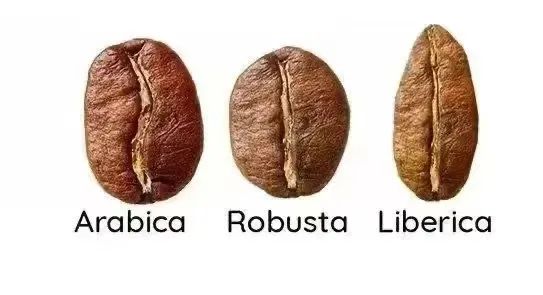
Robusta actually belongs to the Canephora species, but due to market convention, people commonly refer to the entire Canephora species simply as "Robusta." The fate of this variety largely depends on its flavor profile—if a cup of coffee emits noticeable potato-like or earthy off-notes, it’s hard to gain a foothold in the flavor-focused specialty market. For this reason, Robusta is commonly found in commercial bulk trading or instant coffee products. Its flavor profile typically lacks the floral and fruity aromas characteristic of Arabica, and instead often features cereal or woody notes, and occasionally even unpleasant sharpness.
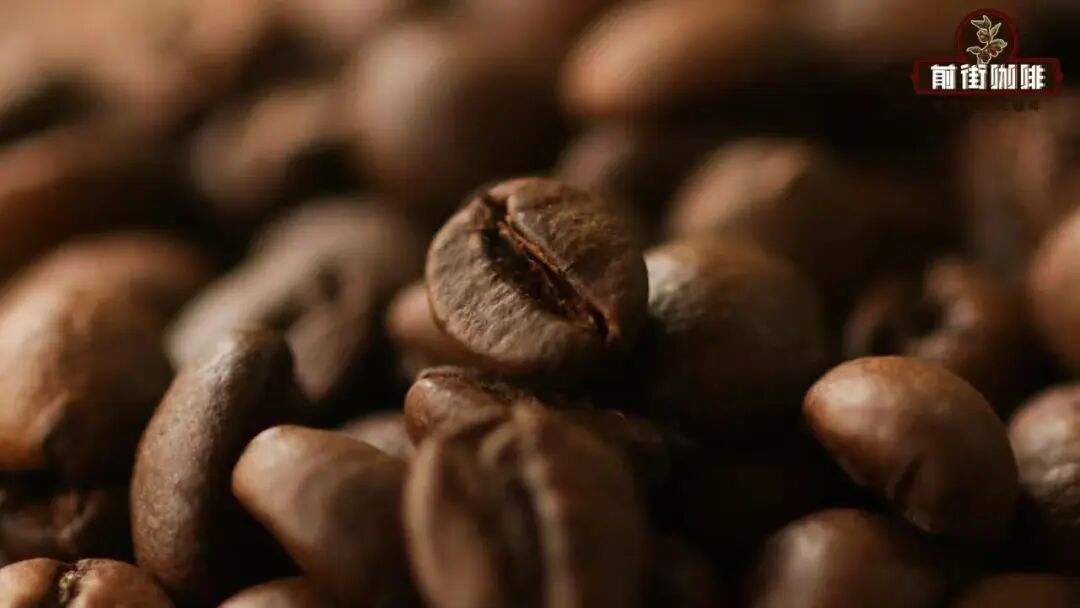
From a chemical composition analysis, Robusta contains significantly higher caffeine levels than Arabica, which is one of the reasons for its stronger stimulant effect. Notably, it is also rich in chlorogenic acid—a compound that decomposes into caffeic acid and quinic acid depending on roasting temperature. When extraction temperatures are below 80°C or above 85°C, quinic acid releases a pronounced bitterness, while caffeic acid contributes noticeable acidity. The combination of the two forms the intense flavor characteristics unique to Robusta. In contrast, Arabica has only about half the caffeine and chlorogenic acid content of Robusta, which explains why its flavor is generally more balanced and milder.

Many people hold biases against Robusta, considering it a "low-grade" coffee. But in reality, this variety holds an irreplaceable position in professional applications. Take espresso, for example—in some regions of Italy, roasters add a small amount of Robusta to their blends to enhance the body and crema of the espresso. When this highly concentrated coffee is combined with milk, it can create a richer layering of textures. The key lies in precise control of the ratio—typically, it’s recommended that Robusta make up no more than 20% of the blend, so as not to overpower the aroma characteristics of other coffee beans.
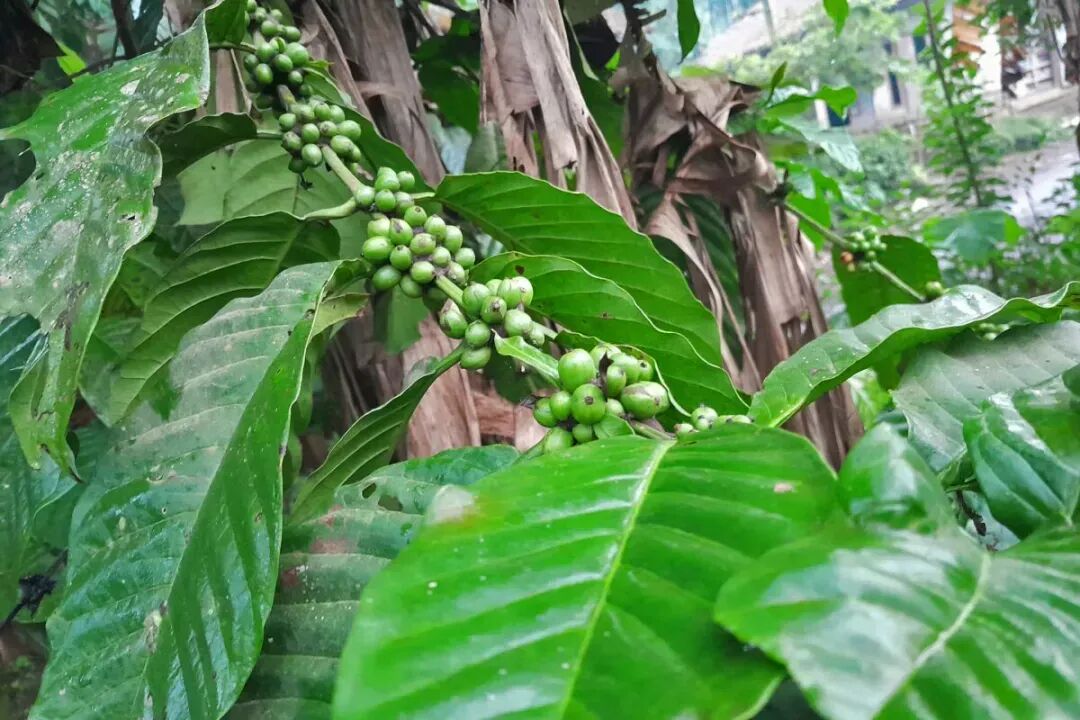
From an agricultural perspective, Robusta demonstrates exceptional environmental adaptability. Its disease resistance and drought tolerance are significantly better than those of Arabica, and its yield per unit is also higher. These traits make it an ideal parent variety for researchers developing new cultivars. By crossing it with Arabica, scientists are striving to develop new generations of beans that combine excellent flavor with strong resilience. This practical value is a key reason why Robusta continues to play a role in the global coffee supply chain.
In summary, although Robusta may not be suitable for solo tasting, its unique chemical makeup and practical characteristics secure it a place in the professional coffee field. Understanding the traits of this variety not only helps consumers make wiser choices, but also allows us to appreciate the wisdom behind the diversity of coffee agriculture. The next time you see this name on a coffee label, you might just have a whole new perspective.
The above content is compiled by CoffeeHunters, a coffee news website.

