







Introduction:Have you ever received a bag of Ethiopian coffee beans only to find that the beans vary greatly in size and appearance, making you wonder if they’re defective or mixed? In fact, this is a common characteristic of Heirloom varieties. This article dives deep into why Ethiopian coffee beans come in such a wide variety of types and appearances, what Heirloom means, and how it contributes to unique flavors—helping you better understand how to select and appreciate these treasures from the birthplace of coffee.
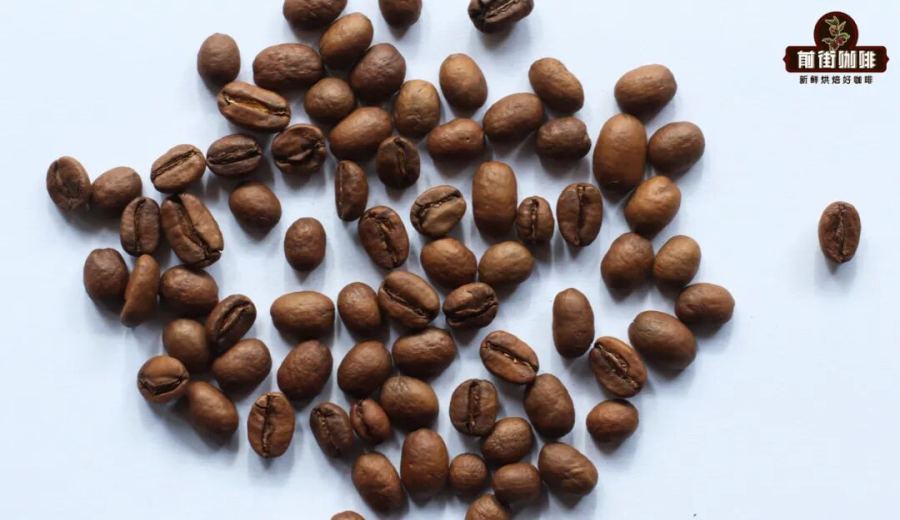
“Boss, why are the beans in this bag so uneven in size? Each one looks kinda unique...” Many customers often raise such questions to customer service after receiving Ethiopian coffee beans purchased online.
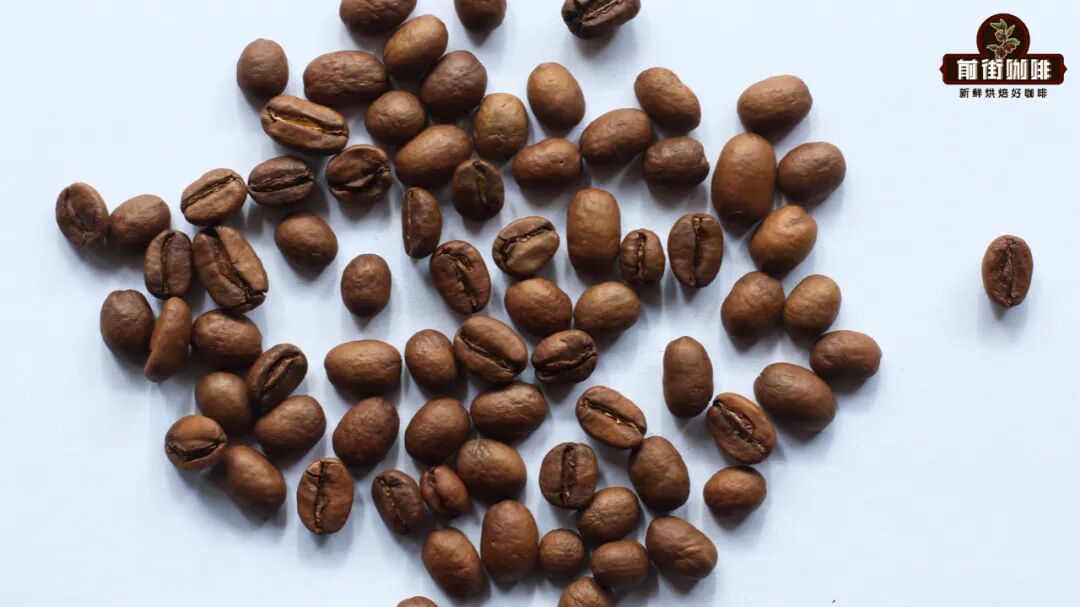
Upon closer inspection, these coffee beans not only differ in size but also in shape, seemingly coming from different varieties. This phenomenon often leads people to suspect that defective beans or other varieties might have been mixed in. In reality, this is a very normal occurrence for Ethiopian coffee, and the key reason lies in the fact that many of them belong to the ‘Heirloom’ variety.
Why do Ethiopian coffee beans look so varied? Aside from well-known named varieties like Geisha and the 74/75 series, the variety field for many beans from Ethiopian growing regions is often labeled as ‘Heirloom.’ This term translates literally to ‘heirloom’ and is commonly referred to as ‘native variety’ in Chinese. The reason these beans look so different is precisely because Heirloom is not a single variety, but rather a collective term for the many wild and traditional coffee varieties in Ethiopia that have not yet been fully classified or named.
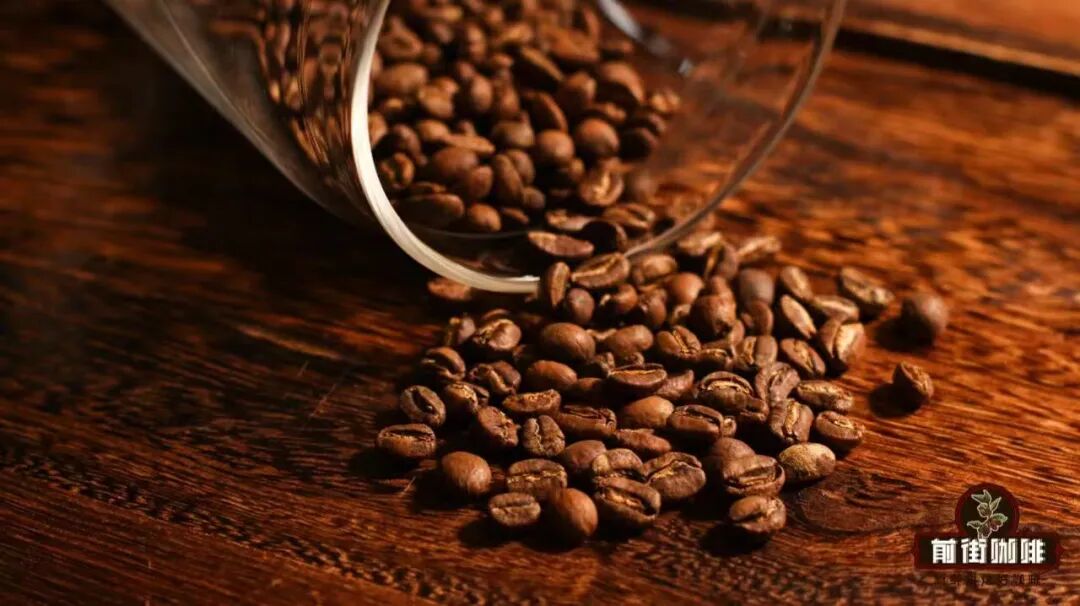
As the birthplace of coffee, Ethiopia boasts an extremely rich coffee gene pool. In addition to internationally recognized varieties such as Typica, Bourbon, and Geisha, there are thousands of unnamed wild or semi-wild coffee tree species in the region. These varieties may be scattered across forests, mountainous areas, farmlands, or even backyards, growing together in a mixed fashion, with some not even yet discovered or classified by the scientific community.
The term ‘Heirloom’ is used to collectively refer to these numerous unclassified coffee varieties originating from Ethiopia. Due to the diverse geographical environment and the fact that most coffee farmers are small-scale, family-run operations, many coffee beans are harvested from surrounding forests, roadside plants, or home-grown trees, then sent to local processing facilities. However, during processing, the beans are usually not sorted by variety, resulting in a final export product where beans from different plants—with varying appearances—are all sold under the unified name of ‘Heirloom.’
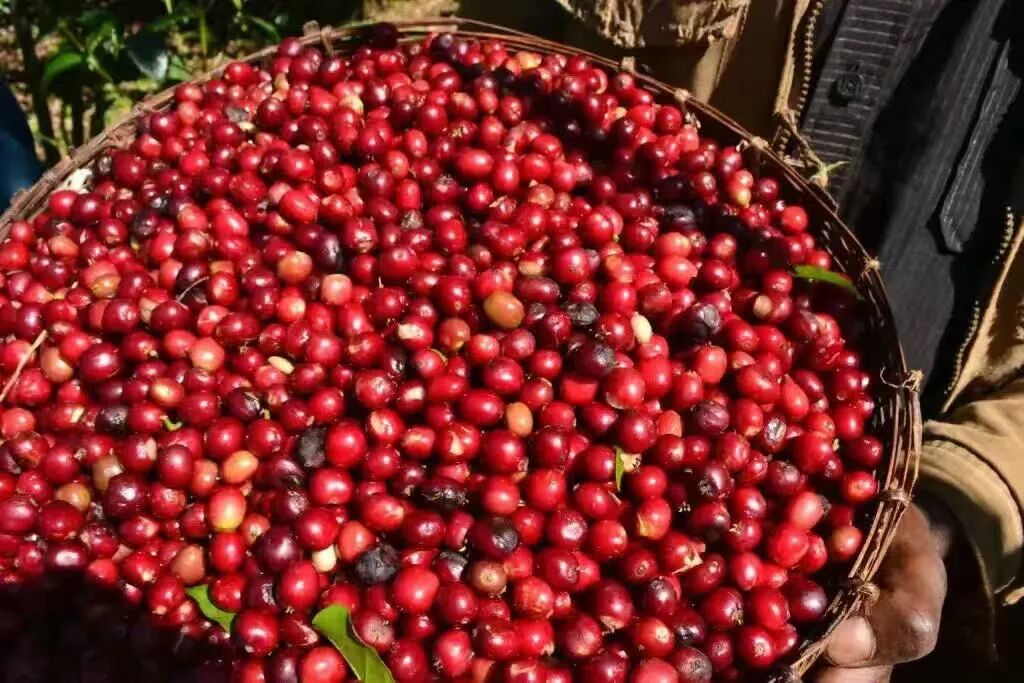
Therefore, when you find a bag of Ethiopian coffee beans where the size and shape of the beans vary greatly, it’s likely a Heirloom batch made up of dozens or even hundreds of different varieties. Such coffee is not defective, nor is it a case of merchants mixing in other beans—it represents a collection of coffees grown in various micro-environments within a region. While blending multiple varieties may dilute the characteristics of a single variety, it can also bring a richer, more layered flavor profile.
More importantly, this type of coffee still falls under the category of ‘single origin coffee,’ not ‘blend coffee.’ Single origin refers to coffee beans from the same growing region and harvest season, and they don’t necessarily have to be from a single variety. Because coffee, as an agricultural product, has flavors that are deeply influenced by environmental factors such as altitude, climate, and soil, forming what is known as the ‘regional flavor.’
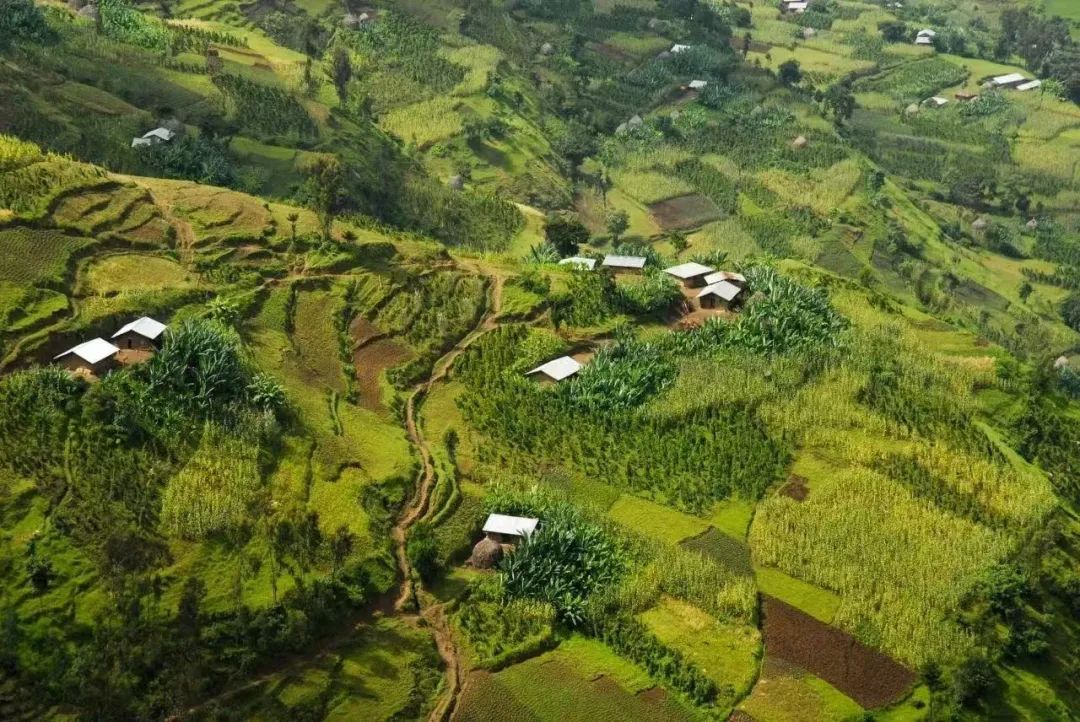
For example, a coffee brand’s offering of ‘Ethiopia · Huakui’ is a Natural Heirloom coffee from the Guji region. This bean often exhibits distinct citrus, berry, strawberry, and even creamy aromas and flavors—characteristics bestowed by the unique terroir of the region. Similarly, another coffee, ‘Yirgacheffe · Guodingding,’ is also of the Heirloom variety. Although it can’t be broken down into a single variety, the white floral, fresh lemon, and citrus notes it emits are the unique flavor expressions shaped by the microclimate and growing environment of the area.
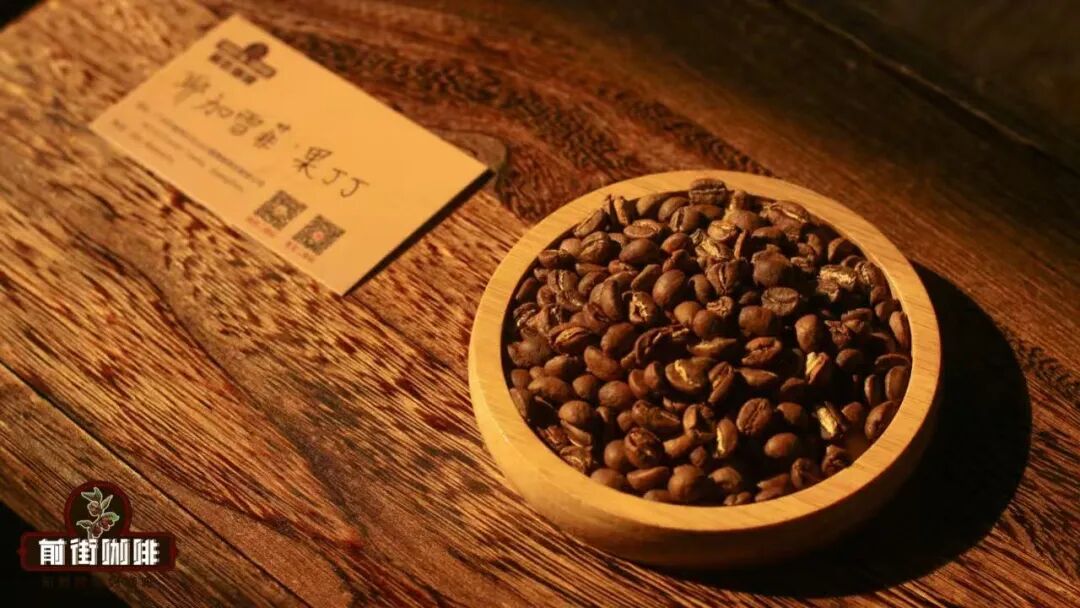
In summary, the reason Ethiopian Heirloom coffee beans vary so much in appearance and size reflects the region’s rich biodiversity and traditional farming culture. Understanding this can help you better appreciate the unique flavors of these beans from the birthplace of coffee when selecting and tasting them, and also allow you to better cherish the natural and human stories behind each cup.
The above content is compiled by CoffeeHunters, a coffee news website.

