







Introduction:Many coffee enthusiasts turn to decaffeinated coffee due to caffeine sensitivity or a desire to reduce intake. But how is caffeine removed from decaf coffee? Can it still be considered specialty grade? Does drinking decaf really not affect sleep? This article delves into the history, decaffeination methods, flavor characteristics, and roasting essentials of decaf coffee to help readers make more informed choices.
For many people, starting the day with a cup of coffee has become a daily ritual. However, as the coffee market becomes increasingly refined—beyond diverse brewing methods, coffee types have also become more segmented—one special category is decaffeinated coffee. For those sensitive to caffeine, prone to insomnia, or aiming to control their intake, decaf coffee offers a viable alternative.
Many consumers often wonder: how is decaf coffee actually made? Can it achieve specialty grade? If made from high-quality Arabica beans, does it still deliver outstanding flavors? Below, we will explore the world of decaf coffee—from its historical background to modern technology—to fully analyze the charm and challenges of this unique type of coffee.
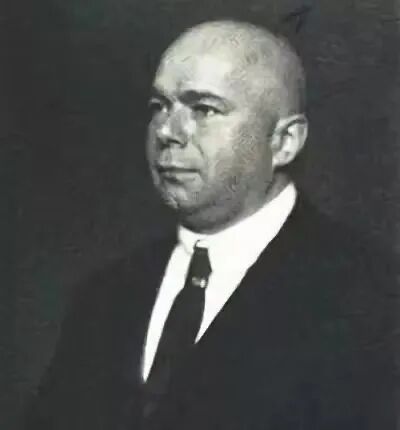
There’s an interesting anecdote about the origin of decaf coffee. It’s said that the famous German poet Goethe, though passionate about coffee, struggled with insomnia after drinking it. To solve this problem, he asked his chemist friend Runge to analyze the components of coffee beans to identify the culprit behind his sleeplessness. Around 1820, Runge successfully identified the key substance as caffeine and developed a preliminary method for its separation, marking him as a pioneer in decaf coffee. However, the technology at the time couldn’t enable mass production. It wasn’t until 1903 that German importer Ludwig Roselius discovered that soaking coffee beans in seawater significantly reduced their caffeine content. He assembled a team of chemists to conduct in-depth research, eventually making decaf coffee viable for mass production.
So-called decaf coffee is short for “decaffeinated coffee,” referring to coffee with significantly reduced caffeine content. Although termed “decaf,” it isn’t entirely caffeine-free. Current mainstream technologies can remove about 97% of the caffeine in coffee beans, with residual amounts typically below 0.1 grams per 100 grams—still an extremely small quantity. Compared to regular coffee, its stimulation to the human body is markedly lower.
The reason caffeine is so widely favored is mainly due to its stimulating effect. This central nervous system stimulant helps people stay awake, improves concentration, and can even aid in pain relief. In fact, the demand for decaf coffee emerged as early as the early 20th century—for example, the German brand Kaffee Hag was the world’s first company to launch decaf coffee. However, consumer acceptance was low at the time, and it wasn’t until after World War II, with the rise of Robusta beans (which contain higher caffeine levels), that more people sought decaf alternatives.
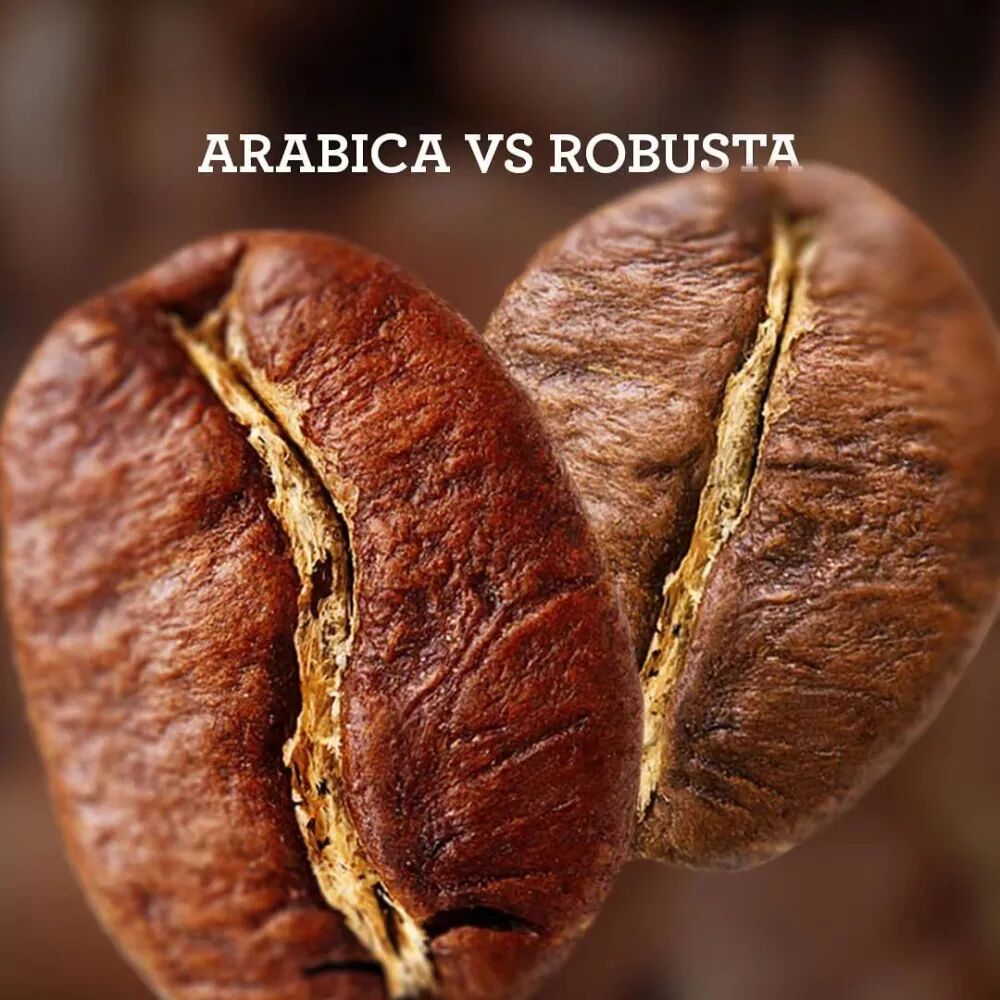
The global coffee market is dominated by Arabica beans (Coffea arabica), accounting for about 60%, known for their rich aroma and layered flavors, often used in specialty coffee production. In contrast, Robusta beans (about 40%) have stronger, more bitter flavors and are mostly used in instant coffee or blends. Notably, Arabica beans contain about 1.2–1.5% caffeine, while Robusta beans contain as much as 2.2–2.7%. The increased use of Robusta after the war, along with its high caffeine content, also prompted the market to develop more decaf products to meet the needs of different consumers.
The process of removing caffeine is commonly referred to as the “extraction method” and is primarily divided into three categories: solvent extraction, carbon dioxide processing, and water processing. Before formal treatment, green beans need to absorb moisture to separate caffeine from chlorogenic acids, enabling effective extraction of caffeine molecules.
Solvent extraction can be further divided into direct and indirect methods. The direct method involves steaming green beans and then directly soaking them in a solvent to dissolve out the caffeine, followed by the removal of the solvent and moisture. The indirect method first uses hot water to extract caffeine and flavor compounds, then mixes the water with a solvent to transfer the caffeine to the solvent, and finally re-infuses the flavor compounds back into the beans. After washing and drying, the process is complete.
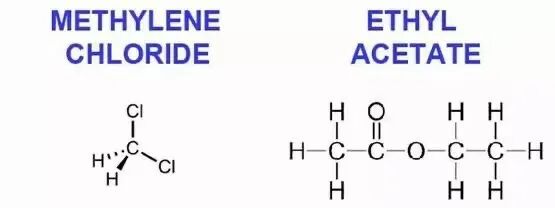
Early solvent extraction methods commonly used dichloromethane, which has a low boiling point (around 39.6°C), is volatile and non-flammable, and offers high extraction efficiency. However, due to environmental and health concerns, it has gradually been phased out. Ethyl acetate, which naturally occurs in many fruits, was then introduced as a safer alternative and was approved for use by the U.S. FDA in 1982, though its residual standards have yet to be clearly defined.
The carbon dioxide processing method uses high-pressure liquid CO₂ as the extraction medium. After soaking the coffee beans in hot water, supercritical CO₂ is used to extract the caffeine, and then the CO₂ is returned to its gaseous state. This method is low in human burden and achieves a relatively high caffeine extraction rate, but it is also relatively expensive.
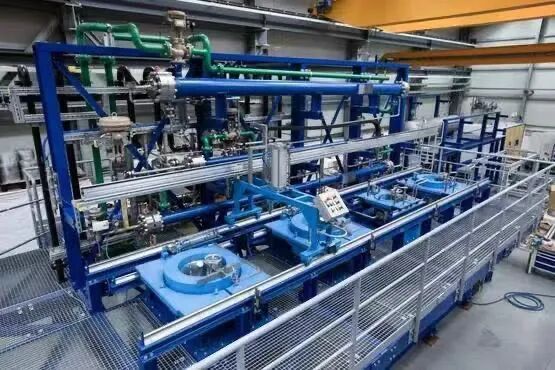
The most well-known water processing method is the Swiss Water Process, developed by a Canadian company. This method involves soaking green beans in hot water and using activated carbon to filter out the caffeine, then reinjecting the decaffeinated solution to retain flavor compounds. This process doesn’t require chemical solvents, and the solution can be reused, but some flavor may still be slightly lost, and the processing cost is relatively high.
Another more specialized method is the mountain spring water process, which uses glacial water as the extraction medium. Special filtration devices remove caffeine while retaining solid substances in the coffee for reuse. This method also avoids chemical solvents and is favored by some health-conscious consumers.
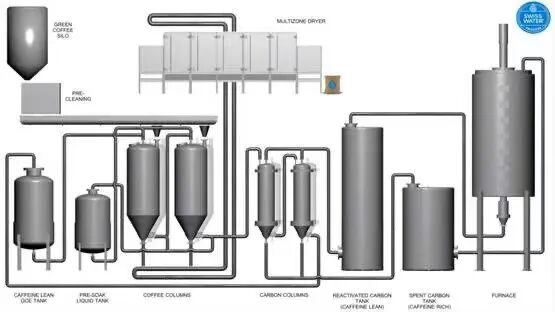
Can decaf coffee be classified as specialty coffee? This has always been a focal point of industry debate. Since the decaffeination process inevitably leads to the loss of some key flavor compounds, many consumers perceive decaf coffee as having a blander taste. In fact, using low-quality beans combined with solvent-based processing is more likely to result in subpar flavors. However, if high-quality Arabica beans are selected and gentler techniques such as the Swiss Water Process are used, it is still possible to produce decaf specialty coffee with excellent flavors. That said, such processing is costly and less commonly seen on the market.
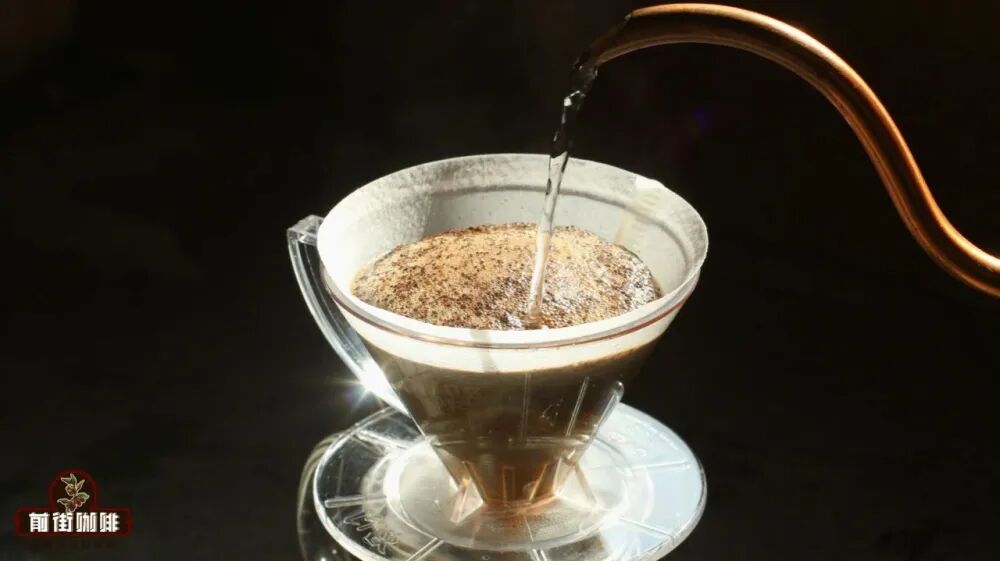
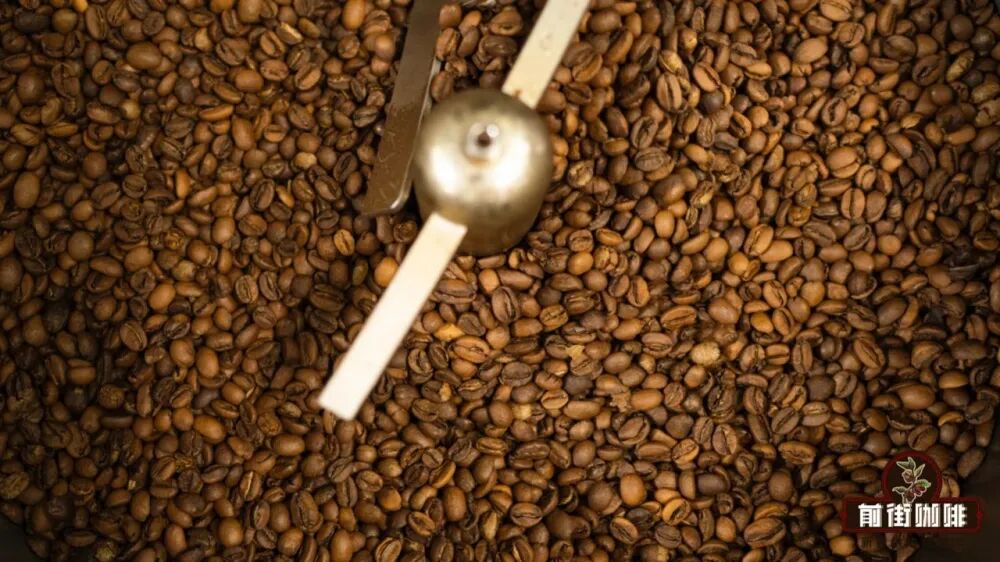
As for the roasting of decaf coffee, it also differs from regular coffee. Since the decaffeination process alters the internal structure of the beans, roasting must be more gentle. It’s recommended to use a lower and slower heating curve to avoid over-development. As first crack approaches, caramelization levels need to be carefully controlled to bring out the best sweetness. Additionally, decaf beans retain heat less effectively, so roasters must adjust boiler preheating times and bean quantities to precisely manage the development stage. Experience shows that extending roast time and lowering the peak temperature help accumulate appropriate sweetness and complexity before first crack, ultimately delivering a balanced and evening-friendly decaf coffee.

In summary, although decaf coffee has significantly reduced caffeine content, it still faces flavor challenges during production. Choosing appropriate processing techniques and roasting methods can effectively enhance its quality. For consumers concerned about sleep impact or wishing to reduce caffeine intake, as long as the right product is chosen, decaf coffee can still provide a satisfying coffee experience.
The above content is compiled by CoffeeHunters, a coffee news website.

