







Introduction:Jamaican Blue Mountain coffee is hailed as the "Emperor of Coffee," yet many first-time tasters wonder where its legendary charm lies. This article delves into the history of Blue Mountain coffee, its rigorous grading system, the unique island-growing terroir, and how the washed processing method creates its balanced and mellow flavor. It also shares expert pour-over brewing tips and the coffee’s special bond with the Japanese market, offering a comprehensive understanding of the essence of this iconic bean.
In the world of specialty coffee, Jamaican Blue Mountain has always held a mythic status. Many coffee enthusiasts make special trips to renowned shops just to try this legendary bean once crowned the "Emperor of Coffee." However, upon the first sip, many are left puzzled—slightly furrowed brows, narrowed eyes—as if searching for some anticipated wow moment. In truth, the allure of Blue Mountain coffee doesn’t lie in exaggerated bold flavors, but in its strict origin controls, unique natural conditions, and classic washed processing.
The rise of Blue Mountain coffee wasn’t an overnight success. As early as 1728, then-Jamaican Governor Nicholas Lawes introduced coffee to the Blue Mountains, but it wasn’t until the 1950s that the coffee truly began its "journey to royalty." In 1952, the Jamaica Coffee Industry Board was elevated to the Jamaica Coffee Industry Council (CIB), the body responsible for setting stringent coffee production standards and quality oversight. As an island nation, Jamaica has limited areas suitable for coffee cultivation and can’t compete on volume, so it opted to develop along the path of specialty coffee—laying the foundation for Blue Mountain’s lofty status in later years.
CIB implemented extremely detailed grading for Blue Mountain coffees, evaluating factors such as bean size, color uniformity, defect rate, and moisture content, ensuring each batch meets high standards. More uniquely, through cupping, CIB discovered that only beans from specific regions within the Blue Mountains could exhibit the most exceptional flavor and mouthfeel. Thus, it strictly stipulated that only coffee from these areas could be labeled "Blue Mountain Coffee," while others could only be sold as "Jamaica High Mountain Coffee" or "Jamaica Prime Coffee."
In terms of cultivation and processing, Jamaica has consistently used the Arabica Typica variety, which yields less but offers more elegant flavors, and employed the washed processing method. This method effectively reduces defects and improves overall quality. While most producing regions at the time focused primarily on yield with relatively loose quality control, Blue Mountain’s meticulous approach helped it stand out early on and become a market leader.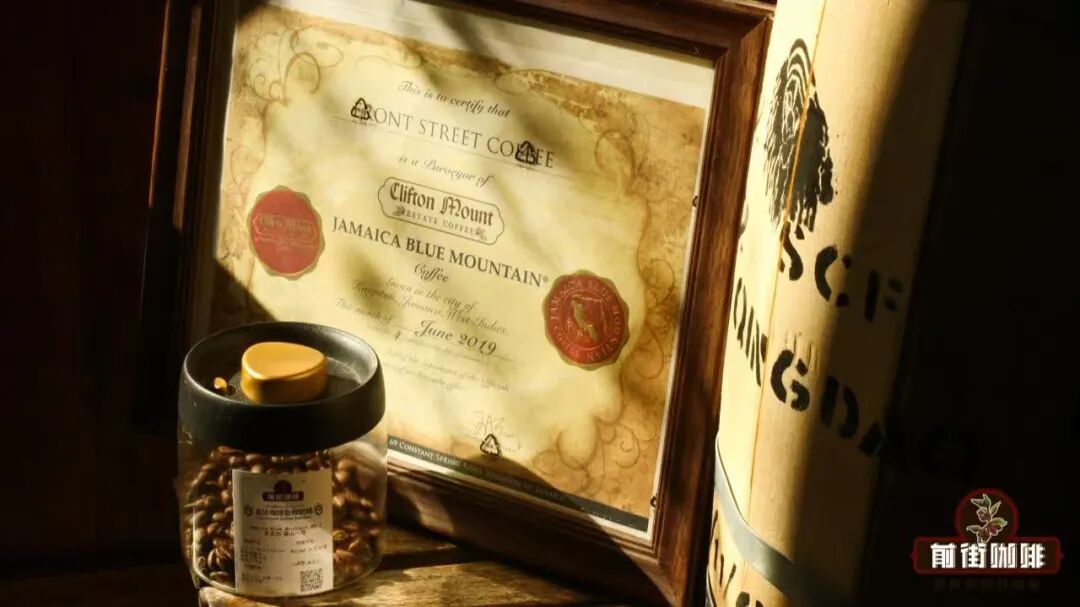
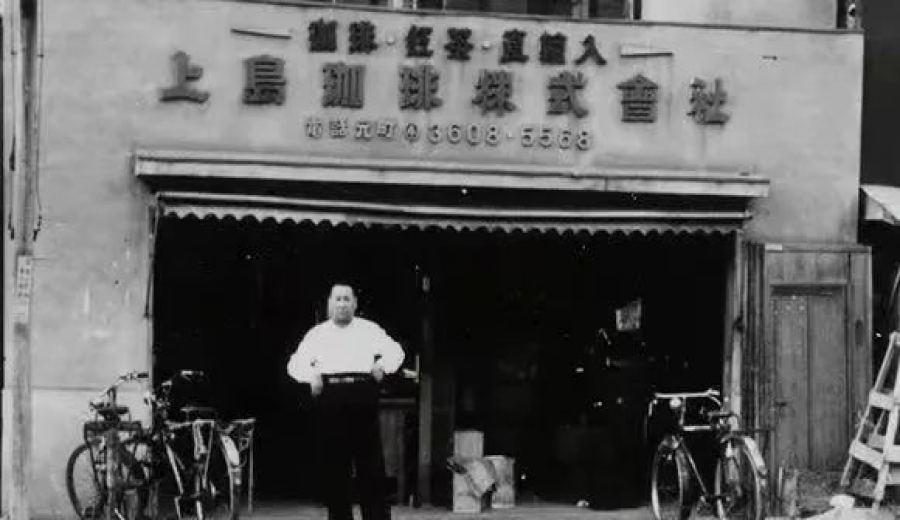
However, the development of Blue Mountain coffee also faced a major setback. In the late 1960s, Hurricane Gilbert, a Category 5 storm, swept through Jamaica, nearly paralyzing the coffee industry. With financial aid from several Japanese trading companies, the industry managed to recover. In gratitude, the Jamaican government signed a 30-year contract with Japan in 1972, stipulating that for the next 30 years, 90% of Blue Mountain coffee production would be prioritized for the Japanese market, with the remaining 10% allocated to other countries. Due to its inherently scarce supply and Japan’s exclusive access, the rarity and value of Blue Mountain coffee soared rapidly. Coupled with marketing efforts in Japan, it became the dream coffee for enthusiasts worldwide.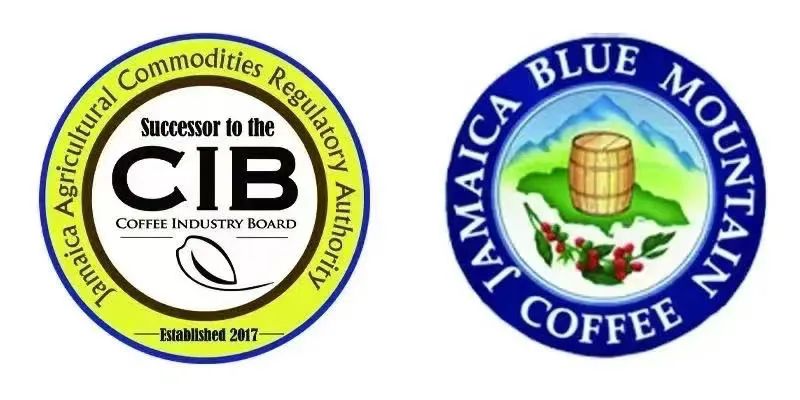
Today, Blue Mountain coffee is no longer exclusive to Japan, yet its exceptional quality remains unchanged. Sipping a genuine cup still allows one to feel the presence of the former "Emperor of Coffee." Its unique flavor stems from Jamaica’s distinctive island climate and fertile volcanic soil. The Blue Mountains lie within the "coffee golden belt," enjoying year-round humid weather and moderate temperatures, with a cloudy, rainy environment providing ideal growing conditions for coffee trees. The island climate also brings growth advantages beyond those of typical regions, enabling Blue Mountain coffee to shine among its peers at similar altitudes.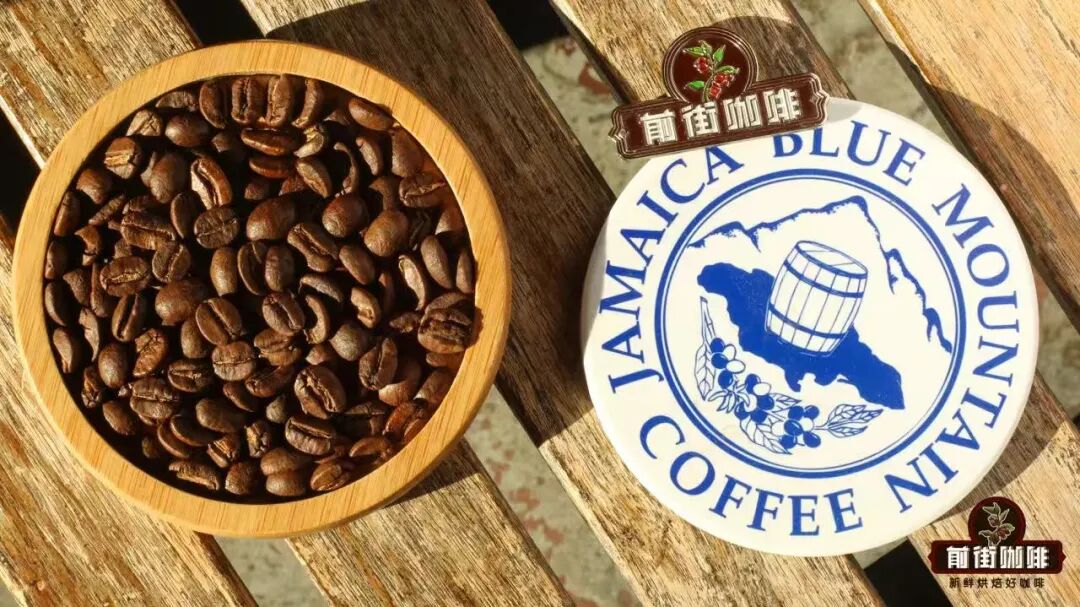
The Jamaica Coffee Industry Council (CIB) further enhances the quality of Blue Mountain coffee through strict management systems. These combined factors result in three prominent characteristics of Blue Mountain coffee: an ultimate balance in taste, exceptional smoothness in mouthfeel, and a uniquely elegant aroma. These traits present a hard-to-replicate layering when sipped.
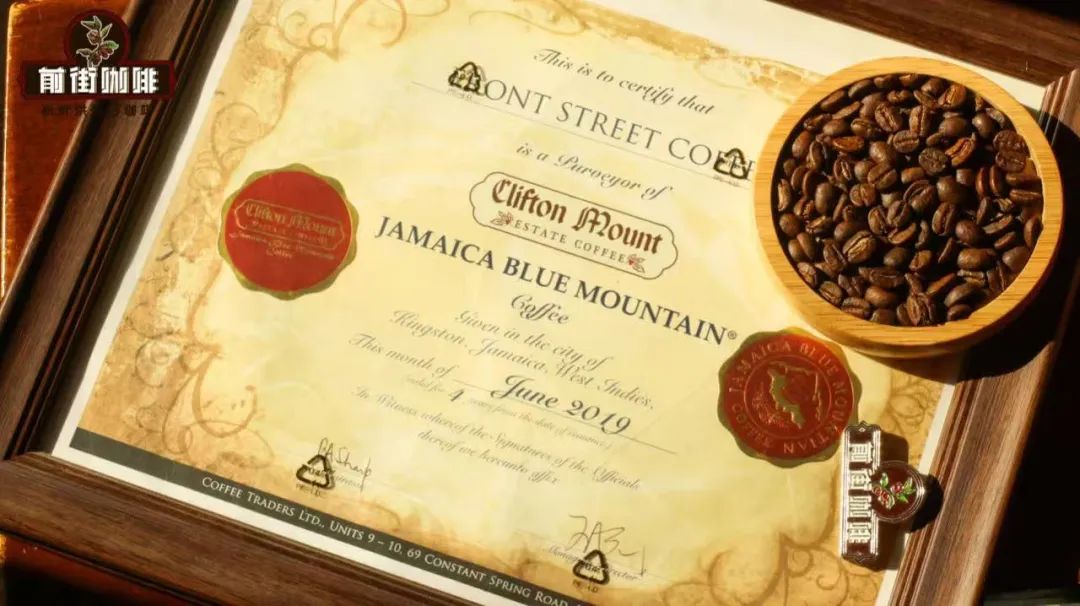
Take Clifton Mount Estate’s Blue Mountain coffee as an example. This estate is not only one of the earliest coffee-growing regions in Jamaica but also the only one locally certified by the Rainforest Alliance, with its export packaging bearing the tree frog logo symbolizing environmental protection and sustainability. The estate’s Blue Mountain coffee is No.1 grade, grown at an altitude of 1,300 meters, processed using traditional washed methods, and of the Blue Mountain Typica variety.
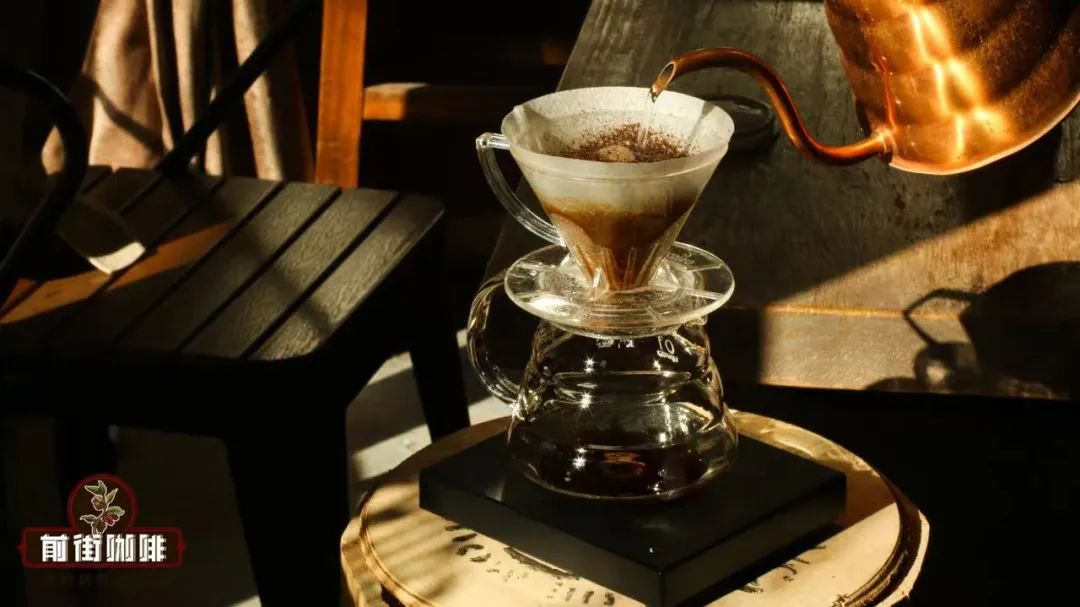
In terms of flavor profile, this coffee exhibits the classic notes of dark chocolate, nuts, and cream, with a well-balanced acidity, sweetness, and bitterness. The flavors are released gently without being overpowering. Recommended pour-over parameters are as follows: 15g coffee, 1:15 coffee-to-water ratio, 90°C water temperature, using a 20-mesh sieve to achieve 75% grind coarseness, employing a three-pour technique with a Kono filter, for a total brew time of about 2 minutes. These settings fully bring out the delicate layers and rich mouthfeel of Blue Mountain coffee.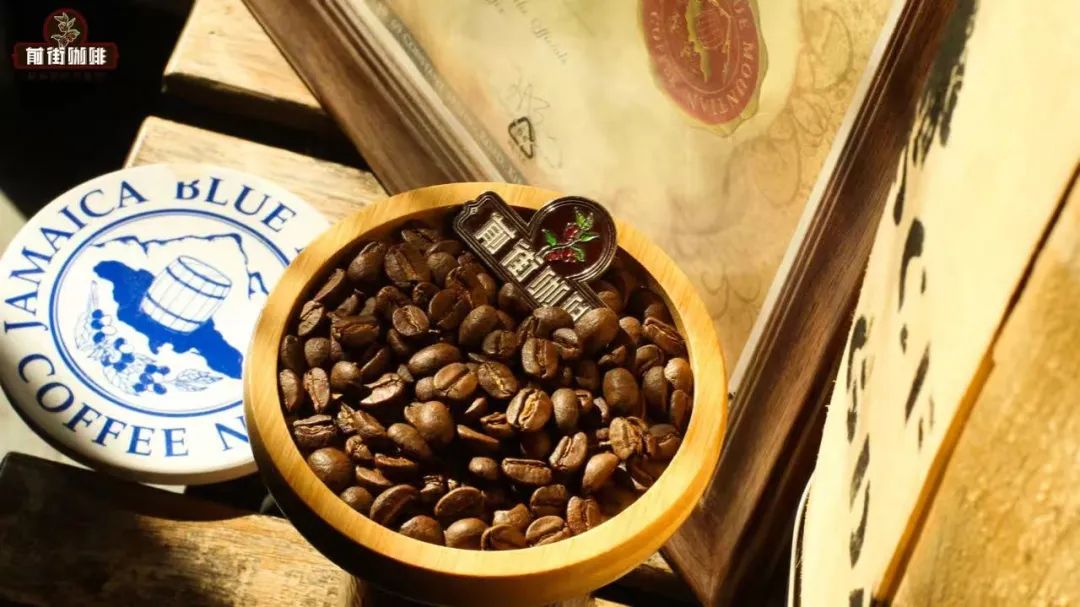
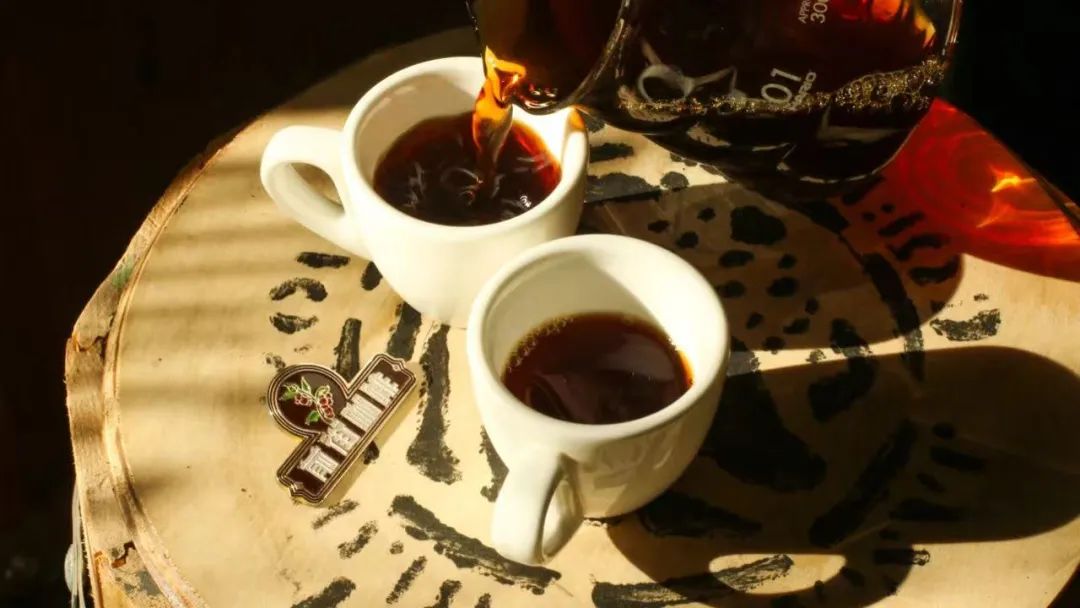
Upon actual tasting, the first impression is the impeccable balance of acidity, sweetness, and bitterness, complementing each other without clashing. Then, the classic notes of dark chocolate, nuts, and cream emerge clearly, with a smooth and layered flavor presentation. The mouthfeel is rich and silky, with a comfortable aftertaste. Upon swallowing, the finish is long-lasting, and with careful attention, one can even catch that unique touch of refined fragrance. Overall, it’s a classic coffee worth savoring slowly—whether you’re a beginner or a seasoned coffee connoisseur, there’s enjoyment to be found.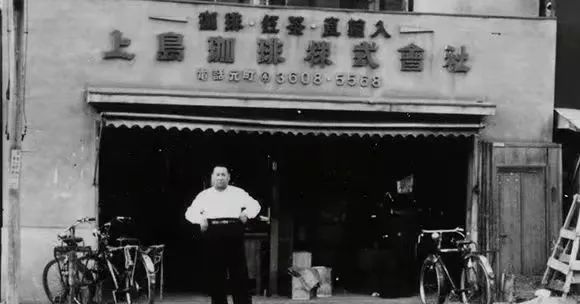
In summary, the charm of Jamaican Blue Mountain coffee lies not only in its legendary historical background and rare value but also in its strict origin management, exceptional natural conditions, and the classic washed process that together shape its outstanding flavor. With the correct pour-over method, its balanced, smooth, and elegant qualities are fully revealed, making every cup an unforgettable coffee experience.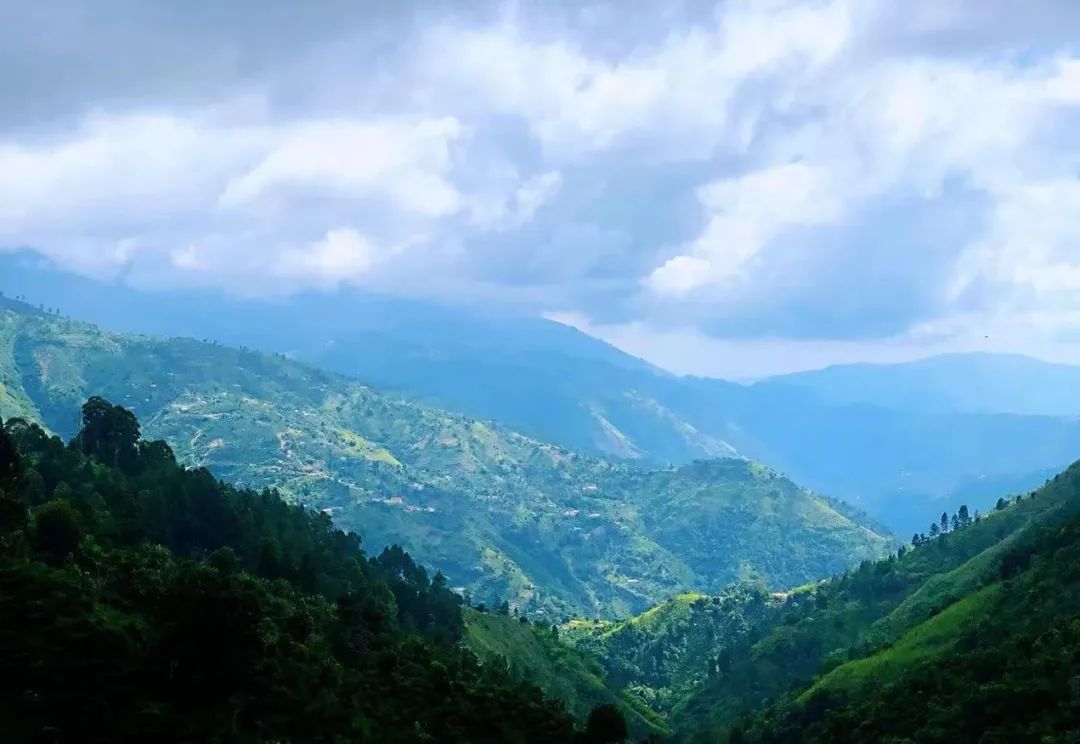
The above content is compiled by CoffeeHunters, a coffee news website.

