







Category: Coffee Knowledge
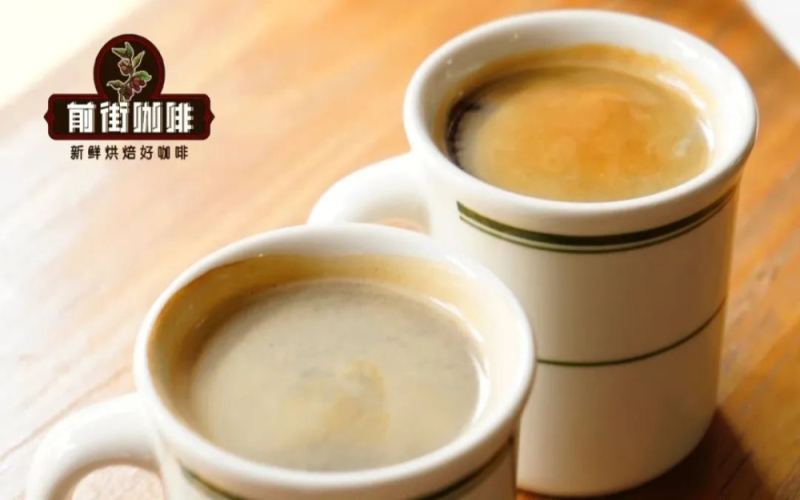
How to tell apart latte, cappuccino, and flat white? Master the differences in extraction, milk foam, and ratios all at once
Latte, cappuccino, and flat white—these three classic Italian-style milk coffees, although all based on espresso and milk, each have their own subtle differences in extraction ratio, milk foam thickness, and overall flavor. This article will delve into the historical origins of the three drinks, their milk-to-coffee ratios, milk foam preparation techniques, and brewing recommendations, helping you distinguish them from a professional perspective and master little tips to brew café-quality flavors at home. [more…]

The Complete Guide to Milk for Coffee: Fresh Milk, Room-Temperature Milk, Soy Milk – How to Choose? Pairing Tips for Latte, Flat White & Dirty
In coffee beverages, milk is not only key to enhancing flavor but also the soul of latte art and texture. However, with the wide variety of dairy products on the market—fresh milk, pure milk, soy milk, and more—which one is best for making lattes, flat whites, or dirty coffees? What’s the difference between whole milk and low-fat milk? How do baristas choose the most suitable milk based on roast level? This article starts with the characteristics of milk and coffee beans to help you master the selection logic and practical pairing techniques for milk in coffee. [more…]
Complete Guide to Making Milk Foam for Coffee Latte Art: From Principles to Steam Frothing Techniques
Want to make smooth, stable, and latte-art-friendly milk foam at home, but always struggle with issues like wrong thickness, separation of layers, or inability to shape it? This guide breaks down the fundamental principles behind milk foam formation in an easy-to-understand way, and explains the three key elements of steam frothing—milk, steam, and the pitcher—in detail. It will help you master practical details such as temperature control, foam ratio, vortex technique, and fusion judgment. Whether you're using an espresso machine or other tools, you’ll find suitable practice methods here. [more…]
Essential for Coffee Beginners: The Principles of Steam Frothing, Tool Selection, and Latte Art Pouring Techniques
Want to brew a delicate latte or cappuccino at home? Frothing milk is a key foundational skill. This article provides an in-depth analysis of the two main stages of milk frothing, compares the pros and cons of various frothing tools, and thoroughly breaks down the full process of using a coffee machine’s steam wand to froth milk. From milk temperature and fat content, to the characteristics of the steam tip, to pitcher selection, insertion angle, and listening to identify proper positioning — we’ll guide you step-by-step in mastering professional-grade milk texture and pouring techniques, helping you consistently produce smooth microfoam and improve your latte art skills. [more…]
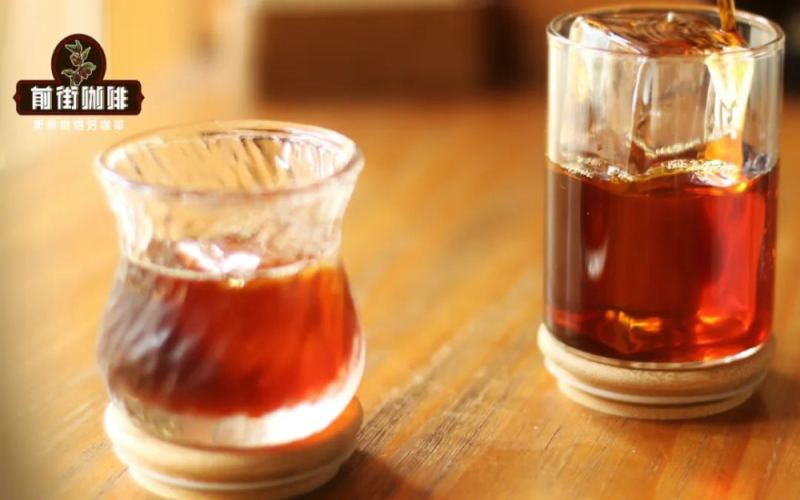
Beginner's Guide to Pour Over Iced Mandheling: Extraction Parameters and Steps for Golden Mandheling
Want to brew a richly flavored, non-bitter iced pour over coffee at home? This guide uses dark roasted Golden Mandheling as an example to thoroughly explain how to adjust the coffee-to-water ratio, ice proportion, and pouring technique to preserve the intense chocolate, maple syrup, and nutty aromas of the iced coffee, while maintaining a smooth and non-cloying mouthfeel. Follow the steps, and you can also enjoy a uniquely summer-appropriate cold brew coffee experience. [more…]

Essential Guide for Pour Over Beginners: Adjusting Grind Size, Coffee Dose, Water Temperature, and Extraction Parameters for Flavor Balance
If you want to brew a cup of coffee at home with a balanced acidity, sweetness, bitterness, and just the right strength, relying solely on a fixed recipe is far from enough. This article starts with coffee bean selection and delves into an in-depth analysis of three core parameters—grind size, coffee dose, and water temperature—teaching you how to flexibly adjust based on the condition of the beans and master the key to balanced extraction. It not only provides practical adjustment techniques but also shares specific troubleshooting ideas when concentration or flavor goes off balance, helping you establish a scientific and logical brewing correction method. Whether you're a beginner or an advanced enthusiast, you’ll benefit from it. [more…]

Comparison of Italian-style Black Coffees: Characteristics and Brewing Techniques of Americano, Long Black, and Lungo
Although Americano, Long Black, and Lungo in the family of Italian-style black coffees all use espresso as their base, they offer distinctly different flavor experiences due to variations in the method, order, and amount of water added. This article will delve into the origins, brewing steps, taste differences, and practical tips for each, along with professional brewing parameters, to help you find the black coffee that best suits your personal taste. [more…]
How to Brew Guatemalan Green Verna Coffee Beans? Flavor Profile & Pour Over Parameters of Finca Miravalle
Finca Miravalle in Guatemala’s Huehuetenango region is renowned for its washed Green Verna coffee beans. This hybrid blend of Bourbon, Catimor, and Caturra is grown at an altitude of 1,500 meters, showcasing unique notes of honey, wild ginger flower, and sugarcane sweetness. This article delves into the estate’s history, the terroir of the region, and offers practical insights on its flavor characteristics and pour over brewing recommendations to help you better understand this classic Central and South American coffee. [more…]

How to Make Americano Black Coffee? A Complete Guide to Its Origins, Espresso Parameters & Brewing Ratios
Americano black coffee is a daily choice for many coffee enthusiasts, but do you know how it evolved from Italian espresso and how to adjust it to your preferred taste? This article delves into the historical background and flavor characteristics of American coffee, and explains in detail the key parameters for espresso extraction and the ideal coffee-to-water ratio, helping you master professional-level brewing skills from a beginner level. [more…]
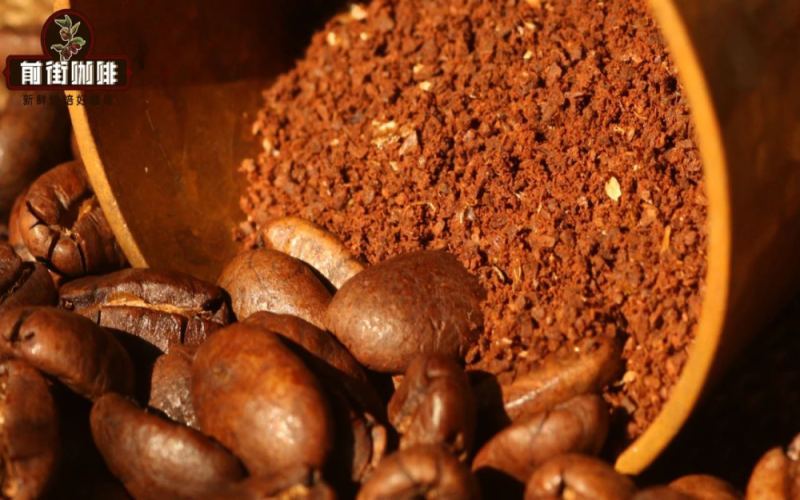
Freshly Ground Coffee Beans VS Pre-Ground Coffee: How to Choose? A Pour Over Flavor Preservation & Buying Guide
Faced with the choice between freshly ground coffee beans and pre-ground coffee, many coffee enthusiasts often hesitate between flavor and convenience. This article provides an in-depth analysis of the differences between the two in terms of aroma retention, freshness performance, and shelf life. From a professional perspective, it explains how to choose the most suitable type of coffee based on brewing methods, and offers practical storage tips to ensure every cup of coffee performs at its best. [more…]
Ethiopia Guji Hambela SLD Natural: The Secret to Sweetness and Richness
The Ethiopia Guji Hambela region processes coffee using a unique SLD (Single Layer Drying) slow natural fermentation method, producing high-quality natural beans with a full body and pronounced sweetness. Through single-layer spreading and precise drying over 18 days, this technique achieves a more balanced and complex flavor profile, making it especially appealing to pour over enthusiasts who enjoy mellow fruity notes. This article takes an in-depth look at how this process redefines what natural-processed coffee can be. [more…]

How to Choose the Right Coffee Cup Size? A Complete Guide to Cup Types and Flavor Profiles for Hot Latte, Iced Americano, and Flat White
Do you think a coffee cup is just a container? In fact, the cup type and capacity directly affect the release of aroma, the complexity of flavor, and even the heat retention of your coffee. From espresso to latte, different beverages have their ideal cup pairings. This article delves into the volume logic of three common coffee cup sizes—small, medium, and large—combines practical extraction parameters, and helps you understand which cup to choose for drinks like hot latte, iced americano, and flat white. It also reveals how the cup type influences the overall flavor experience of your coffee. [more…]

A Comprehensive Guide to Coffee Roast Levels: How to Choose Between Light, Medium, and Dark Roasts? Flavor Differences and Regional Pairing Guide
Roast level plays a key role in coffee flavor, yet it often puzzles beginners. This article dives deep into the definitions, flavor profiles, and suitable regions for light, medium, and dark roasts, and explains the reasoning behind roast decisions using classic beans such as Mandheling, Yirgacheffe, and Geisha. Whether you’re a pour over enthusiast or looking to choose the right coffee beans, you’ll find practical insights here. [more…]

Ethiopian Guji Hambella Coffee: The Secret of High-Altitude Natural Processing and Unique Flavors
The Guji Hambella region in Ethiopia, with its high altitude and unique microclimate, produces coffee with delicate flavors and rich layers. Through refined natural processing techniques, along with rigorous 21-day fermentation and hand sorting, it creates an exceptional cup profile characterized by floral, dried fruit, and apricot notes. This article delves into the natural conditions of the Hambella area, the evolution of its processing methods, and the origins and market performance of the renowned Huakui coffee beans, offering a comprehensive reference for readers seeking distinctive pour over beans. [more…]
Analysis of Japanese, Southeast Asian, and North American Coffee Cultures: From Roasting Techniques to Extraction Flavor Profiles
Explore the unique characteristics of the three major coffee culture spheres—Japan, Southeast Asia, and North America—covering roasting methods, brewing techniques, and historical evolution. This article delves into the craftsmanship and cultural backgrounds of these regions, helping you grasp the essence of diverse coffee styles. Whether you’re a pour over enthusiast or have a penchant for rich, condensed milk-infused brews, you’ll discover connections between culture and flavor. [more…]
A Complete Breakdown of Jamaican Blue Mountain Coffee: Varieties, Processing & Roasting|The Secrets Behind Its Flavor
Jamaican Blue Mountain coffee is renowned for its rich yet mild profile, low acidity, and distinctive notes of dark chocolate and nuts. This classic taste is no accident — it’s the result of a complex interplay between variety, geography, processing methods, and roasting standards. This article delves into the craftsmanship and flavor behind the world-famous Jamaican Blue Mountain coffee, from the selection of the Typica cultivar, to the commitment to fully washed processing, and the strictly regulated official roasting system. [more…]

How to choose between cold brew, ice drip, and iced pour over? A comprehensive comparison of the three cold coffee brewing methods and their flavors
On hot summer days, iced coffee becomes the top choice for many coffee enthusiasts. However, the three common types of iced coffee—cold brew, ice drip, and iced pour over—not only differ greatly in brewing methods but also offer unique flavor profiles. This article will delve into their extraction principles, parameter settings, and taste characteristics, and provide a detailed home brewing guide for cold brew coffee to help you find the most suitable iced coffee option based on your flavor preferences and schedule. [more…]
Complete Guide to Coffee Processing Methods: Differences and Flavor Profiles of Natural, Washed, and Honey Processes
The flavor of coffee comes not only from the bean variety and roast, but more crucially from the fermentation techniques during the green bean processing stage. The three mainstream methods—natural (sun-dried), washed, and honey—create a rich and varied spectrum of taste and aroma through different fermentation environments and processing details. This article delves into the scientific principles, operational steps, and flavor characteristics of each process, helping you choose the right coffee beans based on your preferences. [more…]

Iced Drip Coffee Brewing Guide: A Comprehensive Tutorial from History, Bean Selection to Iced Drip Brewer Operation
With its characteristic of slow extraction at low temperatures, iced drip coffee achieves a rich yet non-bitter unique flavor, making it one of the top choices for coffee lovers in summer. This article delves into the origins of iced drip coffee, explores the connections among Dutch coffee, cold brew, and iced drip, details the components and usage techniques of an iced drip brewer, and provides practical parameters such as grind size, coffee-to-water ratio, and drip rate. It also offers bean selection suggestions across four major flavor profiles, enabling you to consistently brew high-quality iced drip coffee at home. [more…]
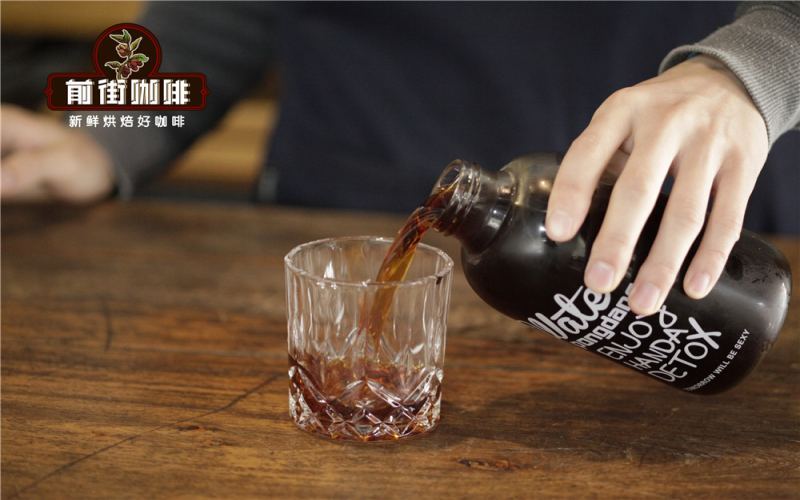
Beginner’s Guide to Cold Drip Coffee: Understanding Coffee-to-Water Ratio, Grind Size, and Full Brewing Steps
Cold drip coffee is brewed at low temperatures through a slow extraction process, resulting in unique delicate flavors and rich aromas. This article delves into the brewing principles of cold drip coffee, recommended coffee bean selections, the components and operation of a cold drip brewer, and provides detailed explanations of key parameters such as coffee-to-water ratio, grind size, drip rate control, and refrigerated fermentation. This will help you consistently brew cold drip coffee with fermented complexity and full-bodied texture at home. [more…]