







Introduction:Do you think coffee cups are just serving vessels? In fact, cup size and volume directly affect the release of aroma, flavor layers, and even heat retention. From espresso to lattes, different beverages have their ideal cup pairings. This article delves into the volume logic of three common coffee cup sizes—small, medium, and large—combining practical extraction parameters to guide you on how to choose the right cup for drinks like hot lattes, iced Americanos, and flat whites. It also reveals how cup size influences the overall flavor profile of your coffee.
Many coffee enthusiasts collect a variety of cups at home, but you may not have realized that the shape and volume of a cup can subtly alter how coffee is presented. From espresso to lattes, Americanos, and even cappuccinos, each drink actually has an optimal cup type. Dividing coffee cups into small, medium, and large categories based on volume isn’t just about aesthetics—it’s closely tied to concentration, aroma release, and drinking experience. This article will start from actual extraction parameters to explain which cup types suit different coffee beverages and describe how cup size affects aroma, heat retention, and latte art presentation.
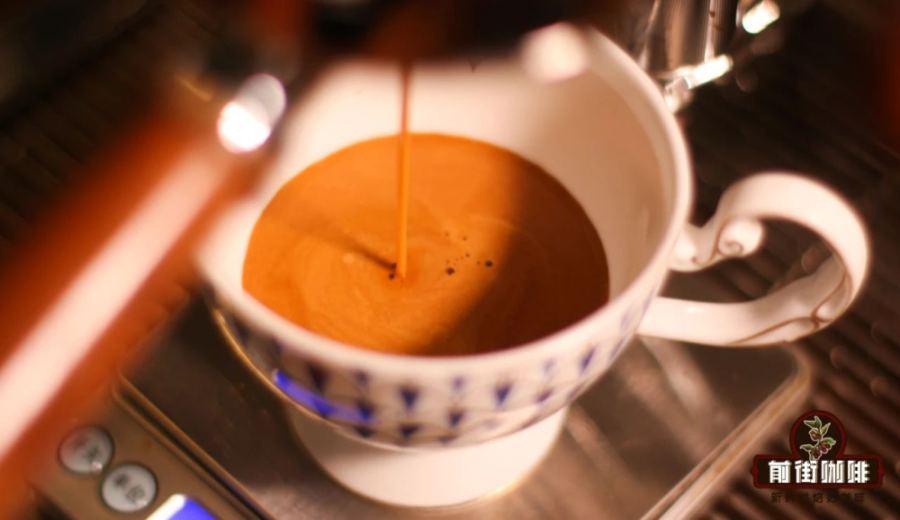
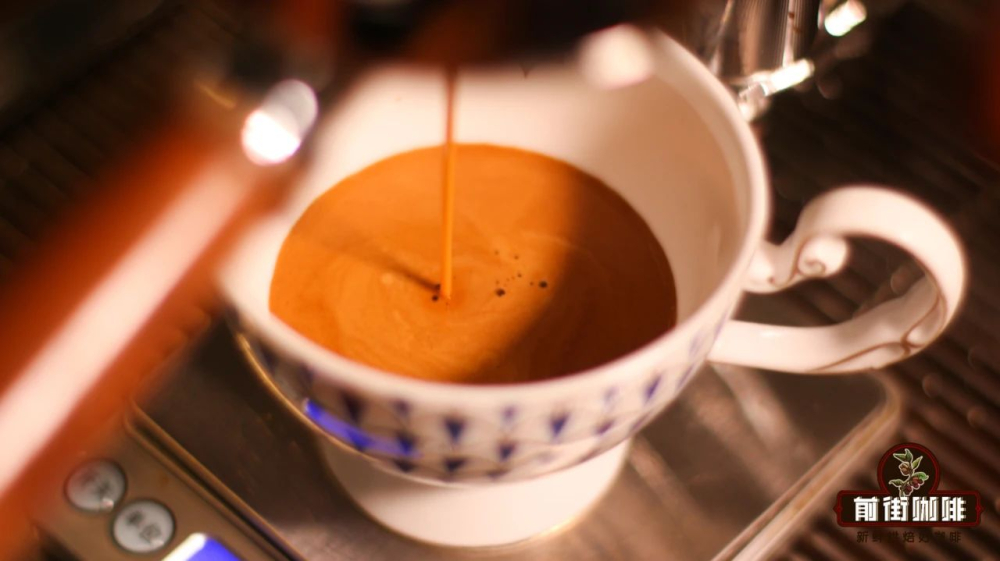
Small Coffee Cup (Approx. 60ml): This type of cup is usually made of white ceramic and is most commonly used for serving espresso. In practice, using freshly roasted espresso blends (such as classic dark roast recipes), extracting 40g of espresso with 20g of coffee grounds in 28 seconds yields a result that is rich in flavor and crema. Due to its small volume, this cup concentrates the aroma and extends heat retention, allowing the coffee to be enjoyed at its best. Additionally, small cups are also suitable as sharing cups for single-origin pour overs, combining the experience of both espresso and pour over.
Medium Coffee Cup (180ml–200ml): With a taller ceramic design, this cup is suitable for pour over, Americano, and cappuccino. For pour over, it’s recommended to use medium-light roasted single-origin beans (such as Yirgacheffe Guji Dingding), extracting with a 1:15 coffee-to-water ratio using 15g of coffee grounds to yield approximately 200ml of coffee, showcasing bright citrus acidity and jasmine floral notes. When making an Americano, you can use a blended roast (such as strawberry candy recipe), extracting 40g of espresso from 20g of coffee grounds and adding 160ml of hot water (a 1:4 ratio) to deliver a refreshing fruity profile. As for cappuccino, it’s recommended to use a classic blend, extracting 40g of espresso from 20g of coffee grounds, then combining with 160ml of fresh milk to create a milk foam about 3cm thick, resulting in an eleven-tenths full classic shape with distinct layers of foam and coffee, offering a rich mouthfeel.
Large Coffee Cup (300ml): A standard ceramic cup size, most suitable for milk-based coffees like hot lattes and mochas. The common ratio for a hot latte is 1:6 (40ml of espresso with 240ml of hot milk), mixed in a circular motion to let the natural sweetness of the milk complement the coffee flavors, resulting in a smooth and balanced taste. The wide mouth design also facilitates baristas in crafting detailed latte art, enhancing both visual and flavor enjoyment. It’s worth noting that milk temperature and steaming technique directly impact the final taste—fresh whole milk is recommended, with foam thickness controlled to around 3cm.
The choice of cup size not only affects the visual presentation of coffee but is also closely related to aroma release, heat retention, and overall flavor expression. Small cups concentrate aroma and maintain warmth, medium cups showcase the details of pour over and the layers of milk foam, while large cups perfectly highlight the fusion of milk and coffee. During actual tasting, you can adjust the cup size based on beverage type and personal preference to find your ideal match.
Whether you’re a purist focused solely on espresso or an enthusiast exploring the flavors of milk-based coffee, understanding the impact of cup size and volume will elevate your coffee experience. Remember, a great cup of coffee comes not only from the beans and brewing technique but also from the cup in your hand.
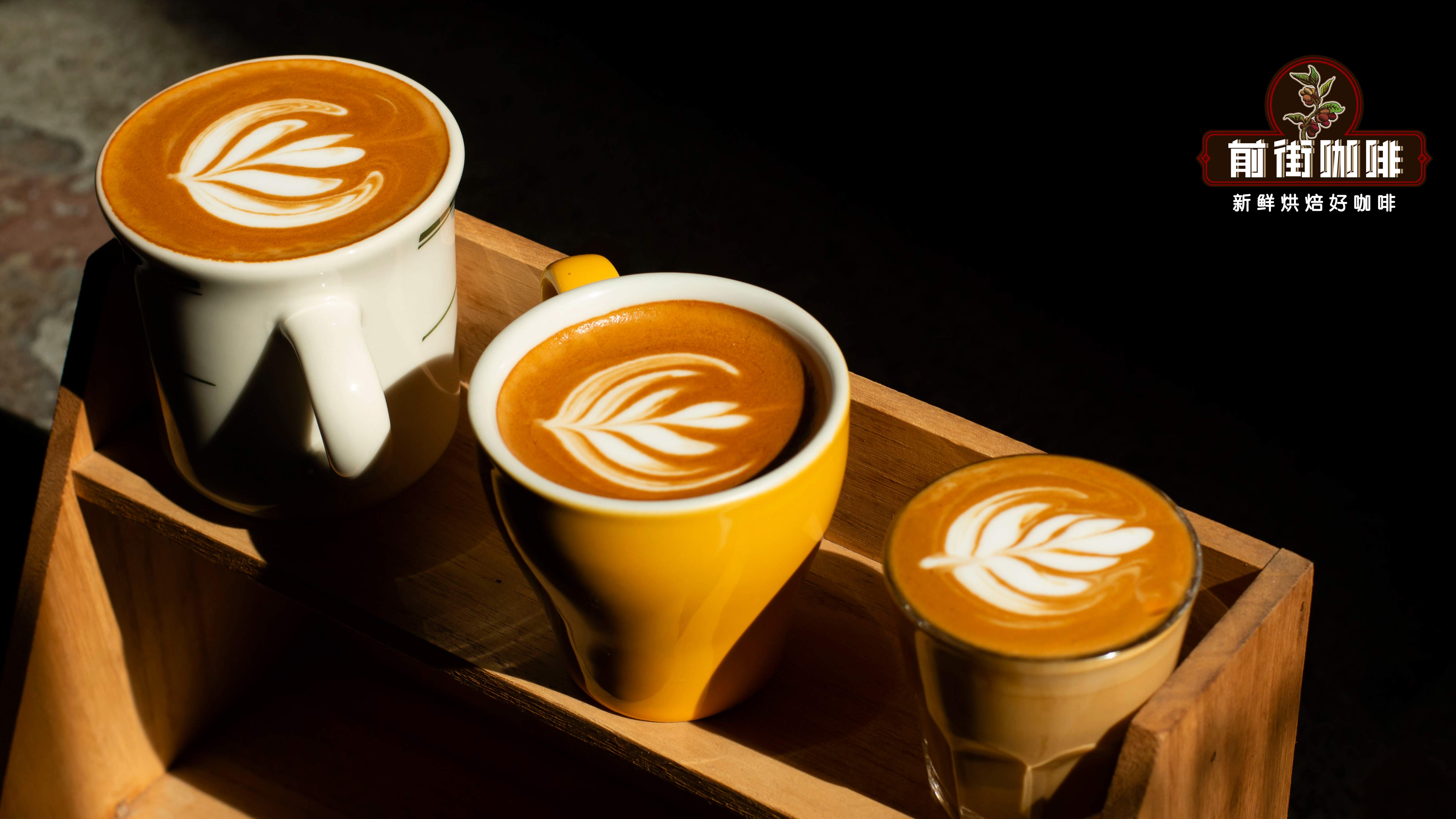
(Image location: Practical examples of small and medium coffee cup applications, such as espresso crema presentation and cappuccino latte art designs)
The above content is compiled by CoffeeHunters, a coffee news website.


