







Introduction:Drip coffee, with its low-temperature slow extraction characteristics, delivers a rich yet non-bitter unique flavor, making it one of the top choices for coffee lovers in summer. This article delves into the origins of drip coffee, explores the connections among Dutch coffee, cold brew, and drip coffee, details the components and usage techniques of a drip brewer, and provides practical parameters such as grind size, coffee-to-water ratio, and drip rate. It also offers bean selection suggestions across four major flavor profiles, enabling you to consistently brew outstanding drip coffee at home.
Thanks to its low-temperature slow extraction, drip coffee boasts a thick mouthfeel without any bitterness, making it a favorite among many coffee enthusiasts during the hot season. This method of extracting coffee flavors through the prolonged dripping of ice water not only preserves delicate fruit acidity and aroma but also imparts a unique cool sensation to the coffee. This article will start with the historical background of drip coffee, guide you through its similarities and differences with Dutch coffee and cold brew coffee, then systematically break down the structure of a drip brewer and the actual brewing process. Practical examples will illustrate key extraction parameters, and finally, based on different flavor directions, recommended types of coffee beans will be provided to help you master all aspects of drip coffee production—from bean selection to brewing.
As the name suggests, drip coffee involves slowly dripping ice water through a bed of ground coffee. Through time and low temperature, the aromatic compounds in the coffee are gradually released. Because the water temperature is relatively low, it effectively suppresses the release of bitter substances while extending the extraction time, leading to a more thorough extraction. As a result, the final brew often features a rich flavor, layered complexity, and bright acidity that is not overly sharp. If you choose beans with special processing methods or pronounced fruit aromas, their fermented notes and fruity tones can be further highlighted. Served with ice, it is especially suitable for summer enjoyment.
When it comes to drip coffee, it is often confused with cold brew coffee and Dutch coffee. In fact, these names all have historical roots. As early as the early 18th century, when the Dutch transported coffee beans from their colonies to Europe, they encountered the problem of not being able to brew hot coffee immediately. To solve this, they tried soaking coffee grounds in cold water and unexpectedly discovered that the resulting coffee was not only sweet but also completely free of bitterness. This cold water extraction method was later introduced to Japan and further refined into the drip coffee format we are familiar with today. Therefore, drip coffee can be seen as an extension of Dutch coffee, whereas cold brew coffee is extracted through static immersion. Although both are forms of low-temperature extraction, their principles and operations still differ.

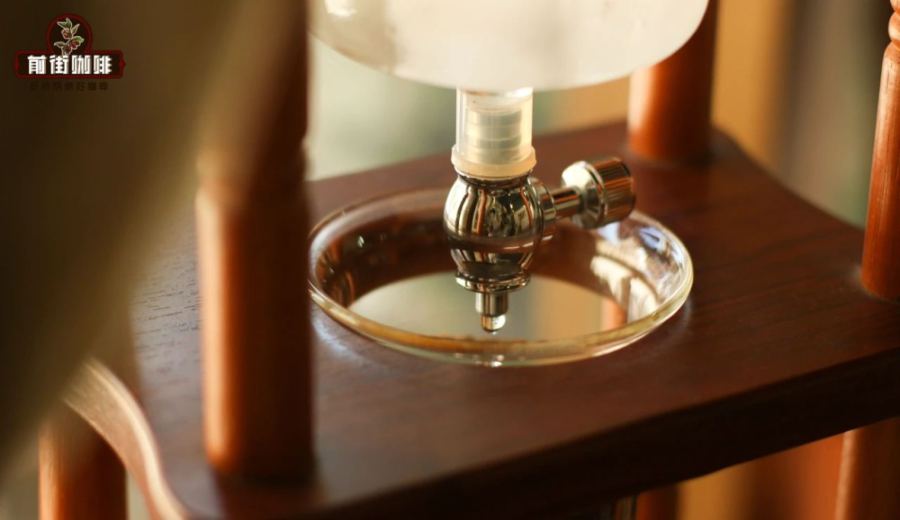
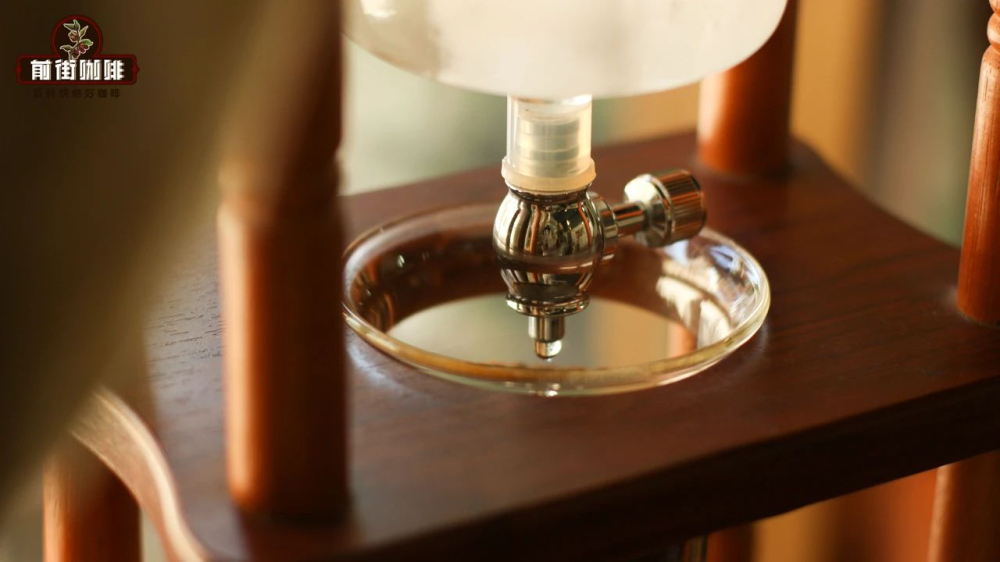
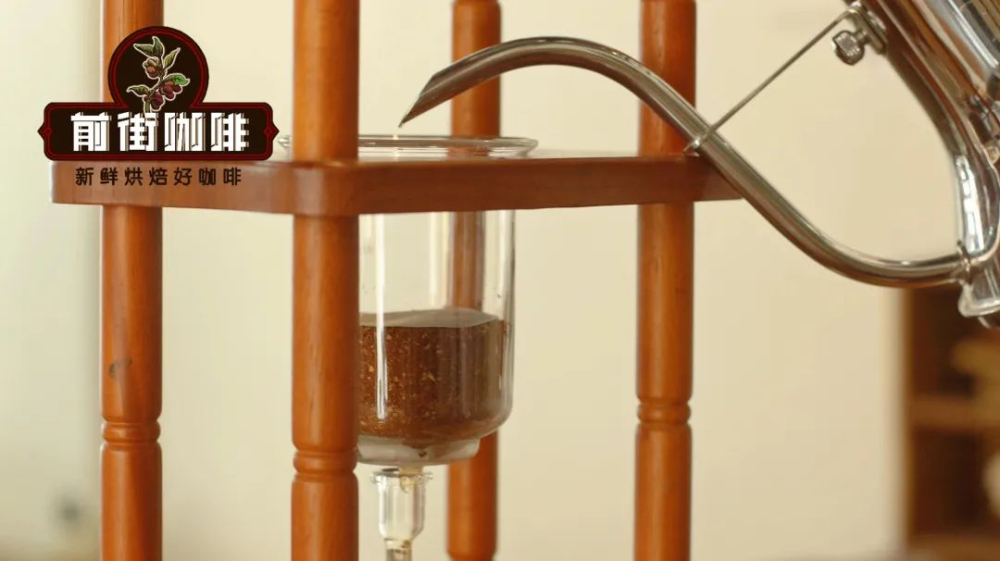
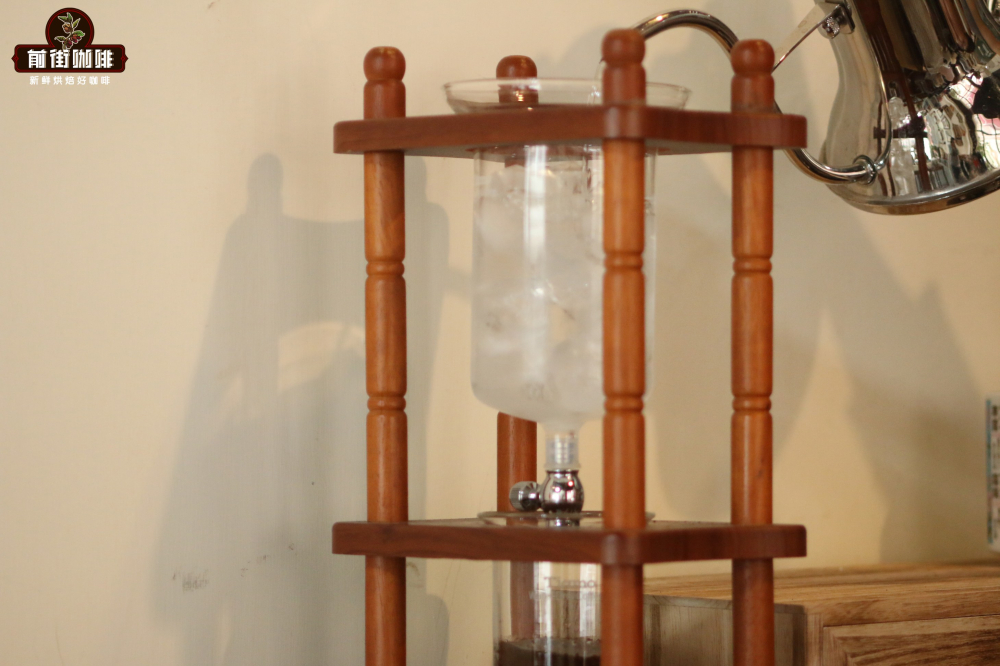
Although the designs of drip brewers vary, their basic structures are largely similar, mainly consisting of four parts: the top chamber, valve, coffee chamber, and bottom chamber. The top chamber is used to hold the ice water mixture, with a flow rate-adjustable valve in the middle controlling the dripping speed to ensure the ice water drips evenly. The middle coffee chamber holds the ground coffee, with a filter at the bottom allowing the extracted coffee liquid to drip into the bottom chamber for collection. When choosing a drip brewer, it is recommended to select one made of safe materials with high structural tightness to ensure a smooth extraction process, avoiding leaks or unstable drip rates.
Take the Costa Rica Mozart coffee as an example. This bean is processed using a raisin anaerobic honey method, naturally possessing intense raisin, osmanthus, and fruit fermentation aromas, making it highly suitable for drip brewing. For grind size, it is recommended to use a medium-fine grind similar to that for ice pour over—approximately 85% passing through a Chinese No. 20 sieve, corresponding to around 9 on common grinders like the ek-43s. This grind size helps improve extraction efficiency in a low-temperature environment without over-extracting and releasing unwanted impurities.
During actual operation, it is recommended to use a 1:10 coffee-to-water ratio, such as 60 grams of coffee grounds with 600 grams of ice water. The ice-to-water ratio is advised to be 1:1, with the valve drip rate controlled at 7 drops per 10 seconds, and the entire process taking about 6 to 8 hours. These parameter settings achieve a balanced richness and clear flavor profile. Of course, the coffee-to-water ratio can be fine-tuned to 1:12 according to personal taste preference for a lighter outcome. A round filter paper should be placed at the bottom of the coffee chamber to ensure even distribution of the coffee grounds and prevent loss, and another filter paper should cover the top layer to avoid collapse of the coffee bed due to the impact of the dripping water. Before starting the drip, pre-wetting the coffee grounds with cold water helps promote even extraction and reduces the waiting time at the beginning of the process.
After the coffee liquid has finished dripping, it is recommended to transfer the liquid from the bottom chamber into a sealed container and refrigerate it for at least 12 hours to allow the flavors to mature further. When consumed the next day, you’ll often notice a richer layering—for instance, the Mozart coffee may exhibit sweet-tart notes of tropical fruits like berries and pineapple, along with fermentation characteristics akin to wine aromas. Drinking it over ice enhances its refreshing and captivating flavor.
When selecting coffee beans, drip coffee—owing to its long-duration low-temperature extraction—is particularly well-suited for showcasing beans with distinct flavor profiles. For instance, beans with tropical fruit and fermented wine aromas, such as those processed via raisin methods or anaerobic fermentation, often have their unique aromatic expressions enhanced through drip brewing. Examples like Costa Rica Strawberry Candy, Colombia Flower Moon Night, and Honduras Sherry are all excellent choices.
If you prefer a refreshing taste, consider washed-process medium-light roasted beans such as Kenya AA Assaliya, Ethiopia Guji Dingding, or Panama Geisha. These beans typically present clean acidity reminiscent of cherry tomatoes and grapefruit, ideal for consumers seeking pure and bright flavors.
Dark roasted beans such as Indonesia’s Golden Mandheling or Brazil’s Queen Estate, though often considered unsuitable for drip coffee, can actually showcase rich chocolate and nutty notes under low-temperature extraction, even with a gentle creamy mouthfeel. They are well-suited for drinkers who enjoy sweet flavors.
Additionally, drip coffee is also suitable for blending different beans. By combining single-origin beans with varying flavor characteristics, you can create a drip coffee with more layers and personal style. For example, blending Litchi Orchid with Beethoven can simultaneously deliver wine-like aromas, honey sweetness, and fruity acidity, resulting in a unique taste experience.

The above content is compiled by CoffeeHunters, a coffee news website.


