








Introduction:In coffee beverages, milk is not only a key element in enhancing flavor but also the soul of latte art and mouthfeel. However, with the wide variety of dairy products on the market—such as fresh milk, whole milk, and soy milk—which one is best suited for making lattes, flat whites, or Dirty drinks? What’s the difference between whole milk and low-fat milk? How do baristas choose the most suitable milk based on roast levels? This article explores the characteristics of milk and the styles of coffee beans to help you master the selection logic and practical pairing techniques for coffee milk.
Among the many coffee drinks, milk is almost an indispensable element. Whether it's a latte, flat white, cappuccino, or the popular Dirty drink in recent years, all rely on milk to shape flavor and texture. However, the dairy products on the market are incredibly diverse—from chilled fresh milk to shelf-stable whole milk, from low-fat to full-fat, and even plant-based milks. So how do you choose the right one to make your coffee more delicious?
Many coffee enthusiasts often face such questions: which type of milk is better for latte art when making a latte? Why does some milk make the coffee especially smooth, while others significantly diminish the flavor? In fact, choosing the right milk can not only enhance the overall performance of the coffee but also emphasize specific flavor profiles.

Many people assume that as long as they choose a well-known brand or a high-priced milk, it must be the best. But in reality, each type of milk has unique fat content, protein ratio, and lactose sweetness, all of which affect how well it blends with coffee. Therefore, we do not recommend specific brands, but instead guide you in building a reasoned milk selection strategy based on the basic properties of milk, the roast level of the coffee beans, and the ultimate flavor goals of the beverage.
When selecting milk for coffee, "freshness" and "whole milk content" are the primary considerations. It is generally recommended to prioritize whole fresh milk because it has higher levels of milk fat, protein, and lactose. These components not only enhance the richness and sweetness of the coffee but also help stabilize and prolong the foam, greatly benefiting both latte art and mouthfeel.
Fresh whole milk, even when consumed alone, delivers a rich milky aroma. When combined with espresso, it can fully highlight the layers of the coffee. In contrast, skim milk or shelf-stable whole milk, due to their lower fat and protein content, are less capable of producing fine and stable foam and are also harder to create a rich and smooth mouthfeel. As a result, they are less commonly used in professional coffee preparation.
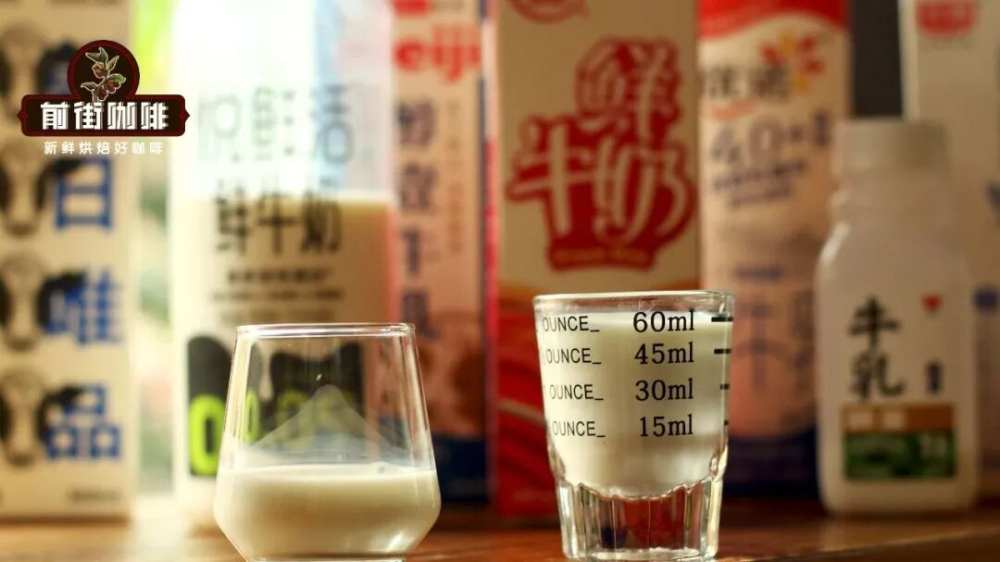
Different roast levels of coffee beans also influence milk selection. For example, medium-light to medium-roasted coffee beans, such as common SOEs or fruit-acidic blend profiles, usually have bright acidity and delicate aromas. But if paired with overly rich or high-fat milk, their refined floral and fruity notes can easily be masked. In this case, it is recommended to use a refreshing whole fresh milk with moderate fat content to let the original flavors of the coffee shine.
On the other hand, medium-dark to dark-roasted coffee beans, due to longer browning reactions, typically carry intense roasted aromas, rich textures, and abundant oils. Choosing whole milk with slightly higher protein content not only complements the bold flavors of the coffee but also helps soften some of the bitterness, creating a more balanced and layered mouthfeel.
So, how should you further select milk for different types of coffee beverages? Take the ever-popular latte as an example. A successful latte needs to balance the bitterness of the espresso with the sweetness of the milk, where the milk primarily plays a "complementing" role. If your espresso has a distinct caramel aroma, it is recommended to use a full fresh milk with a strong creamy feel, such as Asahi Weipin Milk or Yoplait, to make the overall flavor more rounded. If the espresso leans toward a fruit-acidic profile, then opt for a sweeter and milder fresh milk, such as Bright Dairy’s Fresh Ranch, to avoid the clash between acidity and milkiness.
As for the flat white, its characteristic lies in using a small amount of espresso paired with a relatively larger proportion of hot milk, emphasizing the intense core of the coffee. Therefore, the selected milk should not only have good richness but also produce fine and stable foam to create a smooth and layered drinking experience. Whole fresh milks from brands like Yoplait, Bright Dairy, or Meiji are all good choices.

The Dirty is a coffee drink that emphasizes contrast. The top layer is hot espresso, and the bottom layer is iced fresh milk, creating a unique flavor impact through differences in temperature and texture. In this case, the choice of milk places more emphasis on "concentration" and "sweetness." If you want a dark-roast espresso to present a rich texture similar to salty cheese, you can choose a high-concentration whole milk, such as Igloo. If you prefer a more pronounced sweetness to amplify the coffee aroma, you might consider a sweeter option like Meiji Chuan Yi Milk.
Finally, for consumers who are lactose intolerant or allergic to milk proteins, plant-based milks such as oat milk are often used as substitutes. However, it's important to note that their flavor characteristics and foam performance often differ greatly from those of dairy milk, and they are not true dairy products by nature. Use them according to the specific needs of the beverage.
The above content is compiled by CoffeeHunters, a coffee news website.


