







Introduction:Cold drip coffee, extracted slowly at low temperatures, achieves unique delicate flavors and rich aromas. This article delves into the brewing principles of cold drip coffee, the selection of suitable coffee beans, the components and operation of the cold drip brewer, and details key parameters such as coffee-to-water ratio, grind size, drip rate control, and refrigerated fermentation. It helps you consistently brew cold drip coffee with a fermented character and full body at home.
Cold drip coffee, also known as ice-brewed coffee or water drip coffee, is referred to in English as Ice Drip Coffee. It is a brewing method where cold ice water slowly permeates through a bed of coffee grounds over several hours to achieve a refined extraction. Compared to hot pour over brewing, cold drip coffee presents a distinctly different flavor profile: its flavors are more concentrated, its aromas are delicate and layered, which is why it is favored by coffee enthusiasts. However, its complex production process and lengthy brewing time also make this coffee relatively expensive in the market.
Cold drip coffee differs from common cold brew (Cold Brew), which typically involves steeping ground coffee in room temperature or cold water for over ten hours before filtering. In contrast, cold drip coffee uses ice cubes that naturally melt into ice water, dripping steadily drop by drop onto the coffee grounds. The entire process usually takes six to eight hours or even longer. This low-temperature extraction method can significantly reduce the volatilization of aromatic compounds, preserving more delicate scents while minimizing the excessive acidity and off-flavors caused by the conversion of tannic acids into quinic acid.
The English name for cold drip coffee is Ice Drip Coffee, sometimes also called Dutch Coffee or water drip coffee. However, its connection to the Netherlands is not particularly strong. Instead, it was further developed and refined in Japan, hence it is also referred to as "Kyoto-style coffee." Legend has it that the inspiration came from early Dutch sailors who, unable to access hot water during voyages, used ice water to brew coffee as an emergency measure. Later in Japan, especially in Kyoto, professionals and academic institutions collaborated to improve the equipment, gradually forming the cold drip systems we see today.
The extraction principle of cold drip coffee relies on a low-temperature environment to minimize aroma loss, and through prolonged contact, allows the soluble substances in coffee to be slowly released. Since it is not subjected to high-temperature treatment, fewer impurities and lower amounts of caffeine are released. Some studies even suggest that long extraction times may lead to caffeine accumulation. Therefore, those sensitive to caffeine are advised to choose decaffeinated beans, such as Colombian Swiss Water decaf coffee, which is also a good alternative.
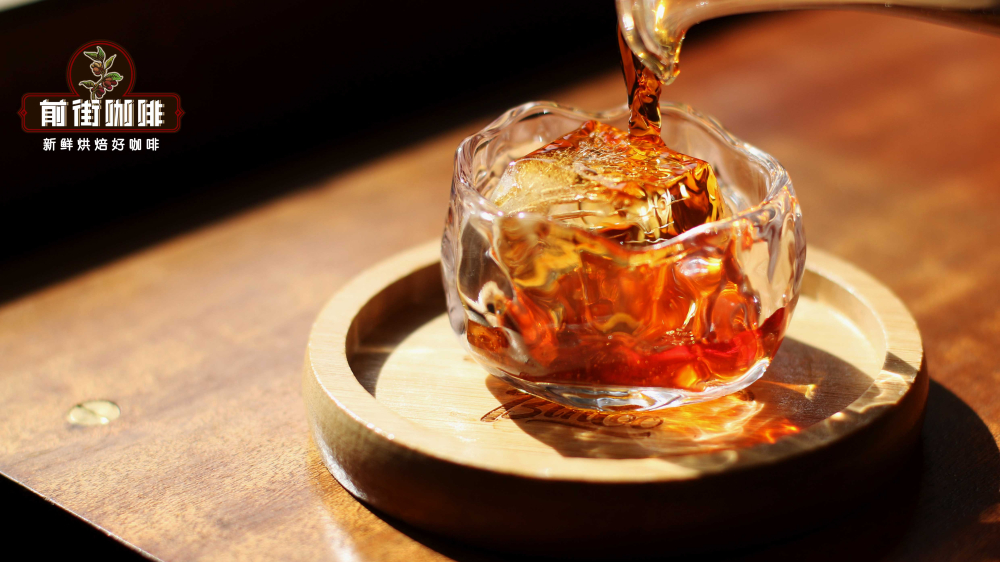
The flavor profile of cold drip coffee often exhibits a distinct fermented character, with a full body and rich layers. This characteristic makes it very suitable for use with coffee beans processed via special methods, such as grape anaerobic fermentation or wine-like fermentation, which can showcase deeper aromas and sweetness under low-temperature extraction. Additionally, cold drip coffee is ideal for enthusiasts who wish to explore the subtle flavors of coffee in a low-temperature environment, and it is especially recommended for enjoyment in summer or hot climates.
When selecting coffee beans suitable for cold drip, it is recommended to prioritize single-origin beans with distinct flavor characteristics. For example, beans with deep berry and wine-like aromas can enhance their fermented feel and fruity notes when cold dripped, delivering a rich, wine-like mouthfeel. Moreover, bright and refreshing beans from African origins such as Yirgacheffe or Kenya AA can exhibit vibrant citrus and floral tones. Medium to dark roasted Indonesian Golden Mandheling or Brazilian Queen Estate beans can provide intense chocolate and nutty aromas, and during the cold drip process, they present a smooth, creamy texture.
For those wishing to experiment with more creative combinations, blends of two or more complementary beans can also be chosen. For instance, mixing wine barrel-fermented Lichee Lan with natural-process Geisha can yield an excellent balance of brandy-like aromas, plum acidity, and maple sweetness. This blending approach, under cold drip extraction, can produce a more complex and layered taste experience.
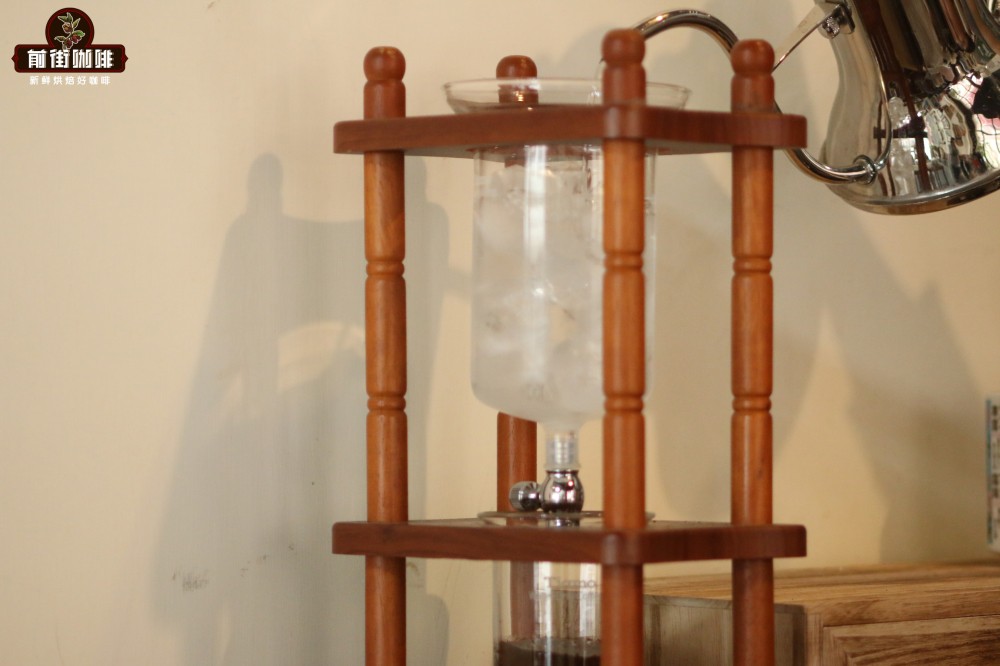
The brewing setup for cold drip coffee typically consists of four main components: the top chamber, valve, coffee chamber, and bottom chamber. The top chamber holds the ice water mixture, with a flow-rate-adjustable valve in the middle controlling the dripping speed to ensure the ice water evenly drips onto the coffee grounds in the middle chamber. The bottom of the middle chamber is equipped with a filter hole to collect the extracted coffee liquid and channel it into the bottom chamber for collection. This simple yet ingenious structure is the key to the stable extraction of cold drip coffee.
In practice, it is recommended to use a grind size equivalent to an 85% passing rate through a Chinese No. 20 standard sieve, roughly equivalent to grind setting 9 on an ek-43s grinder. This grind size ensures sufficient extraction efficiency in a low-temperature environment. The general recommended coffee-to-water ratio is 1:10 to 1:12, for example, using 60 grams of coffee grounds to extract 600 grams of coffee liquid, with a maintained 1:1 ice-to-water ratio. For drip rate control, it is suggested to aim for 7 drops per 10 seconds, with a total extraction time of approximately 6 to 8 hours, which can be fine-tuned according to personal taste.
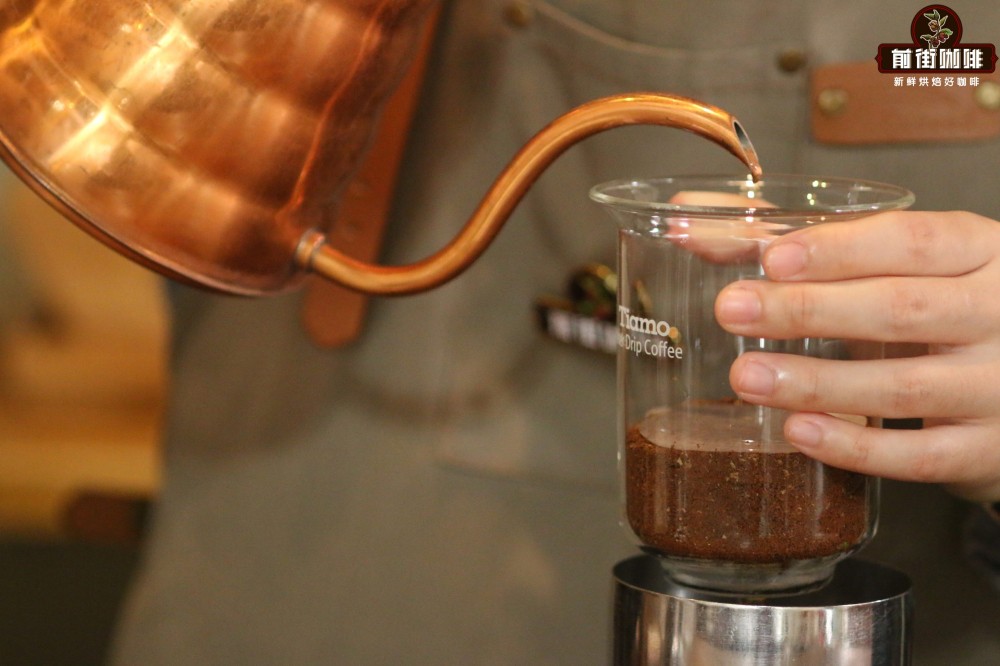
During operation, first place a round filter paper at the bottom of the coffee chamber, then evenly pour the ground coffee and gently press it flat. Cover it with another filter paper to prevent the coffee bed from being disturbed when dripping. Next, moisten the coffee layer with cold water first, which helps improve initial extraction efficiency and ensures uniformity. Fix the coffee chamber onto the device, fill the top chamber with a mixture of half ice and half water, adjust the valve so the drips target the center of the coffee layer, and maintain a steady drip rate.
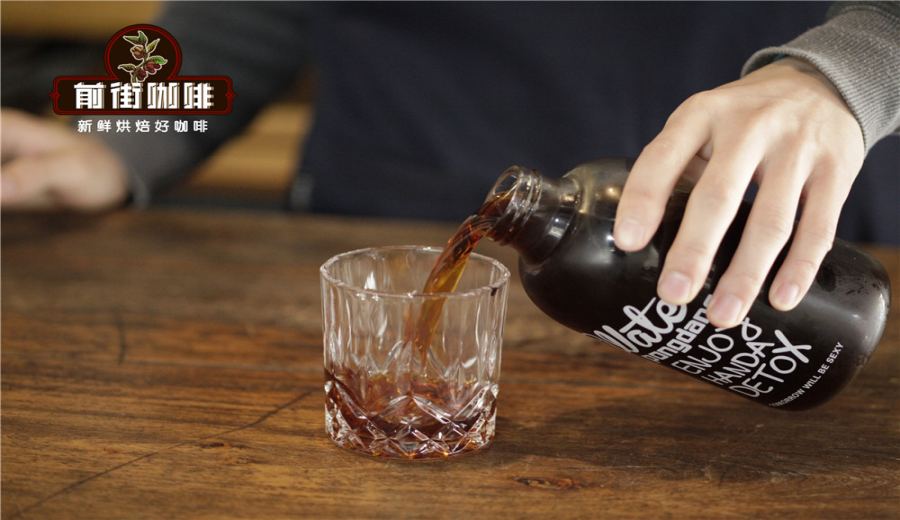
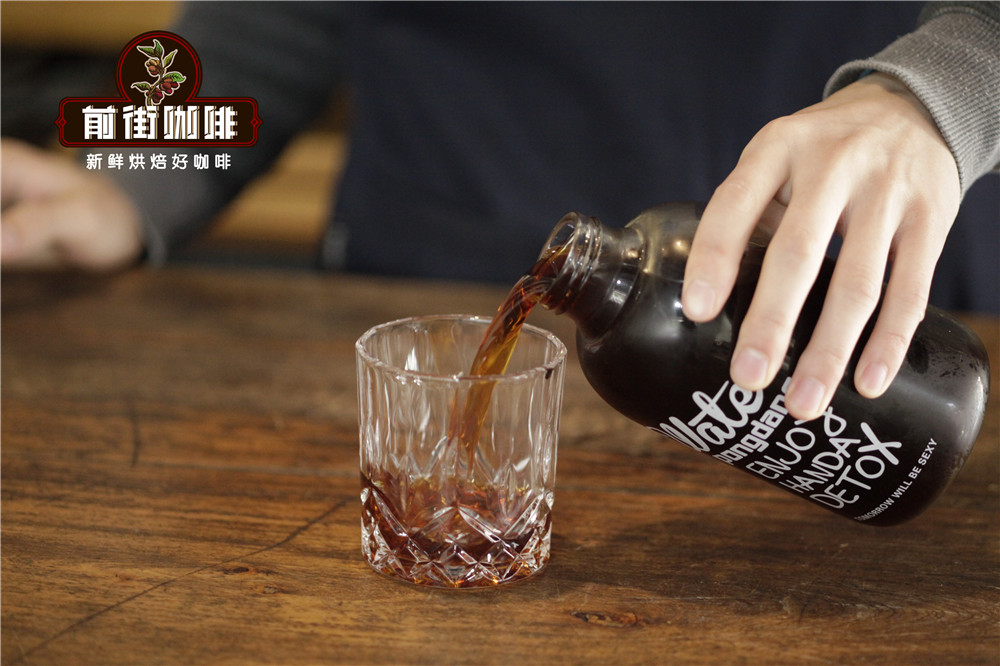
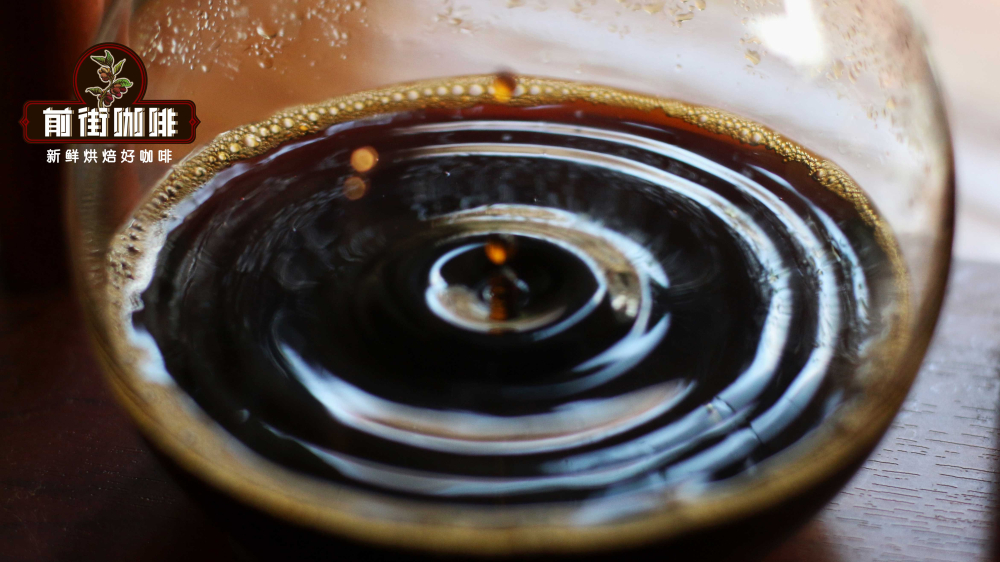
After extraction, pour the coffee liquid from the bottom chamber into a sealed container—preferably a glass bottle—and refrigerate for fermentation for at least 12 hours. This allows the flavor molecules to fully release, enhancing overall aroma expression. After an overnight refrigeration, cold drip coffee often presents intense fruitiness and a fermented character. When served over ice, the flavor becomes even more refreshing and layered, resembling a fruit wine with complex nuances.
In summary, the charm of cold drip coffee lies in the delicate aromas and full body brought about by its low-temperature slow extraction, making it ideal for enthusiasts who enjoy exploring the deeper flavors of coffee. By mastering the coffee-to-water ratio, grind size, and drip rate control, and selecting the right coffee beans, you can easily replicate a professional-grade cold drip coffee experience at home. Remember to choose freshly roasted coffee beans before brewing and grind them just before use to fully appreciate their optimal flavor expression.
The above content is compiled by CoffeeHunters, a coffee news website.


