







Introduction:Among the various factors that shape coffee flavor, roast level plays a key role, yet it often puzzles beginners. This article delves into the definitions, flavor characteristics, and suitable origins for light, medium, and dark roasts, using classic beans such as Mandheling, Yirgacheffe, and Geisha to illustrate how roast decisions are made. Whether you’re a pour over enthusiast or looking to select the right coffee beans, you’ll find practical insights here.
Among the many factors influencing the final flavor of a cup of coffee, the intrinsic qualities of the green bean account for about 60%, the roasting process contributes roughly 30%, and brewing technique makes up just 10%. This highlights the significant role roasting plays in shaping coffee flavor. However, there is no universal standard for roast levels—different roasters may apply vastly different approaches to the same bean, contributing to the diversity of coffee flavors. This article will start with the basic concepts of roast levels, explain the significance of the first and second cracks, analyze in detail the flavor profiles associated with light, medium, and dark roasts, and explore real-world examples from well-known origins such as Mandheling, Yirgacheffe, and Geisha. It will also examine the historical context and bean characteristics behind roast choices, retaining practical roasting logic for coffee enthusiasts to reference.
The final flavor expression of coffee is roughly 60% derived from the quality of the green beans, 30% determined by roasting technique, and only 10% influenced by brewing method. For this reason, the variables affecting the flavor of a cup of coffee are numerous. For roasters, determining the appropriate roast level for a particular bean is often an art. First, two key points need to be clarified: first, the choice of roast level is often a subjective judgment made by the roaster based on their understanding of the beans, with no absolute right or wrong—more a matter of flavor preference; second, there is no strictly unified international standard for roast levels.
Generally, roast levels are categorized based on the color of the coffee beans, usually referring to a set of internationally recognized standard color charts. Terms commonly heard such as Cinnamon, City, Vienna, French, and Dark French derive from this system. However, such color classifications are only for reference, and exceptions are common in practice. For example, beans from some origins may not easily color due to their inherent characteristics, and over-roasting can easily lead to burnt bitterness—even if they appear lighter in color, they may have already reached the desired flavor profile. Conversely, some beans contain higher caramel content, resulting in darker colors after roasting, but they may not actually reach the level of a dark roast. Therefore, color can only serve as one auxiliary basis for judgment.
Some people also use exit temperature as a criterion for judging roast level, but in reality, different brands or models of roasting machines vary greatly in heating efficiency and hot air circulation design, meaning that even with the same set temperature, the final roasted beans may exhibit different states. This is why, in roasting curve data from places like Japan, the exit temperature range often falls between 230 and 240 degrees.
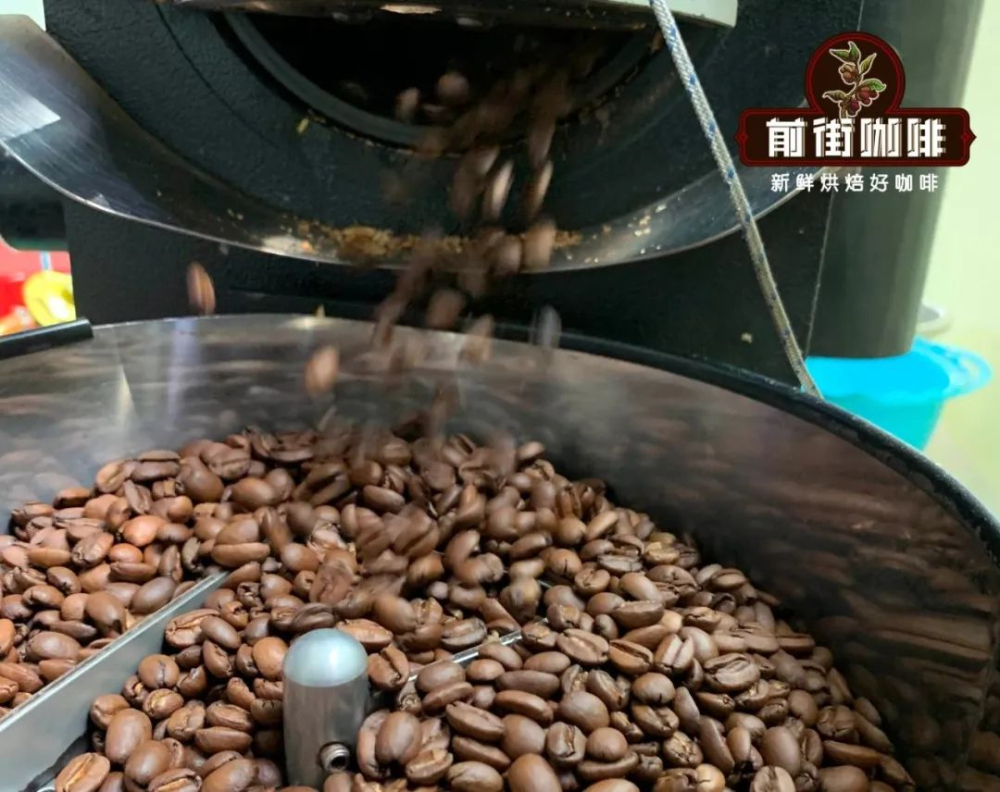
The essence of roasting lies in transforming the chemical and physical properties of green coffee beans into the familiar roasted beans we know, through high temperature. The entire process typically lasts ten to fifteen minutes, during which temperatures can climb to over two hundred degrees Celsius, and multiple critical chemical changes occur, including the first crack (first pop) and the second crack (second pop), when the beans release sounds similar to popcorn, while moisture gradually dissipates, the bean body expands, the color darkens, and significant changes occur in taste, aroma, and density. As the roasting time extends, chloric acid gradually decomposes, releasing pleasant fruity acids such as acetic acid, citric acid, and malic acid—all key elements that contribute to the unique flavor of coffee.
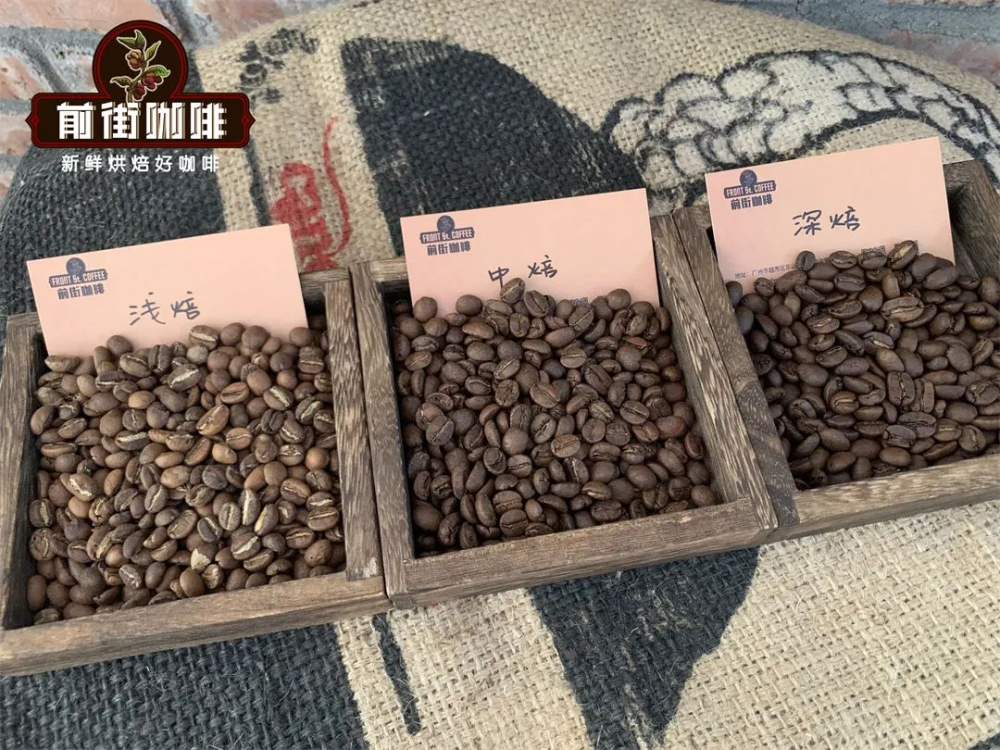
In theory, beans can be dropped at any point after the first crack begins, but to avoid underdevelopment due to early dropping, it is common to continue roasting for two to three degrees after the first crack to allow full aroma release. Therefore, the roughly ten-degree temperature range from approximately two degrees after the first crack to the early stages of the second crack is generally simplified into three main categories: light, medium, and dark roasts. It’s worth noting that the actual exit temperature differences between these three roast levels may be just two or three degrees, yet the appearance and flavor can differ significantly. Thus, evaluating roast level requires a comprehensive consideration of the bean’s color, shape, and flavor expression.
So-called light roast generally refers to the stage from the middle of the first crack to the end of the first crack. At this point, enzymatic reactions and Maillard reactions are still in their early stages, and the organic acids within the beans have not been significantly broken down, so acidity is pronounced while bitterness is extremely mild, almost imperceptible. This roasting style is particularly suitable for coffee lovers who prefer bright acidity, as it fully showcases the fruitiness and floral notes of the coffee.
Medium roast refers to the stage from the end of the first crack to just before the start of the second crack. During this phase, caramelization and Maillard reactions deepen further. While some acidic and fragrant qualities are still retained, the overall profile is softer compared to light roast, achieving a better balance between acidity and bitterness, with sweetness becoming more pronounced, the mouthfeel smoother, and the dominant flavors shifting toward warm-toned notes such as caramel and chocolate. This roast level often highlights the nuanced layers of specialty coffee and is a balanced choice recommended by many professional roasters.
As for dark roast, it generally refers to the roasting stage after the start of the second crack. By this time, caramelization reactions are nearing completion, while Maillard reactions dominate, producing complex aromas such as resin, spices, and carbonization. This style suits drinkers who prefer intense, rich flavors, and is commonly found in traditional espresso or milk-based coffee beverages.
So, how do coffee beans from different origins determine their suitable roast levels? Taking historical background as an example, early consumers had more straightforward flavor expectations for coffee, focusing more on its stimulating function. Over the years, many renowned origins such as Mandheling, Brazil, Colombia, and even Blue Mountain have predominantly favored dark roasting, creating robust and full-bodied flavor profiles. Even beans like Blue Mountain, known for their layered complexity, retain a rich yet non-bitter character in dark roasts—an important reason for their classic status.
Take Mandheling from Sumatra, Indonesia, for example. Grown in high-altitude volcanic regions and processed using a unique triple-washed giling basah (wet hulling) method, it develops strong herbal, woody, and earthy notes with moderate acidity and a pronounced lingering sweetness. To fully showcase its rich body and low-acid character, producers typically use dark roasting. If light to medium roasting were used instead, not only might the acidity become overly prominent, but the unique herbal and earthy flavors would also be hard to express. Of course, if you prefer a slightly more acidic Mandheling, medium roast can be tried—but that’s no longer the classic Mandheling flavor most are familiar with.
In contrast, Yirgacheffe is often processed with light roast. This isn’t because the beans from this origin inherently possess superior acidity, but because light roast can best bring out its distinctive fruit acids and floral notes. Ethiopian coffee varieties are diverse and inconsistent in size, traditionally not strictly graded by size but merely by removing obvious defects. Due to the wide variation in bean size, longer roasting times can cause smaller beans to over-roast while larger ones may remain underdeveloped. Therefore, to achieve balanced flavor and preserve aroma, light roast becomes the safer option—and it also perfectly showcases its fresh, fruity, and floral character.
As for Geisha, this variety renowned for its floral and fruity character, although often categorized as a medium-light roast, is frequently roasted for longer than typical beans. This is because its beans are slender and relatively large, requiring more time to heat evenly. Additionally, extending the roast duration appropriately helps elicit more aromatic compounds, enhancing flavor complexity while avoiding excessive bitterness. Therefore, the roasting strategy for Geisha must balance development and aroma to fully reveal its unique charm.
In summary, there is no absolute answer when it comes to choosing a roast level—it depends on a comprehensive consideration of origin characteristics, bean conditions, and flavor goals. Whether you’re a pour over novice or eager to understand the roasting logic behind coffee, mastering these basic concepts will help you more precisely select and appreciate your own ideal coffee flavor.
The above content is compiled by CoffeeHunters, a coffee news website.


