







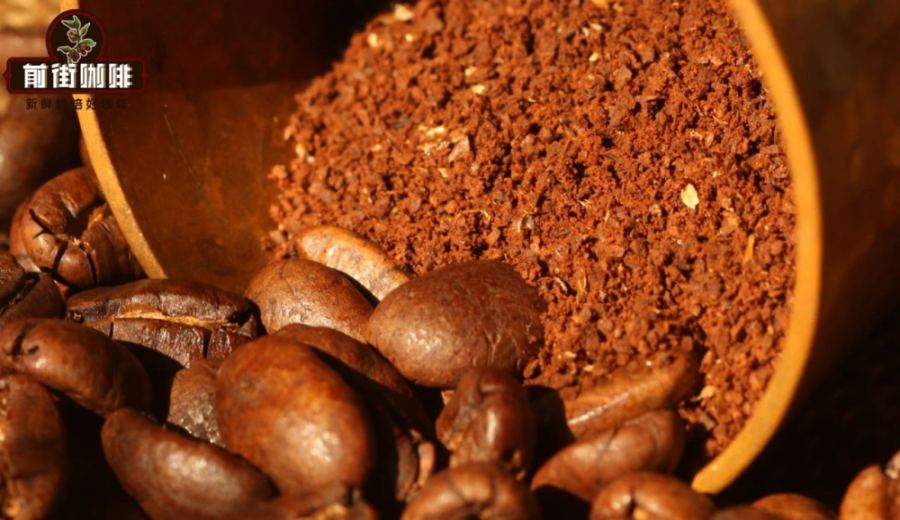
Introduction:When faced with freshly roasted whole coffee beans and pre-ground coffee powder, many coffee enthusiasts often hesitate between flavor and convenience. This article delves into the differences between the two in terms of aroma retention, freshness performance, and shelf life. From a professional perspective, it explains how to choose the most suitable type of coffee based on brewing methods, and provides practical storage tips to ensure that every cup of coffee you brew is at its best.
In everyday coffee consumption, a common yet crucial choice is whether to buy whole coffee beans or directly opt for pre-ground coffee powder. This seemingly simple decision will directly affect the intensity of the aroma, the complexity of the flavors, and the overall drinking experience of your coffee. This article will comprehensively compare the advantages and disadvantages of coffee beans and coffee powder from key aspects such as aroma volatility, oxidation reaction levels, and freshness judgment. It also offers specific purchasing advice for different usage scenarios, along with detailed explanations of proper storage methods to help you strike the perfect balance between convenience and quality.
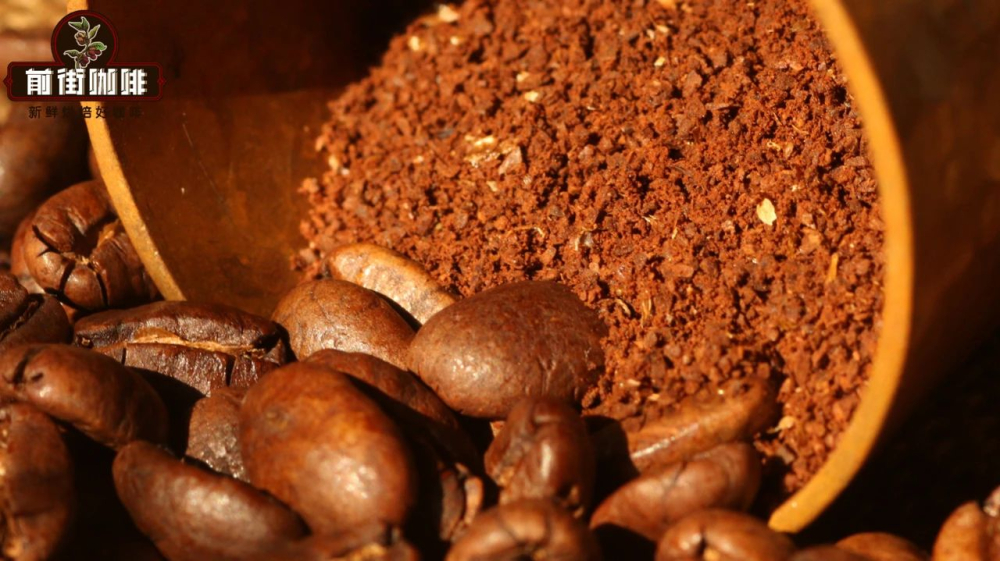
First, let’s focus on the clear advantage of coffee beans — their ability to retain the original aroma of coffee to the greatest extent. When green coffee beans undergo high-temperature roasting, a series of complex chemical reactions are triggered inside, releasing numerous aromatic compounds. These delicate aroma components are primarily preserved by the bean’s own dense porous structure. Therefore, if you are pursuing the most complete and rich coffee flavor, keeping the beans in their original whole form is undoubtedly the ideal choice — you only need to grind them fresh with an appropriate grinder just before brewing. In addition, once coffee beans are ground into powder, not only does the aroma dissipate rapidly within a short time, but the powdered form also significantly increases the total surface area exposed to air, making the coffee more prone to moisture absorption and accelerating the oxidation process. Based on practical observations, under the same storage conditions, whole coffee beans can typically maintain their aroma and flavor for at least twice as long as coffee powder. Moreover, there are several clear indicators for assessing the freshness of coffee beans: it is recommended to first confirm that the roast date is within45 days, then observe whether there is a noticeable release of gases during the blooming stage of brewing, and finally evaluate comprehensively through smell and actual tasting. If all three conditions are met, it usually confirms that the coffee beans still retain good freshness and quality. In contrast, evaluating the freshness of pre-ground coffee powder is much more difficult, because once ground, the aroma dissipates quickly with the internal gases. Not only is there no visible gas release during brewing, but the overall flavor performance often falls short of expectations. This situation is similar to grinding high-quality whole cuts of meat into minced meat — it becomes very difficult to discern its original freshness.
Of course, coffee beans themselves have no obvious drawbacks — the only additional effort required is to grind them yourself before each brew, which means you need to have a grinder that performs stably and grinds well.
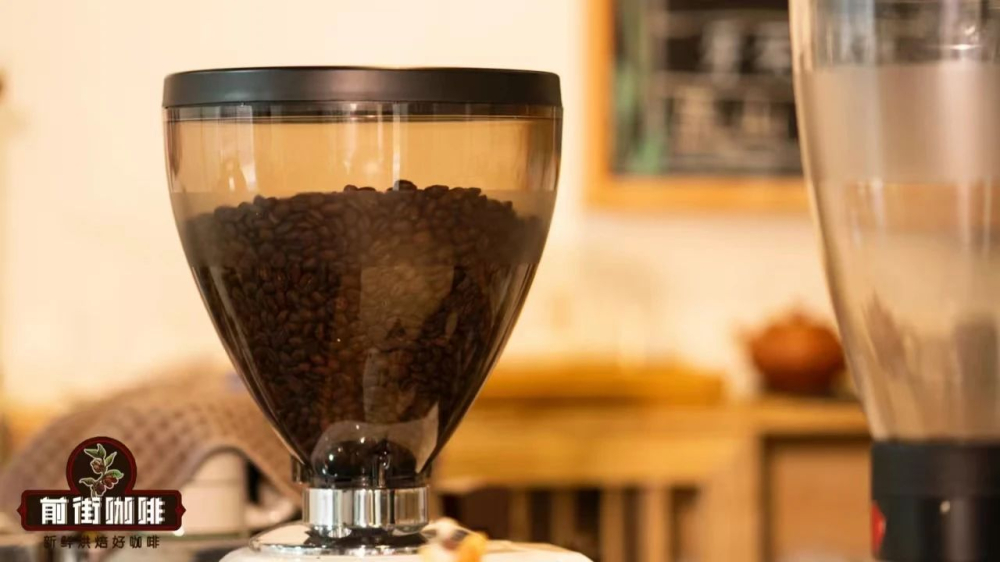
Many consumers turn to pre-ground coffee powder simply because they lack the time to grind their own beans or do not have a professional grinder at home. But does not having a grinder or lacking time really present an insurmountable barrier? In reality, whether a truly high-quality cup of coffee is worth the corresponding time and effort has no absolute answer — it entirely depends on your personal pursuit of coffee quality and lifestyle trade-offs. For beginners who are just getting into coffee, if you can't clearly distinguish the flavor differences between coffee beans and pre-ground powder for the time being, it is recommended to start by exploring the flavor characteristics of classic coffee-growing regions, gradually developing your own taste recognition skills, and discovering your preferred flavor profile. For example, readers who prefer a bright and refreshing style can try washed-process coffees with floral notes such as jasmine, citrus, and green tea; if you lean toward a balanced and gentle taste, Brazilian Cerrado coffees with creamy, nutty, and chocolatey flavors are a good choice; and for those seeking a rich and full-bodied texture, Indonesian Mandheling coffee with spicy, caramel, and pine notes is recommended.
As for the one clear advantage of coffee powder, it is undoubtedly its unparalleled convenience and efficiency. Especially on busy weekday mornings when time is especially precious, many people find it hard to spare extra time to slowly grind beans and then brew coffee. If you can ensure that the coffee powder you purchase is fresh and maintains stable quality, choosing pre-ground coffee powder can indeed allow you to enjoy a decent cup of coffee in the shortest time possible. However, it is worth noting that the grind size and particle uniformity of coffee powder will directly affect the final extraction effect and flavor performance. Different brewing methods — such as pour over, French press, or espresso — each correspond to their own optimal range of powder fineness. If you decide to buy pre-ground coffee powder, it is recommended to proactively inform the seller about the type of brewing device you use, as professional suppliers can usually adjust the grind level accordingly. As mentioned earlier, since coffee powder loses its aroma much faster after grinding, to preserve as much of the coffee’s rich aroma as possible, it is advised to purchase only enough coffee powder for about two weeks’ worth of consumption. That way, you can enjoy the convenience of instant brewing without overly sacrificing the coffee’s original flavor.
Finally, regardless of whether you choose coffee beans or pre-ground coffee powder, special attention must be paid to proper storage. Since coffee is inherently a food product that is prone to moisture absorption and oxidation spoilage, it is recommended to store it immediately after purchase in a container with excellent sealing performance to effectively block the intrusion of external moisture and oxygen, and to place the container in a cool, shaded environment. This approach will maximize the maintenance of the coffee’s aroma and overall quality, ensuring that each brew delivers the best possible flavor performance.
The above content is compiled by CoffeeHunters, a coffee news website.


