







Introduction:The Guji Hambella region in Ethiopia, blessed with high altitudes and unique microclimates, produces coffee with delicate flavors and rich layers. Through refined natural processing methods, along with 21 days of rigorous fermentation and hand sorting, it delivers an exceptional cupping experience marked by floral, dried fruit, and apricot notes. This article delves into the natural conditions of the Hambella region, the evolution of its processing techniques, as well as the origins and market performance of the renowned Huakui coffee beans, providing a comprehensive reference for readers seeking distinctive pour over beans.
Ethiopia is not only the birthplace of coffee but also a major global supplier of specialty coffee. Among its regions, the town of Hambella in the Guji zone stands out due to its exceptional geographical environment, becoming a notable specialty coffee origin in recent years. Located on a plateau at an altitude of approximately 2,300 meters, the area enjoys a cool climate with significant day-night temperature variations, coupled with reddish-brown, nutrient-rich soil, allowing coffee trees to mature slowly and accumulate more complex flavor compounds.
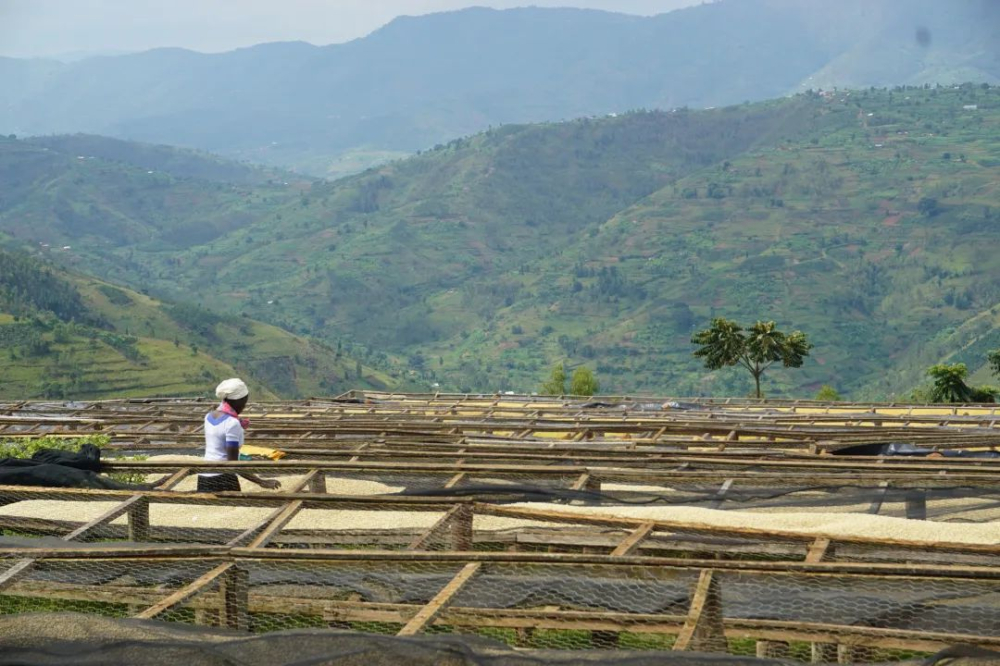
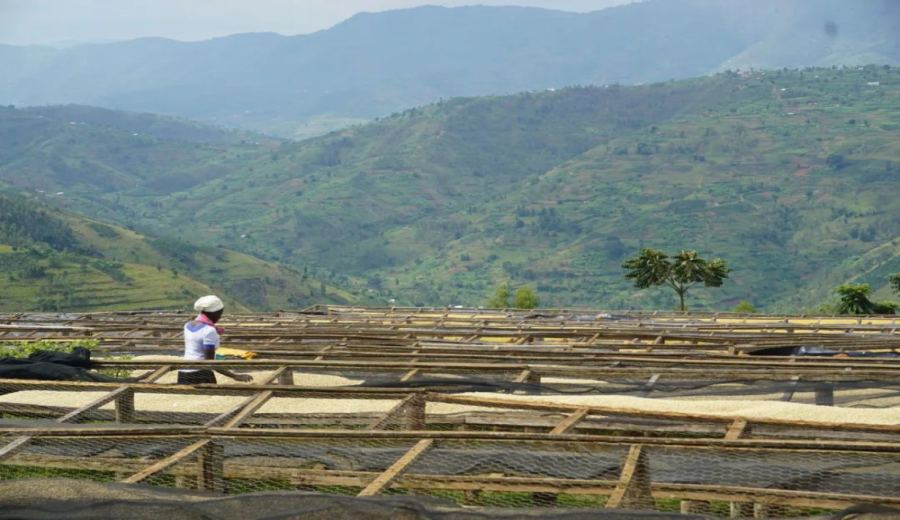
Hambella is situated in southern Ethiopia, within the Oromia region, adjacent to the well-known Yirgacheffe zone, yet at a higher elevation and cooler climate. This area is not only one of the highest-altitude sub-regions within the Guji zone but also benefits from stable microclimates and unique soil characteristics, giving rise to its distinct coffee profile. Local farmers typically harvest only fully ripe, red coffee cherries to ensure consistent maturity. In terms of processing, the refined natural method is commonly used, where parchment coffee is placed on African raised beds with strictly 2 to 3 layers to ensure proper ventilation and even sun exposure.
During the natural drying process, coffee farmers conduct multiple rounds of manual sorting based on changes in fruit color. Typically, in the first three days of drying, they handpick twice daily, removing about 10% of beans that do not meet standards each time. Subsequently, the beans are turned every three hours, while shaded during midday and at night to protect them from rain or morning dew affecting fermentation. The entire sun-drying period lasts around 21 days, allowing the coffee to gradually develop complex sweet and fruity notes through slow fermentation. This traditional yet meticulous processing approach results in Hambella coffee’s rich and layered flavor profile.
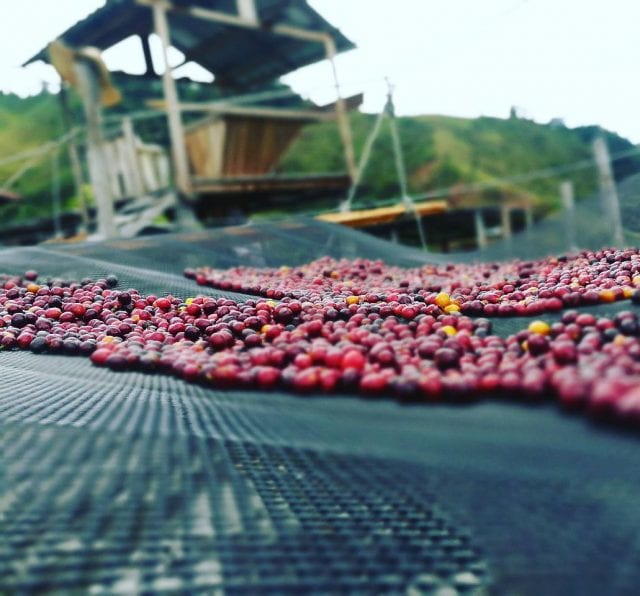
Currently, the Hambella region is home to nearly 20 processing facilities of varying sizes, including modern setups operated in partnership with international buyers. For example, since 2016, Hongshun Company has established several collaborative natural processing mills in GUJI Hambella, including core estates in different villages such as the Dire Church Processing Mill, Mansa Shantang Processing Mill, Bobea Red Flag Processing Mill, and the Goro Baessa Spring Water Processing Mill at an altitude of 2,280 meters. Goro Baessa is a small village nestled among mountains, and during the December harvest season, the landscape is filled with coffee trees heavy with red cherries, while the processing site displays neatly arranged beans awaiting sun drying—showcasing a strong local coffee culture.
When it comes to the most representative coffee of the Hambella region, “Huakui” is undoubtedly the most talked-about name in recent years. The precursor to this coffee bean was a natural lot produced in 2017 by the Buku Aebl processing mill under DW Company, which won the championship in the natural category of the TOH (Tiny Coffee Tasters of the World) competition that year. Initially introduced to China by a green coffee importer and named “Huakui,” this champion lot exhibited intense strawberry and creamy aromas, quickly generating buzz in the market. In the same year, Beijing-based barista Li Jianfei also earned second place in the China regional round of the World Brewers Cup using this coffee, further boosting its fame. It is worth noting that at the time, this bean still carried the prestige of the 2017 TOH champion.
In terms of parameters, these natural-processed coffee beans from the Guji Hambella region typically grow at altitudes between 2,250 and 2,350 meters, mostly of local landrace varieties, and are processed using the natural sun-drying method. Their flavor profiles often feature floral notes, tropical fruits such as jackfruit, candied fruit-like sweetness, and soft apricot tones. They offer a juicy mouthfeel and a long-lasting aftertaste. These qualities have made them highly sought-after by pour over enthusiasts and specialty coffee aficionados alike.
Looking back at the overall export situation of Ethiopian coffee, it has long been a crucial source of foreign exchange earnings for the country. According to historical statistics, since the 1990s, Ethiopia’s coffee exports gradually increased from 58,000 tons to reach 110,000 tons in the 1995–1996 season, maintaining stability over that period. In the 2002–2003 season, exports further climbed to 127,000 tons. However, the prolonged downturn in international coffee prices over the past decade once caused coffee export revenue as a proportion of Ethiopia’s total foreign exchange to drop from over half to around 35%. Fortunately, since 2002, coffee prices began to rebound—from just 41 cents per pound in September 2001, to 59.7 cents in 2003, and reaching 60.8 cents per pound in March 2004, marking an increase of over 50%, bringing new hope and development opportunities to the producing regions.
The above content is compiled by CoffeeHunters, a coffee news website.


