








Introduction:Want to brew a richly layered, non-bitter iced pour over coffee at home? This article uses dark-roasted Golden Mandheling as an example to deeply explore how adjusting the coffee-to-water ratio, ice proportion, and pouring technique can help preserve intense chocolate, maple syrup, and nutty aromas in your iced coffee, while maintaining a smooth and non-cloying mouthfeel. Follow the steps, and you too can enjoy a refreshing summer-style cold brew experience.
On hot summer days, a chilled cup of coffee can instantly refresh your spirit. However, many people attempting iced pour over at home often find their coffee tasting watery, weak, and bitter, with the intended caramel and nutty flavors being diluted by excessive ice. How can you brew a cup that’s cool yet still full-bodied? A long-time enthusiast of Golden Mandheling shared refined iced pour over techniques, where the key lies in balancing the coffee-to-water-to-ice ratio and using delicate pouring methods—successfully producing a black coffee that is not only free from bitterness but also showcases a silky-smooth texture reminiscent of chocolate, maple syrup, and cream.
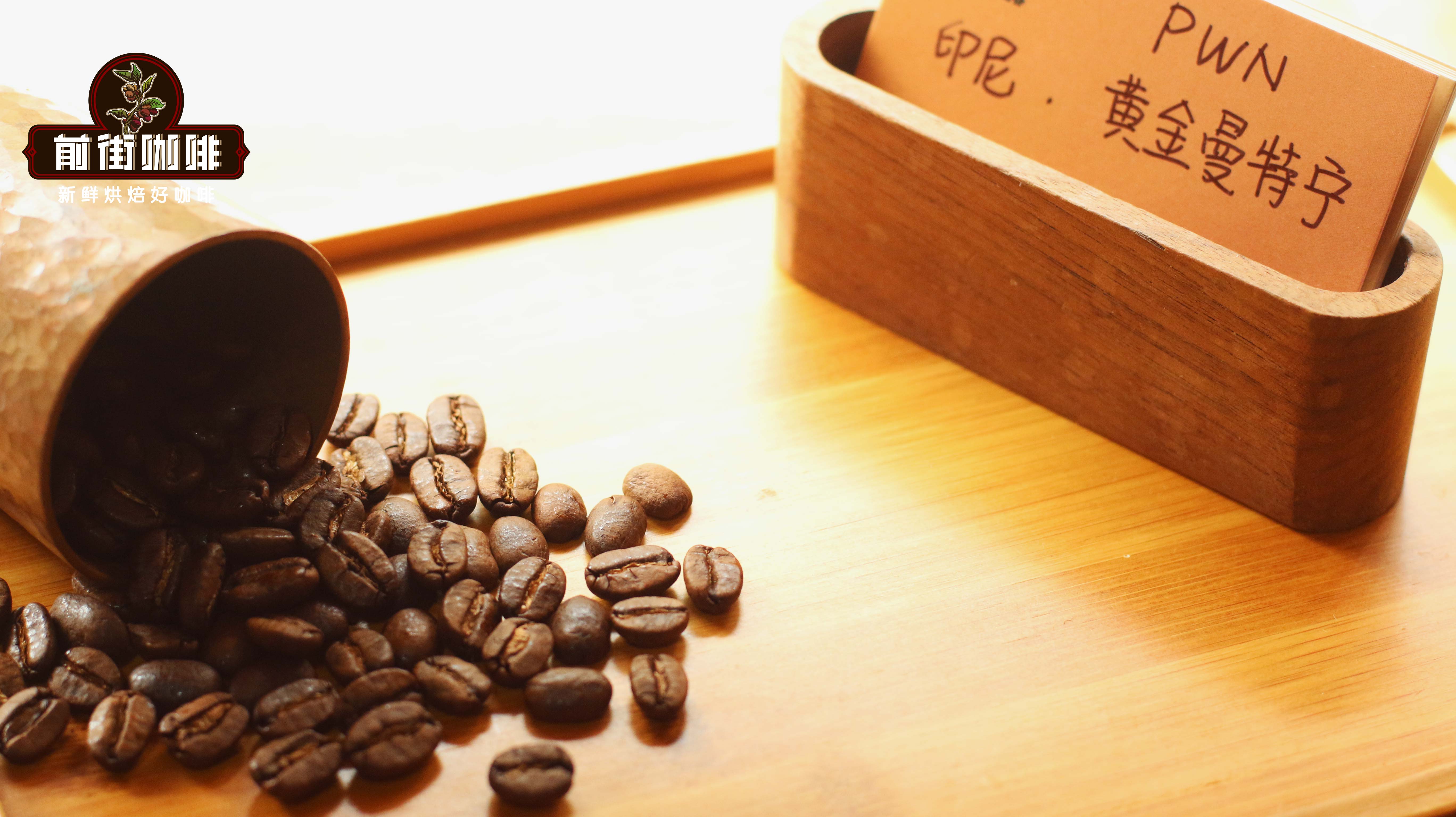
 Choosing the right coffee beans is the first step to success. This guide features classic dark-roasted beans—Golden Mandheling—which have plump, uniformly sized beans that not only aid in stable grinding but also release more consistent and complex flavors during brewing. It’s worth noting that due to their looser structure, dark roasted beans can easily extract excessive large molecules if brewed with too high a water temperature (e.g., above 90°C), leading to undesirable flavors such as smokiness, woody notes, or burnt harshness.
Therefore, it is recommended to use low water temperature combined with coarse grind size, along with a slower-flowing filter such as KONO, cake dripper, or Kalita, which helps extend extraction time and concentrate the flavors. The demonstrated coffee-to-water-to-ice ratio is 1:10:5, meaning for every 1 gram of coffee grounds, use 10 milliliters of hot water and 5 grams of ice, achieving an overall balanced flavor without being overly intense.
 In practice, it’s advised to pre-place 100 grams of ice in the lower vessel as a base, helping to instantly cool and maintain the ideal temperature during brewing. Then proceed with a five-stage pouring method, with 40 milliliters per stage for a total of 200 milliliters of water, using a steady and gentle small circular pour. This effectively avoids excessive agitation of the coffee bed and further enhances extraction uniformity.
The first stage involves pouring 40 milliliters of hot water, gently forming a “burger” shaped coffee bed, allowing the grounds to bloom for about 30 seconds. This helps initiate the release of aromatic compounds. After blooming, proceed to the second stage of pouring, maintaining a small stream and slowly circling from the center, creating a circle slightly larger than a one-yuan coin. Be careful not to pour too high to avoid excessive disturbance. When slight ripples or a slight depression appear at the center of the liquid surface, proceed to the third 40-milliliter pour, and so on, until all five stages are completed.
 The overall extraction time is recommended to be between 1 minute 55 seconds and 2 minutes 10 seconds, with slight adjustments based on actual pouring speed and flow rate. Once all the hot water has dripped through, remove the filter, gently shake to mix the coffee liquid with the ice, allowing the chilling process to naturally dilute the concentration while preserving the flavor layers. Feel the temperature with your hand, and once the coffee reaches a pleasantly cool drinking state, it’s ready to enjoy.
This iced pour over Golden Mandheling is silky on the palate, free from bitterness, and the lower temperature highlights the captivating aromas of chocolate, maple syrup, and nuts, with a creamy smoothness in the aftertaste. As the ice gradually melts, the coffee concentration naturally lightens, resulting in a refreshing mouthfeel, yet the overall aroma remains rich. After swallowing, you can still sense the lingering notes of caramel and cedarwood in your mouth—perfect for savoring slowly on a hot afternoon.

The above content is compiled by CoffeeHunters, a coffee news website.


