







Category: Coffee Knowledge
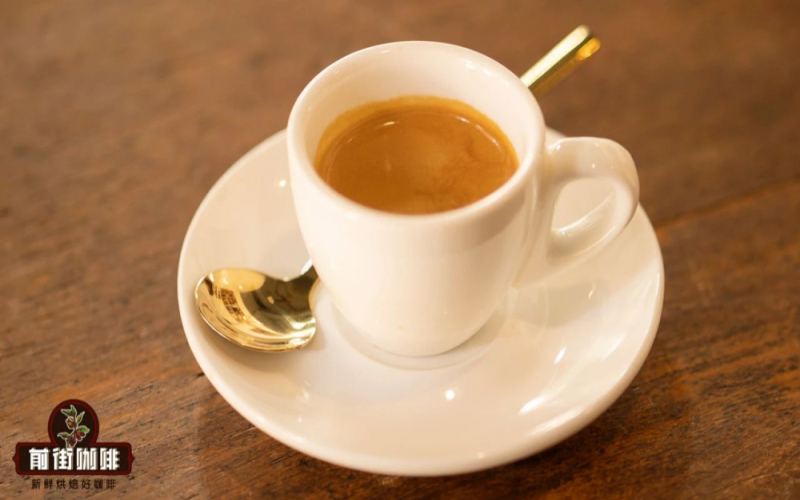
Espresso Beginner's Guide: A Complete Breakdown from Definition to Extraction and Tasting
Espresso is the soul of Italian coffee and the foundation of classic drinks like lattes and cappuccinos. This article delves into the historical origins, basic definition, and unique flavors of espresso, provides a detailed explanation of the extraction process and key parameter settings, and guides you through understanding the visual and taste characteristics of its three-layer structure. It also offers professionally recommended coffee bean selections and practical brewing methods to help you go from beginner to expert and master the secrets of making the perfect shot of espresso. [more…]

A Complete Guide to Brazilian Santos Coffee: Classic Bean Flavor and Roasting Tips Ideal for Pour Over and Espresso
Want to learn about Brazil’s most iconic export coffee? Santos coffee is not only one of the most traded coffee varieties in the world but also the foundation of many blended beans. This article takes an in-depth look at this classic bean from the state of São Paulo, covering everything from regional characteristics and grading standards to the best roasting methods. Discover its unique mild, mellow, low-acid, and balanced flavor profile, along with practical brewing parameters suited for both pour over and espresso. [more…]

How to distinguish between Indonesian Mandheling and Golden Mandheling? A complete breakdown of PWN certification and selection processes
Golden Mandheling is often hailed as the representative of high-quality Mandheling, but with numerous versions on the market and significant price variations, it’s difficult for consumers to discern the genuine article. This article delves into the origins of Golden Mandheling, the five rigorous selection processes by PWN, the issue of elephant bean defects caused by the wet-hulled processing method, and explains why it commands such a high price. It also provides methods for identifying authentic beans, including sack numbers and certificate authentication, along with pour over flavor profiles to help you make an informed purchase. [more…]
A Complete Introduction to Hawaii's Coffee Growing Regions: From Kona Flavors to Small-Farm Roasting Secrets
Explore the historical development and regional characteristics of Hawaiian coffee, from its first introduction in 1825 to today’s renowned Kona region and emerging sub-regions. Learn about their unique flavor profiles, certification systems, and roasting recommendations. This article takes you deep into one of the world’s top coffees—Hawaiian beans—and covers key points for selection and brewing. [more…]
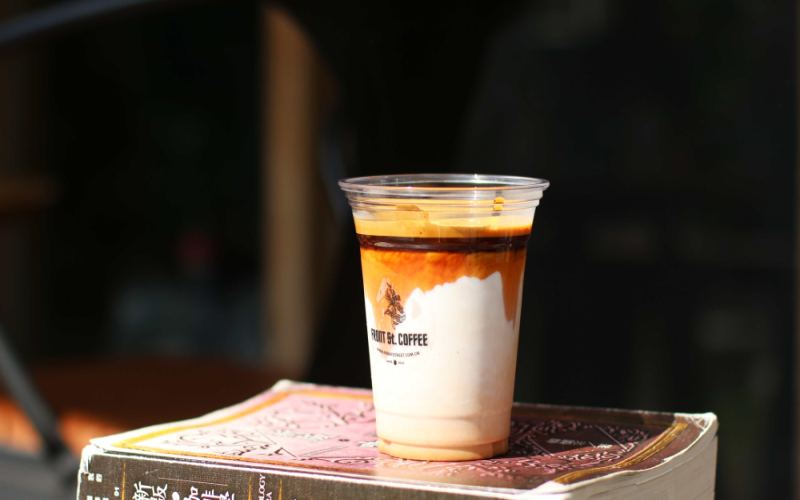
Espresso 101: From Extraction Parameters to Flavor Analysis — Learn How It Differs from Americano
Espresso (Espresso), as the core base of many coffee beverages—whether it's latte, cappuccino, or Americano—all are derived from it. Understanding its flavor characteristics, suitable bean varieties, and standard extraction parameters can help you better appreciate and choose the coffee that suits you. This article will detail the unique flavors of espresso, the differences in using single-origin vs. blended beans, and how its taste compares to Americano, helping you master it from beginner to advanced levels. [more…]

Five Floral Coffee Recommendations | A Comprehensive Guide to Pour Over Flavor Profiles and Brewing Techniques
The floral notes in coffee are not imaginary but a truly perceptible sensory experience. Ranging from clean white floral aromas to enchanting sweet rose fragrances, different growing regions and processing methods create a diverse array of aromatic expressions. This article selects five representative floral coffees—including Panamanian washed Geisha, washed Gu Ding Ding, Strawberry Candy, Mozart, and Gold Label Geisha—to deeply analyze their unique aroma profiles and suitable brewing methods. It also highlights the extraction stages where floral notes are most pronounced, helping you appreciate them more precisely. [more…]
The Evolution of Coffee and Café Culture: An In-depth Analysis from History to Modern Social Spaces
Coffee is more than just a daily pick-me-up, and cafés are more than just places to buy a cup of coffee. Originating in the Arab world in the 16th century and evolving through the Enlightenment in 18th-century Europe, coffee and cafés have long been deeply integrated into the fabric of Western cultural development. This article will take you through how coffee transitioned from a mysterious trade commodity to a form of lifestyle aesthetics and social culture, while also exploring the public functions and humanistic significance carried by cafés across different eras. [more…]
Late-night pour over coffee social media caption | A moment of solitude, flavor contemplation, and emotional healing
When the city falls into silence, the rich aroma of a cup of pour over coffee becomes the perfect companion for late-night solitude. This article curates inspiring social media captions suitable for sharing at midnight, blending delicate descriptions of the pour over process with flavor experiences — from the first whiff of aroma during the bloom to the lingering aftertaste after swallowing, guiding you to feel the emotional resonance that coffee brings in moments of loneliness. The article also explores how adjusting brewing parameters (such as water temperature at 90–93°C and a coffee-to-water ratio of 1:15) can enhance the layered flavors of the coffee. [more…]
A Complete Guide to Jamaica Blue Mountain Coffee Grades, Export Regulations, Authenticity Identification & Flavor Profile
Jamaica Blue Mountain coffee is world-renowned for its unique flavor and strict grading system, yet many consumers remain unclear about its classification standards and export regulations. This article provides an in-depth analysis of the official grade classifications, barrel packaging specifications, origin certification system, and the handling of defective beans—helping you identify truly high-quality Blue Mountain coffee and avoid counterfeit products. [more…]

From Ethiopia to Panama: The Discovery and Flavor Profile of the Geisha Coffee Variety
Do you know why a coffee bean can be named after its variety and even fetch a sky-high price? The story of Geisha coffee begins in the wild forests of Ethiopia and eventually shines at Panama’s Hacienda La Esmeralda, becoming the dream coffee of specialty coffee lovers worldwide. This article will delve into the origins of Geisha, the story behind its name, and how it developed its unique flavor profile in Boquete, Panama. We’ll also provide practical brewing tips and parameters to help you better understand this “aroma bomb.” [more…]
Analysis of Panamanian Geisha Flavors: From Ethiopian Origins to an Entry Guide for Specialty Pour Over
Geisha coffee is a star variety in the specialty coffee world, renowned for its unique floral and tropical fruit aromas. Its name originates from the Gesha Mountains in Ethiopia, but it truly shines at Panama’s Hacienda Esmeralda. This article will trace the naming origins and varietal evolution of Geisha, delve into the geographical advantages of the Boquete region, and share practical pour over roasting and brewing parameters, helping you gain a more comprehensive understanding of this highly acclaimed coffee bean. [more…]
Jamaica Blue Mountain No.1 – Clifton Estate: A Complete Guide to Flavor Profile & Planting History
Renowned for its delicate and balanced aroma, rich body, and bright acidity, Jamaican Blue Mountain coffee stands among the finest in the world. Among its many estates, the Clifton Estate is one of the oldest and still-operating coffee farms in the Blue Mountain region—truly a classic among classics. This article delves deep into the history, geographical conditions, quality management system, and cupping flavor characteristics of this high-altitude farm (4,300 feet above sea level), helping you fully understand the story and fine details behind this top-tier coffee. [more…]

The Complete Beginner’s Guide to Pour-Over Coffee Bags: Mastering Flavor Identification and Top Picks in One Go
Pour-over coffee bags combine the layered flavors of pour over brewing with the convenience of ready-to-drink coffee, making them a top choice for many coffee beginners. This article delves into the core features of pour-over coffee bags, introduces common roast flavor profiles, and curates a selection of beginner-friendly pour-over coffee packs. Covering a full range from light to medium-dark roasts, it also provides clear and easy-to-follow brewing illustrations, allowing you to easily enjoy café-quality black coffee at home. [more…]

Why is Kenyan coffee sweet and bright with vibrant acidity? A practical guide to varieties, double-washed processing, and cold drip pour over
Kenyan coffee is renowned for its distinctive bright fruity acidity and rich berry-like juiciness. Behind its flavor profile lies a perfect combination of high-altitude cultivation, classic coffee varieties, and refined processing techniques. This article delves into the characteristics of the SL-28 and SL-34 varieties, the key steps of the K72 double-washed method, and guides you through the optimal parameters for three cold coffee brewing methods suited to Kenyan beans—iced pour over, cold drip, and cold brew. From origin to cup, we offer a comprehensive exploration of this vibrant specialty coffee. [more…]
Kenyan Coffee Flavor Profile: SL28 Variety, K72 Washed Process, and Beginner's Guide to Iced Brewing
Kenyan coffee is renowned for its intense acidity and rich berry flavors. Its distinctive taste originates from high-altitude volcanic environments, classic SL-28 and SL-34 varieties, and the refined K72 double-washed processing method. This article delves into Kenya’s terroir conditions, varietal background, processing techniques, and provides a detailed guide to three brewing methods—iced pour over, cold drip, and cold brew—that best highlight its bright acidity. It helps coffee enthusiasts master key parameters to brew balanced and vibrant Kenyan coffee at home. [more…]

How to choose the coffee-to-water ratio for latte, americano, and espresso? Tested flavor differences across three popular ratios
Using the same coffee beans, simply adjusting the coffee-to-water ratio can dramatically alter the flavor profiles of espresso, latte, and americano. This article takes a Colombia-Brazil blend as an example, using 20 grams of coffee grounds to conduct extraction tests at three ratios: 1:1, 1:1.5, and 1:2. We take an in-depth look at how different ratios impact the acidity-sweetness balance, layering, and aftertaste of the espresso base and the final beverages (including lattes and americanos), and offer practical selection tips. [more…]
How to Make Latte and Espresso? A Practical Analysis of Brew Ratios and Their Impact on Flavor Layers
You may not know that using the same coffee beans and grind settings, simply adjusting the brew ratio can dramatically alter the flavor profiles of espresso, latte, and Americano. This article delves into the specific effects of three common extraction ratios—1:1, 1:1.5, and 1:2—on a coffee’s acidity, sweetness, layers, and aftertaste. Based on professional practical testing, it helps you find the optimal flavor balance tailored to your taste. [more…]
Complete Guide to Jamaican Blue Mountain Coffee: Origin, History, and How to Identify Authenticity
Jamaican Blue Mountain coffee is hailed as one of the finest coffees in the world. Its delicate and balanced flavor profile, coupled with its rare production volume, makes it the dream taste for coffee enthusiasts. This article will delve into the growing environment, historical background, grading system, and current market status of Blue Mountain coffee, helping readers fully understand the charm and key identification points of this legendary coffee. [more…]
A Comprehensive Guide to the Three Major Coffee Varieties: From Flavor to Cultivation, Learn How to Choose the Right Coffee Beans
Did you know that the flavor of a cup of coffee is actually determined at the seed stage? Arabica, Robusta, and Liberica — these three primary coffee species not only differ significantly in appearance and flavor, but also vary greatly in their environmental adaptability and cultivation requirements. This article will take you deep into the essence of these three types of coffee, covering everything from botanical characteristics, regional distribution, climate and soil needs, cultivation processes, to grading systems around the world. It will help you better understand and grasp the flavors when selecting and brewing coffee in the future. [more…]
The Science of Latte Art: A Comprehensive Guide to Surfactants and Foam Stability
Want to understand the science behind latte art? From the role of surfactants to foam stability, this article breaks down the differences between free-pouring and etching techniques, reveals how milk proteins and coffee oils form long-lasting foam, and explains why the combination of these two types of foam is the key to success. Mastering this knowledge not only enhances your latte art skills but also helps you understand the principles behind everyday emulsifiers. [more…]