








Introduction:Kenyan coffee is renowned for its distinctive bright acidity and rich berry-like juiciness. Behind this flavor profile lies the perfect combination of high-altitude cultivation, classic coffee varieties, and meticulous processing techniques. This article delves into the characteristics of the SL-28 and SL-34 varieties, the key steps of the K72 double washed process, and guides you through the parameters for making three types of iced coffee—iced pour over, ice drip, and cold brew—that suit Kenyan beans. It offers a comprehensive exploration of this vibrant specialty coffee from origin to cup.
Kenyan coffee holds a unique place in the global specialty coffee market, thanks to its distinctive bright acidity and full-bodied berry-like juiciness. This unforgettable flavor stems from its exceptional terroir, classic coffee varieties, and the unique K72 double washed processing method. This article will analyze the factors behind Kenyan coffee’s flavor from multiple perspectives and share methods for making iced coffee that best highlight beans with pronounced acidity.

Located in East Africa, Kenya is crossed by the equator and features mostly highland terrain, with an average elevation of about 1,500 meters. Its highest peak, Mount Kenya, rises to 5,199 meters, making it the second highest mountain in Africa. Such topography places most of Kenya’s coffee-growing regions in volcanic soil zones at altitudes between 1,600 and 2,100 meters, where the cool climate and significant diurnal temperature variation help coffee cherries ripen slowly, accumulating richer aromatic compounds. This results in the intense flavors and bright acidity that define Kenyan coffee.
Kenya’s coffee harvest season occurs twice a year, primarily from June to August and again from October to December. This biannual harvest characteristic allows coffee farmers to continuously refine their picking and processing techniques. Among the many factors influencing coffee flavor, variety plays a pivotal role, with SL-28 and SL-34 being the soul varieties of Kenyan coffee.

SL-28 and SL-34 are varieties developed in the 1930s by the Scott Laboratories (abbreviated as SL) under commission from the Kenyan government. The goal was to identify coffee tree varieties that could thrive in highland environments, resist disease, and deliver outstanding flavor performance. These two varieties not only adapt well to high-altitude cultivation but also exhibit rich acidity and complex fruit notes, forming the cornerstone of Kenyan coffee’s unique flavor.
Kenyan coffee is generally processed using the washed method, and is particularly famed for its refined K72 double washed process. The hallmark of this method is that the coffee cherries undergo two rounds of fermentation, which not only enhances cleanliness but also amplifies the layers of acidity and flavor. The specific process includes: first floating to remove defective cherries, then removing the pulp and conducting the first fermentation (about 24 hours), followed by washing and transferring to a second fermentation tank for another 36 hours. The entire process takes at least 48 hours, sometimes even extending to 72 hours.
During fermentation, the coffee beans interact with microbes in the water, producing more acetic acid and other organic acids, thereby intensifying the coffee’s bright acidity and fruity aromas. It is worth noting that overly long fermentation can lead to over-extraction and undesirable flavors, so strictly controlling water temperature, water change frequency, and fermentation duration is crucial. After fermentation, the beans are washed multiple times to remove residual mucilage, then sun-dried to ensure a stable moisture content of around 11%.
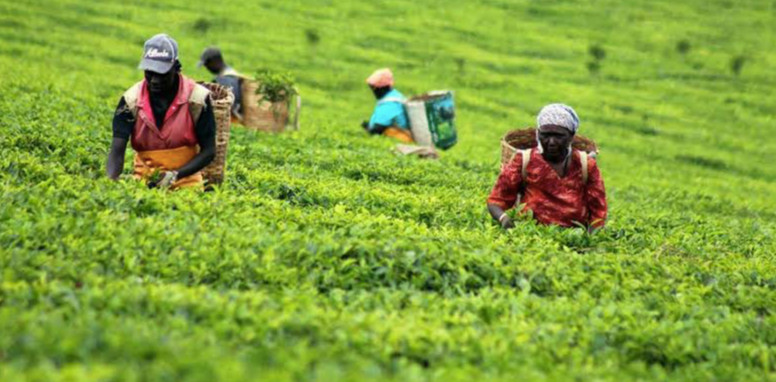
This double washed process not only enhances the coffee’s acidity and clarity but also gifts Kenyan coffee with vivid flavor characteristics such as berries, citrus, and grapefruit. For example, beans from the Assaria factory often exhibit notes of blackcurrant, grapefruit, and subtle cherry tomatoes; whereas the “cherry tomato” beans from the Thika region are distinguished by their intense berry aroma, delicate floral notes, and long-lasting cherry tomato tones, making them ideal for medium-light roasts to showcase their layered flavor profiles.
Owing to their pronounced acidity and fruity character, Kenyan coffee is particularly well-suited for iced coffee preparations such as iced pour over, ice drip, and cold brew, all of which can fully express its freshness and complexity. Below are three common iced coffee brewing methods along with recommended parameters:
For iced pour over, it is recommended to use 15 grams of coffee grounds with a brew ratio of 1:10, along with 75 grams of ice, and a water temperature of 92°C. The grind size should be medium-fine (e.g., EK43s setting 9.5, with 80% passing through an 0.85mm sieve). First, place the ice in the server, then put the coffee grounds into the filter and gently tamp them flat. The first pour is 30 grams of hot water for a 30-second bloom, followed by a second pour of 60 grams, and finally another 60 grams. The total brew time is approximately 1 minute and 50 seconds to 2 minutes. It is advisable to use large, solid ice cubes to minimize melting and maintain extraction stability.
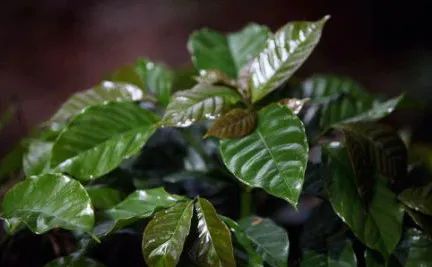
For ice drip coffee, it is recommended to use 60 grams of coffee grounds to extract 600 milliliters of coffee, maintaining a 1:10 brew ratio and a dripping rate of about 3 drops per 10 seconds, using a mixture of ice and water. The total extraction time is around 8 hours. After extraction, seal the coffee and refrigerate it for 48 hours to allow the flavors to meld further.
Cold brew coffee is relatively simple to make: use 50 grams of coffee grounds with 500 milliliters of cold water, also at a 1:10 brew ratio. Stir well, then seal and refrigerate for 8 to 14 hours. After extraction, filter the coffee grounds with paper. You may choose to refrigerate for another 3 to 4 hours to allow the flavors to settle further. This method is ideal for those who enjoy a refreshing, sweet-tart taste.
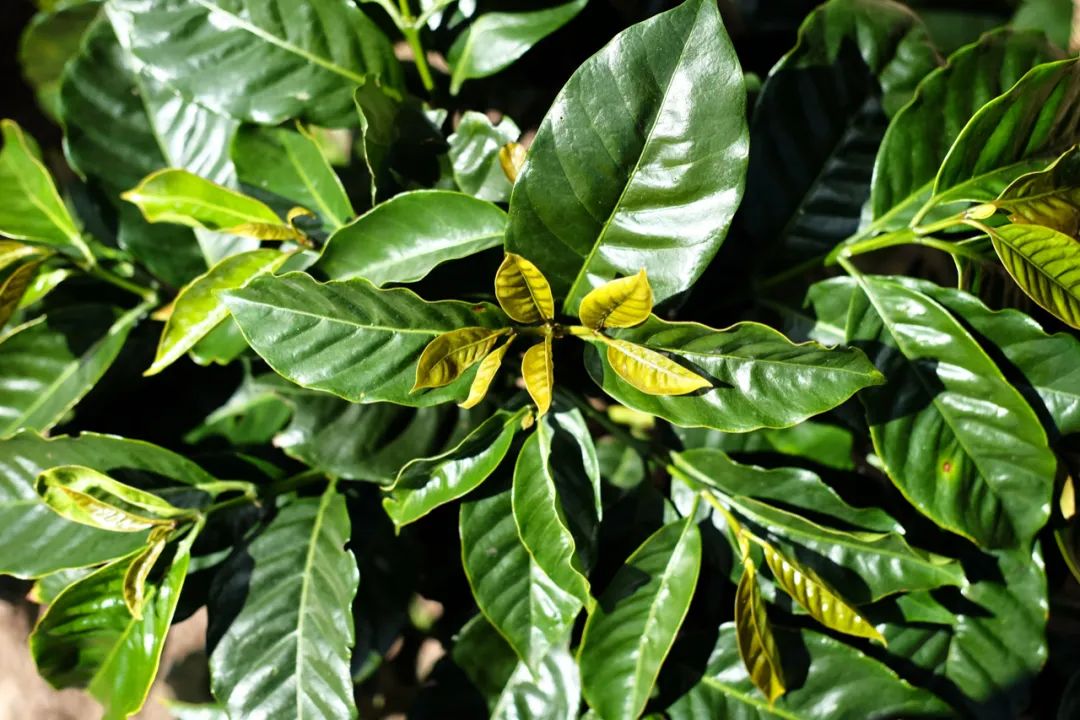

The above content is compiled by CoffeeHunters, a coffee news website.


