








Introduction:Espresso is the core foundation of many coffee beverages, from lattes and cappuccinos to Americanos—all are derived from it. Understanding its flavor characteristics, suitable bean varieties, and standard extraction parameters can help you better appreciate and choose the coffee that suits you. This article will detail the unique flavors of espresso, the differences in using single-origin versus blended beans, and how it compares in taste to Americano, guiding you from beginner to advanced level with key insights.
Espresso is a common base in coffee shops around the world and a key element in many classic coffee drinks, such as lattes, cappuccinos, and Americanos, all of which are extensions of it. This intense coffee, extracted quickly under high pressure, has a unique taste and flavor profile. For those new to the world of coffee, it is both attractive and potentially intimidating due to its strong flavor.
A good espresso should have a rich yet balanced taste. Many people, upon their first taste, may find its pronounced intensity and bitterness off-putting. However, an ideal espresso should have layered bitterness accompanied by a pleasant aftertaste. If your espresso tastes overly burnt or bitter, or if you feel a significant astringency in your throat, it may be due to over-roasting or improper extraction parameters.

The flavor of espresso comes largely from the coffee beans used, but it is also closely related to extraction techniques. Variables such as pressure, water temperature, grind size, and time during extraction all affect the final flavor. Generally, espresso made with blended beans is more likely to achieve a stable and full-bodied profile because blends typically combine beans from different regions. By adjusting the ratio and using medium to dark roasting, it brings out a rich taste and balanced acidity, sweetness, and bitterness, while also avoiding unpleasant flavors that can arise from single-origin beans under pressure.
For example, a blend with a nutty aroma might commonly include washed Colombian beans and semi-washed Brazilian beans—the former providing clear nutty and caramel notes, while the latter contributes a rich and stable base. After medium to dark roasting, characteristic flavors such as dark chocolate, caramel, and roasted nuts become more pronounced, making it suitable as a daily base.
In contrast, if you want to explore a more nuanced espresso, you can try one made with single-origin beans (also known as Single Origin Espresso, or SOE). The biggest feature of SOE is its ability to showcase the unique flavor profile of its origin. For instance, some coffee beans from Central or South America, when moderately roasted, can retain bright fruit acidity and floral-fruity aromas, allowing espresso to present a diverse profile similar to pour over.
For example, a medium-roasted Costa Rican bean, when extracted as an SOE, may show distinct berry acidity, red floral notes, and sweet dried fruit tones—flavors often found in pour over but more concentrated and intense in espresso form, appealing to coffee enthusiasts who enjoy exploring details. Another medium-roast Costa Rican bean might offer the sweet aroma of raisins and soft floral notes, with balanced acidity and sweetness, suitable for users wanting to experience different regional profiles.
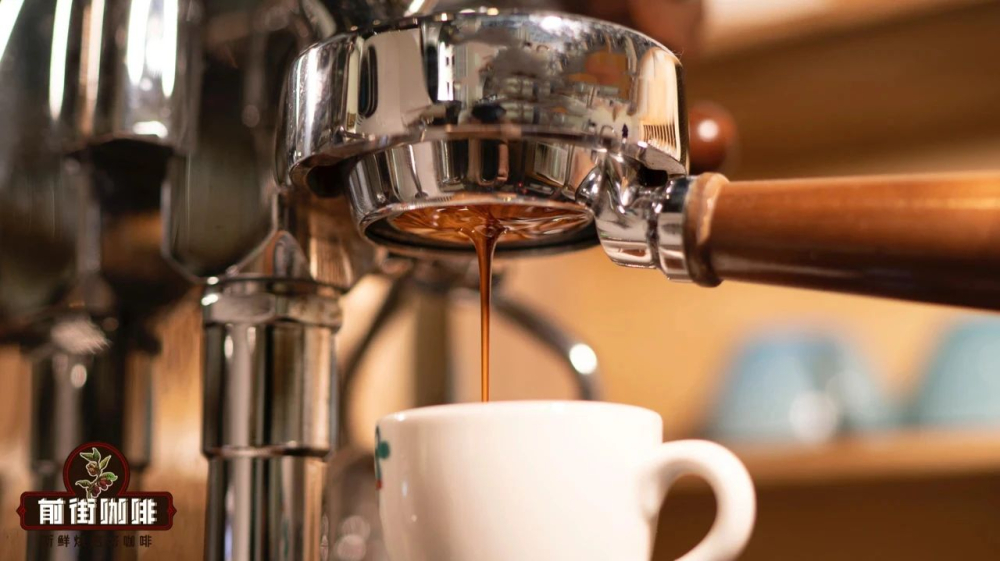
When actually extracting espresso, it’s recommended to fine-tune based on the espresso machine model, grinder characteristics, and bean condition, but the following basic parameters can generally be used as a starting point: using about 20 grams of coffee grounds, at a 1:2 coffee-to-water ratio, under 9 bars of pressure, to extract about 40 grams of espresso, with the total extraction time controlled between 25 to 30 seconds. These parameters are suitable for most commercial and home semi-automatic espresso machines, but in practice, adjustments should be made in real time based on the color, flow rate, and flavor profile of the espresso—for example, if the flow is too fast, consider adjusting to a finer grind or increasing tamp pressure; if there’s excessive sourness or bitterness, you may need to coarsen the grind or shorten the extraction time.
When discussing the difference between espresso and Americano, the most直观 distinction lies in concentration and flavor expression. An Americano is typically made by adding hot water to a shot of espresso, with common ratios ranging from 1:1 to 1:3 depending on personal taste. Therefore, compared to espresso, an Americano has lower intensity, making acidity and subtle flavors more perceptible. It serves as a more approachable option for consumers new to espresso.
Some delicate aromas in coffee, such as citrus, floral notes, or certain fruit acids, may be masked by the intense flavor in espresso but can become clearer when appropriately diluted. So, if you find the strong flavor of pure espresso overwhelming, you might try an Americano first, then gradually adjust the espresso-to-water ratio to find your ideal flavor balance.
The above content is compiled by CoffeeHunters, a coffee news website.


