







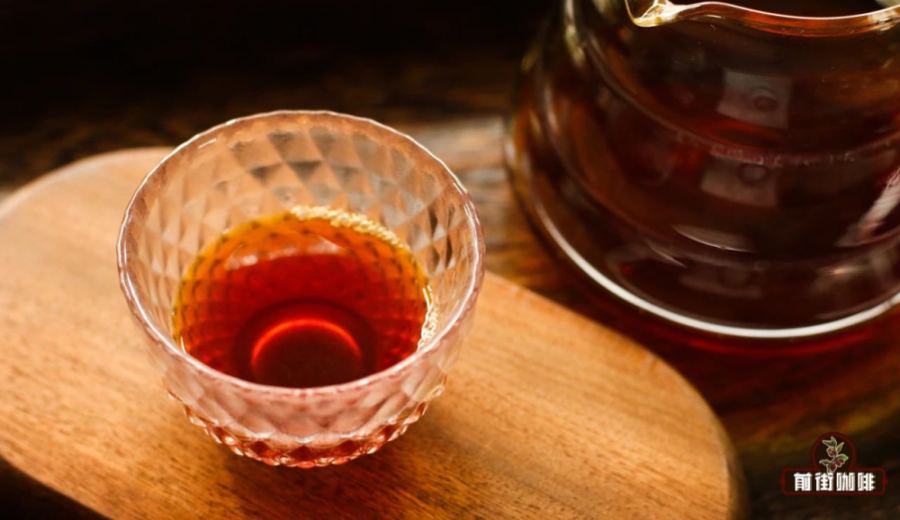
Introduction:Do you know why a coffee bean can be named after its variety and even fetch astronomical prices? The story of Geisha coffee begins in the wild forests of Ethiopia and eventually shines at Hacienda La Esmeralda in Panama, becoming the dream bean for specialty coffee lovers worldwide. This article will delve into the origins of Geisha, the story behind its name, and how its unique flavor profile developed in Boquete, Panama, along with practical brewing suggestions and parameters to help you better appreciate the charm of this “floral bomb.”
Geisha coffee is one of the most representative varieties in the global specialty coffee market and one of the few that is internationally renowned by its variety name alone. Unlike most coffees named after regions or farms, Geisha has gained fame through its distinctive floral notes, tropical fruit characteristics, and exceptional flavor complexity. It has won international competitions and become the “holy grail” for many coffee enthusiasts.
This coffee variety originally comes from the Kaffa Forest near Geisha Mountain in southwestern Ethiopia. It is a wild variety that was collected in 1931 by local research institutions aiming to find disease-resistant Arabica plants. Later, the Geisha variety was introduced to Kenya, Uganda, and Tanzania for trial planting but remained largely overlooked. It wasn’t until 1953, when it arrived at the CATIE Agricultural Research Center in Costa Rica under the code T2722, that it still failed to gain attention.
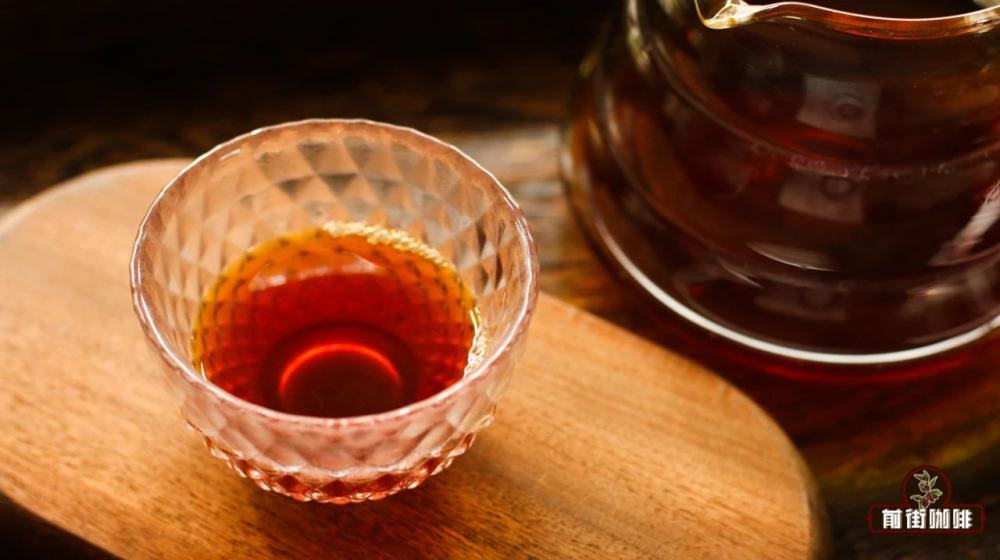
It wasn’t until the 1960s, when CATIE brought the variety to Panama, that it gradually found a suitable growing environment. Especially in the high-altitude farms of the Boquete region, Geisha truly began to realize its potential. In 2003, Daniel Peterson of Hacienda La Esmeralda unexpectedly discovered during cupping sessions on his high-altitude Jaramillo plot that this long-overlooked coffee possessed extraordinarily unique floral and fruity aromas along with remarkable acidity. He then decided to enter it in that year’s “Best of Panama (BOP)” competition.
Amazingly, this coffee—named Geisha—stood out among many traditional strong varieties with its distinct jasmine, citrus, peach, blueberry, and bergamot notes, and it won the competition championship outright. This marked the beginning of Geisha coffee’s rise to global fame. The following year, it claimed victory again in international competitions, solidifying its status as the “king of specialty coffee.”
As for the name “Geisha,” it is actually phonetically similar to the Japanese word for “geisha” (げいしゃ / Geisha), which is why it was initially referred to by some as “Geisha coffee.” However, due to the lack of any actual cultural or etymological connection, and to avoid misunderstandings or unnecessary cultural associations, the Chinese-speaking world gradually renamed it “瑰夏” (Guīxià), which not only closely matches the original pronunciation but also carries more beauty and poetic resonance.
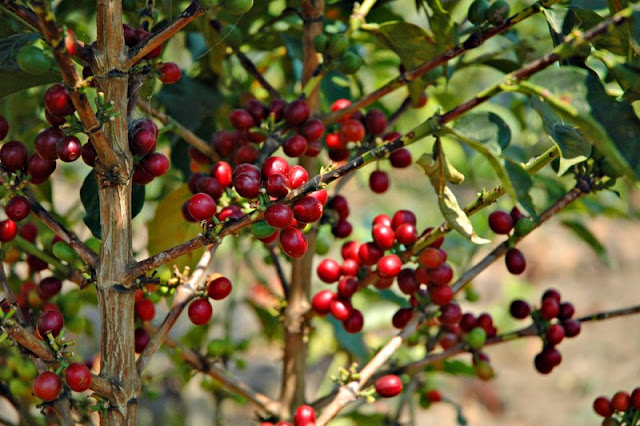
What makes this variety so precious is not just its outstanding flavor profile but also its unique growing characteristics. Geisha coffee trees are tall with long, slender leaves and have some resistance to coffee leaf rust, but they grow slowly and yield poorly, making commercial cultivation challenging. Moreover, its beans are long and slender, and once processed, they exhibit intense fruity sweetness and aroma, often described as drinking a “bouquet” or “freshly squeezed juice.”
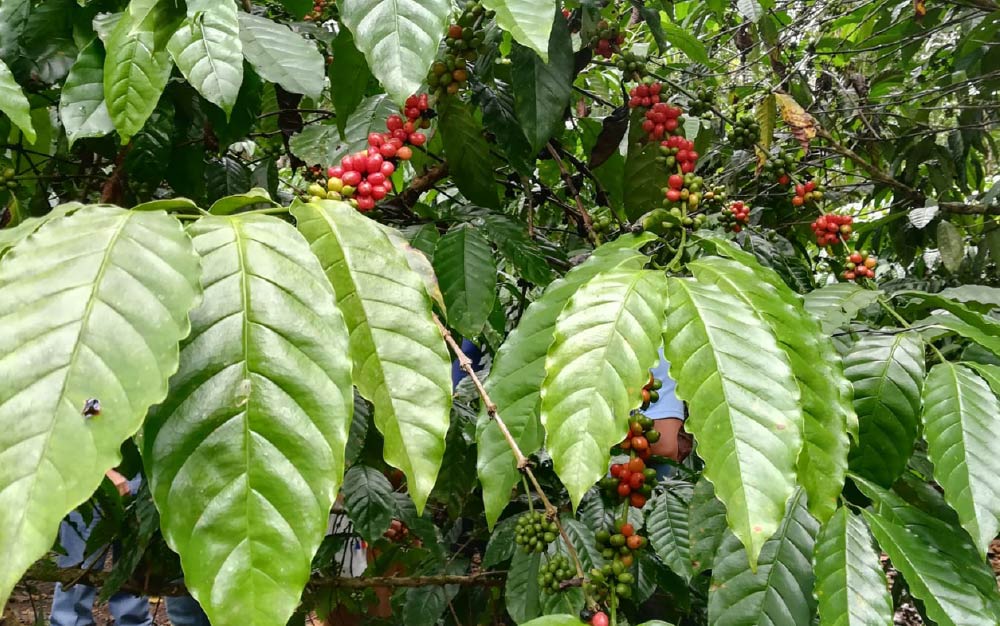
Currently, although countries such as Costa Rica, Colombia, Guatemala, and Malawi have introduced the variety, it is widely acknowledged that Panama’s Boquete region best showcases the potential of Geisha. This area lies on the eastern side of Volcán Barú, at elevations between 1,000 and 2,000 meters, featuring cool, humid climates with large day-night temperature variations and frequent cloud cover, providing ideal growing conditions.
The Boquete region boasts rich microclimates and fertile volcanic soils, allowing Geisha to express extremely delicate acidity, floral notes, and fruit characteristics. Well-known coffee brands often recommend Geisha from Hacienda La Esmeralda and Elida Estate, both from this region. Their washed processing method better preserves the clear outline of the variety’s inherent flavors.
In terms of processing, Geisha is mostly processed using either washed or natural (sun-dried) methods. Washed processing highlights cleanliness and regional flavor traits, making it suitable for those who prefer bright acidity and delicate mouthfeel. Natural processing, on the other hand, usually results in richer flavors with more pronounced sweetness and juiciness. A well-known coffee brand often recommends the washed version for its ability to better showcase the variety’s nuanced regional characteristics.
As for roasting and brewing, it is recommended to use a medium-light roast to preserve its bright acidity and complex floral and fruity aromas. In practice, a well-known coffee brand suggests using a V60 filter, with water temperature controlled at 91–92°C, a brew ratio of 1:15, and a grind size of approximately 80% passing through a #20 sieve (similar to the size of fine sugar), which can fully bring out the layers and aromas of Geisha.
During brewing, it is advised to pour in three to four stages, keeping the total brewing time between 2 and 2 minutes 30 seconds. This helps extract more aromatic compounds and sugar-like substances, highlighting the most iconic citrus, lemon, bergamot acidity of Geisha coffee, as well as the honey and green tea sweetness in the aftertaste.
In summary, Geisha coffee is not just a beverage but a journey exploring a variety that traverses Africa and the Americas. From its wild origins in Ethiopia to its stunning transformation in the highlands of Panama, it has become a legend in the specialty coffee world thanks to its unique flavor, low yield, and complex growing requirements. If you’d like to try brewing this “floral and fruity bomb” at home, follow the parameters above and experience how a single bean transforms into an art form in your cup.
The above content is compiled by CoffeeHunters, a coffee news website.


