








Introduction:For the same coffee beans, simply adjusting the coffee-to-water ratio can dramatically alter the flavor profile of an espresso, latte, or americano. This article uses a Colombian-Brazilian blend as an example, conducting extraction tests with 20 grams of coffee at three different ratios—1:1, 1:1.5, and 1:2—to deeply analyze how these ratios affect the acidity-sweetness balance, layering, and aftertaste of both the espresso base and the final beverages (including lattes and americanos), along with practical selection recommendations.
Many coffee enthusiasts, whether brewing at home or ordering in cafés, often wonder: if using the same coffee beans, with the same grind size and dose, can simply adjusting the coffee-to-water ratio change the flavor direction of the final drink? The answer is yes. In this experiment, we used a premium Colombian-Brazilian blend as the base, using 20 grams of coffee, and performed espresso extractions at three different coffee-to-water ratios—1:1, 1:1.5, and 1:2—and further prepared them into lattes and americanos to taste and compare the flavor differences. The practical test found that the coffee-to-water ratio not only affects the performance of the espresso itself, but also directly influences the final taste of milk-based and black coffees.
Experimental Setup: A Comparison of Three Ratios Under Fixed Conditions
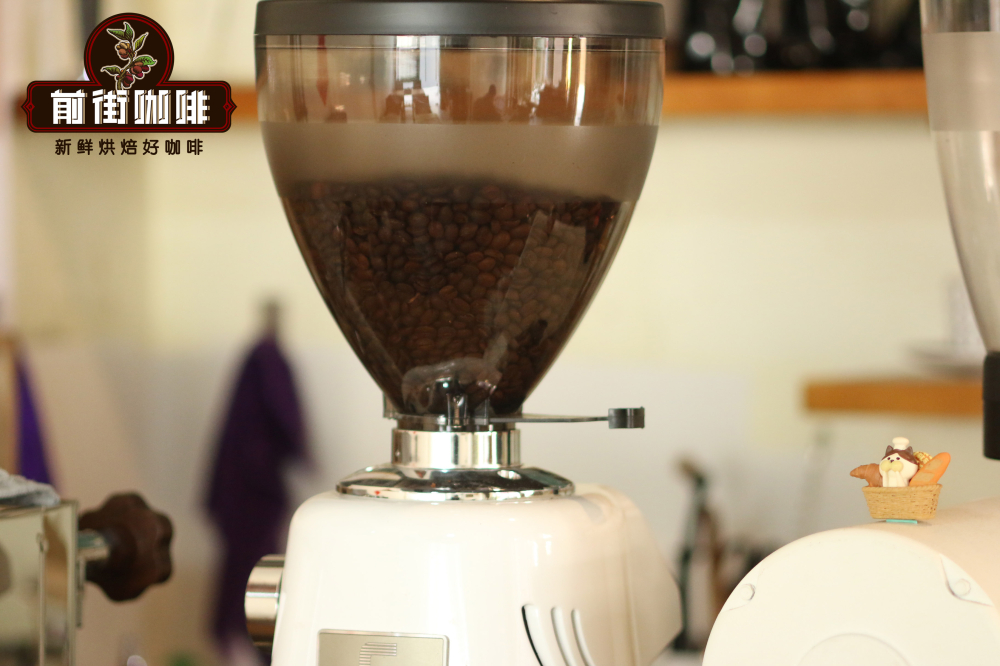
This test used a standard latte cup with a capacity of about 300 milliliters. The coffee beans selected were a premium Colombian-Brazilian blend, ground to a setting of 1.9 on the Pegasus 900N grinder (equivalent to a medium-fine grind, suitable for espresso extraction). The extraction tool was a single-shot portafilter, with a consistent dose of 20 grams of coffee, extracted at three different coffee-to-water ratios—1:1, 1:1.5, and 1:2—and the extraction time and final liquid yield for each ratio were recorded.

Coffee-to-Water Ratio 1:1: Bright Acidity, Surprisingly Sweet in Milk Coffee
At this ratio, 20 grams of coffee yielded 20 grams of espresso, with an extraction time of about 19 seconds. The resulting espresso was smooth on the palate, with a relatively bright acidity, featuring notes of cream and nuts, and a sweet sucrose-like finish with good persistence.
The latte made from this espresso had a nutty aroma as the dominant note, with layers of nuts, chocolate, and cream upon tasting, along with a hint of the softness of butter cookies. The overall sweetness stood out, with a well-balanced harmony between milk and coffee aromas.
The americano made with the same ratio emitted a subtle caramel aroma, had a soft and smooth mouthfeel, accompanied by a slight acidity of red berries, making it suitable for drinkers who prefer a refreshing flavor.

Coffee-to-Water Ratio 1:1.5: Balanced Layers, Suitable for Both Milk and Black Coffee
At this ratio, 20 grams of coffee yielded 30 grams of espresso, with an extraction time of about 27 seconds. The espresso had a slight berry-like acidity in the initial flavors, with a rich mid-palate of chocolate and hazelnut, and a sweet, long-lasting aftertaste.
The latte made from this ratio’s espresso was well-balanced, offering layers of cream, milk chocolate, and delicate nuts, with the proportions of milk and coffee being just right—neither overpowering the other.
The corresponding americano had a subtle berry-like acidity, with a clear sucrose sweetness in the aftertaste, suitable for black coffee lovers who enjoy a balance of fruity notes and sweetness.
Coffee-to-Water Ratio 1:2: Noticeable Sweetness but Prone to Over-Extraction, Mind the Aftertaste
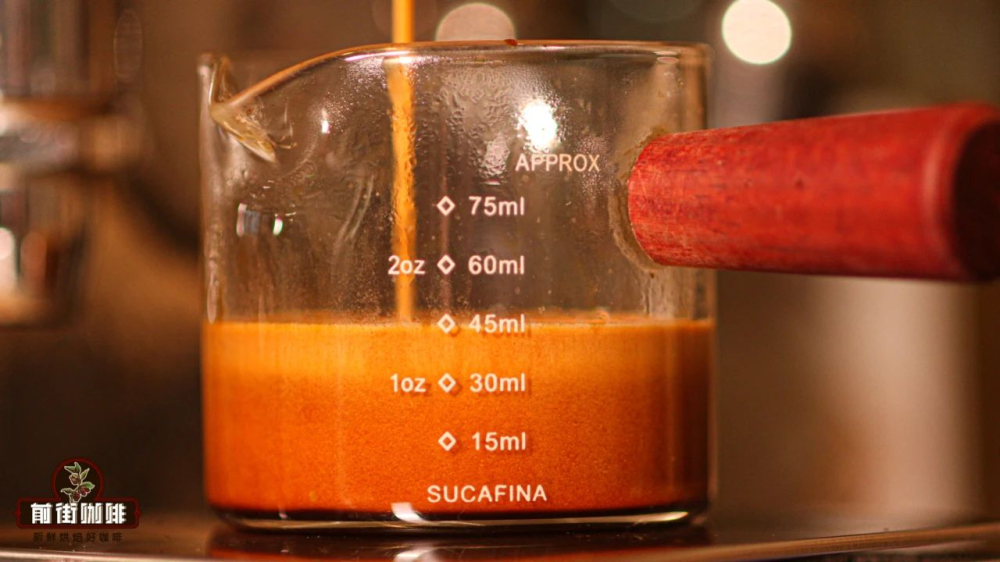
At this ratio, 20 grams of coffee yielded 40 grams of espresso, with an extraction time of about 34 seconds. The espresso had a creamy, sweet initial impression, with a clean sweetness and even a hint of rock sugar flavor, but the aftertaste revealed a noticeable smoky note, suggesting potential over-extraction.
The latte made from this espresso, while lighter in flavor upon entry, still delivered a toffee-like sweetness, with an aftertaste of cinnamon and woody notes, though the overall profile was somewhat one-dimensional.
The americano version had a pronounced woody character right from the first sip, with cocoa and wood notes dominating, which might not be the first choice for those who prefer a fresh or fruity profile.
Summary: The Key Influence of Ratio Selection on Flavor Profiles
Practical testing showed that espressos with smaller coffee-to-water ratios (such as 1:1) exhibited more pronounced acidity, but when paired with milk, they actually presented significant sweetness. The corresponding americanos were also smoother. This is because shorter extraction times and smaller ratios primarily extract earlier-stage compounds, reducing the risk of over-extraction. On the other hand, espressos with larger ratios (such as 1:2) were prone to over-extracted flavors such as woodiness and smokiness, which could affect the espresso itself, as well as the resulting latte or americano.
Taking overall flavor performance and balanced layering into account,the coffee-to-water ratio of 1:1.5was considered the most expressive and balanced option in this test, suitable for coffee lovers seeking diverse flavors and stable performance.
If you wish to make a latte with a noticeable sweetness or an americano with a gentle flavor profile, you may try an espresso base with a 1:1 ratio. If you prefer an espresso and milk coffee with rich layers and balanced flavors, consider prioritizing the 1:1.5 extraction ratio.
Extended Knowledge: How to Choose Coffee Beans Suited for Espresso
To produce excellent-tasting espresso, lattes, or americanos, selecting the right coffee beans is crucial. It is recommended to use dark-roasted blended beans, such as a classic Italian blend composed of Brazilian, Indonesian, and Vietnamese beans, which can deliver rich aromas and abundant crema, providing stable and pleasing flavor profiles whether brewed as a black coffee or combined with milk. These blends, which mix beans from different regions, can also effectively stabilize flavor variations caused by annual climate changes, making them a practical choice for both cafés and home brewers.
The above content is compiled by CoffeeHunters, a coffee news website.


