







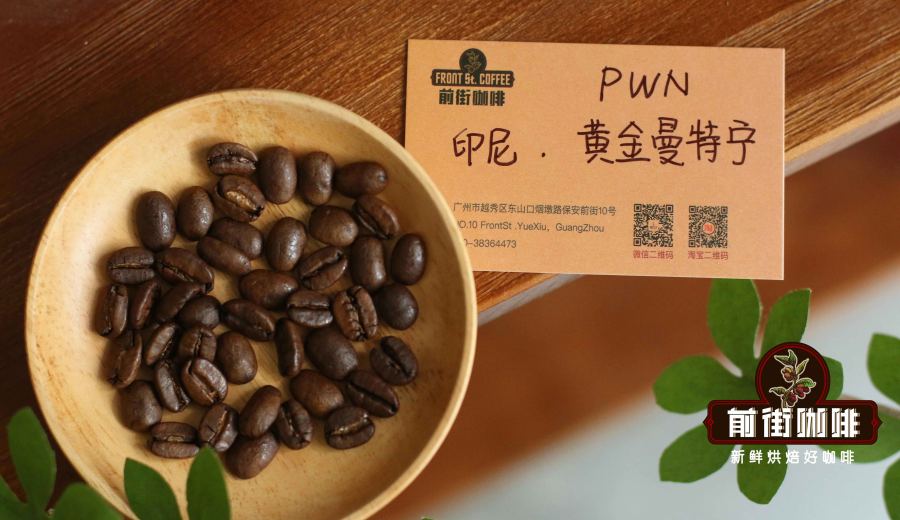
Introduction:Golden Mandheling is often hailed as the representative of high-quality Mandheling, but with numerous versions available on the market and significant price variations, it’s difficult for consumers to discern authenticity. This article delves into the origins of Golden Mandheling, the PWN company’s five rigorous selection processes, the “goat hoof beans” issue caused by the wet hulling process, and explains why it commands such a high price. It also provides methods for identifying genuine products, including sack numbers and certificate authentication, along with pour over flavor characteristics to help you make an informed purchase.
In the world of coffee enthusiasts, the name “Golden Mandheling” is both familiar and somewhat mysterious. While its unique flavor profile is often praised, obtaining the authentic version is not so easy. The market is flooded with “Golden Mandheling” offerings at various price points, but many are merely commercial gimmicks, far removed from the true Golden Mandheling.
So, what exactly is the real Golden Mandheling? Why is it more expensive? And how does it differ from regular Mandheling? This article will take you from the source to understand it all — including PWN’s strict selection standards, the challenges of the wet hulling process, and how to identify authentic beans through certificates and sack numbers, giving you greater confidence when making your purchase.
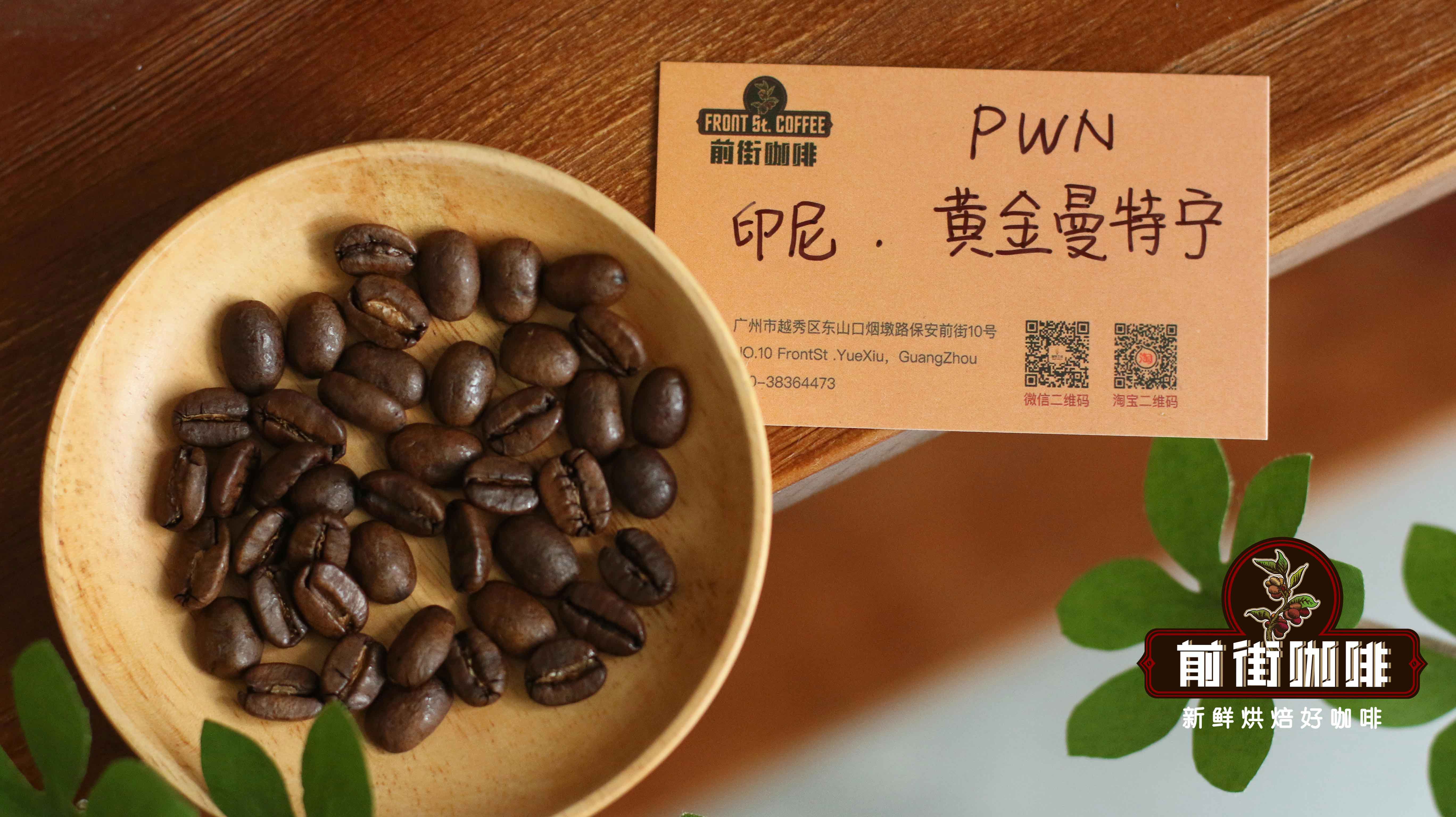
Many people assume that any coffee beans that are large in size, uniformly sized, and low in defects can be called Golden Mandheling, but this is a misconception. The birth of Golden Mandheling dates back to many years ago when a group of Japanese buyers sought high-quality Indonesian Mandheling to bring back to their domestic market. At the time, they collaborated with a local Indonesian company and gradually built the reputation of “Golden Mandheling,” making it synonymous with premium Mandheling.
However, due to internal adjustments within the partnership, the local company originally responsible for procurement in Sumatra — Pawani Company — rushed to register the “Golden Mandheling” trademark. The Japanese buyers had to find another brand direction and launched “Dingshang Mandheling.” As a result, the true holder of the “Golden Mandheling” trademark today is Indonesia’s PWN green bean company.
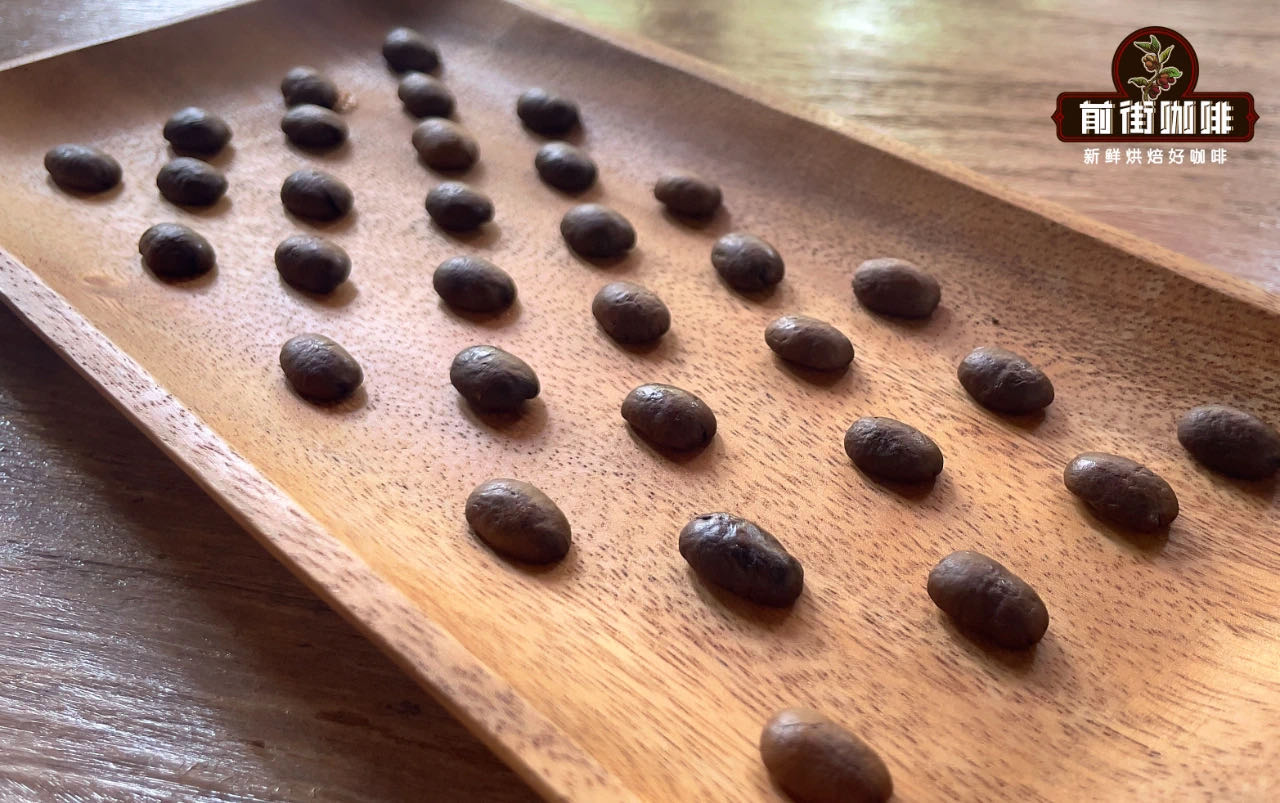
PWN is the abbreviation for PT. Pawani Coffee Company, and it is the legal owner of the “Golden Mandheling” trademark. Many coffee beans on the market that claim to be “Golden Mandheling,” while also emphasizing large size and low defects, often fail to indicate origin from PWN and lack relevant certifications. Such products generally only meet the basic standards of G1 grade and 18+ screen size, and strictly speaking, they can only be considered “high-quality Mandheling G1 18+,” not genuine Golden Mandheling.
If you want to confirm whether what you’ve purchased is authentic, the most direct way is to check the sack and certificate. Every sack of Golden Mandheling produced by PWN comes with an exclusive sack and certification documents, and the sacks are uniformly sized at 30 kilograms. As long as the seller can provide these materials, you can confirm their authenticity.
So, how does PWN carry out its selection process to make Golden Mandheling stand out? The key lies in its rigorous five-step screening process. First, Indonesian coffee commonly uses the wet hulling process, which preserves flavor characteristics but also presents challenges. Since the green beans still retain some moisture during processing, removing the pulp and parchment layers can lead to compression, causing the beans to crack and form what are known as “goat hoof beans.” Although these beans aren’t considered defective, their irregular appearance leads PWN to eliminate them during screening to maintain overall visual consistency.
But PWN’s standards don’t stop there. In addition to removing goat hoof beans, they conduct four rounds of manual sorting to select beans that are 18+ screen size or larger, with no more than three defective beans per 300 grams of green beans. Even then, they further use machines for density and color sorting to ensure each coffee bean is not only uniform in size but also consistent in color. After these five screening procedures, the Golden Mandheling recognized in the market is achieved. This is also one of the reasons why the price of a well-known roasted brand’s PWN Golden Mandheling is higher than that of general entry-level Indonesian Lintong Mandheling.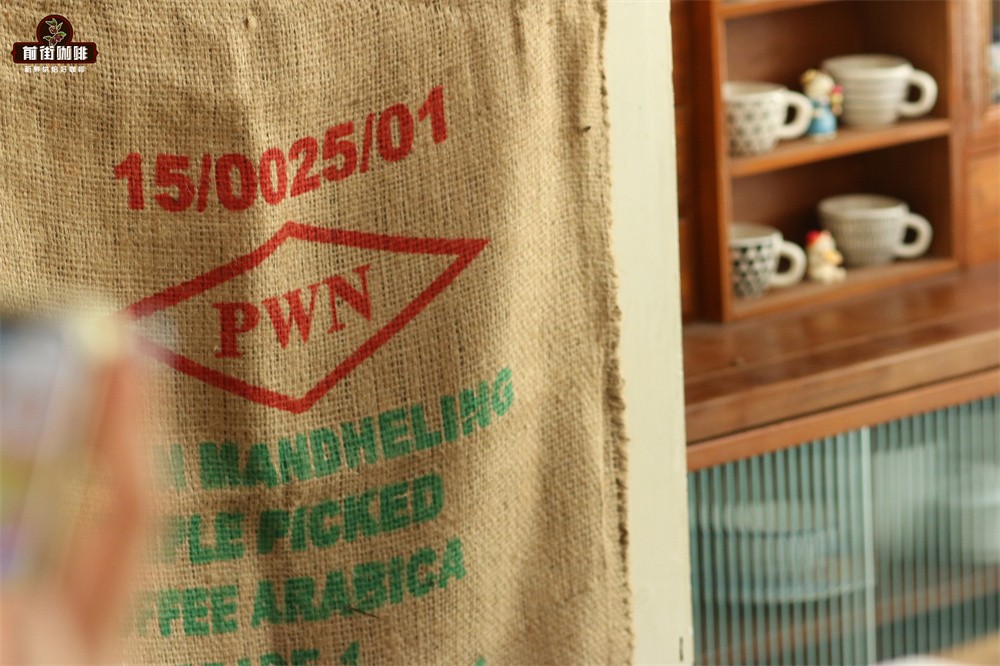
There are also many non-PWN-produced “Golden Mandhelings” on the market. These products are typically selected by green bean merchants from G1-grade Mandheling, picking beans that are 18+ in size, and sometimes even undergoing three rounds of sorting to make them look similar to the authentic ones. Although visually hard to distinguish, once brewed, the flavor differences become apparent. Based on cupping experiences from multiple roasters, the authentic PWN Golden Mandheling clearly outperforms in cleanliness and overall balance — qualities that imitations struggle to replicate.
To confirm whether you’ve purchased an authentic PWN product, it’s recommended to pay attention to two key points: whether there is a clear PWN logo on the sack, and whether an official factory certificate can be provided. If the seller cannot show these documents, then the so-called “Golden Mandheling” is likely just a high-grade G1 Mandheling, rather than the genuine version that has undergone PWN’s five-step screening process.
For coffee enthusiasts who want to experience it firsthand, a well-known roasted brand’s PWN Golden Mandheling also has unique characteristics in pour over brewing. Its flavor profile is clear, often described as including sweet herbs, cinnamon-like spices, citrus peel aromas, and a rich creamy walnut chocolate tone. Upon tasting, the fruit acidity is restrained and soft, accompanied by the freshness of melon in the aroma. As the temperature drops, herbal notes gradually emerge, along with a subtle spicy aftertaste, resulting in an overall rich and layered flavor.The above content is compiled by CoffeeHunters, a coffee news website.


