







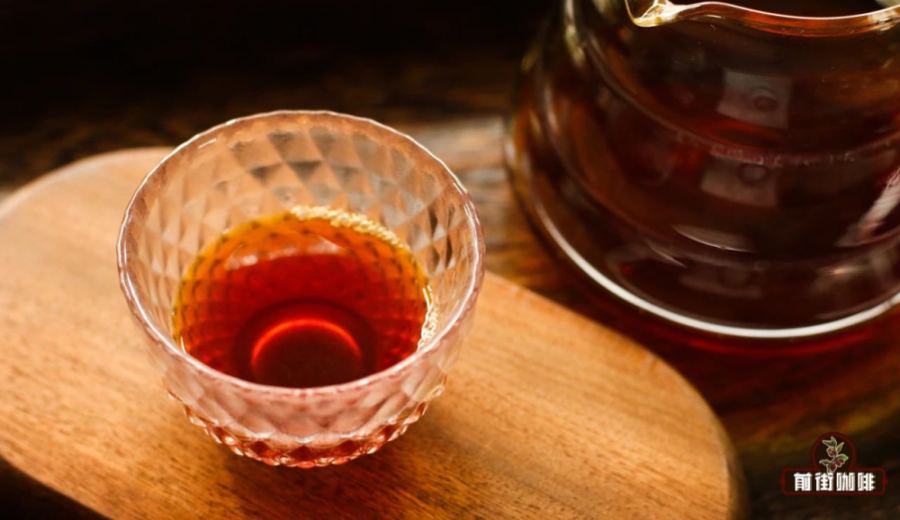
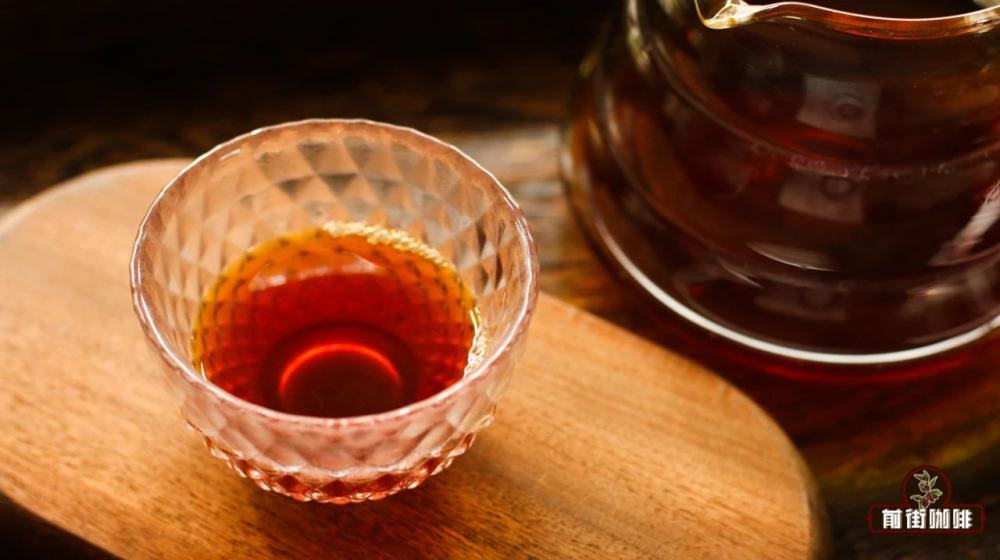
Introduction:Geisha (Geisha) coffee is a star variety in the specialty coffee world, renowned for its unique floral aroma and tropical fruit notes. Its name originates from Ethiopia’s Gesha Mountain, but it truly shines at Panama’s Hacienda La Esmeralda. This article traces the naming origins and varietal evolution of Geisha, delves into the geographic advantages of the Boquete region, and shares practical pour over roasting and brewing parameters to help you better understand this highly acclaimed coffee bean.
As one of the most representative varieties in today’s specialty coffee market, Geisha coffee captivates countless coffee enthusiasts with its delicate floral notes, rich tropical fruit profiles, and impressive sweetness. This once-obscure variety was first discovered in 1931 in Ethiopia’s southwestern Kaffa Forest, near what is now known as Gesha Mountain. It was later introduced to Central America via Kenya and Tanzania, but it wasn’t until it made a splash at Panama’s Hacienda La Esmeralda that it truly earned its place among the elite coffee varieties.
The name “Geisha” sounds similar to Japan’s “geisha,” but this is purely coincidental. In fact, Geisha originates from Ethiopia and has no connection to Japanese culture. Early translations as “Geisha Coffee” carried an exotic flair but also led to misunderstandings. Therefore, the industry has now universally standardized the name as “Geisha” to return to the varietal’s roots, avoid over-reliance on orientalist marketing tactics, and allow this coffee to be appreciated in a purer way.
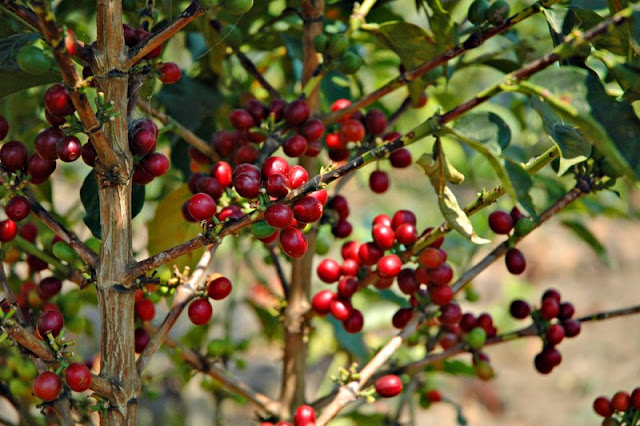
Geisha coffee belongs to the Arabica species. Its plants are tall with long, narrow leaves and have strong resistance to rust disease. However, due to its low yield, it has never been considered a mainstream commercial variety. In 1953, the variety was brought to Costa Rica’s CATIE Agricultural Research Center and designated as T2722. Although many farms experimented with planting it, its high growth requirements and limited yield meant it was largely overlooked. It wasn’t until the 1960s, when T2722 was introduced to Panama, that things began to change.
In the 1990s, Daniel Peterson, the farm owner of Hacienda La Esmeralda, discovered that at the high-altitude Jaramillo plot, Geisha coffee trees exhibited exceptional disease resistance and flavor potential. Especially when other surrounding varieties were suffering from leaf rust, Geisha continued to thrive, catching the high attention of the Peterson family. They gradually isolated Geisha from mixed plantings and replanted it at even higher altitudes to unlock its maximum potential.
In 2003, over seventy years after its initial discovery, Geisha participated in Panama’s Best of Panama (BOP) competition for the first time. With its intense aromas of citrus, peach, blueberry, and bergamot, along with bright acidity and sweet aftertaste, it won the competition outright, shocking the entire coffee world. It then received high praise from the Specialty Coffee Association of America (SCAA) in 2005, further solidifying its status as a top-tier variety. Today’s well-known Panamanian Geisha originates from that very T2722 strain.
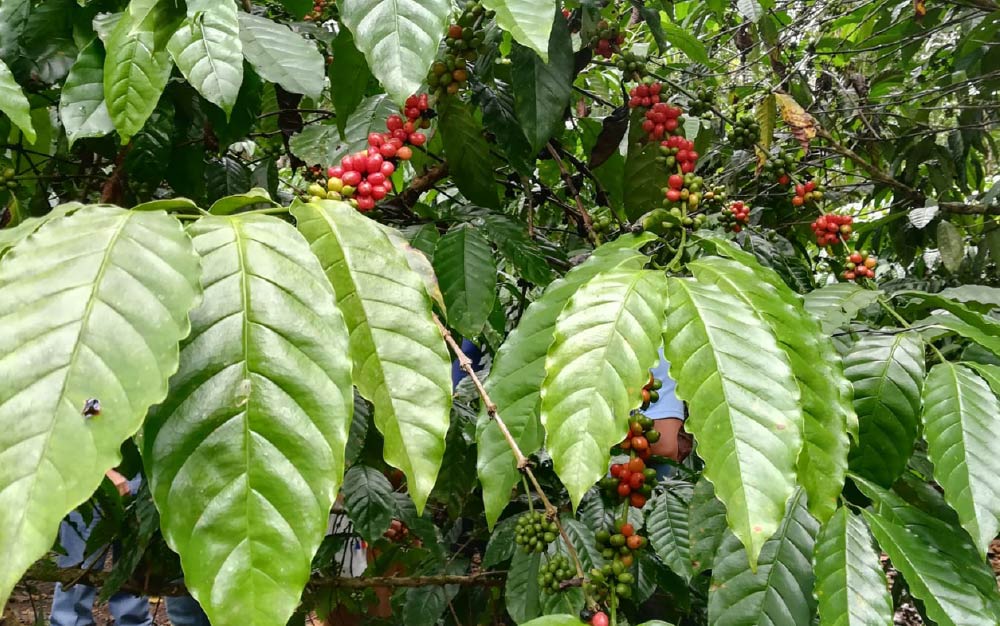
Although Geisha is now cultivated in multiple regions around the world—including Colombia, Guatemala, and even Yunnan in China—the most notable in terms of quality and flavor expression remains Panama’s Boquete region. Boquete is located on the eastern side of the Barú Volcano, at elevations of about 1,000 to 2,000 meters. With a cool, foggy climate, significant day-night temperature variation, and fertile volcanic soil, it forms an exceptional microclimate that gives Geisha coffee its unique aromas and layered complexity.
Hacienda La Esmeralda further divides its Geisha-growing areas into three main plots: Cañas Verdes, Jaramillo, and El Velo. Each plot, due to differences in altitude, microclimate, and soil, exhibits slightly varying flavor profiles. Among them, Geisha grown at higher altitudes, with longer growth cycles, often possesses richer aromas and more complex taste structures.
In terms of processing methods, Geisha is mostly processed using washed or natural (sun-dried) methods. Washed processing highlights clean, bright acidity and regional characteristics, making it suitable for those who prefer a refreshing style. Natural processing, on the other hand, brings out more intense fruitiness and sweetness, resulting in a fuller-bodied flavor. Many roasters recommend choosing washed-processed batches if you want to experience the classic “Geisha flavor,” as it more closely resembles the flavor profile that won Hacienda La Esmeralda’s early championships.
For roasting and pour over recommendations, to highlight Geisha’s floral and fruity acidity layers, producers typically use medium-light roasting to preserve the beans’ inherent vibrancy and delicate flavors. When brewing, it is recommended to use a V60 filter, with water temperature controlled at 91–92°C, a brew ratio of approximately 1:15, and grind size similar to fine sugar (about 80% passing through a #20 sieve). This setup fully showcases its bright acidity and multi-layered fruity aroma profiles.
In summary, the reason Geisha coffee has risen from a wild variety in a remote forest to become a leader in today’s specialty coffee scene is not only due to its innate genetic advantages but also closely tied to its growing environment, processing techniques, and roasting philosophies. Whether you’re a newcomer to specialty coffee or an experienced enthusiast, understanding Geisha’s historical background and brewing essentials will allow you to more deeply appreciate the unique charm of this coffee bean.
The above content is compiled by CoffeeHunters, a coffee news website.


