








Introduction:Kenyan coffee is renowned for its intense fruit acidity and rich berry flavors. Its distinctive profile originates from high-altitude volcanic environments, classic SL-28 and SL-34 varieties, and the meticulous K72 double washed processing method. This article delves into Kenya's growing conditions, variety background, processing techniques, and details three brewing methods—iced pour over, cold drip, and cold brew—that best highlight its bright acidity. It helps coffee enthusiasts master key parameters to produce balanced, vibrant Kenyan profiles at home.
Kenyan coffee holds a unique position in the global specialty coffee market, with its most defining features being its lively, bright acidity and juicy, pulpy mouthfeel. This unforgettable flavor is inseparable from Kenya’s exceptional geographical conditions, classic coffee varieties, and its signature K72 double washed processing technique. This article will fully explore each aspect—from regional environments and varietal genetics to washed processing and diverse iced brewing methods—to help readers deeply appreciate the unique charm of Kenyan coffee.

Located in East Africa, Kenya is bisected by the equator and traversed north to south by the East African Rift Valley. The terrain is predominantly plateau, with an average altitude of about 1,500 meters nationwide, and its highest peak, Mount Kenya, reaches 5,199 meters and is snow-capped year-round. The area has a tropical climate with two distinct rainy seasons each year, and coffee harvests are similarly divided into two seasons—about 60% concentrated from October to December, and the remaining 40% from June to August. Coffee is primarily grown around Nairobi and the Mount Kenya region, in volcanic soil areas at elevations of approximately 1,600 to 2,100 meters. At this altitude range, temperatures are relatively low, slowing the growth of coffee cherries and aiding in the accumulation of flavor compounds, resulting in beans that not only have clear acidity but also a denser body.
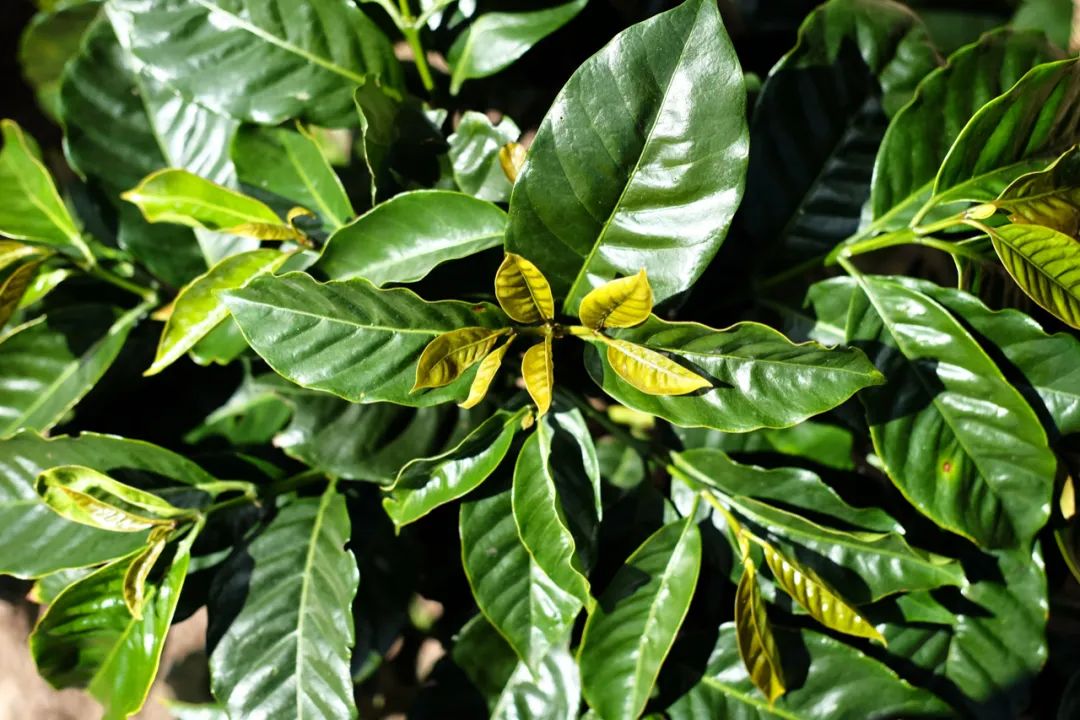
Among the many factors influencing coffee flavor, variety plays a crucial role. The unique personality of Kenyan coffee largely stems from the two classic varieties SL-28 and SL-34. SL stands for Scott Laboratories, which was commissioned by the Kenyan government in the 1930s to develop coffee varieties suited to local conditions, with commercial potential and excellent flavor performance. SL-28 and SL-34 are outstanding representatives of this effort. These two varieties are highly adaptable to high altitudes and can express rich acidity and complex fruit tones.

Kenyan coffee is commonly processed using the washed method. Through refined processing steps and appropriate roast levels, it can fully showcase its distinctive bright acidity notes such as lemon, citrus, and grapefruit, delivering a refreshing taste with a subtle balance of sweet and sour. Among these, Kenya’s unique “double washed” method, also known as the K72 process, is a key element in ensuring its quality.
The K72 double washed process is quite meticulous: first, the harvested coffee cherries undergo flotation to remove unripe or under-dense defective beans. Then the pulp is removed, and the mucilage-covered beans are placed in an upper fermentation tank for an initial fermentation of about 24 hours. The fermentation time is adjusted according to ambient temperature—the higher the temperature, the faster the fermentation. After fermentation, most of the mucilage is washed off, and the parchment beans are moved to a lower fermentation tank for a second fermentation lasting 36 hours. Throughout the process, the circulating water is changed every few hours to prevent fermentation odors from affecting coffee quality. Finally, the beans are washed again and sun-dried. The entire process often takes over 48 hours, sometimes up to 72 hours—hence the name K72.
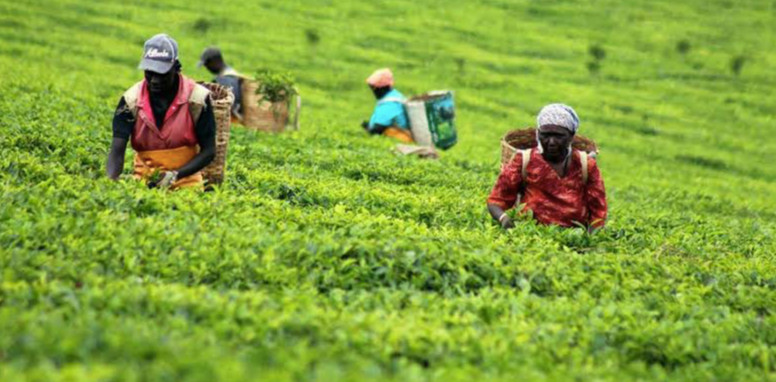
This double fermentation process effectively enhances the coffee’s acidity expression and overall cleanliness. During fermentation, acetic acid concentration gradually increases, further intensifying the coffee’s bright acidity and flavor complexity. With appropriate roast levels, Kenyan coffee often exhibits pronounced berry flavors such as blackcurrant and grapefruit, and even slight hints of cherry tomato, with an uplifting acidity and rich layers.
If you want to experience the allure of Kenyan coffee’s berry acidity, it is recommended to try high-altitude region beans processed with the K72 washed method and of the SL28 and SL34 varieties—such as classic lots from the Kirinyaga region. With a medium-light roast, it highlights dense berry aromas, delicate floral notes, and an underlying cherry tomato character that runs throughout the flavor, suitable for various brewing methods.
Thanks to its pronounced acidity and vibrant berry tones, Kenyan coffee is especially well-suited for iced drinks. Iced pour over, cold drip, and cold brew can all showcase its refreshing side. Below are three common iced brewing methods along with practical parameters.
How to brew iced pour over coffee?
It is recommended to use 15 grams of coffee grounds, with a 1:10 coffee-to-water ratio, and about 75 grams of ice, with water temperature controlled at 92°C and grind size medium-fine (similar to EK43s setting 9.5, with about 80% passing through a 0.85 mm sieve). First, place the ice in the lower container, then put the coffee grounds into the filter and gently tamp them down. The first stage involves pouring 30 grams of hot water in small streams (3–4 ml per second), circling from the center outward, for a 30-second bloom. Then, in the second stage, pour 60 grams of water, paying attention to control the liquid level to avoid it getting too high. Finally, when the coffee is almost fully dripped, pour the remaining 60 grams of hot water at a rate of 3 ml per second. The total extraction time is recommended to be between 1 minute 50 seconds and 2 minutes. It is advised to use larger solid ice cubes, which melt more slowly and help maintain a stable brewing temperature.
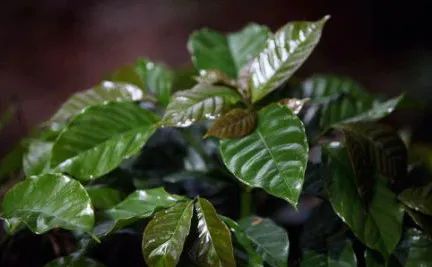
After extraction, pour the coffee liquid over the ice to mix. You may notice that the initial taste is rich and full-bodied, gradually becoming refreshing and balanced as the ice melts.
How to make cold drip coffee?
Use 60 grams of coffee grounds to extract 600 milliliters of coffee liquid, with a coffee-to-water ratio of 1:10, and a dripping rate of about 3 drops every 10 seconds, using an ice-water mixture as the water source for the upper chamber. The total extraction time is about 8 hours. After extraction, seal the coffee liquid and let it sit in the refrigerator for 48 hours to fully mature.
How to make cold brew coffee?
Use 50 grams of coffee grounds with a 1:10 coffee-to-water ratio, i.e., add 500 grams of cold water. Stir well, seal, and refrigerate for 8 to 14 hours. Once the time is up, filter out the coffee grounds with filter paper. Optionally, let it sit for another 3 to 4 hours to allow the flavors to settle further, enhancing the richness and smoothness of the taste—especially suitable for summer drinking.

The above content is compiled by CoffeeHunters, a coffee news website.


