







Category: Coffee Knowledge
Espresso Blend Coffee Bean Buying Guide: Flavor Analysis and Practical Blending Tips
Espresso blends are the top choice for many coffee enthusiasts and professional shops seeking consistent results. How do you find the right blend that matches your flavor preferences among so many options? This article takes a classic 40% Colombia + 60% Brazil blend as an example, delving into its flavor profile, blending logic, and suitable scenarios to help you develop your own bean selection approach and master the nuanced experience from crema to aftertaste. [more…]
Decoding the Flavors of Yirgacheffe Kochere Washed Coffee: High-Altitude Cultivation and Refreshing Citrus Aromas
Yirgacheffe Kochere is one of Ethiopia’s most iconic high-altitude coffee-growing regions, renowned for its bright, floral-fruity profile and vibrant citrus acidity. This article delves into the region’s geographical environment, harvesting conditions, and washed processing methods to help you understand how this classic African washed coffee develops its distinctive citrus and floral flavor profile. We also provide practical pour over recommendations and flavor evaluation references. [more…]

Beginner’s Guide to Pour Over with Pink Bourbon & Yellow Bourbon: Flavor Profiles & Brewing Techniques of Rare High-Altitude Beans from Brazil
As rare varieties within the Bourbon family, Pink Bourbon and Yellow Bourbon possess unique genetic backgrounds and flavor characteristics. This article will delve into their evolutionary origins and regional distribution, with a special focus on the Yellow Bourbon natural processed beans from Fazenda Rainha in Brazil. We’ll provide a comprehensive analysis and practical brewing recommendations, covering everything from processing methods and roast styles to pour over parameters and actual flavor performance — helping you master the brewing secrets of these high-altitude specialty beans. [more…]
Decoding the Flavors of Yirgacheffe G1 Washed Coffee: Kochere Region & Citrus-Forward Pour Over Guide
An in-depth exploration of the unique charm of Ethiopia’s Yirgacheffe G1 grade washed coffee. From the altitude and climate of the Kochere region to the washed processing method, discover how this popular specialty bean develops its bright acidity and tropical fruit notes like citrus and pineapple. Whether you're a coffee beginner or an advanced enthusiast, you’ll gain key tasting insights and pour over reference parameters. [more…]
Complete Guide to Tasting Indonesian Mandheling Coffee: Brewing Techniques, Flavor Analysis, and Brewing Recommendations
Want to deeply experience the rich charm of Indonesian Mandheling coffee? This article will guide you through the unique flavor sources of Mandheling, brewing parameter settings, and an in-depth explanation of how the wet-hulled process shapes its classic taste. Whether you're a beginner or a coffee enthusiast, you can master the correct way to enjoy it and explore the layers and potential of this classic single-origin bean. [more…]
Ethiopia TOH Natural Champion Aricha: Flavor Profile & Brewing Guide from Adorsi Washing Station
This article provides an in-depth analysis of the 2024 Ethiopia TOH Natural Champion coffee beans—Aricha, meticulously processed by Adorsi Washing Station, with a cupping score of 91. In addition to introducing the origin background and processing methods, it details the unique characteristics of the native Heirloom variety, as well as the complex flavor layers revealed in cupping, such as grape juice, jackfruit, and fermented wine notes. Practical pour over parameters are also provided to help you fully experience the charm of this top-tier natural-processed bean. [more…]
Guatemala Antigua Coffee Tasting: Flavor Analysis and Pour Over Recommendations
An in-depth exploration of the unique charm of Guatemala Antigua coffee, from the rich tobacco and smoky flavors shaped by volcanic terrain and microclimates to expert tasting notes and pour over brewing advice—helping you grasp the layered profile and optimal way to enjoy this classic Central American bean. [more…]
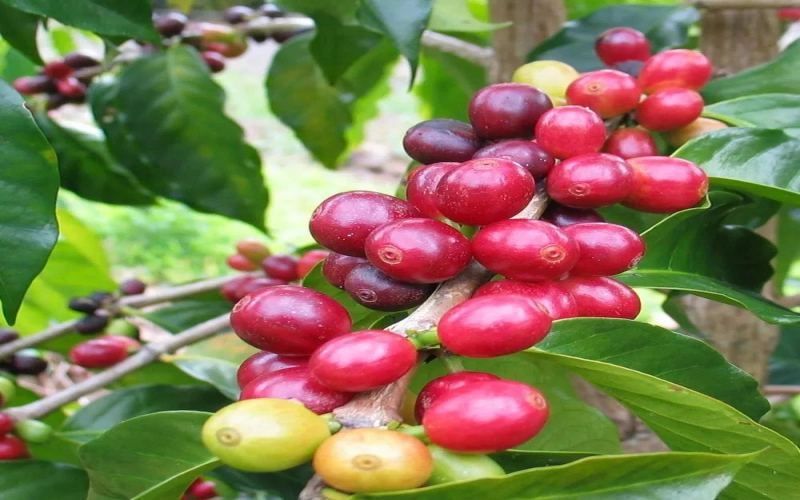
Analysis of Panama Finca Geisha's Three Grades | Flavor Differences and Brewing Recommendations for Red, Green, and Blue Labels
The Geisha coffee beans from Panama's Finca El Velo (Emerald Estate) have become legendary in the specialty coffee world, thanks to their unique floral and fruity aromas and consistently high quality. But what do the commonly seen Red Label, Green Label, and Blue Label actually represent in terms of grade? Which one is best for everyday drinking? This article explains in detail the grading logic of the three tiers, including cultivation altitude, processing method differences, and actual flavor profiles, along with practical pour over parameters to help you choose the most suitable Geisha beans. [more…]
How to Drink Natural Yirgacheffe: A Complete Guide from Processing Methods to Flavor Profiles, Acidity, Sweetness & Body
Natural Yirgacheffe is the gateway to specialty coffee for many beginners, with its distinctive fermented aroma and honey-like sweetness leaving a deep impression. This article will delve into the steps of the natural processing method, flavor characteristics, and provide a detailed comparison with the washed version. We’ll explore the true meanings of acidity, body, and aftertaste, while also uncovering the potential impact of mucilage on coffee mouthfeel. Whether you’re just getting started or aiming to refine your tasting skills, you’ll find practical guidance here. [more…]

How to Choose Yirgacheffe Coffee Beans? Hand Brew Parameters and Fruit Aroma Analysis of the Aricha Natural Batch
As the most representative specialty coffee region in Ethiopia, Yirgacheffe is renowned for its delicate floral and fruity aromas and bright acidity. This article delves into the diverse processing methods of the region, focusing on the unique flavor profile of the Aricha natural batch. It also provides professional-level pour over brewing recommendations—from grind size and water temperature to pouring techniques—to help you fully experience the allure of what’s hailed as the “fruit bomb” of Yirgacheffe. [more…]

Sumatra Golden Mandheling Washed Process & Pour Over Techniques | Flavor Profile & Optimal Extraction Parameters
Sumatra Golden Mandheling is widely loved by enthusiasts of bold flavors for its rich, full-bodied taste and distinctive spicy notes. However, the high-temperature, high-humidity environment of its growing region poses significant challenges to the washed processing method. This article delves into its production environment and processing difficulties, and provides detailed pour over parameter recommendations — including water temperature, brew ratio, grind size, and pouring technique — to help you consistently extract a smooth Mandheling with layers of chocolate, cream, and caramel. [more…]
Unveiling the Mandheling Coffee Region of Sumatra, Indonesia | A Comprehensive Analysis of the Wet-Hulling Process and Flavor Profile
Mandheling coffee from Sumatra is globally renowned for its rich and bold flavor, but do you know about the regional differences and processing techniques behind these characteristics? This article takes an in-depth look at the two core regions of Sumatra—Lintong and Gayo Mountains, as well as the Aceh area—exploring planting varieties, the wet-hulling process, and flavor traits to help you grasp the essence of this classic coffee and understand how it becomes the secret weapon in espresso blends. [more…]
A Guide to the Five Major Coffee Regions in Brazil | Flavor Profiles & Bean Varieties from Minas to Bahia
Dive into the prime coffee-growing regions of Brazil, the world’s largest coffee producer. From the high-altitude plateaus of Minas Gerais to the pure Arabica beans of Paraná, this guide explores how elevation and climate shape each region’s unique flavor profile, and introduces the most representative coffee varieties in Brazil. Whether you're a pour over beginner or a roaster seeking reliable bean sources, you'll gain essential insights for selecting the right beans. [more…]
Ethiopia's Gori Gesha Village: Gori Gesha vs Gesha1931 – A Complete Breakdown of Variety Characteristics and Regional Flavors
Ethiopia’s Gori Gesha Village is the birthplace of the renowned Gesha variety, sharing the same genetic roots as Panama Gesha, yet developing distinctly different flavor profiles due to terroir. This article delves into the unique characteristics of two flagship varieties from Gori Gesha Village—Gori Gesha and Gesha1931. It explores the genetic lineage of the Gori Gesha Forest and compares the impact of regional altitude, microclimates, and processing methods, helping coffee enthusiasts grasp key tasting insights and discover their preferred flavor preferences. [more…]

Pour Over Guide for Front Street Coffee’s Filter Bags: Hot Brew, Cold Drip Parameters, Flavor Analysis & Milk Pairing Tips
Filter bags are the go-to choice for many coffee enthusiasts just starting out, allowing you to enjoy the pleasure of pour over brewing without expensive equipment. This article provides a detailed breakdown of practical techniques for both hot and cold brewing with filter bags, including key parameters such as optimal water temperature and coffee-to-water ratio. It also offers specific recommendations based on flavor differences across various coffee regions. From step-by-step instructions to answers for common questions, this guide will help you master professional-level pour over methods—whether you prefer bright fruity acidity or rich, full-bodied flavors, you’ll find a brewing style that suits your taste. [more…]
Yirgacheffe Shantawene Natural vs. Golden Mandheling: Pour Over Flavor Analysis and Optimal Brewing Parameters
This article delves into the Ethiopian Yirgacheffe Kochere village-grown Shantawene Natural beans, exploring their unique berry sweetness and layered flavors, while conducting a comparative pour over analysis with Indonesia’s PWN company Golden Mandheling. Through practical testing with V60 and KONO filters, we provide specific parameters including grind size, water temperature, coffee-to-water ratio, and brewing time to help coffee enthusiasts better understand the characteristics of both beans and improve everyday brewing quality. [more…]
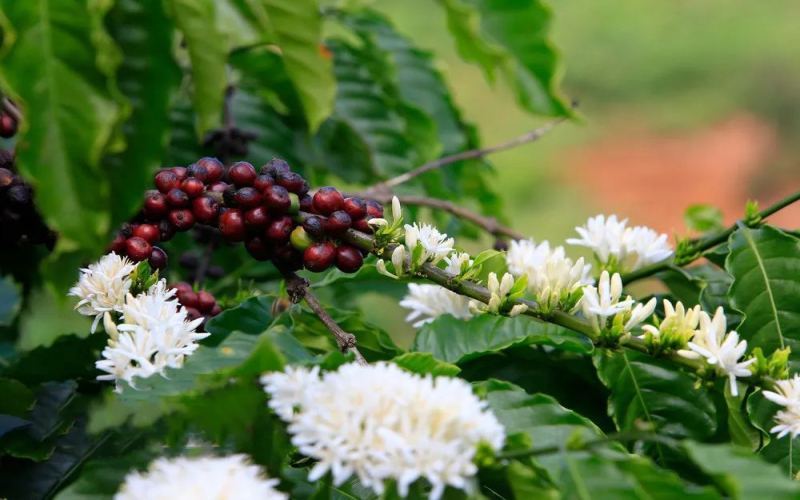
Unveiling the Flavors of Ethiopia's Gesha Village's Three Major Varieties | Pour Over Parameters and Grade Guide
Since its sensational debut in Panama, Gesha coffee has captivated the global specialty coffee market. But its true origin lies in Ethiopia’s Gesha Village. This article will take you deep into the heart of the village’s three core varieties: Gori Gesha, Gesha 1931, and Iruabe. We’ll explore the unique flavors brought by varying altitudes and processing methods, as well as provide a detailed breakdown of the grading system — including Auction, Gold, Red, Green, and CHAKA grades. You’ll also find practical pour over parameters to help you master this classic coffee. [more…]

Yirgacheffe Little Black Cup: Citrus and Berry Aromas from Washed Light Roast
This article provides an in-depth analysis of a brand's best-selling SOE Yirgacheffe "Little Black Cup" from 2021, taking you on a journey to explore how the Yirgacheffe region in Ethiopia creates a classic flavor profile full of citrus, berries, and floral notes through its unique washed processing and light roasting techniques. It also recommends three representative Yirgacheffe beans, including the Gedy Cooperative, Natural Red Cherry, and Washed Everyday Bean, complete with detailed brewing parameters and cupping notes — a great introductory read for understanding high-altitude premium beans from Africa. [more…]
How to Choose Yirgacheffe Red Honey Processed Beans? A Complete Guide to the Red Cherry Project’s Flavors & Processing
Red honey processed coffee beans from the Yirgacheffe region, with their unique processing method and regional flavors, have become a top choice for many coffee enthusiasts. This article delves into the origins and operation model of the “Red Cherry Project,” walks you through the key technical details of red honey processing, and fully breaks down the layered flavor profile of this Yirgacheffe coffee — from dry aroma to aftertaste. Whether you're a beginner or a seasoned coffee lover, you’ll find inspiration for bean selection and brewing. [more…]

Complete Guide to Huakui Coffee Beans: Regional Flavor, Pour Over Techniques & Version Evolution
With its distinctive fruity aroma and rich mouthfeel, Huakui coffee beans have become a focal point for pour over enthusiasts and coffee newcomers in recent years. How did these beans from Ethiopia’s Guji region stand out in competitions, and how have they evolved into multiple versions in the market? This article delves into the regional background, processing methods, and flavor characteristics of Huakui, while also providing practical three-stage pour over parameters to help you fully appreciate the charm of this popular bean. [more…]