







Introduction:The Geisha coffee beans from Panama’s Hacienda Esmeralda have become a legend in the specialty coffee world, thanks to their unique floral and fruity aromas and consistently high quality. But what do the commonly seen Red Label, Green Label, and Blue Label actually represent in terms of grading? Which one is best for everyday drinking? This article explains in detail the grading logic, growing altitudes, processing differences, and actual flavor profiles of these three tiers, along with practical pour over parameters to help you choose the most suitable Geisha beans.
In the world of specialty coffee, the Geisha from Panama’s Hacienda Esmeralda is truly a classic among classics. Whether it’s winning awards in international competitions or performing exceptionally in cuppings among coffee enthusiasts worldwide, Hacienda Esmeralda’s Geisha always stands out. However, many consumers often find it difficult to choose among the three common grades—Red Label, Green Label, and Blue Label—and may even feel confused about the pricing and flavor differences. This article will deeply analyze the origin, grading system, altitude, processing methods of these three tiers, compare their flavor characteristics, and provide expert advice along with practical pour over parameters, helping you make the most suitable choice based on your own preferences.
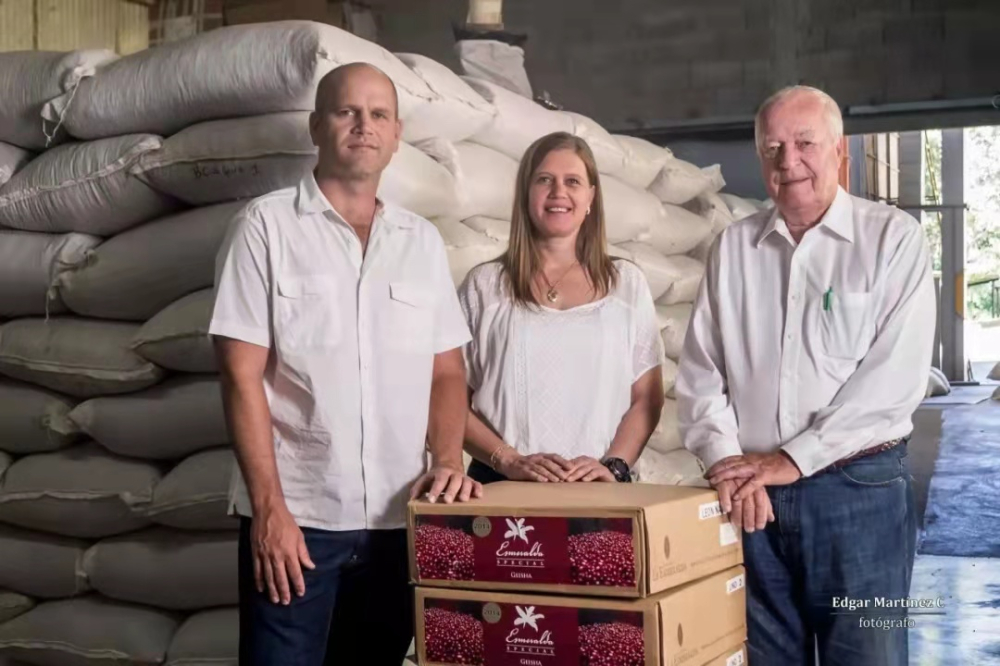
The story of Hacienda Esmeralda begins in 1964. That year, an American banker named Rudolph A. Peterson retired and moved to Panama, purchasing the land that would become Hacienda Esmeralda in Boquete, which was initially used for dairy farming. Later, his son, Price, gave up his career as a physician to assist in managing the farm, and in 1987, introduced two common Arabica varieties: Caturra and Catuai. By 1994, the farm had built its own washed processing plant, officially entering the field of coffee processing. In 1996, the Peterson family expanded their territory further by acquiring the neighboring Jaramillo Estate, which is today
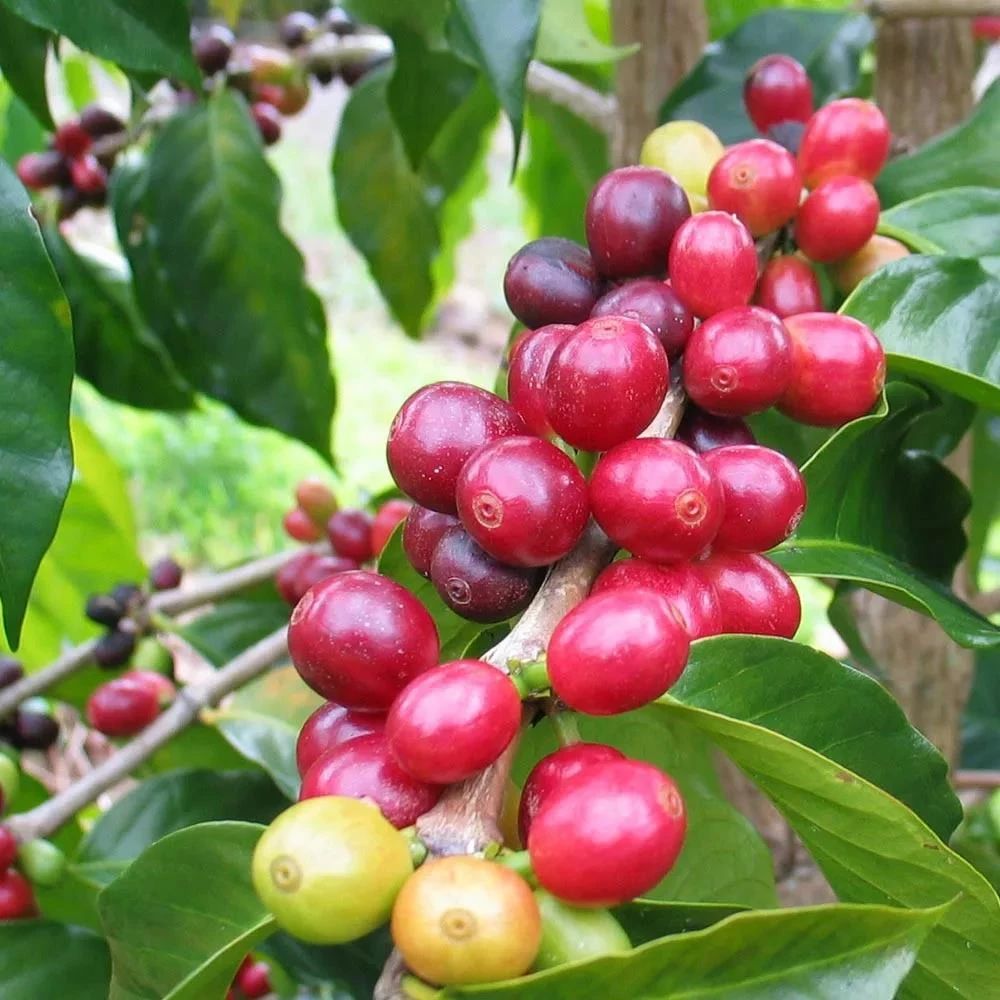
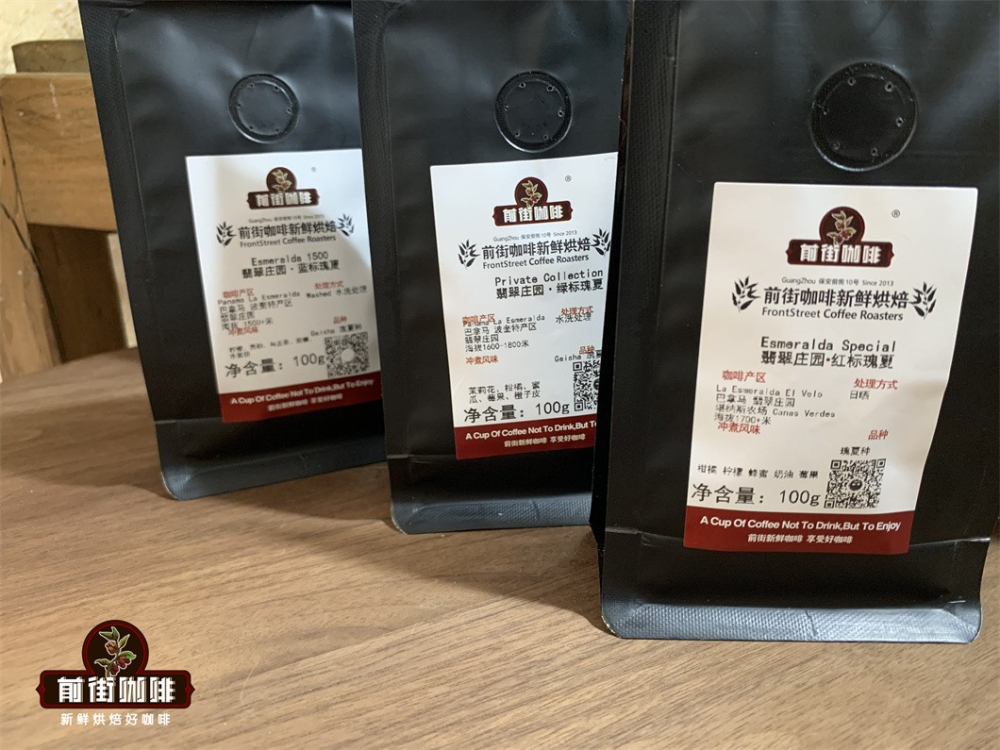
The grading system of Finca El Velo differs from simply judging by bean size or defect rate. Instead, it evaluates based on a combination of cultivation altitude, cupping scores, and regional characteristics. The Geisha offerings under Finca El Velo are broadly divided into three main brands: Esmeralda Special (i.e., Red Label), Private Collection (i.e., Green Label), and Geisha 1500 (i.e., Blue Label). Among them, the Red Label is the highest grade, selected exclusively from specific high-altitude micro-lots and undergoing a rigorous bidding process. The Green Label consists of blended micro-lots that, although not part of the auction, still maintain excellent quality. The Blue Label (also known as Geisha 1500) is considered an entry-level grade, grown at lower altitudes but still retaining the fundamental flavor characteristics of Geisha.
Esmeralda Special, commonly known as the Red Label Geisha in the market, is the flagship representation of Finca El Velo. This coffee is sourced solely from two high-altitude regions: Jaramillo and Cañas Verdes, grown at elevations between 1600 and 1800 meters, with cupping scores generally above 90. Each batch of Red Label beans comes from a single micro-lot and has its own unique number, with some even allowing buyers to select specific lots based on preference. The Red Label participates in the independent auctions hosted by Finca El Velo, hence its high price, but this also makes it a highly sought-after item among coffee collectors and competition baristas.Processing methods can be either natural or washed, with common flavor notes including bright citrus, rose, jasmine, and a honey-like finish, featuring vibrant acidity and distinct layers.
The Green Label, commonly referred to as 'Private Collection,' is a mid-to-high-end product from Finca El Velo. Although it does not participate in auctions, it is also grown at high altitudes between 1600 and 1800 meters, sourced from micro-lots such as Jaramillo and Cañas Verdes. The Green Label uses a blend of beans without specifying exact lots, but the overall flavor remains highly similar to the Red Label, with washed processing being the most common method. In terms of flavor profile, the Green Label retains the distinctive citrus acidity, delicate floral notes, and full body characteristic of Geisha,making it the top choice for consumers seeking high quality without the auction price tag. Many coffee professionals recommend the Green Label as the ideal entry point for experiencing Finca El Velo’s Geisha, offering relatively outstanding value for money and being more readily available in the market.
As for the Blue Label, commonly known as 'Geisha 1500' in the market, it is the entry-level grade from Finca El Velo. This coffee is grown at altitudes of around 1400 to 1500 meters, sourced from a blend of beans from three regions: Jaramillo, Cañas Verdes, and El Velo, and thus no specific micro-lots are indicated. The Blue Label is available in both washed and natural processing methods, with the natural version introduced in small quantities only at the end of 2019. In terms of flavor, the Blue Label exhibits a relatively mild profile, with light floral notes, fruity acidity, and sweetness, though lacking the overall body found in the Red and Green Labels. Nevertheless, the Blue Label still retains the fundamental characteristics of Geisha, making it suitable for everyday drinking or for consumers trying Geisha flavors for the first time.
The core differences between the Red Label, Green Label, and Blue Label mainly lie inaltitude, origin precision, and whether they are part of the auction process. Generally, the higher the altitude, the richer the coffee's flavor. Both the Red Label and Green Label come from high-altitude core producing areas, but the Red Label emphasizes single micro-lots and auction status, resulting in a higher price and a more concentrated and refined flavor expression. The Green Label, while a blend, offers stable quality and a flavor close to the Red Label, making it a more cost-effective option. As for the Blue Label, though it is an entry-level grade, it still embodies the essential characteristics of Geisha, making it suitable for budget-conscious consumers or those new to Geisha.
For these high-quality light-roast Geisha coffees, it is recommended to use a V60 dripper, with about 15 grams of coffee, a water-to-coffee ratio of 1:15, water temperature controlled at 90°C, and grind size between medium-fine, roughly equivalent to 80% extraction through a #20 sieve. During pour over, water can be added in three stages to slowly extract and preserve delicate floral and fruity acidity. Different processing methods of Geisha also highlight varying flavor profiles: natural Red Label often presents sweet layers of rose, strawberry, and honey; washed Green Label showcases a balance of jasmine, citrus, and tea-like notes; and the natural version of the Blue Label can also deliver a refreshing green tea and citrus character.
In summary, if you are trying Finca El Velo’s Geisha for the first time, the Green Label or Blue Label (Volcanic Rock New Blue Label) would be excellent starting points, allowing you to experience the unique flavors of Geisha without placing too much strain on your budget. If you are pursuing the ultimate in quality and wish to experience the refinement and complexity of a single-origin lot, the Red Label is undoubtedly the top-tier choice. Regardless of which grade you choose, remember to select freshly roasted beans and enjoy them within 4 to 7 days post-roast to fully experience the rich and nuanced flavor world of Geisha coffee.
The above content is compiled by CoffeeHunters, a coffee news website.


