







Introduction:Hua Kui coffee beans have become a focal point for pour over enthusiasts and coffee beginners in recent years, thanks to their unique fruity aroma and rich body. Sourced from the Guji region of Ethiopia's Hambela zone, how did these beans stand out in competitions and evolve into multiple versions in the market? This article delves into the growing region, processing methods, and flavor profile of Hua Kui, and provides a practical three-stage pour over parameter guide to help you fully appreciate the charm of this popular bean.
In recent years, Hua Kui coffee beans have emerged from specialty coffee competitions into the public eye, winning the favor of many pour over enthusiasts with their bright acidity and rich layers. Whether you're new to specialty coffee or an experienced brewer looking for new flavors, understanding the regional characteristics and brewing essentials of Hua Kui can enhance your enjoyment of this bean’s unique charm.
To trace the origins of Hua Kui’s popularity, one must mention Luckin Coffee’s introduction of a batch of 90 tons of Hua Kui beans. In just ten days, more than half were sold, with some stores even selling out. Consumers reported that this coffee was smoother than their usual brew, with a distinctive flavor. The term "flavor" refers to the multi-sensory experience of coffee in terms of aroma and taste—such as sweetness, acidity, fruitiness, and a rich aftertaste—all resulting from the combined influence of the coffee bean variety, growing environment, and post-harvest processing.
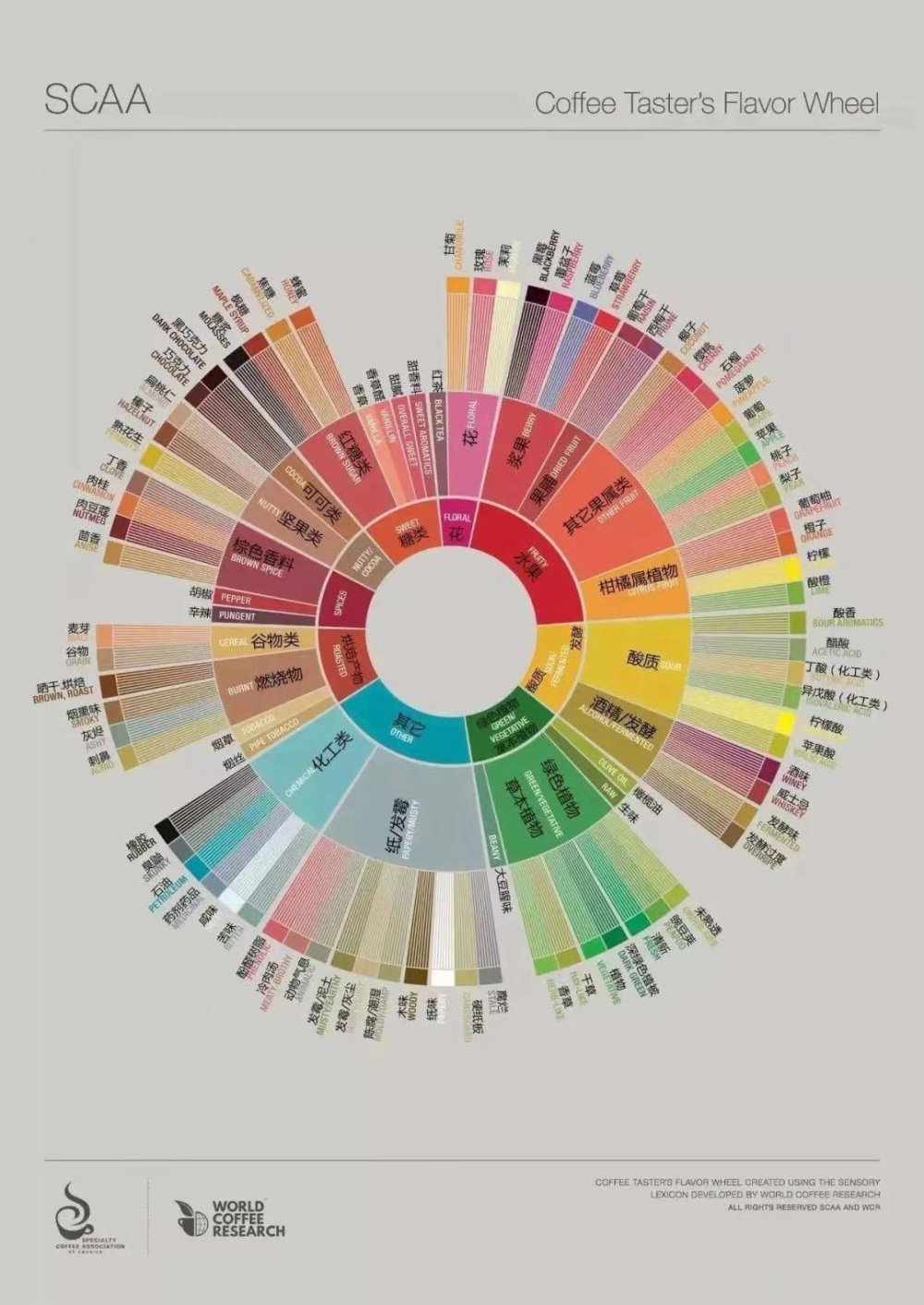
The name "Hua Kui" is somewhat distant from the common impression of "floral" notes. In fact, industry insiders point out that its flavor profile is dominated by tropical fruits such as passion fruit, strawberry, mango, jackfruit, and citrus, rather than strong floral notes. These descriptions align with the right-side spectrum of the SCAA Coffee Taster’s Flavor Wheel, characterized by tropical fruits and citrus tones, with no added food flavorings.
Hua Kui does not originate from Japan or the geisha culture but rather from the 2017 Ethiopian TOH (the Taste Of Harvest) green coffee competition. That year, a naturally processed lot from Ethiopia’s Hambela zone in the Sidama region scored 88.21, winning the natural category. Its strawberry and creamy aromas were impressive, and later, during the World Brewers Cup, barista Li Jianfei used this lot to defeat most competitors using Geisha, earning second place in the China division. The Beijing-based green coffee importer who brought in this lot was struck by the idea that a bean capable of beating Geisha could be called the “king of flowers,” thus naming it “Hua Kui.”
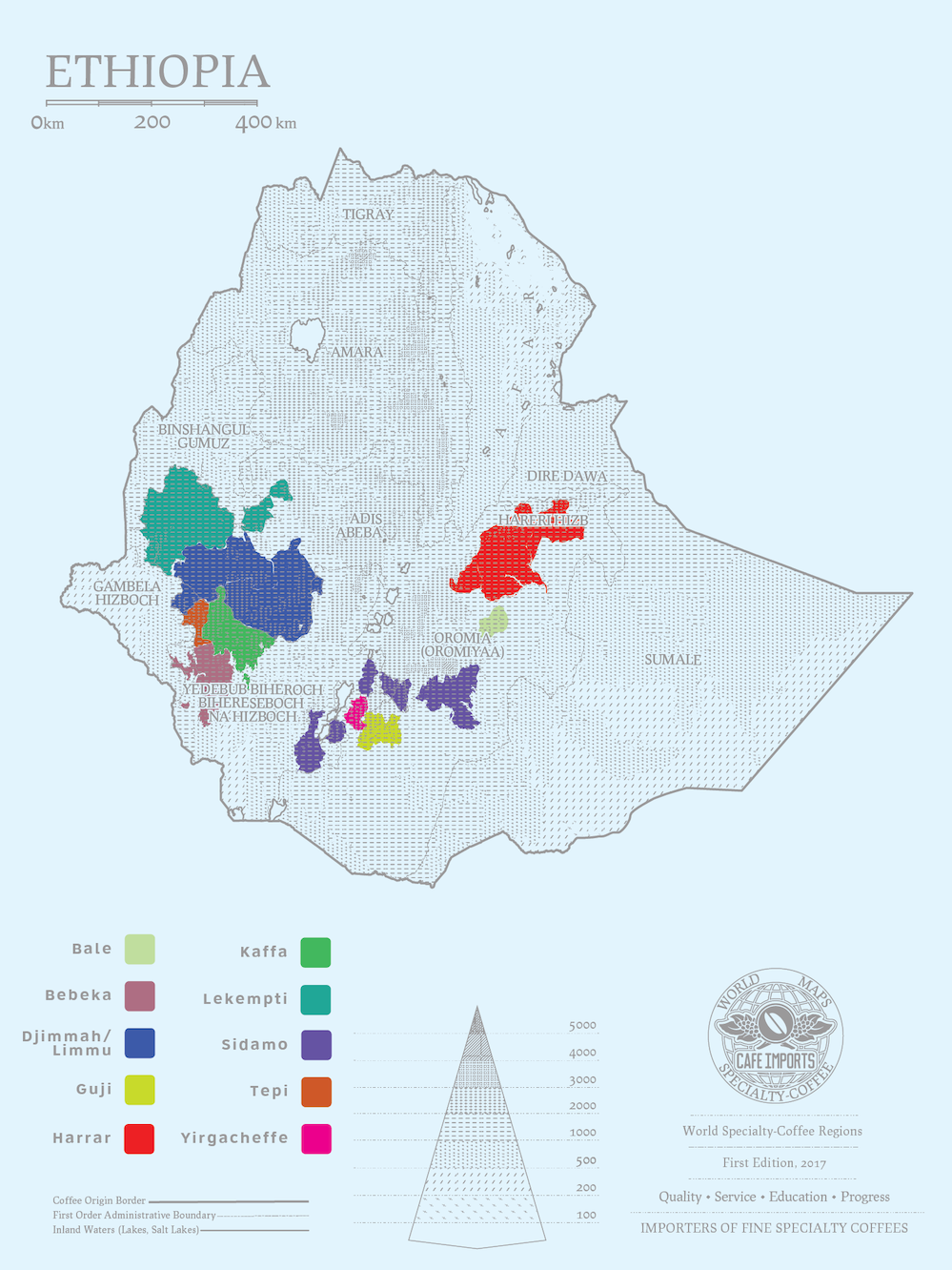
Hua Kui’s origin—the Hambela zone in Ethiopia’s Sidama region—is part of the larger Guji area. Its geographical environment and microclimate contribute to its unique coffee character. Administered under the Oromia region, Hambela borders other producing areas such as Kochere, Shakiso, Uraga, and Kercha. Due to differences in altitude, soil, and microclimate, even neighboring farms may produce coffees with distinctly different flavor profiles. It is estimated that there are about 20 processing stations in Hambela, scattered across villages and small farms. Among them, Buku Abel is the only station responsible for producing the naturally processed Hua Kui beans, which is why the names “Hua Kui” and “Buku Abel” are often closely associated in the market.
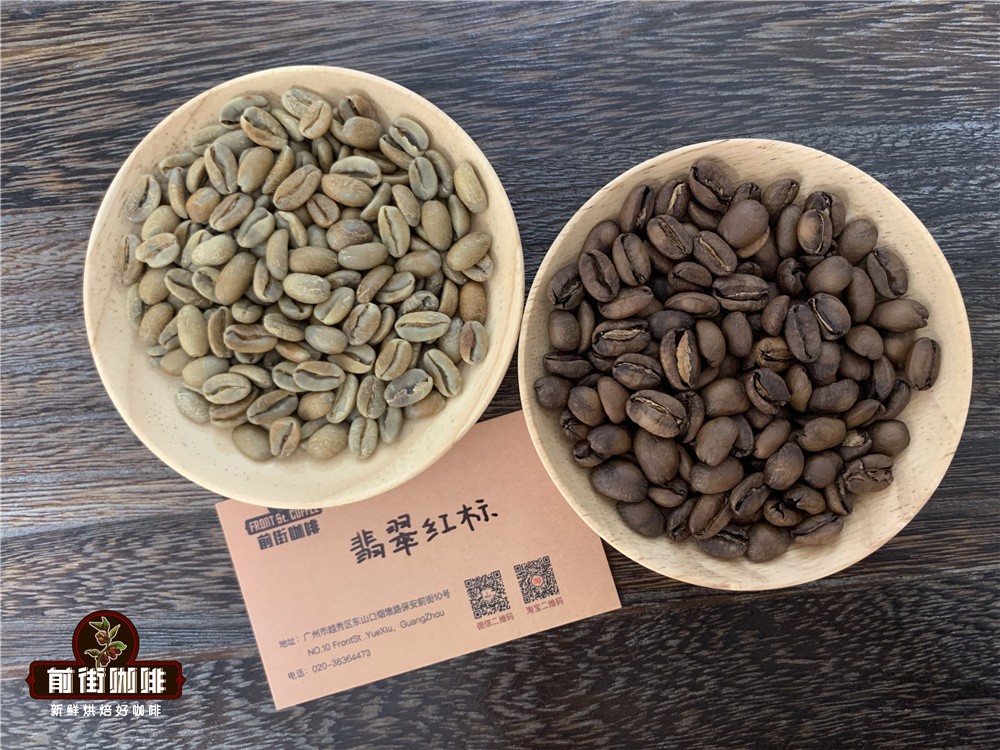
Hua Kui is made from beans harvested from local native coffee tree varieties. These varieties, having long adapted to the local environment, have characteristics that are difficult to clearly define and are generally referred to as “heirloom.” Interestingly, based on the appearance of the coffee cherries and leaves, local farmers give them different names. For example, “small-grain Hua Kui” often refers to the dega variety, which is characterized by shorter plants, small and dense leaves, and smaller fruits and seeds. Even within the same batch of Hua Kui, slight variations in bean size can be observed, reflecting the diversity of heirloom varieties.
What determines the flavor of Hua Kui is not only the variety but also the rigorous post-harvest processing. The main harvest season runs from December to January each year. Farmers select only ripe red cherries with a sugar content of 30 or above for natural processing. During the first two days, the fruit must maintain appropriate moisture to initiate sugar fermentation, while taking advantage of the high-altitude conditions—nighttime temperatures can drop to around 12°C, helping to control fermentation speed and avoid off-flavors. Shade is required at noon to prevent sunburn, and protection from sudden rainfall at night is also essential, often using thick plastic sheeting. After 18 days of slow sun-drying, the moisture content of the green beans is reduced to 13%, then they are moved to a warehouse with a temperature of 12–22°C and humidity of 45%–55% for about 50 days of resting and further dehydration, stabilizing the final moisture content at around 11%. This meticulous process gives Hua Kui its distinctive strawberry cream aroma and rich body.
Since its debut in 2017, Hua Kui has released new versions annually, distinguished by the X.0 sequence according to the harvest season—for example, 2018 was Hua Kui 2.0, and 2019 saw the launch of 3.0 and 3.1. Starting in 2020, versions were divided into a certain brand’s Hua Kui 4.0 and small-grain Hua Kui (later simplified to small-grain Hua Kui to avoid confusion with Arabica typica). Early Hua Kui was known for its intense strawberry cream flavors, but in subsequent years, some batches showed slightly reduced body and aftertaste, which correlated with annual variations in climate, soil, and processing details. Industry insiders found through sample comparisons that the 2017 flavor profile was partly attributed to the small-grain variety, which was later processed separately. By 2024, Hua Kui has reached its 8th version—Hua Kui 8.0—which in cupping tests exhibited tropical fruit notes and greater flavor complexity, making it a must-try for coffee enthusiasts.
For brewing, industry experts recommend using a Hario V60 dripper for lightly roasted Hua Kui: 15 grams of coffee, a 1:15 coffee-to-water ratio, water temperature controlled at 90–93°C, and medium-fine grind (refer to a #20 sieve, with about 80% extraction). A three-stage pour over is suggested: the first stage involves pouring double the coffee’s weight in water (30 grams) for a 30-second bloom; the second stage uses a slow circular pour to reach 125 grams, then wait until the water level drops by one-third before continuing to 225 grams, with total brew time around 2 minutes. After brewing, gently swirl the server before serving. Smelling first and then sipping allows you to better experience its fruity aromas and layered notes of passion fruit, jackfruit, and berries. Other versions, such as Hua Kui 5.0, highlight more prominent citrus and berry tones with a distinct juiciness, suiting those who prefer a refreshing, sweet-tart flavor.
The above content is compiled by CoffeeHunters, a coffee news website.


