







Introduction:Drip bags are the go-to choice for many coffee beginners, allowing you to enjoy the pleasure of pour over brewing without the need for expensive equipment. This article provides a detailed breakdown of practical techniques for both hot and cold drip bag brewing, including key parameters such as optimal water temperature and coffee-to-water ratio. It also offers specific advice based on the flavor differences across various coffee regions. From step-by-step instructions to answers for common questions, this guide will help you master professional-level pour over methods—whether you prefer bright fruity acidity or rich body, you’ll find a brewing style that suits your taste.
If you want to easily enjoy high-quality coffee at home, you don’t actually need to buy complicated coffee machines or too much equipment. With just a thoughtfully designed drip bag, you can bring out the refined flavors of the coffee beans through a simple pour over method. This article uses commonly available high-quality drip bags as examples to deeply explore the actual operation processes of two mainstream brewing methods—hot and cold brewing. It includes precise water temperature control, scientifically backed coffee-to-water ratio suggestions, and comparative analysis of unique flavor profiles from different regions such as Yirgacheffe and Sidamo.
In addition, it also addresses many common questions faced by novice coffee drinkers, such as why drip bags are generally recommended for single use only, and how adding an appropriate amount of milk can adjust the flavor layers of black coffee. Whether you’re new to pour over or a hobbyist looking to refine your brewing skills, this comprehensive guide offers valuable practical insights.
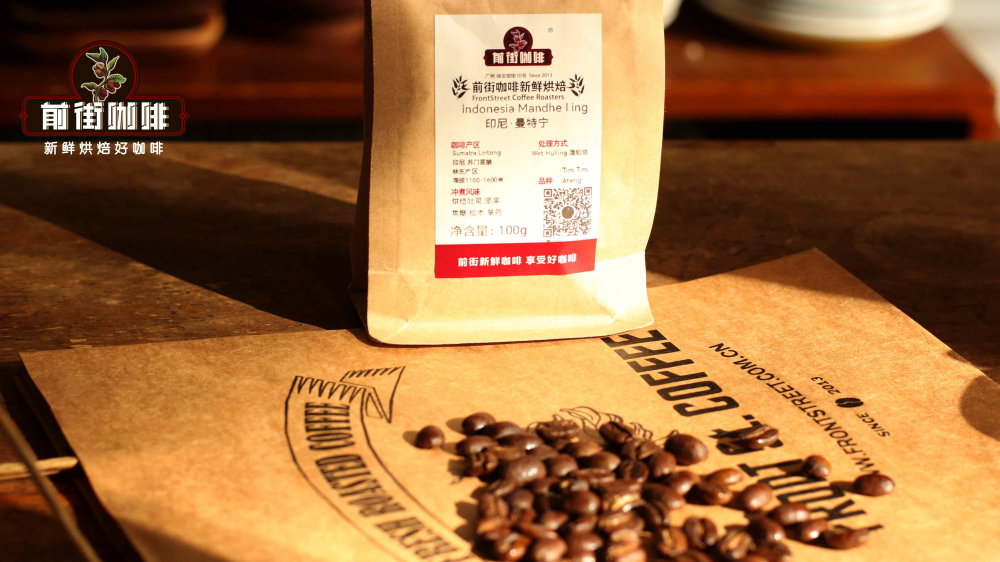
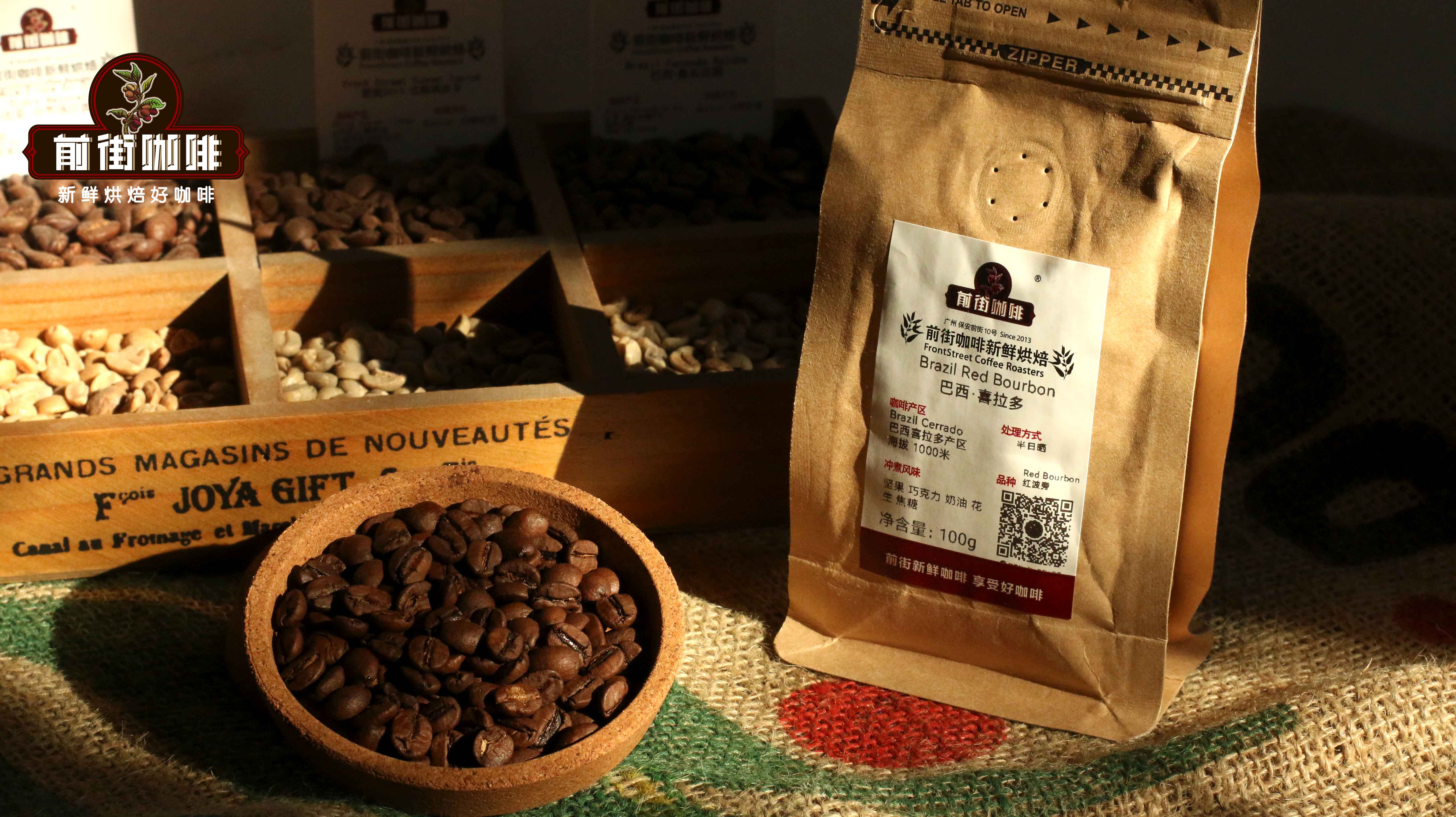
The charm of drip bags lies in the balance between convenience and flavor expression. Taking several common drip bags as examples: those from the Mandheling region often showcase distinct notes of spice, roasted hazelnuts, and caramel, with a full-bodied mouthfeel and a rich aftertaste; Yirgacheffe drip bags are characterized by their bright floral aromas and vibrant lemony acidity, making them ideal for beginners who prefer a refreshing taste; Brazilian Cerrado drip bags present gentle notes of nuts and peanuts, with a balanced overall flavor and no sharpness—perfect for those who enjoy low-acidity coffee. These diverse drip bags from different regions offer consumers a wide range of flavor options.
Next, we’ll use the Yirgacheffe drip bag as an example to clearly demonstrate the practical differences between hot and cold brewing methods. Through specific parameter settings and step-by-step instructions, you’ll gain a clear understanding of how different brewing methods influence the final coffee flavor profile.
Coffee from the Sidamo region is known for its unique berry-like sweet-and-sour tones and rich juiciness, which makes its drip bags especially suitable for users trying pour over brewing for the first time. For beginners selecting drip bags, products from the Sidamo region often provide a friendly entry experience while showcasing the unique regional characteristics of the beans.
How to correctly perform hot drip bag brewing? Taking a standard 10g drip bag as an example, it’s recommended to use water at 90°C (you can achieve this ideal temperature by letting freshly boiled water sit for about 2 minutes). Use a golden coffee-to-water ratio of 1:15, requiring a total of 150ml of hot water. For practical operation, it’s recommended to prepare a heat-resistant tall glass and a precise portable pour over kettle.
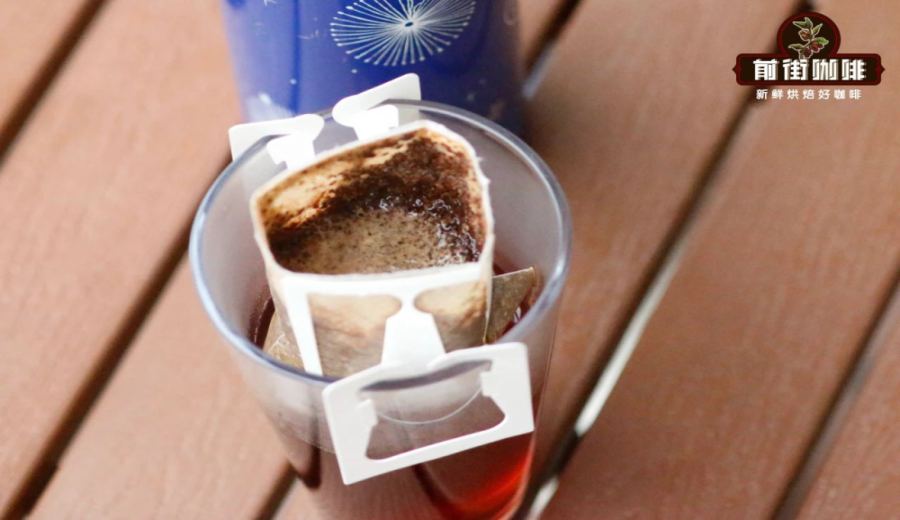
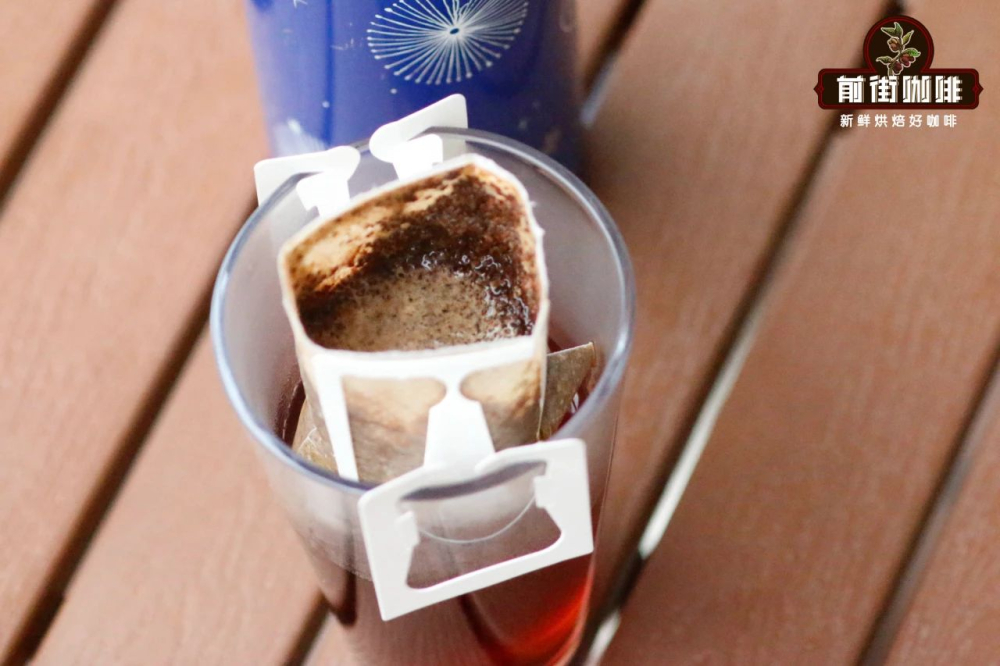
Here are the specific steps: First, carefully open the outer packaging of the drip bag, paying attention to the special design of the drip bag wings—composed of two paper flaps with water-guiding functions. There is usually a dotted line marked “OPEN” at the top; tear along this line to unfold the drip bag structure. After securely hanging the drip bag on the rim of your cup, it’s suggested to place the entire setup on an electronic scale and tare it to ensure accurate control over subsequent water pouring.
The water pouring process is divided into three stages: The first stage involves pouring 20g of hot water for a 30-second bloom, which effectively releases carbon dioxide from the coffee grounds and lays the foundation for subsequent extraction; the second stage involves pouring 60g of hot water using a gentle, fine stream, bringing the total to 80g—this stage mainly extracts the bright acidity and fruity notes of the coffee; the final stage continues with a steady stream to pour another 70g of hot water, reaching a total of 150g—fully extracting the rich base flavors of the coffee. Once all the coffee has dripped through, gently swirl the liquid in the cup to mix it evenly, and then enjoy a professional-grade pour over coffee.
Cold drip bag brewing differs significantly from hot brewing, primarily in terms of water temperature control and adjustments to the coffee-to-water ratio. Using the same 10g drip bag, it’s recommended to maintain the water temperature at 90°C, but adjust the coffee-to-water ratio to a more concentrated 1:10, with a total water volume of 100ml. For tools, in addition to the portable pour over kettle, it’s also recommended to prepare 50–70g of ice cubes and a medium-sized tall glass.
The actual operation flow: First, follow the standard procedure to open the drip bag and hang it on the cup rim. Tare the electronic scale and begin pouring water. The first stage also involves pouring 20g of hot water for a 20-second bloom—this step is particularly important for cold brewing, as it ensures the coffee grounds are fully pre-soaked. Then pour the remaining hot water in two steps: first add about 40g of hot water until the filter bag is about half full, wait ten or so seconds to allow initial extraction to begin; then add about 40g more hot water to reach near 90% full, keeping the total water poured at around 100g. Once the coffee has completely dripped through, gently swirl the liquid in the cup to mix it evenly, then add the pre-prepared ice cubes and stir well to enjoy a refreshing iced coffee.
According to actual test comparisons, the flavor profiles of hot and cold brewing show clear differences. Taking the Yirgacheffe drip bag as an example, the hot brew version presents a rich juice-like citrus character, with soft acidity and a notable sweetness in the aftertaste; meanwhile, the cold brew version of the Sidamo drip bag exhibits a more subtle lemony sweet-and-sour tone, paired with a honey-like smooth finish. Although the overall flavor intensity is more restrained, it delivers a more refreshing drinking experience.
As for why drip bags are recommended for single use only, this relates to the fundamental principles of coffee bean extraction. Generally speaking, about 30% of coffee bean components are soluble flavor substances, while the remaining 70% consist of non-extractable woody fibers. Under ideal extraction conditions, approximately 28% of the soluble substances can be effectively extracted, meaning that used drip bags contain only about 2% of remaining flavor substances along with a large proportion of woody fibers. If a second brew is attempted, these minimal residual flavors will be quickly extracted within a very short time, while the main substances subsequently dissolved into the liquid are impurities from the woody fibers—this is the primary reason professionals recommend single-use brewing only.
For users who aren’t accustomed to the strong bitterness of pure black coffee, it’s recommended to adjust the taste by adding an appropriate amount of milk. In practice, using a coffee-to-milk ratio of 5:1 can achieve a good balance. Taking the 130ml of black coffee brewed from a standard 10g drip bag as an example, it’s suggested to add about 26g (approximately 2–3 tablespoons) of fresh milk. After stirring well, you’ll get a coffee beverage with richer flavor layers. This adjustment not only softens the intense taste of the coffee but also adds aromatic dimensions from the milk, creating a coffee experience that better suits your personal taste.
The above content is compiled by CoffeeHunters, a coffee news website.


