








Introduction:Pink Bourbon and Yellow Bourbon, as rare varieties within the Bourbon family, possess unique genetic backgrounds and flavor profiles. This article will delve into their origin and evolution, regional distribution, and focus specifically on the Yellow Bourbon natural processed beans from Fazenda Rainha in Brazil. From processing methods and roasting styles to pour over parameters and actual flavor performance, we provide a comprehensive analysis and practical brewing recommendations to help you master the brewing techniques of this high-altitude specialty bean.
Bourbon coffee originates from the ancient Typica and is one of the oldest varieties in the Arabica family. Since being introduced to Brazil in the 19th century, Bourbon quickly expanded across Central and South America. Due to its certain resistance to coffee leaf rust and its ability to exhibit delicate sweetness and rich aroma in high-altitude environments, it has long been an important cultivated variety in the region. In addition to the common Red Bourbon, there are also Yellow Bourbon and Pink Bourbon, which evolved due to genetic and environmental differences. Among them, Yellow Bourbon holds uniqueness in the state of São Paulo, Brazil.
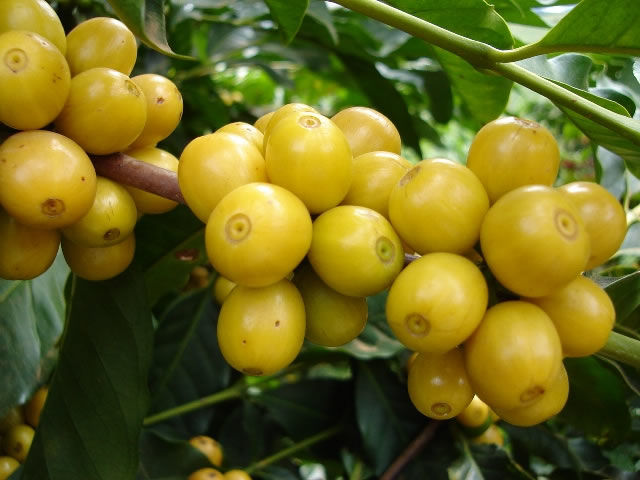
Yellow Bourbon, also known in English as Yellow Bourbon or Bourbon Amarello, is a rare Bourbon mutation where the fruits do not turn red upon ripening but remain orange-yellow. This coloration is related to recessive genes in the fruit skin and typically only appears stably under specific altitudes and climatic conditions. Compared to regular Red Bourbon, Yellow Bourbon often performs more elegantly in cupping due to its higher sweetness and brighter acidity. What is planted at Fazenda Rainha is precisely this rare yet flavor-rich Yellow Bourbon variety.
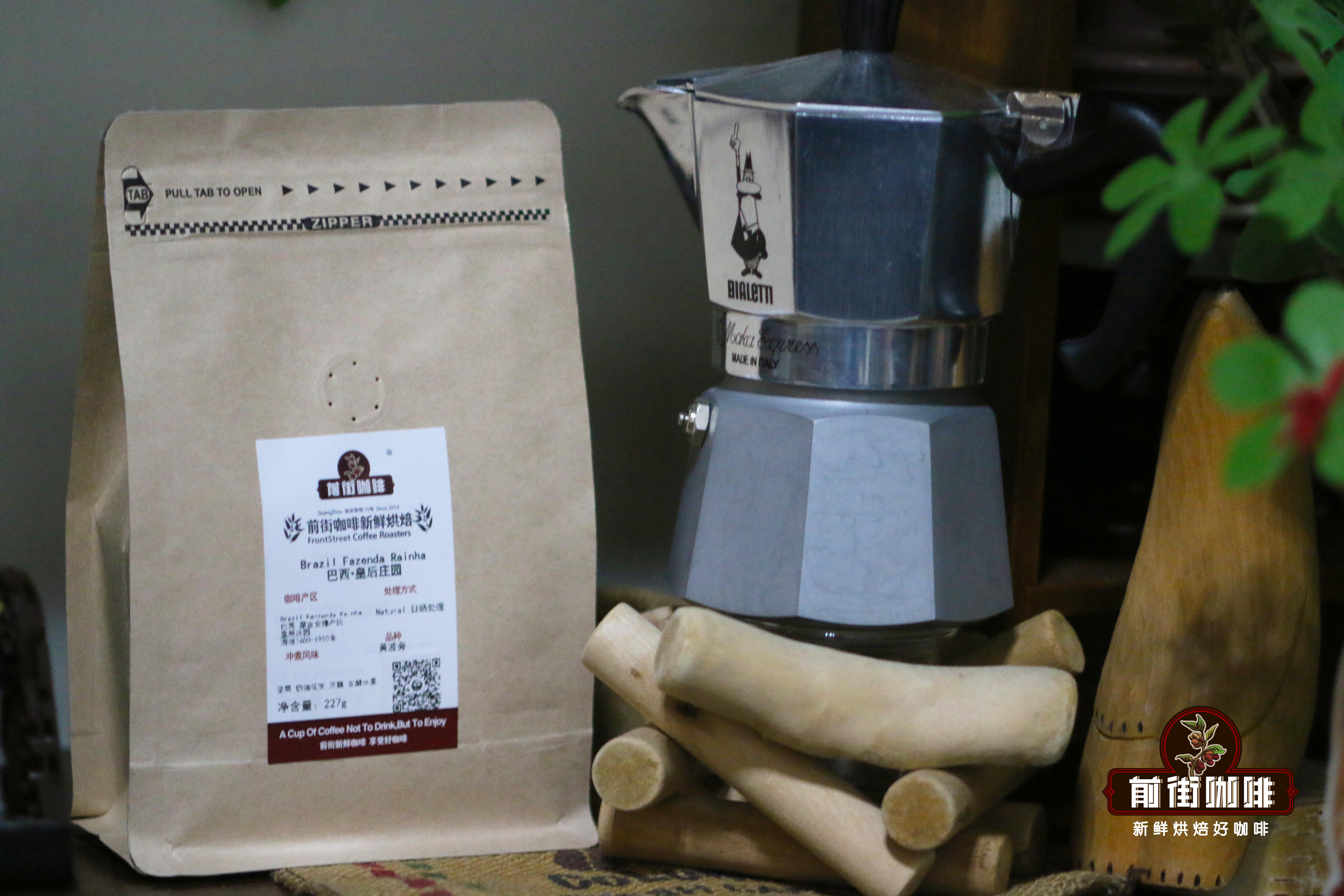
Fazenda Rainha (Rainha Estate) is located in the Mogiana region, with planting elevations ranging between 1400 and 1950 meters. The high-altitude environment gives the coffee beans greater density and richer sugar accumulation. The Yellow Bourbon at this estate is processed using the natural (sun-dried) method. Through well-controlled drying processes, the natural sweetness from the pulp is fully infused into the beans. Generally, improper natural processing can easily lead to earthy or overly fermented off-flavors. However, Fazenda Rainha eliminates unripe cherries through floatation and employs African raised beds for small-batch turning and drying, effectively enhancing flavor purity and sweetness expression.
When it comes to Pink Bourbon, its lineage is relatively complex. Some research suggests that Pink Bourbon may be the offspring of a natural cross between the Colombia variety and Caturra. Caturra itself is a Bourbon mutation, characterized by shorter plant height and moderate yield, while the Colombia variety was introduced with some Robusta genes to meet commercial demands, offering stronger disease resistance and yield advantages, though with relatively simpler flavor layers. The captivating pink color of Pink Bourbon is closely related to recessive genes in the pollen, but its color expression is unstable, often mixed with orange-yellow fruits. Strict selection is required to obtain specialty beans with consistent color.
Returning to Yellow Bourbon, this high-altitude-grown coffee bean is known for its delicate sweetness and rich mouthfeel. In terms of roasting strategy, due to its inherently high density and abundant sugar content, too light a roast can easily bring out herbal and overly sharp characteristics, while over-roasting can mask its original flavors. Therefore, many roasters prefer to use medium-dark roasts, which can preserve the creamy and nutty tones unique to the Bourbon variety while bringing out the dark chocolate and caramel-like aftertaste. In actual roasting tests, through cupping comparisons, medium-dark roasting was selected as the optimal balance point to highlight the rich base and sweet layers of Brazilian Yellow Bourbon.
Regarding pour over parameters, it is recommended to use a medium-high water temperature of 87–88°C, paired with a medium-coarse grind size (based on China’s standard No. 20 sieve, with about 70% passing rate), and a powder-to-water ratio set at 1:15, with a total coffee powder amount of about 15 grams. To avoid over-extraction leading to bitterness, it is suggested to use a KONO filter cone and perform a three-stage pouring: first, pour water equivalent to twice the powder amount (about 30 grams) for the bloom, lasting about 30 seconds to initiate the release of coffee aroma; then continue pouring with a steady small stream in a circular motion from the inner circle outward until the total water reaches 125 grams for the first pour; once the coffee bed settles slightly, continue pouring with the same fine stream until 225 grams to complete extraction, with the entire process taking about 2 minutes. Finally, gently swirl the coffee liquid in the filter cone before enjoying.
The final brewed Yellow Bourbon pour over coffee presents a clear flavor profile: the initial sip reveals distinct black chocolate and creamy aromas, the mid-palate showcases the full body of nuts and peanuts, and the aftertaste continues with the natural sweetness reminiscent of sugarcane. The overall mouthfeel is balanced, with distinct layers, a long-lasting and smooth finish. Whether you’re a coffee novice or an advanced enthusiast, this rare Yellow Bourbon from Brazil’s highlands offers a highly distinctive taste experience and serves as an excellent starting point for exploring the diversity of the Bourbon family.
The above content is compiled by CoffeeHunters, a coffee news website.


