







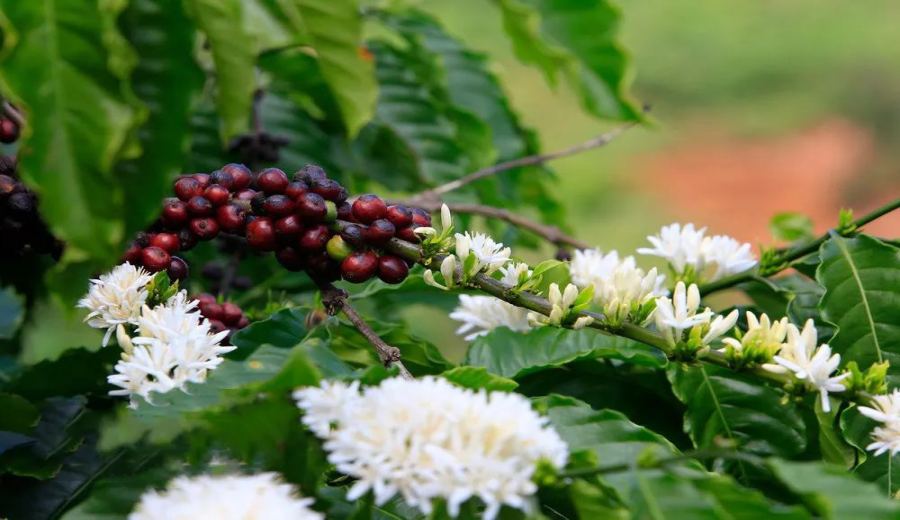
Introduction:After Geisha coffee made a sensational debut in Panama, it quickly captivated the global specialty coffee market. However, its true origin lies in the village of Gesha in Ethiopia. This article will take you on an in-depth exploration of the three core varieties grown in Gesha Village: Gori Gesha, Gesha 1931, and Illubabor Forest. We’ll analyze the unique flavor profiles brought about by different altitudes and processing methods, explain the grading system including auction, Gold Label, Red Label, Green Label, and CHAKA, and provide practical pour over parameters to help you master the essence of this classic coffee.
Since its meteoric rise at the Best of Panama competition in 2004, Geisha (Gesha) has rapidly become a benchmark in the global specialty coffee scene—not only consistently fetching record-breaking auction prices but also becoming the ultimate symbol of sought-after flavor for coffee enthusiasts and competition baristas alike. Yet, what many don’t know is that the genetic roots of Geisha can be traced back to the pristine forests of Ethiopia. Today, we’ll journey to its true birthplace—Gesha Village Estate in the Bench Maji region—and take an in-depth look at its three flagship varieties: Gori Gesha, Gesha 1931, and Illubabor Forest. We’ll also fully decode the estate’s distinctive coffee grading system, from auction-grade to everyday entry-level offerings, guiding you step-by-step through the richly layered aromas and flavor secrets of this iconic coffee.
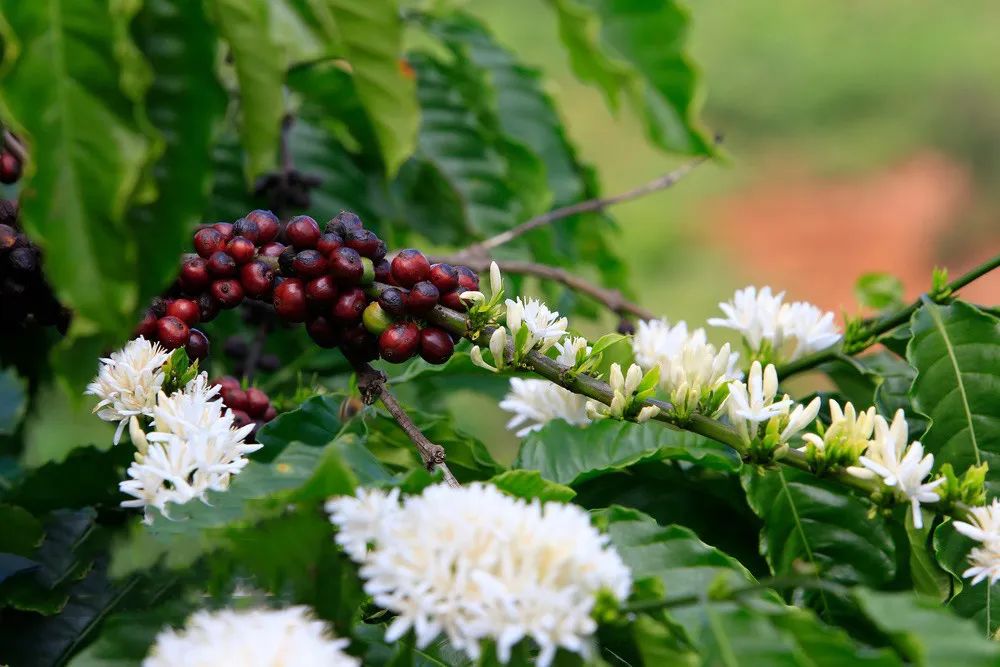
The legend of Geisha began in Ethiopia. In 1931, the variety was first discovered in the Kaffa forest near the Gesha mountain, then sent to the Kenya Coffee Research Institute, and subsequently spread to Uganda, Tanzania, and arrived in Costa Rica in 1953, finally making its way to Panama in 1963, where it began its journey to international fame. Due to its low yield, tall plant stature, and challenging harvest, Geisha long went unnoticed until Daniel Peterson, the third-generation owner of Panama’s Hacienda La Esmeralda, discovered its unique citrusy aroma and planted it separately in high-altitude plots. It then won top honors in 2004, instantly becoming synonymous with specialty coffee.
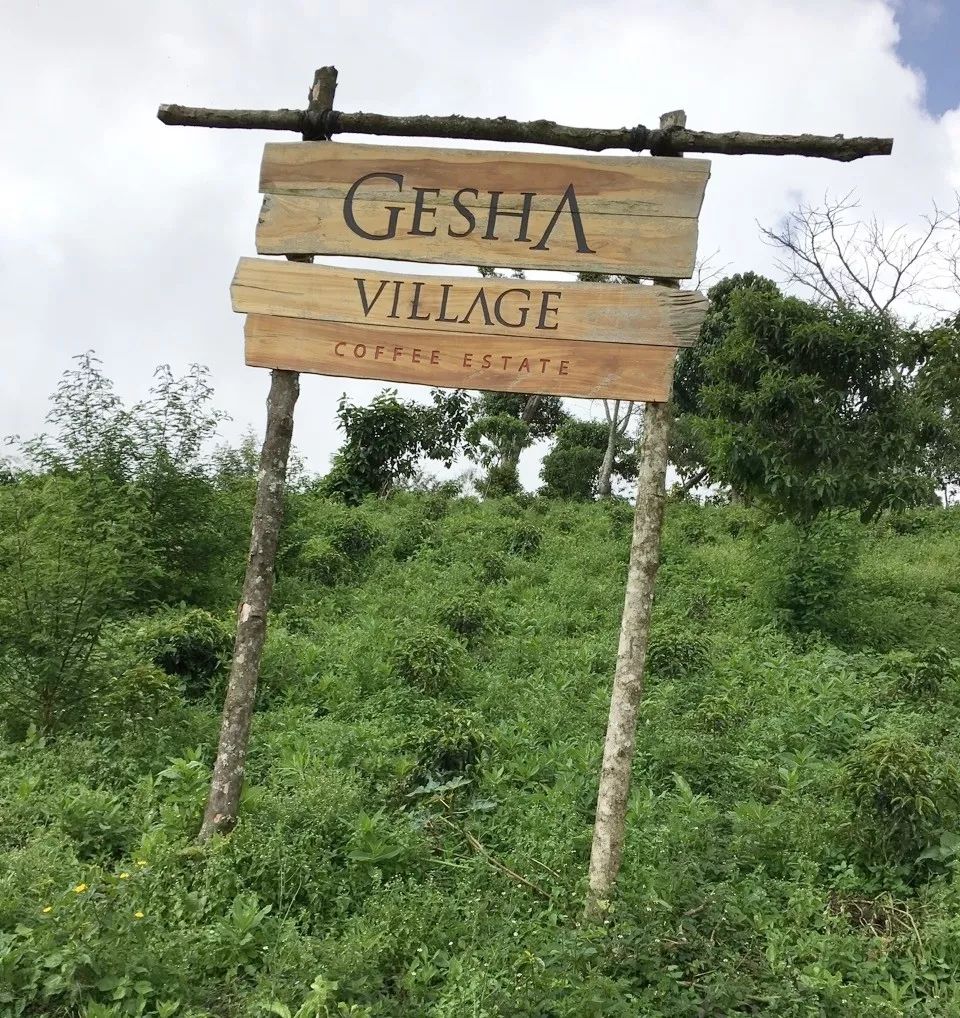
However, the focus of this article is not Panamanian Geisha, but rather its homeland—Gesha Village Estate in Ethiopia. Established in 2011 by documentary filmmaker Adam Overton and his wife Rachel Samuel, they followed the footsteps of coffee experts into the Bench Maji region, exploring the primeval forests that gave birth to Geisha. Within the Gori Gesha forest, they discovered wild Geisha trees, which were carefully selected and cultivated, eventually giving rise to a large-scale Geisha plantation covering nearly 500 hectares.
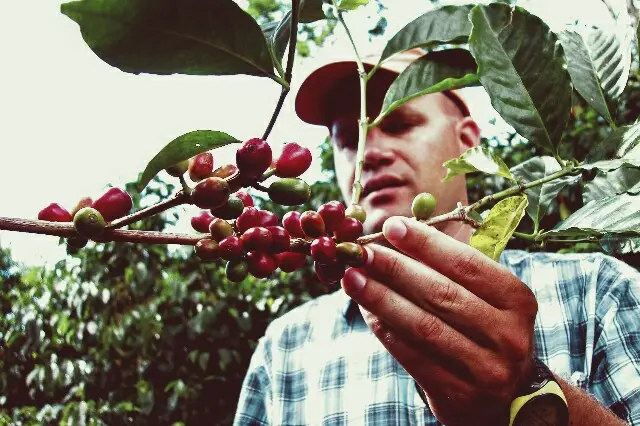
Unlike most Ethiopian coffee models dominated by smallholder cooperatives, Gesha Village is a large-scale, highly managed single-variety estate. The farm grows only Geisha-related varieties and has built its own washed processing plant and experimental facilities. Every plot is numbered and meticulously recorded to track flavor performance and microclimate correlations. Based on altitude, soil, and shade conditions, the estate owners have planted the most suitable Geisha cultivars across eight distinct plots, ensuring each section showcases its unique personality.
Currently, Gesha Village primarily cultivates three major varieties: Gori Gesha, Gesha 1931, and Illubabor Forest. Among them, Gori Gesha and Gesha 1931 share the same lineage as Panamanian Geisha but are not identical varieties. Gesha 1931’s flavor profile, in particular, closely resembles that of well-known Panamanian Geisha, while Illubabor Forest is a disease-resistant variety provided by the Ethiopian research institute, suitable for specific growing environments. To ensure consistent quality, the estate has established a clear grading system divided into five categories: Auction, Gold Label, Red Label, Green Label, and CHAKA. Each grade has its unique flavor positioning and selection criteria.
Gesha Village Auction Grade: This is the estate’s highest-grade Geisha, accounting for just 3.7% of annual production. It must undergo rigorous screening and a competitive bidding process to be acquired. Each lot of auction beans represents the pinnacle of Gesha Village’s output, making it the top choice for coffee competitions and collectors.
Gesha Village Gold Label: Making up about 10% of annual production, this represents the premium tier available on the market, complete with detailed information on origin and processing. It’s ideal for roasters and consumers seeking the ultimate in flavor. For example, one coffee shop introduced a Gesha Village Gold Label sourced from the Oma plot, grown at an altitude of 1900–2040 meters, the Gesha 1931 variety, processed using the natural method. Its flavors showcase a complex profile of citrus, berries, cream, caramel, melon, and honey—making it a particularly standout offering.
Gesha Village Red Label: Accounting for around 15% of annual production, these batches achieve an SCA cupping score of 88 or above, also featuring good traceability. While their flavor complexity may be slightly less than that of Gold and Auction grades, they still embody a very classic Geisha style and offer excellent value. For instance, the Gori Gesha from the Shewa-Jibabu plot, grown at 1973–2069 meters and processed naturally, offers flavors of lemon, plum, citrus, tropical fruits, and floral-tea notes, delivering a bright and refreshing profile.
Gesha Village Green Label: These are single-plot, single-variety batches that do not require a mandatory cupping score but come with full planting and processing information, serving as an accessible entry point to understanding the terroir of Gesha. For example, the Gori Gesha from the Bangi plot, grown at 1911–2001 meters and processed naturally, is suitable for coffee lovers just beginning their Geisha journey.
Gesha Village CHAKA: This is the estate’s special blend batch, combining beans from all plots and all three major varieties—including Gesha 1931, Gori Gesha, and Illubabor Forest—processed using both washed and natural methods. One coffee shop experienced a natural CHAKA, meticulously sun-dried for 18–30 days and lightly roasted to preserve fruit acidity. Cupping revealed tropical fruits, bergamot, lemon, cream, and fermentation notes, with jasmine aroma emerging as the cup cooled, showcasing a uniquely diverse and evolving flavor profile.
If you choose to brew CHAKA using pour over, it is recommended to use a V60 dripper, with water temperature controlled at 91–92°C, a coffee dose of 15 grams, a brew ratio of 1:15, and grind size roughly equivalent to the coarseness of granulated sugar (80% through a #20 sieve). Use a three-stage pouring method: the first stage involves pouring 30 grams of water for a 30-second bloom, followed by 95 grams of hot water in the second stage, then adding the final 100 grams after the bed has settled. Maintain a slow, circular pour throughout to ensure even extraction. This approach will perfectly highlight its bright citrus tones and multi-layered fruity aromas, delivering a balanced and vibrant tasting experience.

The above content is compiled by CoffeeHunters, a coffee news website.


