







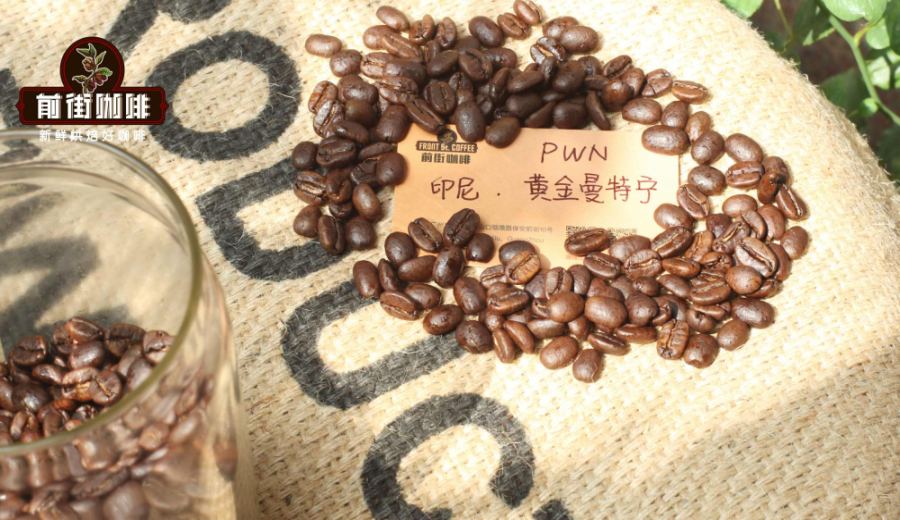
Introduction:Sumatra Golden Mandheling is beloved by fans of bold flavors for its rich, full-bodied taste and distinctive spicy notes. However, the high-temperature, high-humidity environment of the growing region poses significant challenges for washed processing. This article delves into its production environment and processing difficulties, and provides detailed pour over parameters—including water temperature, brew ratio, grind size, and pouring techniques—to help you consistently extract a smooth Mandheling with layers of chocolate, cream, and caramel.
With its intense flavor and herbal-spiced aroma, Sumatra Golden Mandheling has long been a favorite among heavy coffee drinkers. This coffee from Indonesia’s Sumatra Island is known for its bold and robust profile, but washing processing in the region’s humid and hot climate is a major technical challenge.Sumatra experiences humidity levels of 70% to 90% year-round, with annual rainfall exceeding 2000 millimeters. Although the fertile volcanic soil aids coffee tree growth, the damp weather makes coffee cherries highly susceptible to mold or rot.
Traditional washed processing in such an environment often requires twice as much drying time compared to other regions. If the beans are not dried promptly and evenly, over-fermentation or even mold can occur, directly affecting the final flavor. Thus, stabilizing processing and preserving the beans in such harsh climatic conditions becomes a key challenge for Sumatra’s coffee industry.
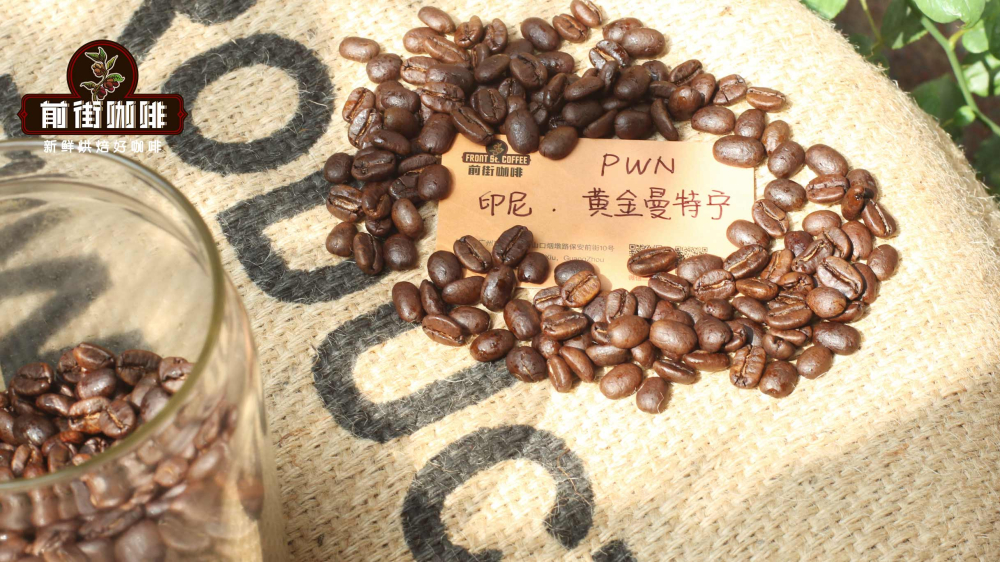
For pour over enthusiasts, brewing dark-roasted Mandheling is often seen as a challenge. Many worry that dark roasts easily bring out excessive bitterness, but in reality, with the right parameters and technique, this can be effectively avoided. First,it is recommended to control the water temperature between approximately 85 to 88°C, as too high a temperature can release excessive bitter and astringent compounds. Additionally,the grind size can be medium-fine, such as around 75% passing through a Chinese standard No. 20 sieve, allowing appropriate contact between water and coffee grounds to extract rich aromas and sweetness.
Many people instinctively dilute their coffee with water when faced with bitterness, but this often only makes the coffee weaker while the bitterness remains noticeable. In contrast,adjusting the brew ratio has a greater impact on overall flavor balance. For example, using a 1:14 brew ratio not only maintains intensity but also highlights the coffee’s inherent sweetness, resulting in a smoother, rounder profile rather than one that is merely bitter.
During the pour over process, stable and gentle pouring is equally crucial.It is recommended to use a KONO filter, with 16 grams of coffee, a water temperature of 88°C, and a brew ratio of 1:14. Specifically, start with a 30-second bloom using 30 grams of water to activate the coffee’s aromatic release. Then pour in small circles, pausing when the total water volume reaches 110 grams and allowing the water level in the filter to drop by about half before continuing to pour in circles until the total extraction reaches 225 grams, at which point the filter can be removed.
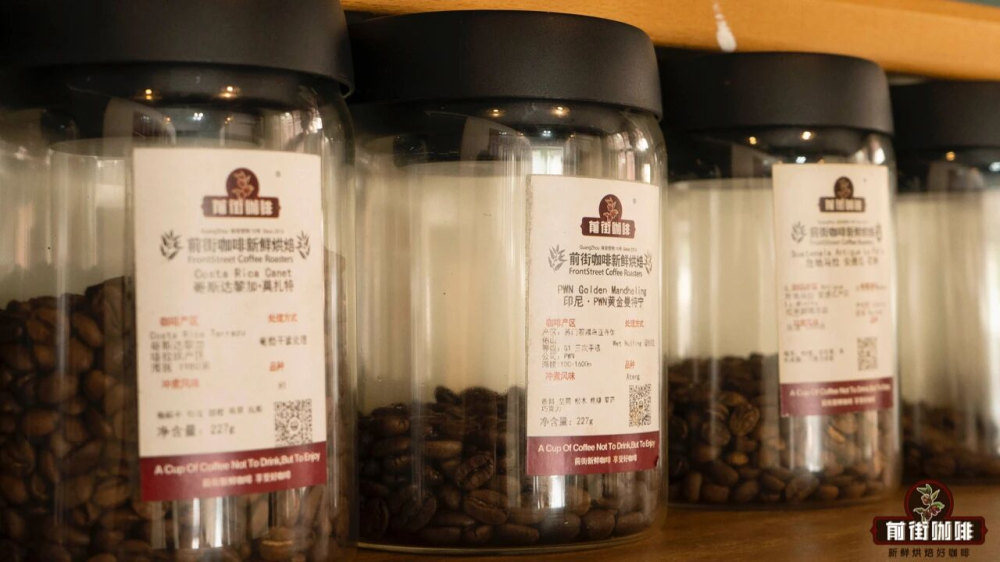
The overall extraction time is recommended to be around 2 minutes; too long or too short may affect flavor expression. With such precise parameter control, you will be able to fully appreciate the unique layers of chocolate, cream, and caramel in Golden Mandheling, accompanied by subtle honey-like aromas. Although some versions may have more concentrated flavors on the palate, the overall profile remains refreshing and sweet, making it ideal for coffee lovers who enjoy bold flavors without excessive intensity.
In summary, the charm of Sumatra Golden Mandheling lies in its rich, full-bodied taste and vibrant spice notes, but to fully unlock its potential, one must master the processing environment, roast level, and pour over parameters in a holistic way. We hope this analysis and guidance help you brew this classic coffee more consistently, and enjoy the balanced appeal of its chocolatey creaminess and caramel sweetness.
The above content is compiled by CoffeeHunters, a coffee news website.


