







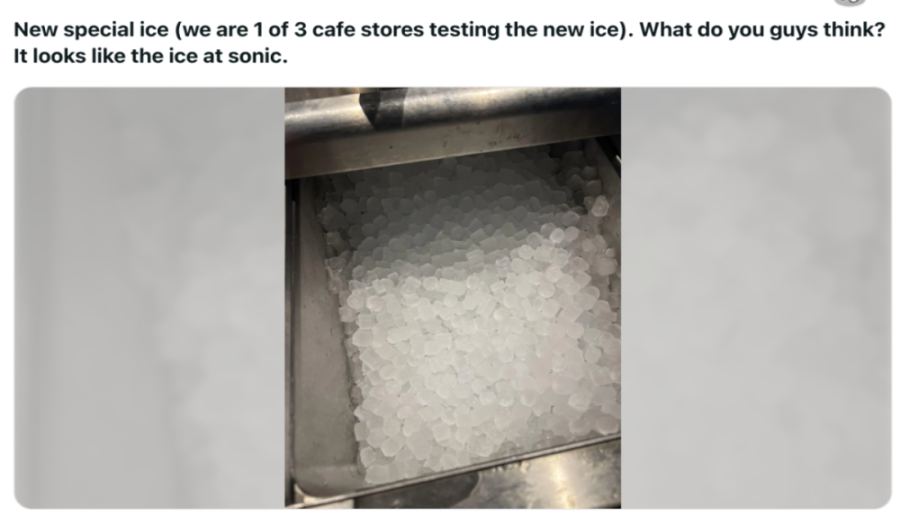
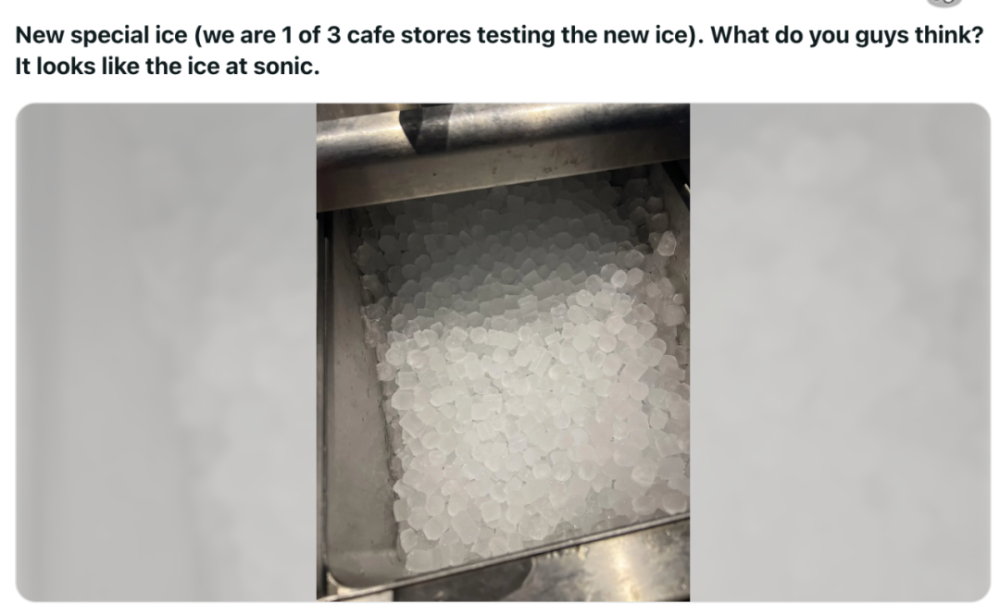
Introduction:Starbucks recently announced that it will gradually replace the type of ice used in its cold drinks, switching from traditional large cubes to smaller, crunchier crushed ice. This move not only responds to consumer demand for “eating ice,” but the new ice-making technology is also more water-efficient and environmentally friendly. However, the change has sparked polarized discussions—some people love the new ice texture, while others worry that faster melting may affect the flavor. This article details the reasons behind Starbucks’ ice transformation, the official statements, market feedback, and explores the actual impact on the drinking experience.
Starbucks recently revealed that it will gradually replace the type of ice used in cold drinks across all its U.S. stores over the next few years, switching from the commonly used large ice cubes to smaller, crunchier crushed ice. The brand officially explained that this adjustment is based on two main considerations: first, to cater to the growing number of customers who enjoy “eating ice” in their drinks—the smaller ice not only offers a lighter chew but also enhances the overall drinking experience; second, the new ice machines use significantly less water in operation, helping the brand advance its ongoing sustainability goals.
However, this seemingly thoughtful reform has not received unanimous praise. Some netizens have welcomed the new ice’s “freedom to eat ice,” believing that crushed ice not only tastes better but also adds fun to the drink; however, other consumers are concerned that the smaller ice melts more quickly, especially in hot outdoor environments, which may lead to earlier dilution of the drink’s flavor and affect its original layers. In addition, Starbucks previously faced controversy over charging extra for “no ice” or “ice-free” drinks, and this latest ice change has reignited heated discussion.
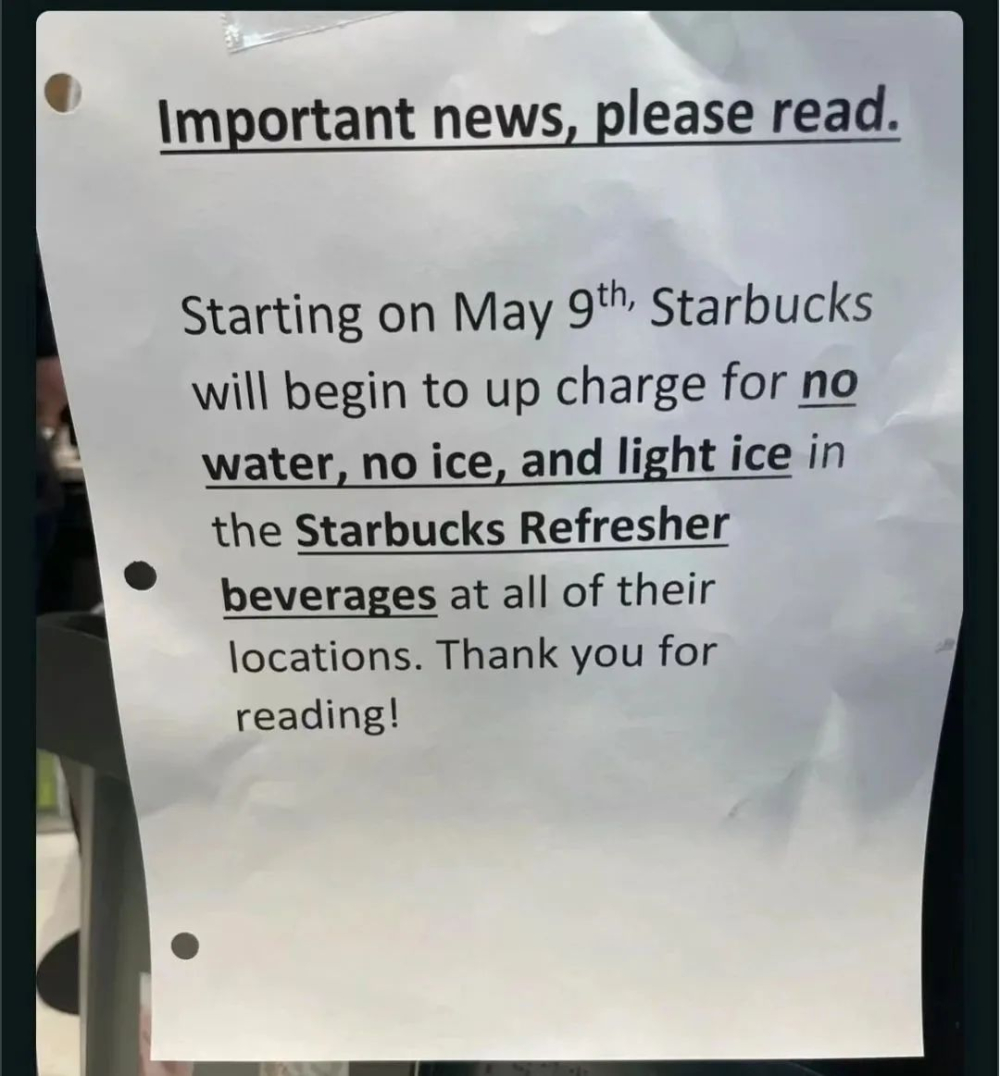
In fact, as early as mid-April this year, a U.S. netizen shared on social media that starting May 9, Starbucks stores across the U.S. would begin charging an additional fee for “no ice” or “ice-free” versions of its Refresher series of specialty drinks. The announcement immediately triggered widespread discussion, with many consumers expressing disappointment, arguing that the brand’s pricing is already high, and now even the choice of ice comes with an extra cost. Some netizens humorously joked, “Can I get a refund if I order extra ice?” reflecting complex feelings about the brand’s strategic adjustments.
In response to speculation that Starbucks’ switch to crushed ice is to “save space in cups and fit more drink,” the brand quickly clarified, emphasizing that changing the shape of the ice does not mean customers will receive less ice—because baristas will continue to use the same size ice scoops. So why did the brand suddenly decide to switch to smaller ice particles? The main reason given by Starbucks officials is “better taste.” According to internal brand data, the proportion of consumers who prefer iced drinks continues to rise, and iced beverages now account forover 75%of total sales,
showing clear market demand.After further understanding consumer habits, Starbucks found that many customers have a preference for “chewing ice” when enjoying iced drinks, but traditional large ice cubes are too big, making them harder to chew and offering a monotonous texture. Therefore, the brand decided to switch to smaller, “crunchier” crushed ice in hopes of providing a richer drinking experience. This decision has drawn polarized reactions among U.S. netizens:Consumers who enjoy chewing ice expressed excitement
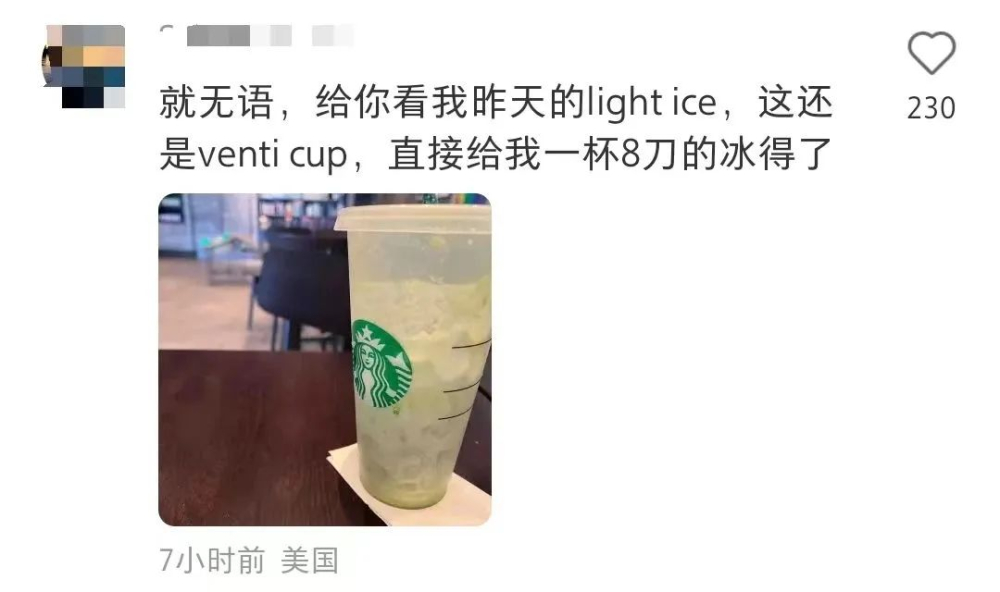
, saying the new ice “tastes really super great,” with some even joking, “If you launched this kind of ice, I could chew it all day!” However, some users raised practical concerns, noting that although crushed ice tastes good, it melts faster and may cause drinks to lose their original flavor more quickly in outdoor or high-temperature settings; others worried that this type of ice might not be suitable for making certain drinks like Frappuccinos, potentially affecting their unique smooth texture.
Regarding this market feedback, Starbucks has not yet provided further comments on how crushed ice performs in different drinks. However, the brand emphasized that in addition to meeting customer taste preferences, another important reason for switching to the new ice is that the new ice machines are more water-efficient, aligning with the company’s long-term environmental commitments. Therefore, this ice upgrade plan will be gradually rolled out to all U.S. stores over the next few years and is expected to gradually replace traditional large ice cubes, becoming the standard configuration for Starbucks cold drinks.
The above content is compiled by CoffeeHunters, a coffee news website.


