







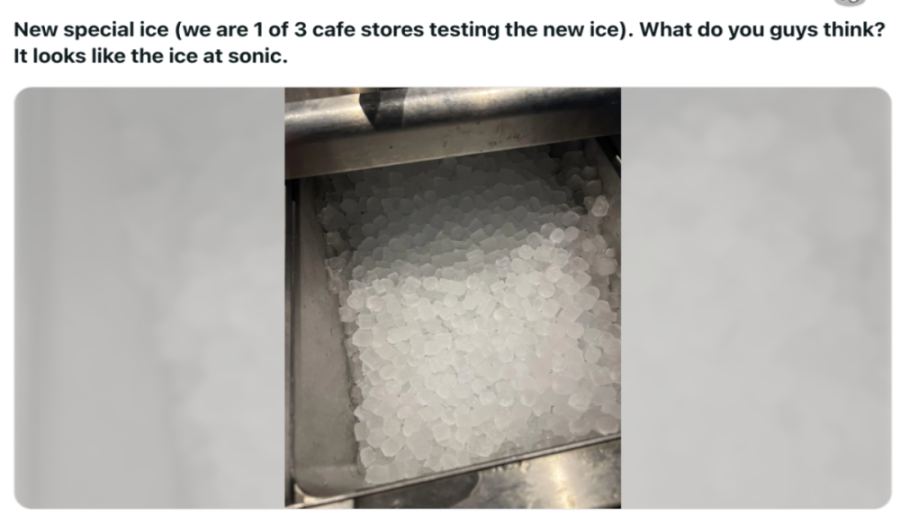
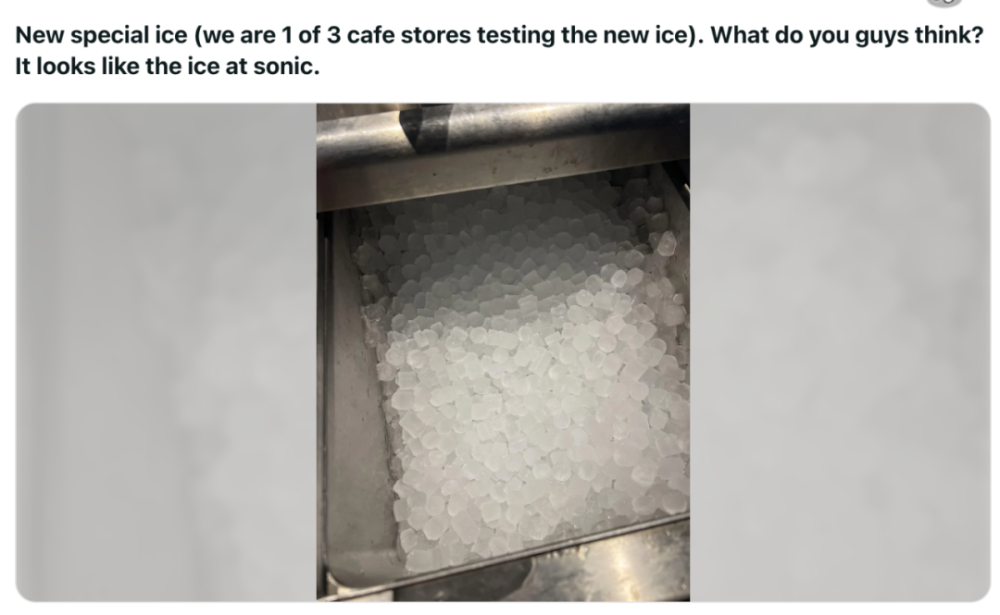
Introduction:Starbucks has recently made a quiet switch to a new type of ice cube for its cold beverages—the newly produced ice is finer and crunchier in texture, sparking widespread discussion among customers. The company stated that this move aims to enhance the drinking experience of iced beverages while also reducing water consumption during the ice-making process. However, many customers have expressed concerns that smaller ice cubes may melt faster, potentially affecting the flavor of drinks, with some even questioning whether the change is intended to reduce the actual amount of ice used. This article takes an in-depth look at the reasons behind Starbucks’ ice strategy, the polarized customer feedback, and offers a practical analysis of how ice affects coffee flavor.
International coffee chain Starbucks announced adjustments to the ice specifications used in its cold drinks—the new ice features smaller particles and a crispier texture. According to official statements, the change primarily considers the growing habit among consumers of chewing ice cubes while enjoying iced beverages, aiming to improve the overall drinking experience by enhancing the texture of the ice. However, the decision has sparked mixed reactions among customers.
Some customers are delighted with the ability to chew on more textured, smaller ice cubes, believing the change adds more fun to their iced drinks. At the same time, other consumers have voiced concerns, worrying that the faster melting rate of smaller ice cubes could dilute the flavor of the drink—especially in hot weather where beverage flavors can dissipate quickly. Additionally, Starbucks has previously faced criticism for charging extra fees to customers who opt for no-ice or less-ice drinks, and now the adjustment in ice shape has led some online users to question whether it’s a way to reduce the actual amount of ice used.
In fact, even before this ice change, customers from various countries had already reported that Starbucks’ cold drinks often contain a high proportion of ice, frequently resulting in a smaller amount of actual liquid, which affects value for money. Especially when customers choose no-ice or less-ice options, stores often need to add extra ingredients to maintain portion size, thereby increasing operational costs. This also led Starbucks to introduce a policy of charging extra for no-ice versions of certain drinks.
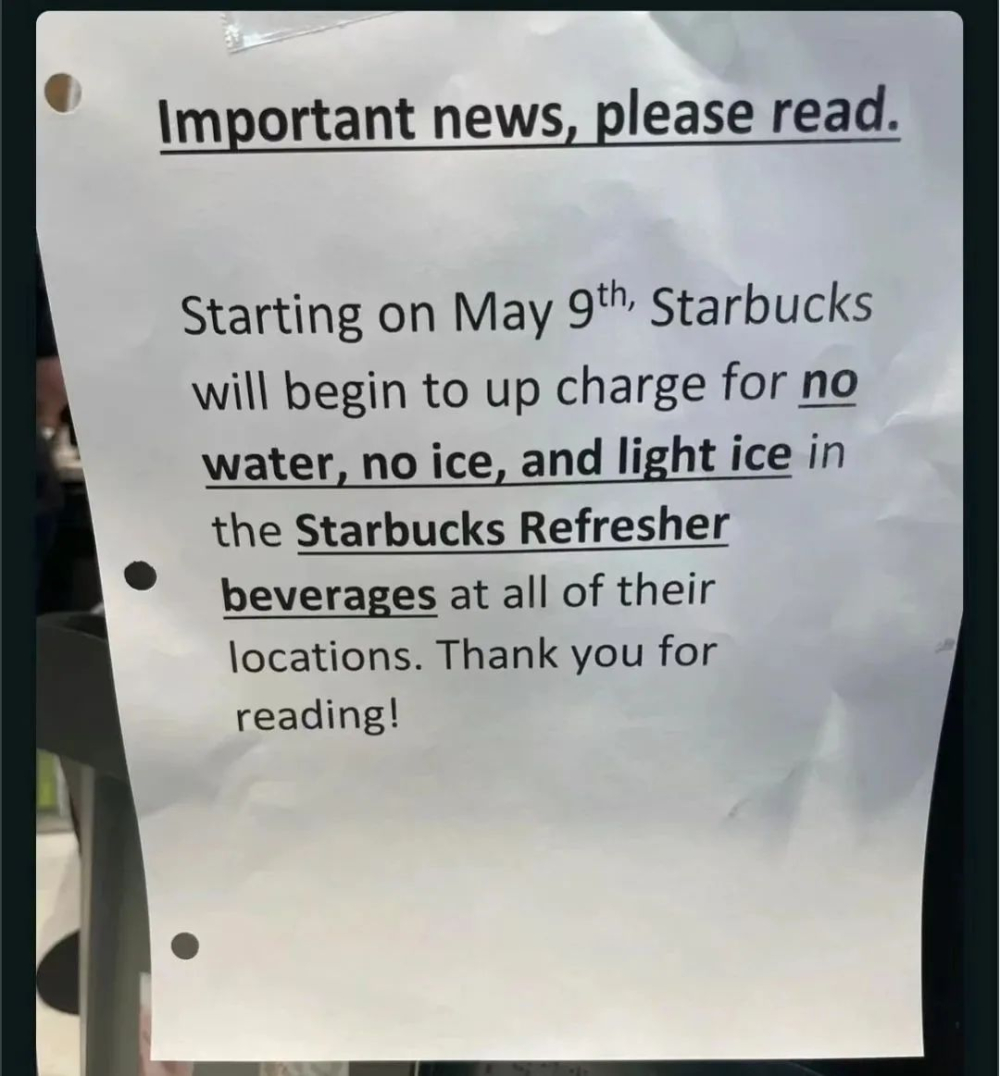
In April this year, a U.S. netizen revealed on social media that starting May 9, some Starbucks locations would begin charging extra for no-ice or less-ice versions of the Refresher series drinks. The news immediately triggered widespread discussion, with many netizens arguing that the brand’s pricing is already high, making the move seem overly stingy—some even joked whether adding more ice might result in a refund.
In response to external doubts about a possible reduction in ice quantity, Starbucks officials clarified that changing the shape of the ice does not affect the actual amount of ice per drink, as baristas will continue to use the same size ice scoops. So, what exactly prompted Starbucks to decide to switch to these smaller, crunchier ice cubes?
According to the brand, the adjustment is mainly based on market observations: currently, iced drinks account for over 75% of Starbucks’ total beverage sales, indicating a continued rise in consumer preference for iced beverages. At the same time, the brand also noticed that many customers have the habit of chewing ice cubes, and traditional large ice cubes are not only harder to chew but also relatively bland in texture. Therefore, the decision was made to switch to smaller, finer ice cubes with a crisp texture to improve overall customer satisfaction.
Responses from U.S. netizens to this new measure are clearly divided. Customers who enjoy chewing ice have expressed strong support, describing the small ice cubes as having a “superb texture,” with some even humorously suggesting they might end up consuming more ice because of them. However, some customers have raised practical concerns, pointing out that smaller ice cubes melt faster, and in outdoor or high-temperature environments, drinks may lose their original flavor quickly. Others are also worried about whether these ice cubes are suitable for making blended drinks like Frappuccinos, which require a smoother texture, fearing it might impact the final product’s quality.
As of now, Starbucks has not provided further responses to these customer concerns. However, the brand emphasized that in addition to improving the chewing experience, the new ice-making machines are also more water-efficient, aligning with modern environmental trends. Therefore, it plans to gradually roll out this new type of ice cube across its global stores in the coming years.
The above content is compiled by CoffeeHunters, a coffee news website.


