







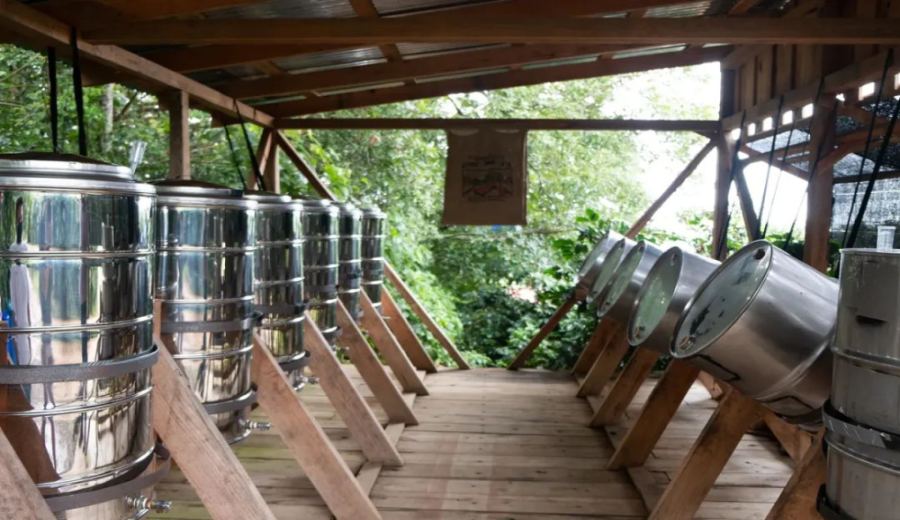
Introduction:As the specialty coffee market evolves, anaerobic processing has become a key technique for many producing regions to break through flavor limitations. This article delves into the principles of anaerobic enzymatic processing, clarifies its fundamental differences from flavored beans, and—through insights from World Championship-winning professionals—helps you understand how this technology transforms the way coffee flavors are presented, enabling coffee enthusiasts to make more informed choices.
Over the past decade, the global specialty coffee market has undergone significant transformation. Even regions traditionally known for their natural flavor profiles, such as Ethiopia and Panama’s Geisha-growing areas, have embraced special processing methods. Back in 2014, at a competition in Costa Rica, coffee beans processed using anaerobic honey methods made a surprising splash, sparking a technological revolution in “oxygen-free fermentation.”
The core of so-called “oxygen-free fermentation” lies in creating a sealed environment to exclude oxygen, thereby suppressing the activity of aerobic spoilage microorganisms. This allows processors to precisely control parameters inside the fermentation tank—such as temperature, pH, sugar concentration, pressure, and gas composition—while also tightly managing fermentation duration. The process breaks down the coffee pulp, mucilage, and fruit sugars, resulting in coffee beans with richer, more layered aromatic profiles.
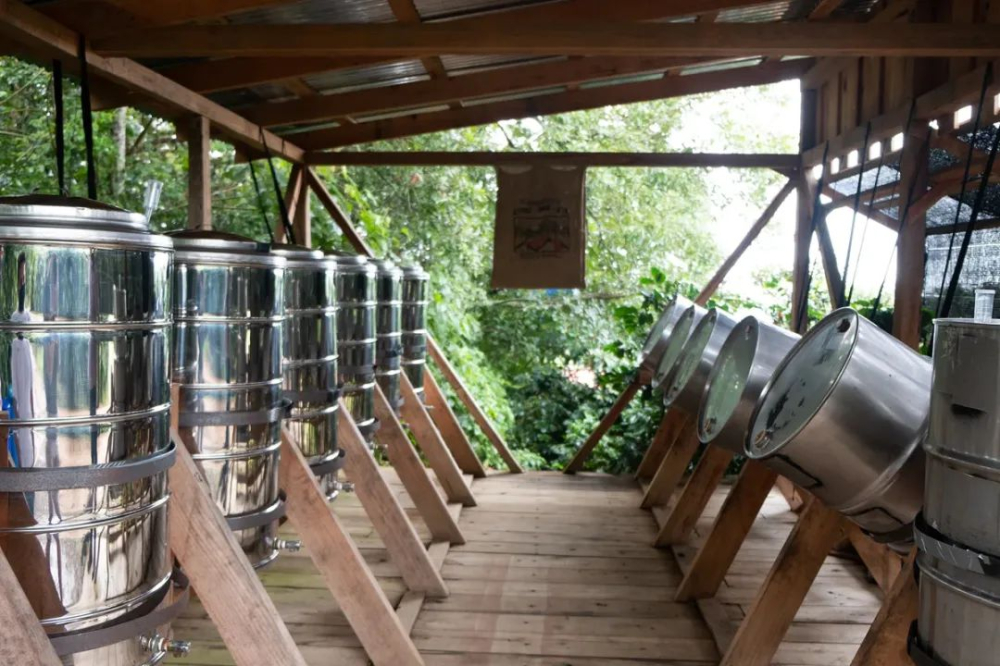
This technique made a major impact at the 2018 World Barista Championship (WBC), where five out of the top six contestants used anaerobically fermented beans, instantly drawing intense interest from the market and consumers. Within just five years, anaerobic processing has evolved from early methods involving simple oxygen extraction or carbon dioxide injection to diverse forms such as double anaerobic, cold fermentation, hot fermentation, enzyme application, and even the addition of specific microbial strains.
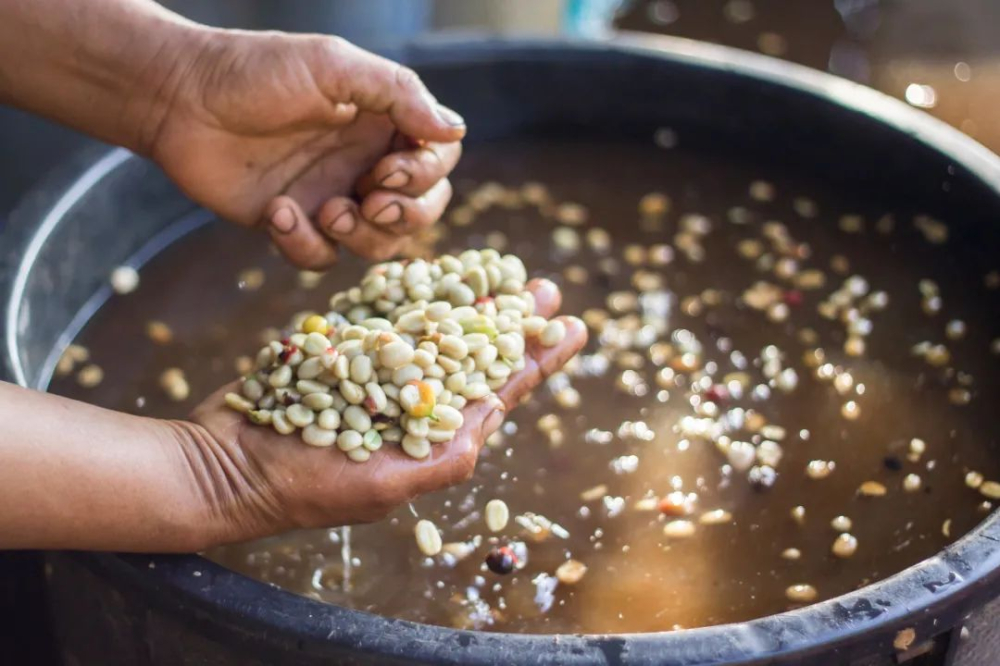
Among the many technical terms, the term “enzymatic” in “anaerobic enzymatic processing” has become a focus of consumer discussion. In reality, the enzymes referred to here are not additives in the conventional sense but rather “coffee fruit extract.” For example, in washed processing, as coffee cherries soak in fermentation tanks, the tank water serves as the source of this coffee fruit extract.
Enzymes are essentially metabolic byproducts of food fermentation. Under normal circumstances, liquids produced by fermenting different ingredients often carry a slightly acidic taste akin to vinegar, offering a blend of sweet and sour flavors alongside moderate alcohol notes (assuming the fermentation process is well-controlled). Rarely do they retain the raw aroma of the original ingredients. The reason consumers often associate enzymes with specific flavors largely stems from many commercially processed enzyme products on the market that deliberately amplify the characteristics of their source materials, eventually forming the stereotype that “enzymes = flavor substances.” But in fact, the primary role of enzymes in processing is to regulate the pH balance of the fermentation environment, guiding the coffee cherries along different fermentation pathways.
As for whether there is any confusion between enzymes and commercially processed enzyme products that produce flavors after treatment, there is currently no definitive evidence.
As more and more regions and estates adopt anaerobic processing, their initial motivation is often to create a competitive edge, helping their coffee beans stand out in the market. Professionals familiar with the impact of altitude on coffee flavor know that high-altitude-grown coffee typically offers more delicate and complex flavor layers, while beans from low-altitude regions often present relatively bland profiles.
But constrained by geographical conditions, the altitude within a region inevitably varies. For instance, coffee grown at 1200 meters and 1800 meters can show significant differences in flavor and complexity, causing lower-altitude beans to often be overlooked by the market. For low-altitude growers, special processing methods are almost the only quick way to attract attention, serving as their “survival tool.”
Even producers in high-altitude areas are no exception—after years of “internal competition” in Panama’s Geisha region, producers now also rely on anaerobic fermentation techniques to give their Geisha beans more distinctive identities. From a market demand perspective, influenced by coffee competitions, cultural promotion, and peer influence, more and more consumers are seeking coffee beans that offer rich and varied flavors. As a result, the market naturally gravitates toward offerings produced through special processing methods.
Compared to the earlier widespread belief that coffee is only bitter, special processing methods have given the public a completely new understanding of coffee. For most consumers, breaking the stereotype of “coffee = bitterness and astringency” and instead experiencing fresher, more diverse flavors is not only not off-putting but is actually widely welcomed.
So, does anaerobic processing fall under flavor-enhanced processing? Regarding the definition of “flavored coffee,” the industry still has some gray areas. Sasa, the World Barista Championship winner and inventor of the carbon dioxide immersion processing method (CM), clearly states: if coffee is labeled with its processing information and additives, it can indeed be classified as flavored coffee, and such beans should not appear in any competitions due to concerns over fairness.
He further pointed out that in experiments conducted in Nicaragua, varieties and low-altitude coffee beans that originally had subpar flavor profiles saw noticeable improvements in taste after undergoing carbon dioxide immersion processing—this is also the main reason why such beans are prohibited from competing in green bean competitions. However, these cases involve natural flavor enhancements resulting from regulated fermentation processes, and strictly speaking, cannot be defined as flavor enhancement. True flavor enhancement refers to the addition of flavor substances that ultimately remain in the coffee, such as flavor extracts or artificial essences. Sasa emphasized that such additive information must be fully transparent to align with the fundamental principle of traceability in single-origin coffee.
In contrast, processing methods that use enzymes as fermentation catalysts or involve adding yeast and probiotics to participate in fermentation—so long as no residual taste of the added substances remains in the final coffee, and all flavors come purely from the natural fermentation process—do not fall under the category of flavored coffee.
The key lies in whether end consumers can clearly, transparently, and truthfully understand the cultivation and processing of the coffee they drink. Ultimately, the choice is always in the hands of the consumer. Just as with traditional tea versus modern tea drinks, different consumers make choices based on dietary culture and personal preferences, with no absolute right or wrong.
The above content is compiled by CoffeeHunters, a coffee news website.


