







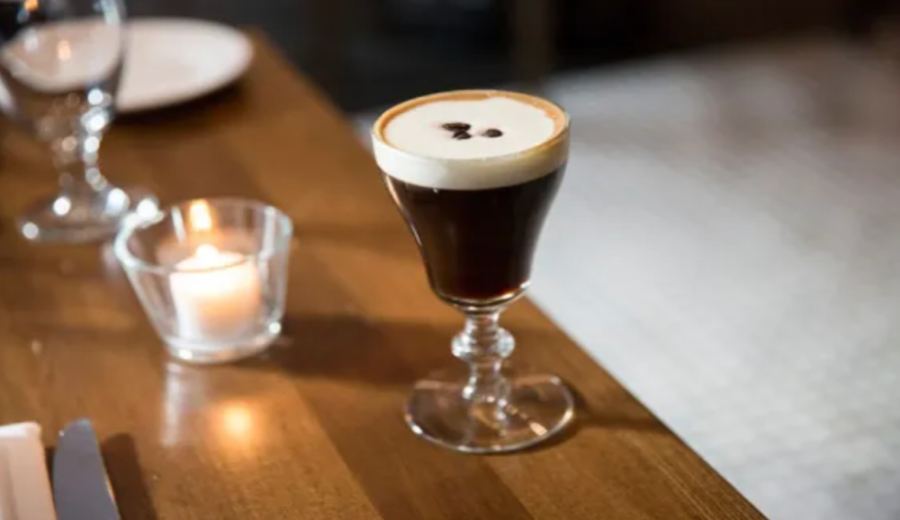
Introduction:What kind of flavor experience is sparked when traditional baijiu meets modern coffee? In recent years, from Moutai to Wuliangye, the cross-industry combination of Chinese baijiu and coffee has rapidly gained popularity, becoming a new beverage trend chased by the younger generation. This article will delve into the evolution of baijiu coffee, explore its flavor characteristics and market phenomena, and introduce you to the innovative thinking and consumer trends behind this new wave of Chinese-style trends.
What kind of flavor spark is created when coffee meets Chinese baijiu? From early whiskey coffee to the now highly talked-about Moutai and Wuliangye specials, this East-meets-West beverage combination is undergoing a profound process of localization. As young consumers increasingly seek a mildly intoxicated experience, chain coffee brands have launched innovative alcoholic coffee products, bringing this once niche drink gradually into the mainstream.
Is this “coffee + baijiu” combination just a fleeting trend or does it have the potential to develop into a sustainable new category? To understand this, we need to revisit the evolution of alcoholic coffee, analyze the consumer psychology behind new Chinese-style coffee, and explore how this innovative combination balances flavor with market acceptance.
Internationally, the combination of alcohol and coffee can be traced back to the 1940s, when overseas bars began popularizing the practice of mixing spirits with hot coffee. These early recipes typically used spirits as the main component, with coffee serving only as an auxiliary ingredient, primarily to enhance the layered complexity and richness of the spirits. Over time, this concept of mixed drinks gradually made its way into coffee shops, though initially it still retained the bar-centric preparation philosophy.
Unlike bars, which emphasize a spirit-led mixing philosophy, baristas in the specialty coffee field pay more attention to how to showcase complex flavor layers through coffee. Driven by the specialty coffee movement, modern alcoholic coffee preparation places greater emphasis on the complementary personalities of coffee beans and spirits, aiming to deliver diverse flavor changes across different stages of drinking — including the initial freshness, the mid-palate layering, and the lingering aftertaste.
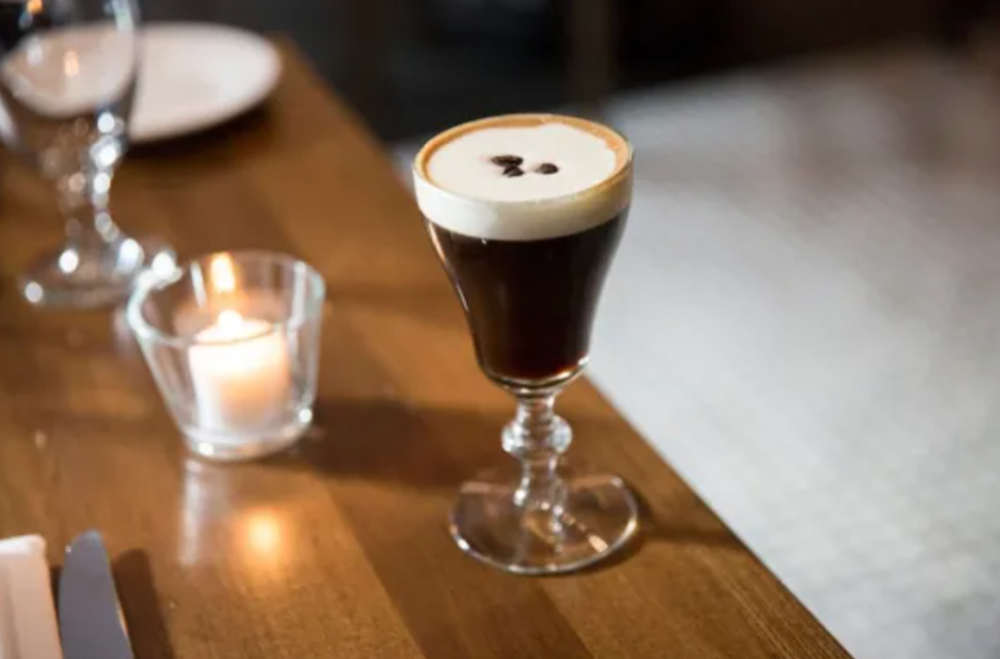
The development trajectory of the domestic alcoholic coffee market shows that such beverages were initially only available at a few independent coffee shops. However, as young consumers’ demand for mildly intoxicated experiences continues to rise — starting with self-mixed alcoholic coffee from convenience stores — alcoholic coffee has gradually become a common specialty option in coffee shops. Especially during weekday mornings, many young people are seeking a beverage option that can both energize and relax, and this demand has driven the rapid expansion of the alcoholic coffee market.
The popularity of the mildly intoxicated trend among young people can be attributed to two factors: on one hand, the fast pace of modern life means people need moderate ways to unwind; on the other hand, small amounts of alcohol intake are believed to help relieve daily stress and anxiety. Notably, the consumption peak for alcoholic coffee often occurs in the morning hours, creating an interesting contrast with traditional coffee consumption habits and prompting various coffee operators to adjust their product strategies.
Against the backdrop of the revival of new Chinese culture, the base spirits used in alcoholic coffee have also undergone significant shifts — from previously being dominated by Western spirits like whiskey and brandy, to gradually turning toward native Chinese baijiu. Among them, Moutai and Wuliangye, with their unique flavor profiles, have become representative choices for new Chinese-style alcoholic coffee. These Chinese baijiu not only carry deep cultural heritage, but their flavor characteristics also form an interesting complementary relationship with coffee.
Compared to the pungent aroma of Western spirits, Moutai and Wuliangye exhibit more mellow and gentle fragrance profiles. When these baijiu are blended with coffee, they can provide a moderate sense of mild intoxication without overwhelming the true flavor of the coffee due to excessive booziness. More importantly, these two types of Chinese baijiu can add a unique hint of sweetness and fermented aroma to the coffee beverage, creating a more complex taste experience.
Since its introduction, the combination of baijiu and coffee has continuously garnered market attention. From early independent coffee shops trying out Moutai Dirty to well-known chain brands launching Wuliangye specialty coffee, each launch of these innovative products has sparked enthusiastic reactions among consumers. Behind this phenomenon, aside from novelty and curiosity, is the more important factor of allowing ordinary consumers to experience the unique flavors of premium baijiu at a more affordable price. As many netizens have said: “Thousands-of-yuan Moutai feels out of reach, but a Moutai Dirty for just a few dozen yuan is within everyone’s grasp.”
Observing current market trends, the innovative model of “coffee + xx” continues to evolve, and it is expected that more groundbreaking combinations and preparation methods will emerge in the future. This spirit of innovation brings limitless possibilities to coffee beverages, but it also reminds us that true innovation should be built upon understanding and respect for tradition.
It is worth noting that tradition and innovation are not opposing forces. Successful innovation is often a re-interpretation and optimization of traditional elements — preserving core values while endowing them with a modern vocabulary and expression. Whether “coffee + xx” attracts consumers through unique flavors or moves the market with novel concepts, it must ultimately return to the essence of the beverage — delivering a satisfying taste experience and consumer value.
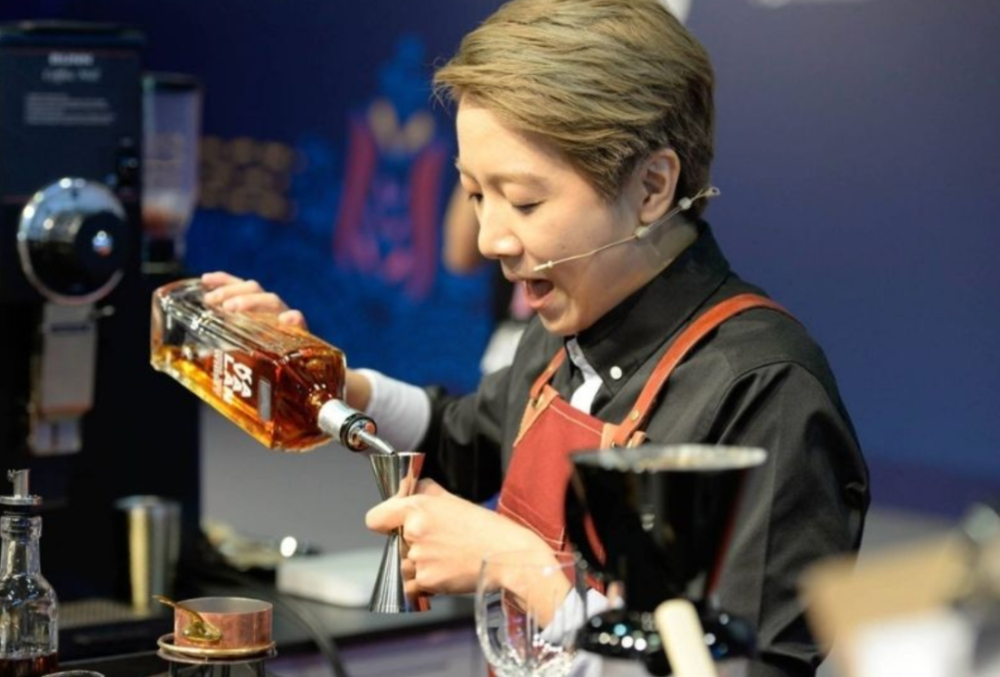
The above content is compiled by CoffeeHunters, a coffee news website.


