








Introduction:To truly appreciate the richness and lingering sweetness of coffee, it's not enough to focus on flavor alone—you must also understand Body. This article delves into the definition and origins of coffee Body, introduces you to the types of beans that are especially well-suited for those seeking a bold mouthfeel, and explains in detail how pour over techniques can influence the perception of Body. By mastering everything from bean selection to brewing, you’ll be able to craft a rich and memorable cup.
When talking about a great cup of coffee, aside from its captivating aroma and layered flavors, the tactile experience is equally vital. The so-called Body refers to the texture you feel in your mouth when drinking coffee—such as its viscosity, smoothness, and overall fullness. This textural sensation directly shapes our overall enjoyment of a cup.
The quality of a coffee’s Body mainly comes from the content of oils and fibers in the brew.The finer and more abundant these components are, the richer, smoother, and more robust the coffee feels in the mouth. That’s why many people particularly love dark roast espresso or coffee brewed with a flannel filter—it preserves more oils, further enhancing the Body.

So, for those who crave a bold mouthfeel, which coffee beans are worth trying? First up is Kenya’s petite tomato-flavored beans, which offer complex fruity notes—cherry tomatoes, black plums, pears, and caramel. These beans not only have bright acidity but also a round, full Body with a rich taste. Another excellent option is Queen Estate, whose flavors are dominated by roasted nuts, cocoa, baked bread, and caramel. From the first sip, you’ll notice a thick, substantial coffee texture with clear layers and a clean finish.

If you prefer to explore coffee Body through pour over, then understanding the correct brewing techniques is key. Among them, the Hario V60 Kawahara method (often referred to here as 河野式, or Kawahara-style) is considered one of the representative techniques for highlighting a bold mouthfeel. This method is especially suitable for dark roast beans and emphasizes water pouring rhythm, filter cone selection, and fine-tuned control.

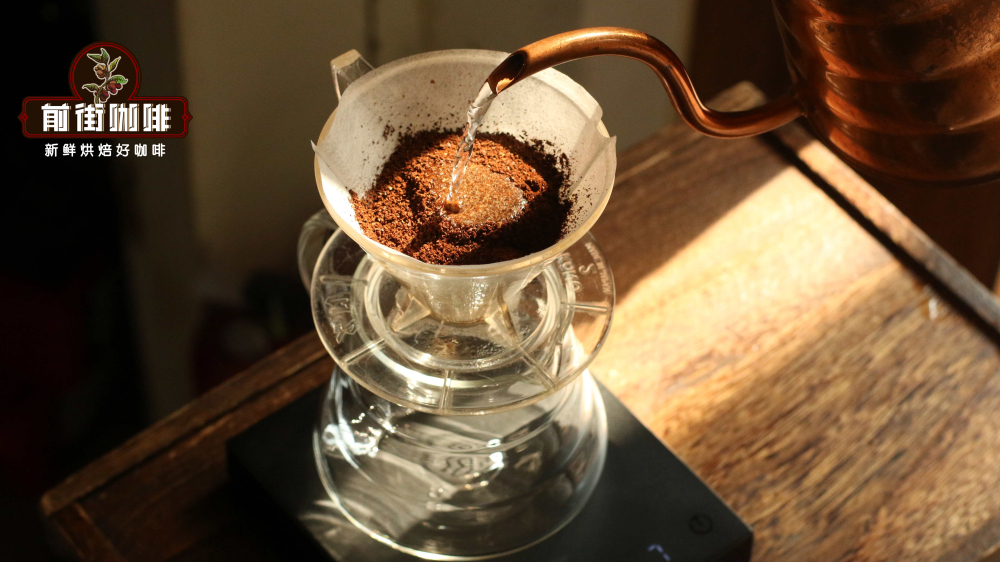
In practice, the Kawahara-style method is divided into two main stages. The first involves gently wetting the coffee grounds with a fine stream of water—a step similar to blooming—that helps release CO₂ trapped inside the grounds, preventing it from negatively affecting subsequent extraction. Then comes the main extraction phase, where larger water streams are used in multiple pours to gradually release soluble substances in the coffee, including the oils and fibers that greatly contribute to Body.

Additionally, the Kawahara-style typically uses an immersion-style filter cone like the Kono, which helps extend the contact time between coffee and water, thereby enhancing Body. In contrast, high-flow filter cones like the V60 are better suited for emphasizing aroma and acidity. Beyond the choice of filter cone, the overall pouring technique should also slow down. It’s recommended to use a coffee-to-water ratio of about 1:12, slightly lower water temperature, and a coarser grind size to reduce the risk of over-extraction and ensure stable brewing quality.

However, while the Kawahara-style can significantly enhance Body, it’s not a one-size-fits-all solution. More importantly, understanding the principles behind it is crucial:The structure of the filter cone, the pouring method, and the grind size all directly influence the final mouthfeel.For example, filtering tools with wider gaps—like flannel cloths or metal filters—can retain more oils, further boosting Body. Similarly, a gentle and steady pouring technique, as opposed to vigorous stirring, brings out a smoother and more refined texture.

In summary, achieving a coffee with outstanding Body isn’t just about choosing the right beans—it’s about finding balance among equipment, water temperature, grind size, and brewing technique. Only by ensuring the flavors remain uncompromised can you truly extract a cup that is both bold and layered. Whether you’re a pour over beginner or a seasoned enthusiast, mastering these key elements will bring you closer to that ideal sip.
The above content is compiled by CoffeeHunters, a coffee news website.


