







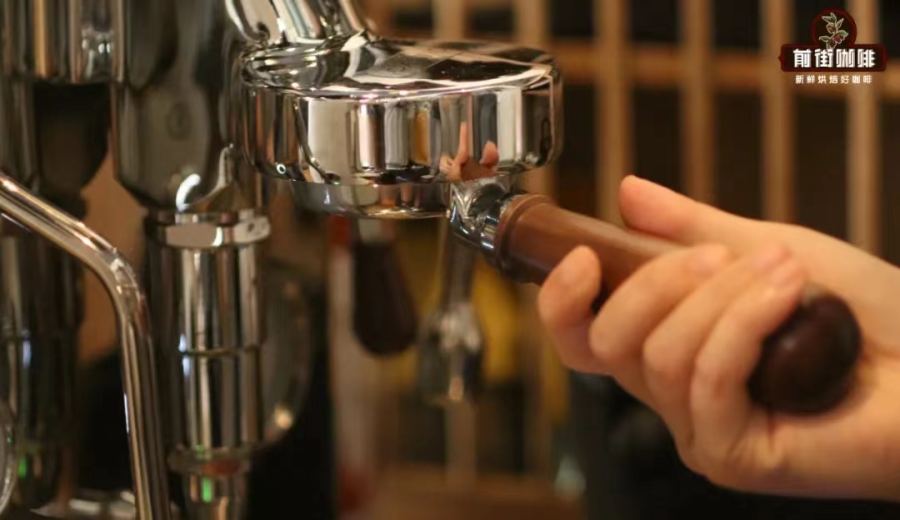
Introduction:Struggling to brew an Americano with your ideal flavor—always ending up either too bitter or too weak? This article delves into the golden ratios for both hot and iced Americanos, exploring everything from coffee-to-water ratios, espresso bases, ice selection, to the flavor profiles of different beans. Learn the key factors in brewing the perfect cup, whether you prefer a bold, lingering finish or a bright, fruity acidity. We’ve also included professional shop-tested data for your reference.
For many coffee enthusiasts, the Americano is the go-to daily pick-me-up. This beverage, made by diluting espresso with hot water, is beloved for its customizable strength. But how much water should you use for a hot Americano? How do you balance ice and liquid in an iced version? While there’s no one-size-fits-all answer, there is scientific reasoning worth considering.
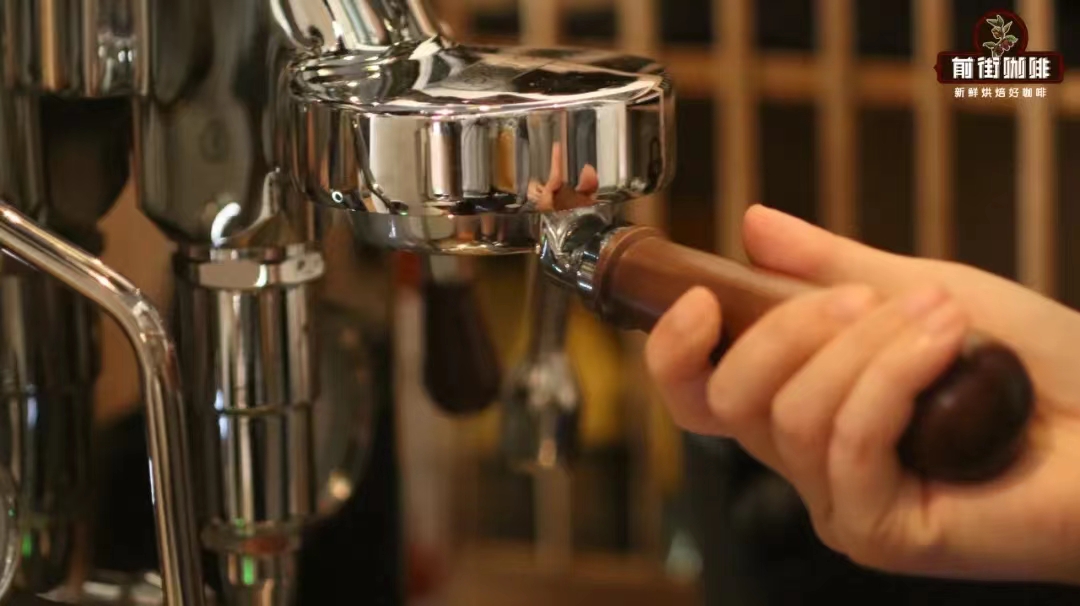
The key to a great hot Americano lies in the coffee-to-water ratio, which directly determines the intensity of the final flavor. Generally speaking,a ratio of 1:5 to 1:8is commonly used, but the ideal proportion can vary depending on the roast level and flavor profile of the beans. For example, dark roast blends with dominant caramel and nutty notes are better brewed at ahigher ratio of 1:7 to 1:8to mellow out the richness of the espresso. In contrast, light roast single-origin beans (SOE), known for their bright acidity and floral-fruity aromas, shine better at astronger ratio around 1:5to highlight their nuanced layers.
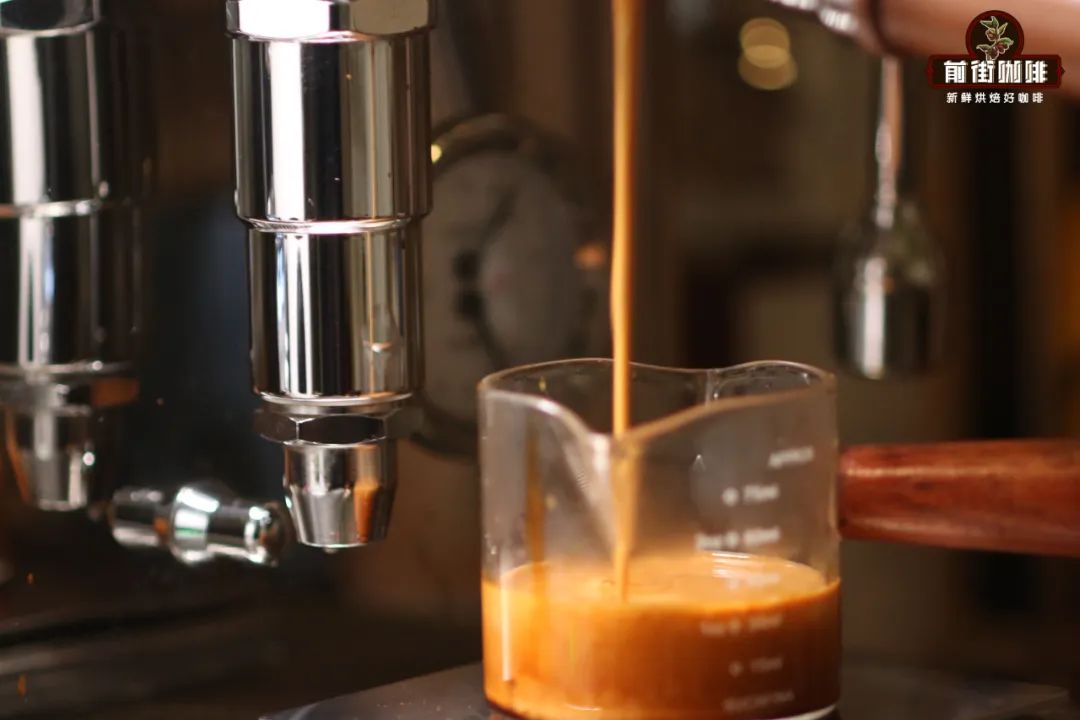
Taking real-world practice as an example, one well-known café using a sunflower-themed blend aged in sherry casks conducts small-batch extraction tests: they pull40 grams of espresso from 20 grams of coffee groundswith an extraction time controlled within the optimal range of27 to 28 seconds. Then, through three rounds of tastings, they compared the differences betweenratios of 1:4, 1:4.5, and 1:5, ultimately finding that1:4.5the 1:5 ratio perfectly balanced the winey, vanilla notes with a chocolatey aftertaste while maintaining a smooth mouthfeel.
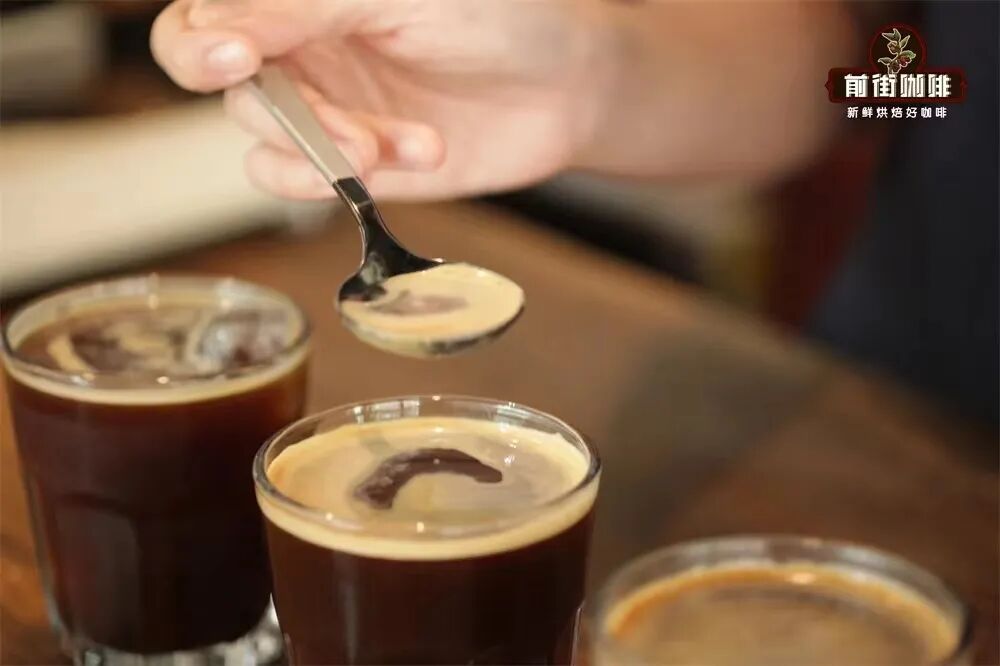
When making an iced Americano, it’s important to account for the impact of melting ice on concentration. The professional approach is to uselarge square ice cubes (about 25 grams each)paired with a specific coffee-to-water-to-ice ratio. Tests show that using40 grams of espresso, 100 grams of ice, and 120 milliliters of cold water(approximating a certain ratio)1:2.5:3can maintain a stable flavor as the ice slowly melts. The advantage of this formula is that it avoids an overly intense initial hit from undiluted espresso, while the gradual melting of ice extends a refreshing drinking experience for tens of minutes—as room-temperature Americanos often lose their intended complexity.

It’s worth noting that different roast levels significantly influence the ideal ratio range. Dark roasts, which tend to have bolder, sometimes smoky flavors, benefit from more diluted ratios. Light roasts, with their delicate citrus and floral notes, require slightly higher coffee concentrations to fully express their subtleties. Additionally, grind size, extraction pressure, and water temperature all affect the final outcome. For beginners, it’s best to keep other variables constant and adjust only the water ratio to observe the differences.
The above content is compiled by CoffeeHunters, a coffee news website.


