








Introduction:Brazilian coffee beans, with their stable yield, affordable price, and rich yet balanced flavor profile, serve as the cornerstone of global espresso blends. This article delves into the characteristics of Brazil’s coffee-growing regions, its classification system, and why it is often used as the base for commercial espresso blends. We also handpicked four specialty blends highlighting nutty and cocoa notes, along with professional-grade espresso extraction parameters to help you master the art of brewing bold flavors at home.
Among the many coffee-producing countries, Brazil stands out as the world’s largest coffee producer, thanks to its favorable geography and highly industrialized cultivation model. The beans grown here generally feature low acidity, a full body, and distinct cocoa and nutty tones, offering a balanced and consistent flavor profile that is highly suitable for espresso production. For this reason, many professional coffee shops use Brazilian beans as the core base when designing blends — a choice that helps control costs while adding rich aroma and a smooth mouthfeel.

When it comes to Brazilian blends known for their prominent nutty and cocoa characteristics, there are several highly acclaimed options on the market. One classic espresso blend cleverly incorporates a moderate amount of Robusta into the traditional Mocha-Java (Mandheling & Java) recipe, significantly enhancing the coffee's crema and body. This makes it easier to produce fine microfoam even with home espresso machines, especially suitable for crafting milk-based drinks like lattes.
If you prefer a daily cup with a mellow and smooth mouthfeel, a commercial blend is a great choice. This formula delivers intense black cocoa and toasted bread aromas. Whether brewed as a straight americano or mixed into a latte, it offers a silky-smooth texture with a long-lasting aftertaste — all at an affordable price, making it ideal for everyday home drinking.
Another specialty blend combines the nutty foundation of Brazilian beans with the chocolatey character of Colombian beans. Through precise blending, the two flavor profiles complement each other, resulting in a multi-layered taste experience of buttery cookies, dark-roast cocoa, and roasted nuts after extraction. This blend is especially suited for consumers who dislike pronounced acidity. Whether used for americano or latte, it provides a mild yet full-bodied flavor.

For beginners just stepping into the world of coffee, the Black Cocoa blend offers excellent cost-performance. These beans merge gentle fruit acidity, pronounced caramel sweetness, and a deep dark chocolate aftertaste. With a smooth mouthfeel and good body, it is affordably priced, making it perfect for households or cafes with budget constraints that still seek quality flavor expression.

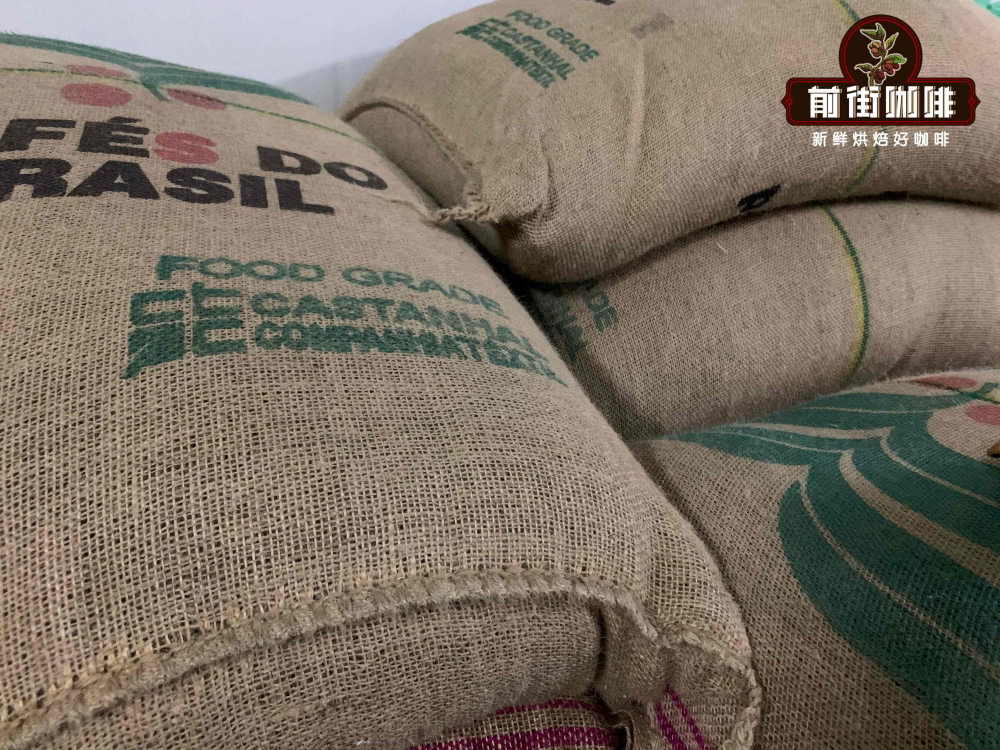
On the packaging sacks of Brazilian coffee, you’ll often see a series of English letters and numbers such as ‘CERRADO NY-2 SC-17/18 SS FC’. This is actually Brazil’s official green coffee grading standard. Established by Brazil’s Ministry of Agriculture, Livestock and Supply (MAPA), this system comprehensively evaluates factors such as growing region, defect rate, bean size, cupping score, and sensory attributes to ensure batch-to-batch consistency. Brazil is divided into 26 states, 17 of which are major coffee-producing areas. Some are further categorized into renowned sub-regions such as Mogiana (MOGIANA), Sul de Minas (South Minas), and Cerrado, based on specialty market demand. These details are typically marked on the sacks, helping trace the origin of the flavors.
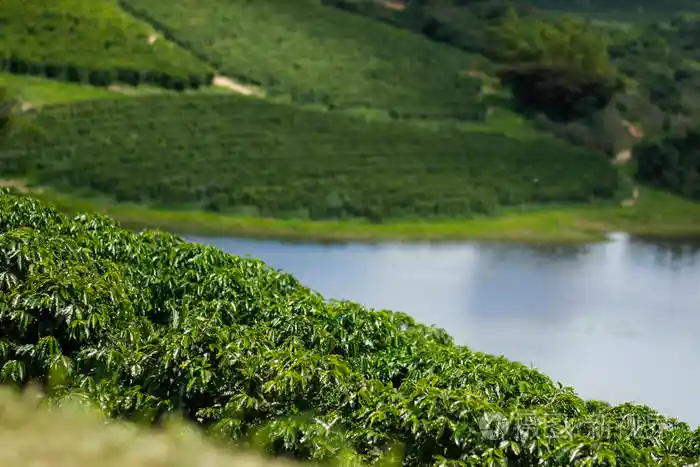
Brazil’s coffee-growing regions are primarily located in the gently rolling highlands of the central-southern part of the country, at altitudes of around 1,000 meters. The vast farming areas and highly mechanized production methods make Brazil the only country capable of large-scale coffee production globally. However, while mechanization boosts efficiency, it also sacrifices some of the delicate processing required for specialty coffee. Notably, certain high-altitude regions between 1,000–1,400 meters with steep slopes rely on manual harvesting due to terrain limitations, helping preserve higher-quality beans.
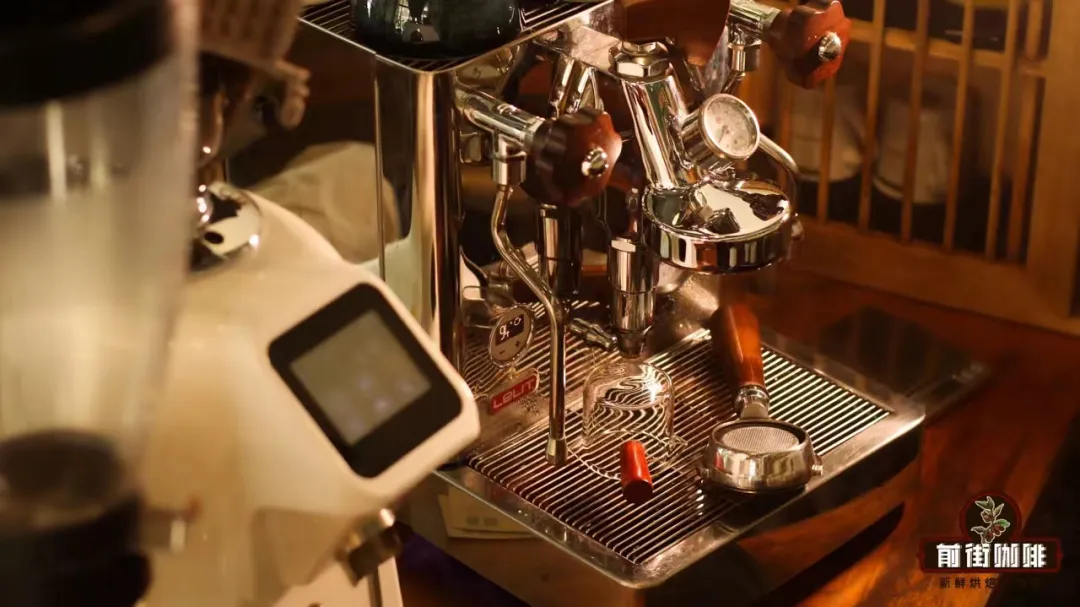
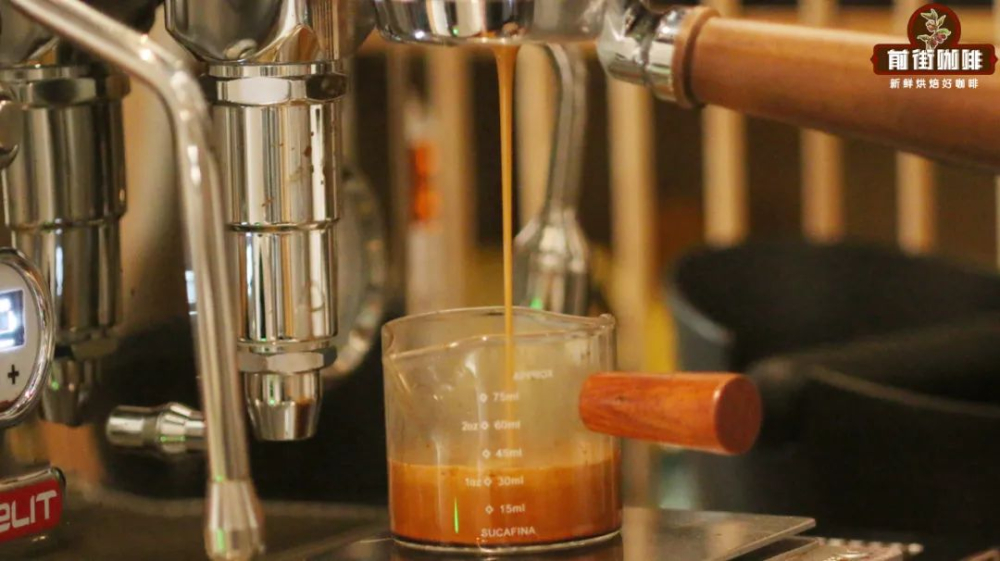
Taking the common home or cafe espresso extraction as an example, an optimal set of parameters can fully bring out the potential of Brazilian blends. It is recommended to use a double basket, dosing 20 grams of coffee grounds, aiming to extract 40 grams of espresso, maintaining a 1:2 brew ratio. The ideal extraction time falls between 26 to 32 seconds, effectively avoiding over-extraction bitterness or under-extraction thinness. Grind size can be referenced as Galileo 2.0, with adjustments made according to actual flow rate.
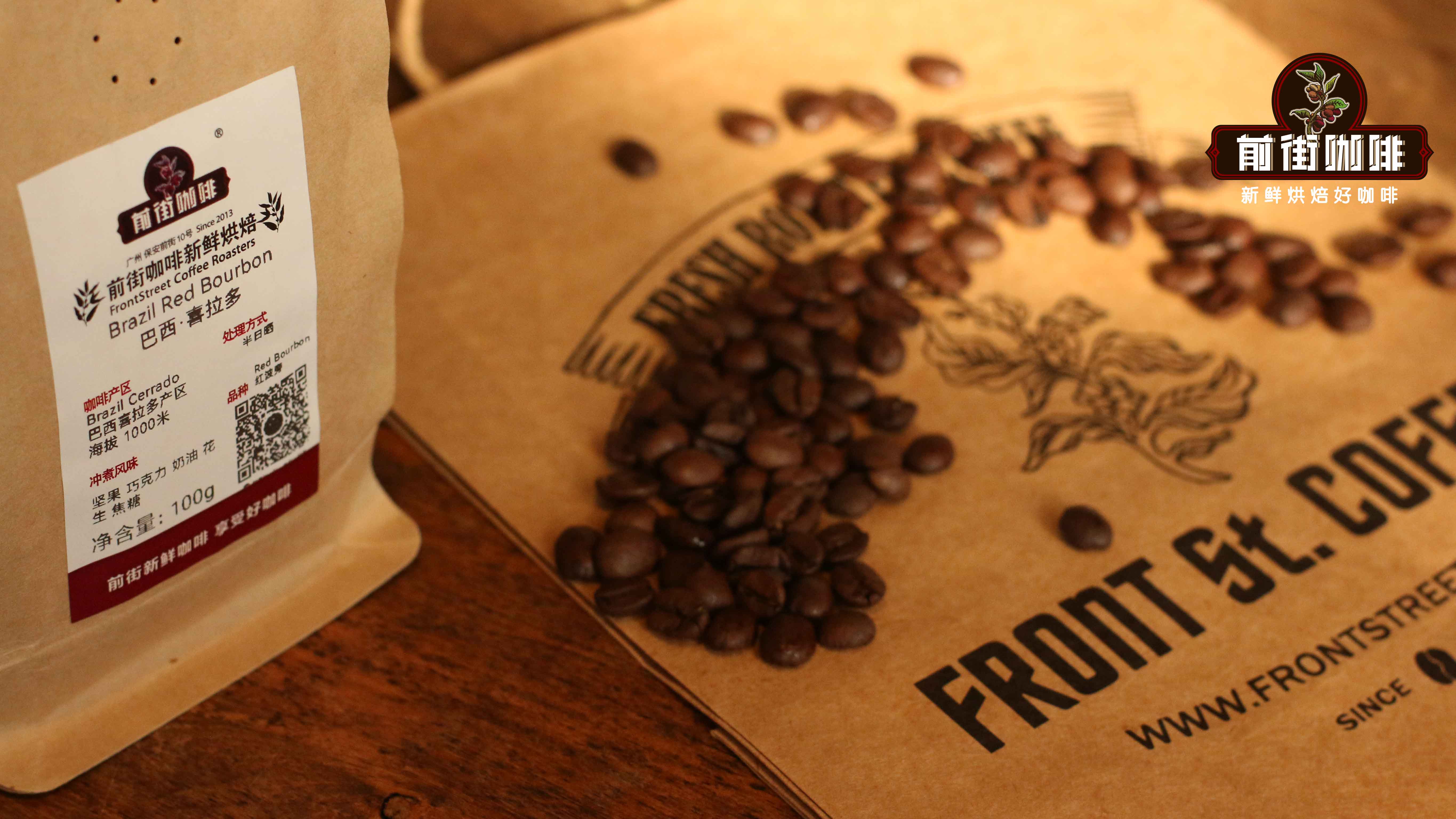
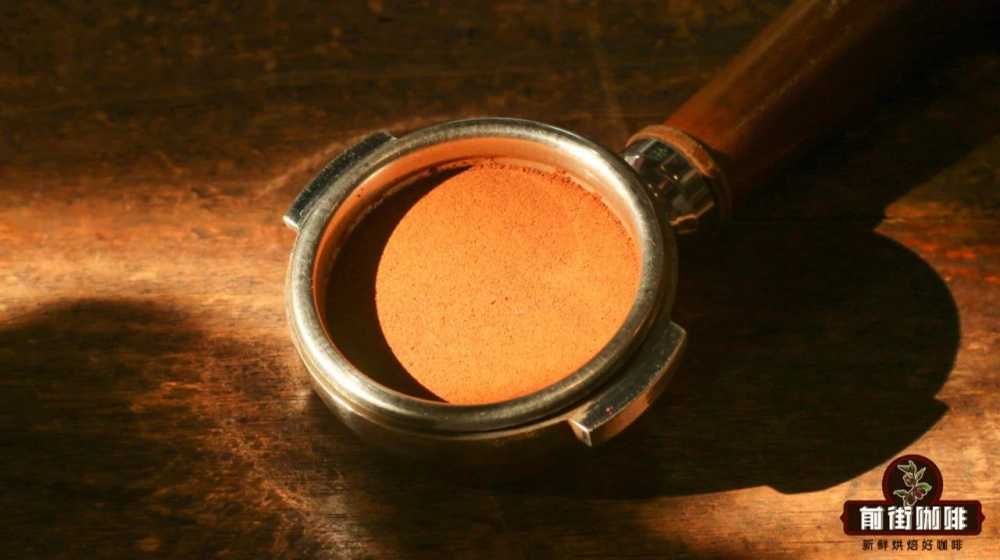
During actual operation, ensure the portafilter basket is thoroughly dried to prevent any residual coffee grounds from interfering. Weigh the ground coffee accurately to 20 grams, then evenly distribute it using a distribution tool, followed by tamping vertically with a tamper to ensure consistent puck density, which stabilizes the flow rate. Begin with a pre-infusion phase of 1–2 seconds to wet the group head and remove any leftover coffee residue. Start the extraction with the scale reset to zero, placed under the cup to collect the espresso. Monitor the flow rate and weight; stop the extraction when you reach 40 grams at around 30 seconds. Finally, you can mix the espresso with hot water at a 1:5 ratio to prepare a balanced and layered Americano, achieving both richness and refreshment.
The above content is compiled by CoffeeHunters, a coffee news website.


