








Introduction:Want to brew a pour over coffee with a full body, rich and mellow flavor, and no sourness? The key lies not only in the choice of coffee beans, but also in brewing parameters and techniques. This article takes an in-depth look at the factors that affect the richness of coffee, including the coffee-to-water ratio, brew time, filter choice, and pouring method. It also recommends several single-origin coffee beans that are suitable for pour over, have a rich and balanced flavor profile, and will help you master pour over techniques from beginner to advanced level.
When we talk about a good cup of coffee, we often describe its flavor as “rich” or “sweet,” but what exactly does “richness” mean? And how is it different from “intensity”? This involves the overall expression of the coffee's concentration, texture, and flavor.
Generally speaking, coffee beans on the market can be divided into three main roast levels: light roast, medium roast, and dark roast. If you want to brew a rich and full-bodied cup, medium-dark to dark roast beans are often the best choice. As the roast level deepens, more substances within the coffee beans undergo caramelization, leading to flavors that lean towards chocolate, toasted bread, cocoa, nuts, butter, and even maple syrup—notes that are bold and substantial. These flavors are not only diverse, but they also enhance the weight and aftertaste of the coffee in your mouth.
Next, we’ll discuss how to fully bring out the flavors of these dark roast beans through brewing, especially how to achieve a coffee with a noticeable body, no sourness, and a sweet aftertaste. First, let’s understand what “body” means.
Body, often translated in Chinese as “醇厚度” or “口感體感,” refers to the “weight” and “fullness” of the coffee liquid in the mouth. This sensation is closely related to the coffee’s concentration—the higher the concentration, the thicker the texture in the mouth; the lower, the thinner it feels. Dark roast coffees generally have a relatively loose structure, making it easier to showcase a full body. But if you find that your brewed dark roast coffee always tastes thin, it may be time to check whether your brewing parameters are properly set.
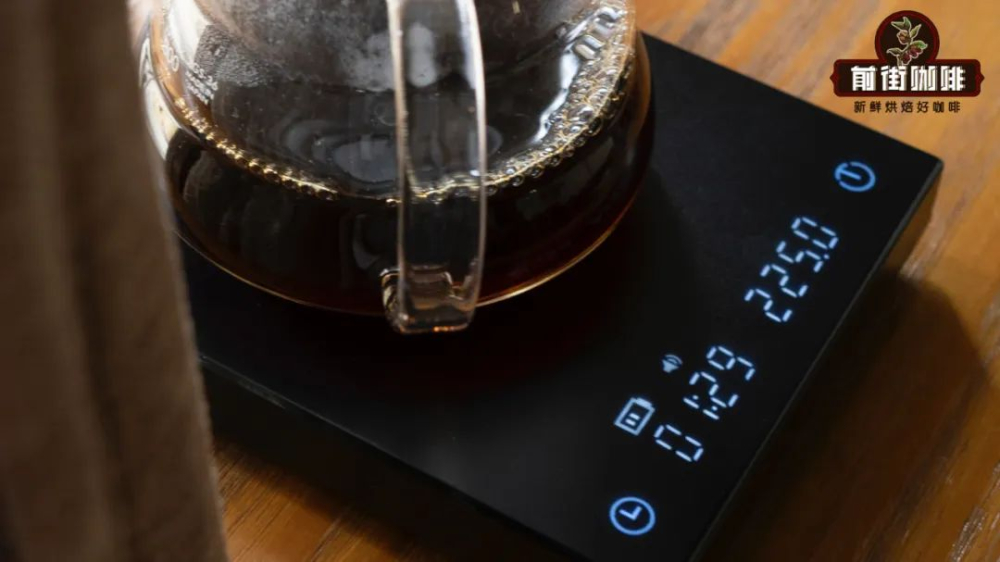
First is the coffee-to-water ratio, one of the key factors affecting concentration and extraction efficiency. For dark roast beans, it is recommended to set the ratio between 1:14 and 1:15. Using more than 1:15 water will overly dilute the coffee, resulting in a thinner taste. Most professional pour over brewers use 1:15 as a baseline when brewing dark roast to ensure appropriate concentration and body.If you prefer a richer taste, you can also try a ratio between 1:13 and 1:14.
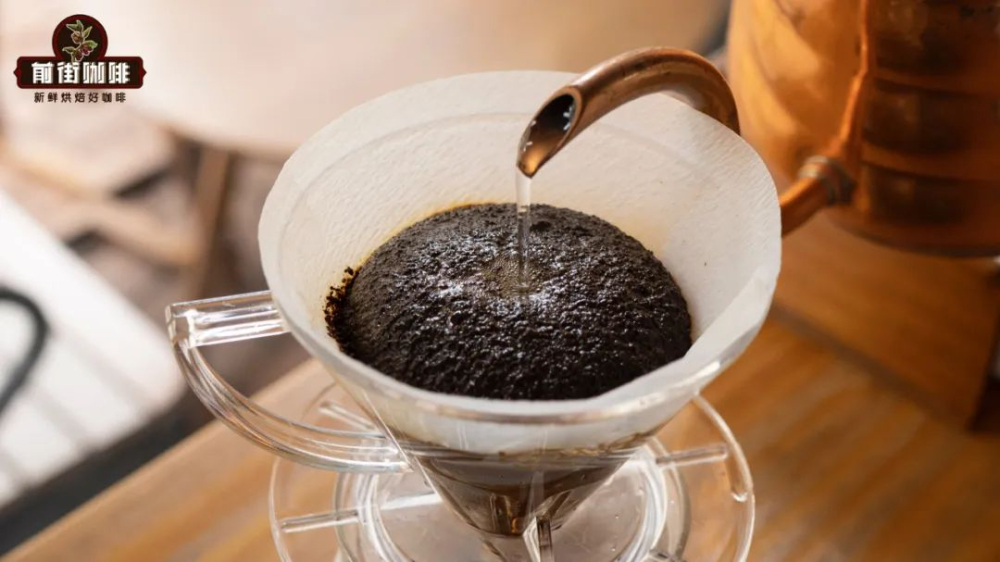
If adjusting the ratio still leaves the coffee feeling underwhelming, it might be an issue of under-extraction. In this case, you should observe the brew time. Typically, when using more than 15 grams of coffee, a brew time of around 1 minute and 30 seconds often indicates that the grind is too coarse and the water flows through too quickly, preventing full extraction of flavor compounds. At this point, you canadjust to a finer grind and extend the brew time to between 2:00 and 2:30to allow the coffee grounds more time to release their flavors and develop a fuller body.
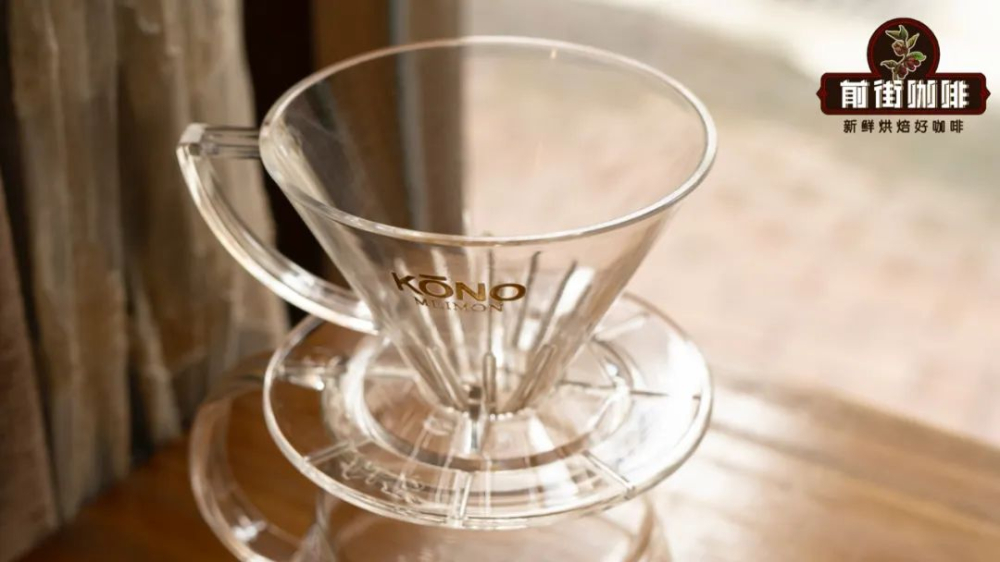
Another key factor affecting extraction efficiency is the choice of filter. Many pour over enthusiasts prefer using the V60, but if you’re brewing dark roast beans, the KONO filter is actually more recommended. Why? The V60’s spiral rib design allows for faster water flow, which is better suited for medium-light roasts aiming for a layered flavor profile; but dark roast beans naturally release compounds more easily, and if the flow rate is too fast, it can lead to under-extraction.
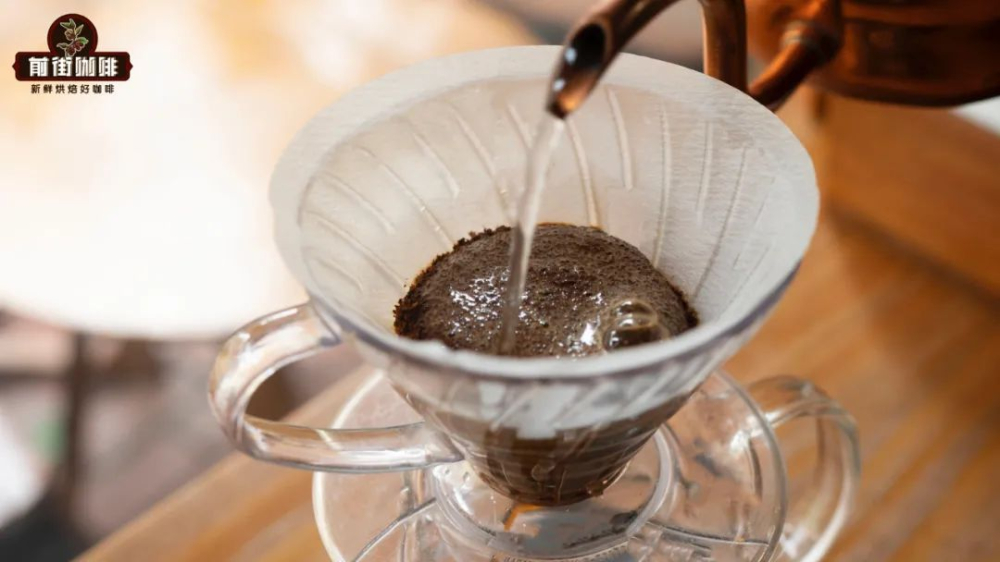
The KONO filter features ribs that are mainly concentrated on the lower half. This design effectively slows down the water flow, extending the contact time between coffee grounds and water, thereby improving extraction efficiency and enhancing body. So, if you want to brew a dark roast coffee that is thick, full-bodied, and has a balanced flavor, give the KONO filter a try.
Finally, don’t overlook the impact of your pouring technique on extraction uniformity. Many people have the habit of pouring water in quick strokes along the wall of the brewer, but this causes the water to flow directly down the sides, failing to adequately extract the coffee grounds while also diluting the overall concentration and flavor of the brew. It’s recommended to primarily pour in a circular motion centered over the grounds,reducing direct impact of the water stream on the brewer wallsto ensure every drop of coffee carries a full body and complete flavor.

In summary, to brew a pour over coffee that is rich, non-acidic, and has a delightful sweet aftertaste, besides selecting dark roast beans with a balanced flavor, you also need to master key parameters such as the coffee-to-water ratio, brew time, filter selection, and pouring technique. With gradual adjustments, you can easily achieve a professional-level full body and rich complexity in your cup.



The above content is compiled by CoffeeHunters, a coffee news website.


