







Category: Information
From Ethiopian Florals & Fruits to Brazilian Sweetness: A Global Arabica Growing Region Flavor Guide & Pour Over Recommendations
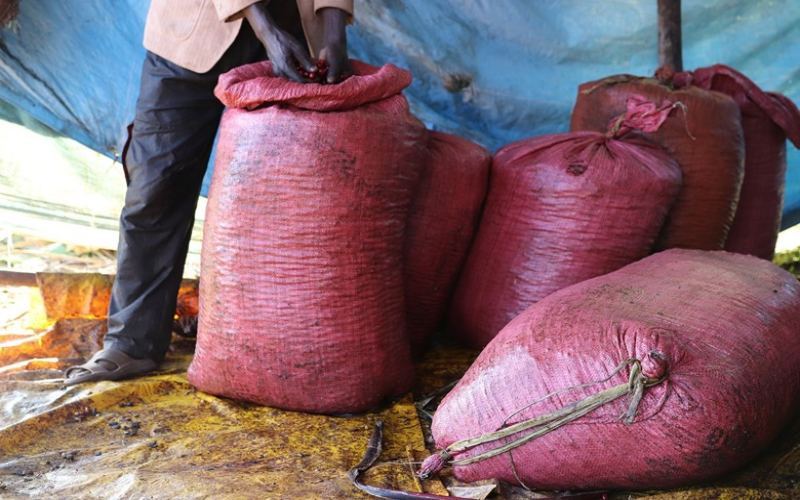
The flavor charm of Arabica coffee lies in the unique terroir and microclimates of different growing regions. This article takes you deep into the floral and fruity notes of Ethiopia, the sweet balance of Central and South America, as well as the characteristics of classic regions like Blue Mountain, and includes pour over reference suggestions to help you choose the right coffee beans based on your taste preferences and embark on your own flavor exploration journey. [more…]

Traditional Coffee Variety at the Foot of Barú Volcano: Finca Santa Teresa Scores 92.38 and Wins 3rd Place in BOP
With a traditional coffee variety, Finca Santa Teresa achieved a remarkable score of 92.38 and claimed 3rd place in the Traditional Varieties category of the 2026 Best of Panama (BOP), showcasing Panama’s deep potential beyond Geisha. How does this historic estate at the foot of Barú Volcano cultivate high-quality coffee through its unique geography, meticulous management, and sustainable practices? This article takes you behind the scenes of its award-winning story and flavor profile. [more…]
Panama Finca Altieri: How Family Management Crafts High-Altitude Pour Over Specialty Beans?
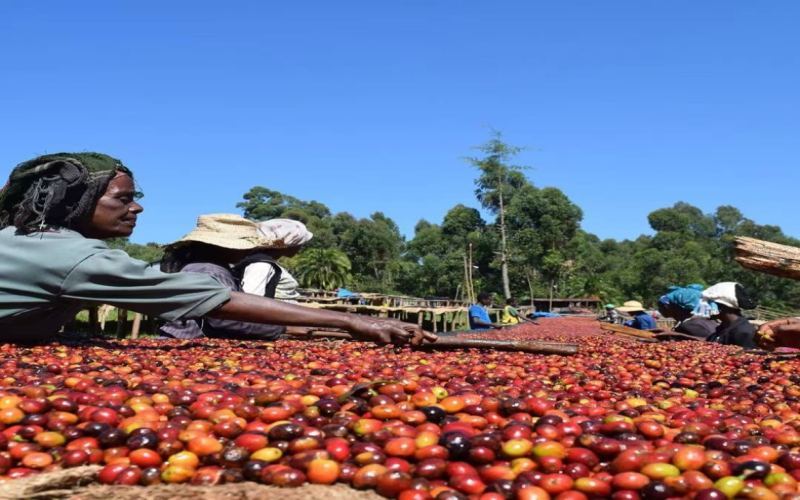
With traditional varieties, Finca Altieri claimed victory at the 2026 BOP competition with a high score of 93.63, backed by the family’s fifty years of dedication and innovative processing methods. This article takes you through how this long-established Panamanian estate transformed from an ice factory into a benchmark for specialty coffee, analyzing the terroir characteristics of its high-altitude plots, the Geisha lineage background, and its multi-variety strategy that goes beyond just Geisha—offering selection and tasting references for enthusiasts seeking premium pour over beans. [more…]
2026 BOP Washed Geisha Runner-Up Sheepskin Manor: 96-Point Specialty Bean Flavor & Brewing Guide
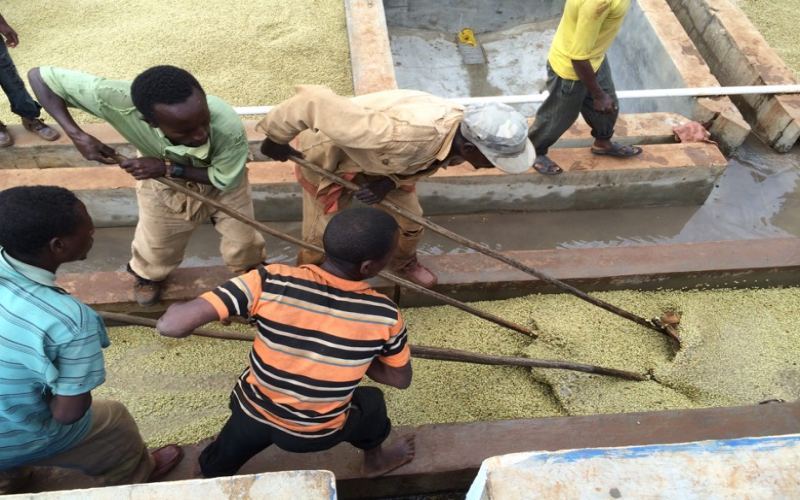
In the 2026 BOP Washed Geisha category, Sheepskin Manor secured second place with an impressive 96.00 points, just 0.25 points behind the champion Elida Estate. This small-scale farm, nestled in Panama’s high-altitude mountains at elevations between 1,800 and 2,000 meters, achieves astonishing Geisha flavors through traditional washed processing and exceptional terroir conditions. This article delves into the backstory of this runner-up Geisha, its processing highlights, and recommended pour-over parameters to help coffee enthusiasts better understand this... [more…]
Panama Cantarra Estate: How the Garrido Sisters Won 3rd Place in the BOP with Traditional Varieties?
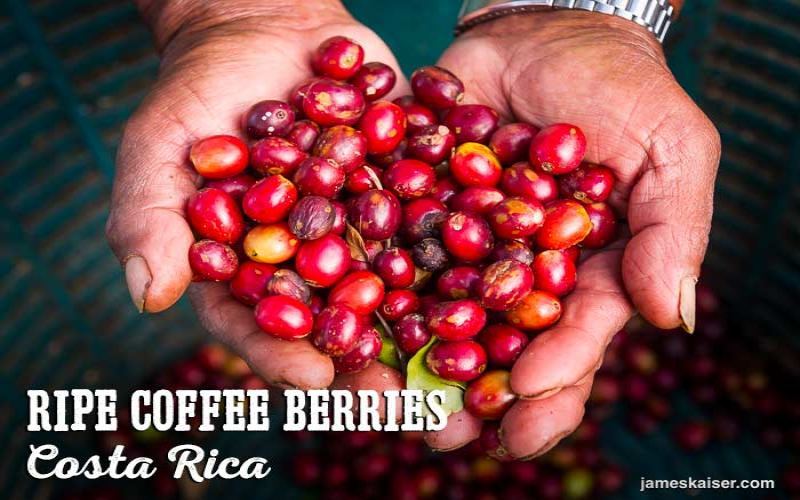
At the 2025 Best of Panama (BOP) in the Traditional Varieties category, Cantarra Estate scored 92.25 points to take home 3rd place, only behind Emerald and Dark Moon Estates. How has this coffee farm, nurtured by three generations of the Garrido family, carved out its own success in a market dominated by Geisha, relying on traditional varieties? This article takes you behind the scenes to uncover the high-altitude farm’s cultivation secrets, unique microclimate, and the flavor profile that wowed the judges. [more…]
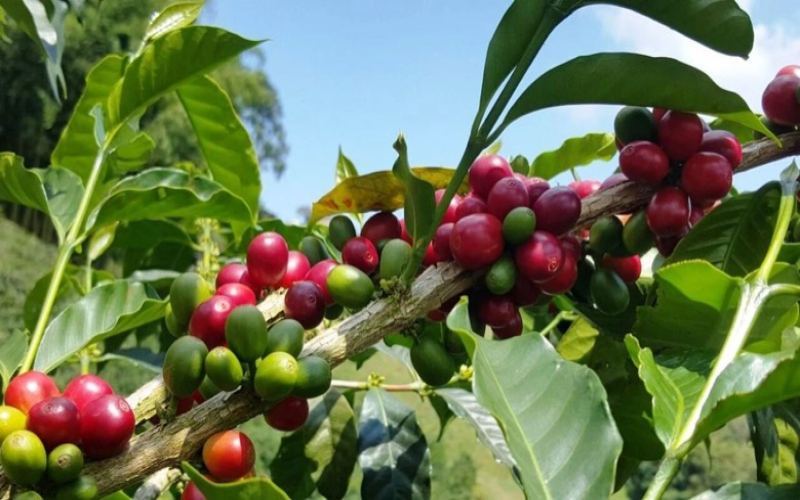
A Beginner’s Guide to Panama’s Traditional Coffee Varieties: How Dark Moon Estate Scored 92.63 to Take Second Place
At the 2025 Best of Panama competition, Dark Moon Estate secured second place with traditional varieties, achieving an impressive score of 92.63, showcasing the flavor potential of Panamanian coffees beyond Geisha. This article takes you behind the scenes at this estate located in the Alto Quiel highlands, exploring how regenerative farming and meticulous management have brought varieties like Chiroso and Pink Bourbon to shine, while also analyzing the key flavor profiles and processing details of their award-winning coffee. [more…]
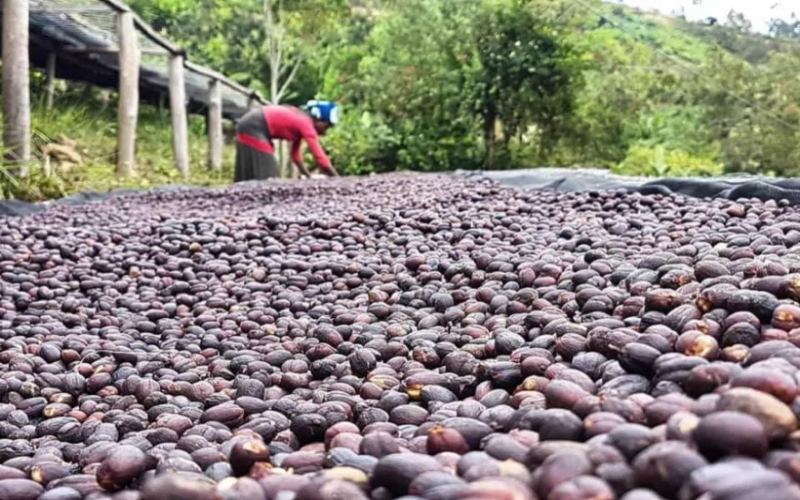
Panamanian Finca Los Cenizos Scorching Estate Natural Geisha: Flavor Profile of High-Scoring Coffee Beans Nurtured by Volcanic Soil
Hailing from the Tierras Altas region in Chiriquí Province, Panama, Finca Los Cenizos (Scorching Estate) took home the runners-up title in the 2025 Best of Panama competition with its Natural Geisha, scoring an impressive 96.25 points. Grown in fertile soil rich in volcanic ash, and cultivated at high altitude with a unique processing method, these beans deliver a layered and complex flavor profile. This article takes you deep into the intricacies of this exceptional coffee. [more…]
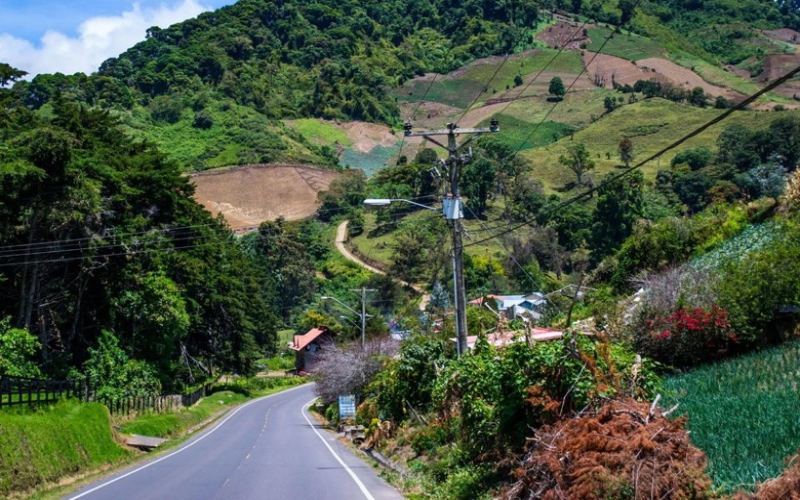
Nugo Estate produces Geisha on just 5 hectares of land - Brewing secrets & tips for the top 3 washed Geisha lots
Panama’s Nugo Estate spans just 5 hectares, yet it secured third place in the 2025 Best of Panama Washed Geisha category. Nestled at altitudes between 1700–1950 meters amid misty surroundings, and thanks to generations of dedication by the Gallardo family, the estate has developed a truly distinctive flavor profile. This article takes you behind the scenes of how this small-scale farm consistently produces high-quality Geisha, and shares brewing parameters and flavor characteristics to help you choose the right specialty coffee beans. [more…]
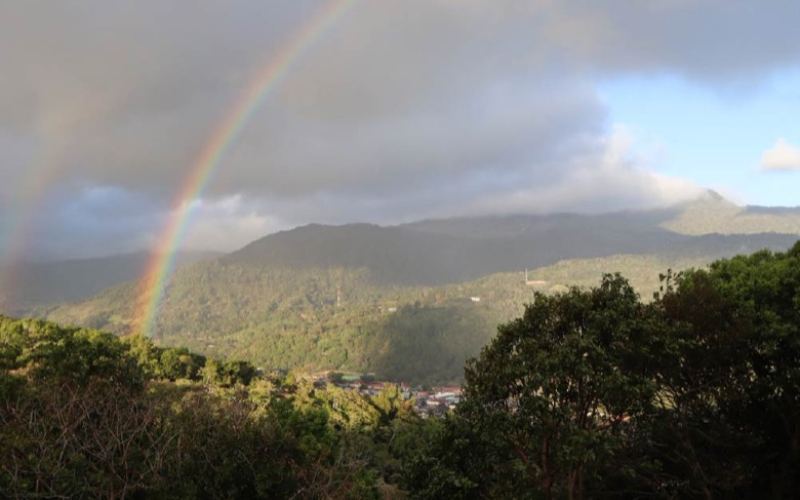
How to choose high-altitude Panamanian Geisha beans? Sophia Estate 2025’s double-listing tested
In the 2025 Best of Panama competition, Sophia Estate—established just over a decade ago—secured top rankings with both its washed and natural Geisha lots, setting an example as a rising star. This article delves into how this experimental farm, located at a high altitude of 2,130 meters, cultivates premium Geisha beans with delicate flavors through rigorous varietal experimentation and processing adjustments, and offers practical advice on selection and brewing. [more…]
Panamanian Geisha Natural Champion Beans!The Century-old Terroir Secrets of La Lida Estate Revealed
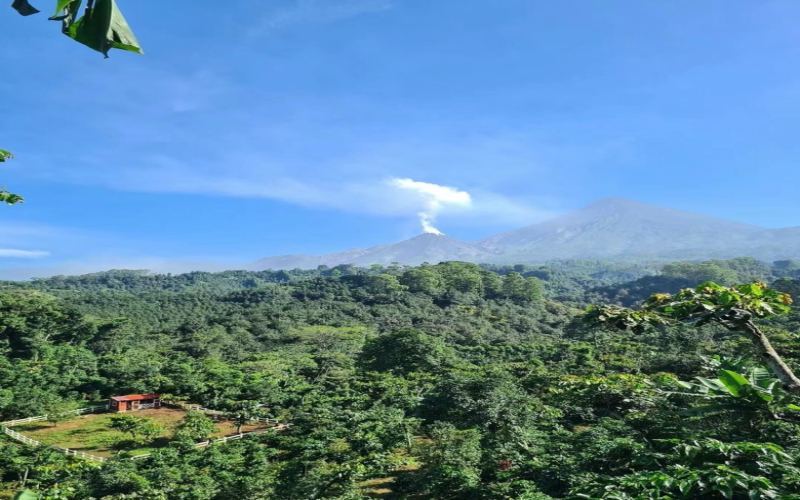
The 2026 Best of Panama Natural Geisha competition saw a batch from the century-old Boquete estate, La Lida Estate, take the championship with an astonishingly high score!Founded by a Norwegian engineer and family-run for a hundred years, this estate stands out among numerous competitors thanks to its profound heritage and innovative processing methods. This article takes you deep into the history and unique terroir of La Lida, as well as the story behind these champion beans, offering inspiration for pour over coffee lovers in bean selection and tasting. [more…]
Panamanian Elida Geisha Bean Review: Washed 96.25 Score — High-Altitude Cultivation Practical Analysis
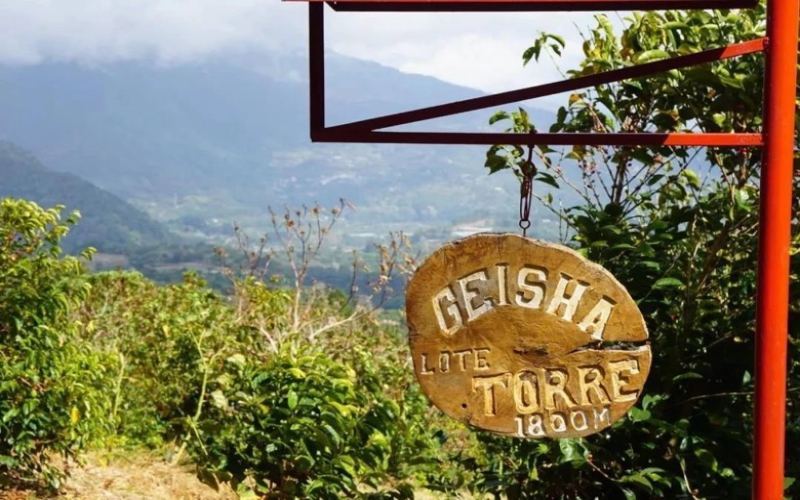
The Elida Estate has once again claimed the highest score in the Best of Panama with its washed Geisha, the result of four generations of the Lamas family’s dedication to cultivating high-altitude microclimates. This article provides an in-depth analysis of how the environment at elevations of 1700–2000 meters influences the flavor of Geisha, covering the harvest ripening period, the location of the processing facility, and performance in the auction market—offering practical insights for selecting premium Panamanian beans. [more…]
The Emerald Estate Geisha Legend: From Panamanian Champion to a Guide on Selecting Premium Coffee Beans
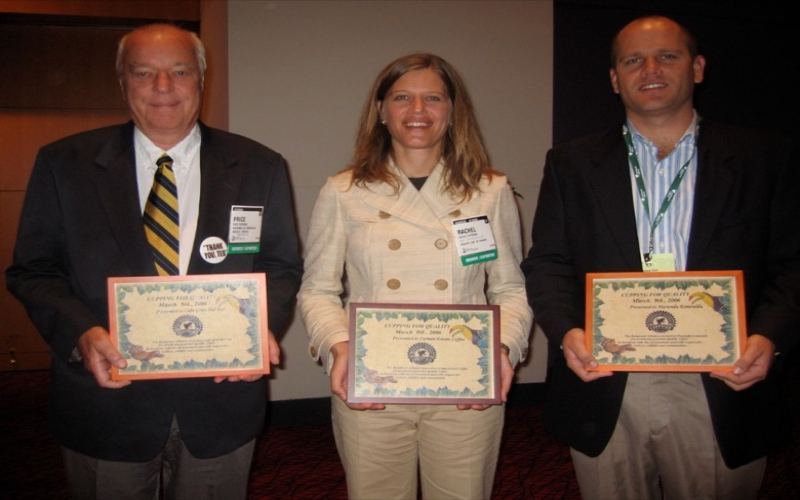
How did the Emerald Estate transform from an ordinary ranch into a sacred ground of specialty coffee? Winning the BOP Triple Crown in 2025 and taking home the overall Panamanian Cup Championship in 2026, how have its 98-point washed Geisha and 97-point natural batches rewritten the history of specialty coffee? This article delves into the estate’s development history, the cultivation secrets of its legendary plots, and includes purchasing recommendations for Red Label / Green Label / Blue Label, guiding you to uncover the flavor codes above 1600 meters in altitude. [more…]
Rwanda Bourbon Coffee Flavor Profile | Pour Over Parameters & Planting Secrets in the Thousand Hills
Want to understand how Rwanda coffee stands out with its soft sweetness? This in-depth analysis explores the Bourbon growing environment in the “Land of a Thousand Hills,” the unique features of its washed processing, and brewing recommendations ideal for pour over. From altitude conditions to flavor profiles, it helps you discover your own balanced, sweet, and smooth cup — a must-read for both beginners and advanced enthusiasts. [more…]
Kenya K72 Double Washed Process: Decoding Bright Acidity & Brewing Secrets
Kenyan coffee is renowned for its distinctive bright fruity acidity and rich layered flavors, and the key craftsmanship behind it is the unique local K72 double washed process. This article delves into this 72-hour fermentation procedure, from the operational details of fermentation tanks to the principles of flavor formation, and provides practical pour over parameter suggestions to help you better understand the soul of Kenyan beans and achieve ideal extraction at home. [more…]
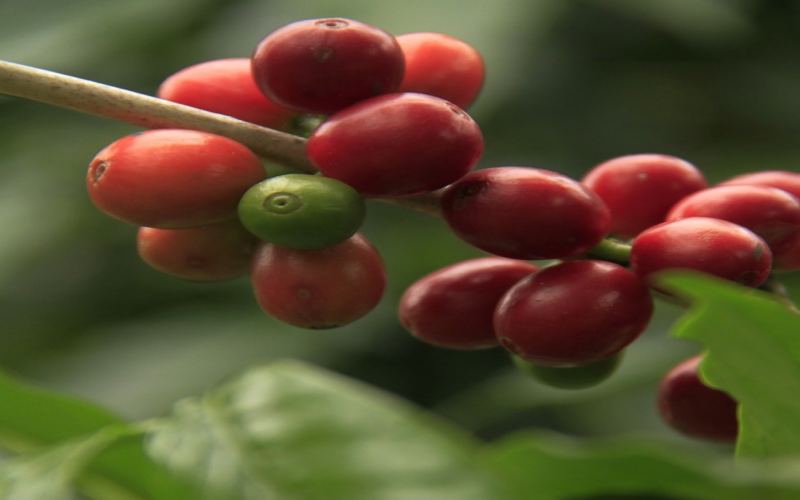
The Century-Long Ravage of Coffee Leaf Rust: How It Influences Variety Evolution and Flavor Choices?
Coffee leaf rust is not only one of the most devastating diseases in coffee cultivation history, but it has also profoundly impacted the evolution of global coffee varieties and the distribution of coffee-growing regions. From its destruction of Ceylon’s coffee industry in the 19th century to its continued looming threat over coffee farmers today, this ongoing battle with rust has given rise to many disease-resistant varieties familiar to us now — yet it has also made the eternal trade-off between flavor and yield an enduring challenge. This article will take you through the origins, impacts, and coping strategies of leaf rust, as well as how it has quietly transformed the coffee in your hand. [more…]
SL28 and SL34 Coffee Varieties Explained: The Secrets Behind Kenyan Flavor and Pour Over Recommendations
Want to understand where the unique berry acidity and rich aftertaste of Kenyan coffee come from? The two classic varieties, SL28 and SL34, are not only the soul of Kenyan coffee flavors but also the benchmarks sought after by specialty coffee enthusiasts around the world. This article delves into their origins, flavor profiles, growing environments, and how to bring out their most captivating characteristics through appropriate processing, roasting, and extraction. [more…]
A Complete Guide to the Bourbon Family’s Three-Colored Beans: Flavor Differences and Brewing Tips for Red, Yellow, and Pink Bourbon
As a classic variety of Arabica coffee, the three color variants of Bourbon—red, yellow, and pink—not only boast captivating appearances but also endow the coffee with unique flavor profiles. This article delves into the origins, regional distribution, and cupping characteristics of these three major Bourbon branches, and includes practical purchasing and pour over brewing references to help you choose the most suitable Bourbon coffee beans based on your taste preferences. [more…]
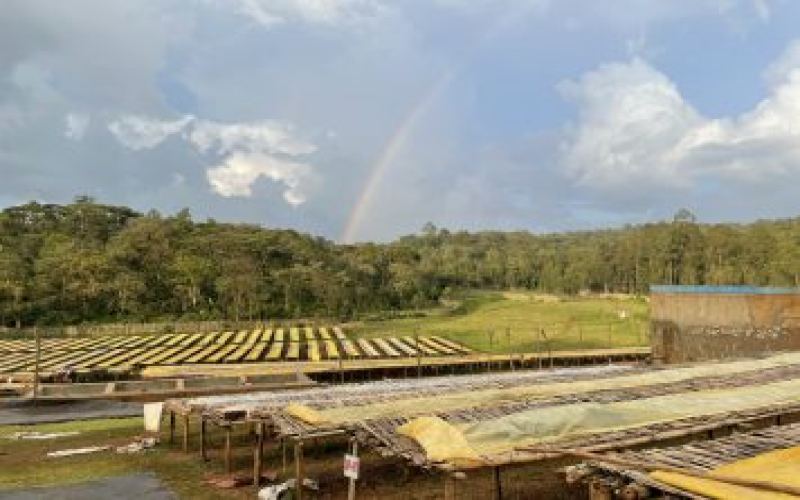
Coffee Belt Unveiled: Why Are Specialty Coffee Beans Abundant Near the Equator? A Must-Know for Pour Over Enthusiasts
The world’s top-tier coffee beans are predominantly concentrated in specific regions near the equator. What flavor secrets lie within this belt known as the “coffee belt”? By understanding how latitude, altitude, and climate influence the growth of coffee trees, you can unlock the keys to the diverse fruit acidity, floral notes, and body found across different producing regions. This article takes you through the geographical conditions to explore the characteristics of the three major coffee regions—Africa, Central and South America, and Asia—while also analyzing how fringe regions like Yunnan have overcome limitations to grow beans with unique flavor profiles. [more…]
Yemen Mocha Coffee: A Comprehensive Analysis of the Origins of Global Coffee Trade and Flavor Evolution
Did you know? The popular "Mocha" coffee we enjoy today actually originated from Yemen’s Mocha Port centuries ago — the very first stop where Arabica coffee made its way to the world. This article will take you on an in-depth journey to explore how Yemen Mocha evolved from a trading hub along the Red Sea into an integral part of today's coffee culture. We’ll also break down its unique flavors, historical significance, and connection to modern brewing methods. [more…]
Coffee Bean Altitude Guide: Does Higher Altitude Always Mean Better Taste? Unraveling the Truth Behind Flavor and Elevation
Many people believe that the higher the altitude at which coffee beans are grown, the better their flavor. But in reality, the relationship is more complex than it seems. This article will delve into how altitude influences the flavor characteristics of coffee, helping you understand why certain high-altitude regions can produce beans with bright acidity and rich complexity, while also explaining the unique charm of low-altitude beans. From real-world regional examples to purchasing advice, we’ll help you choose the coffee beans that best suit your taste based on altitude and other factors. [more…]