Introduction:The world’s top-tier coffee beans are mostly concentrated in specific regions near the equator. What flavor secrets lie within this so-called “coffee belt”? By understanding how latitude, altitude, and climate influence the growth of coffee trees, we can unlock the keys to the fruity acidity, floral notes, and body that define beans from different origins. This article takes you through a geographical lens to explore the characteristics of the three major coffee regions—Africa, Central and South America, and Asia—while also analyzing how fringe origins like Yunnan have overcome limitations to grow beans with unique flavor profiles.
Looking at a map of the world’s major coffee-producing regions, one clear pattern emerges: the vast majority of high-quality coffee is grown within a narrow band on either side of the equator. This invisible “coffee belt” serves as an essential foundation for understanding coffee origins and their flavor profiles.
The so-called coffee belt is roughly located between the Tropic of Cancer and the Tropic of Capricorn, spanning from 25 degrees north latitude to 30 degrees south latitude, and covering three continents: Africa, Central and South America, and Asia. Countries such as Ethiopia, Kenya, Panama, Colombia, Brazil, Indonesia, and even Yunnan in China are situated within this zonal area. The reason coffee trees thrive here lies in the perfect synergy of unique temperature, rainfall patterns, and sunlight conditions found in these regions.
Climate factors are critically important to coffee trees. This crop prefers warm but not scorching environments, with an ideal annual average temperature maintained between 17 and 25 degrees Celsius. It also requires distinct wet and dry seasons to align with its flowering and fruiting biological cycles. The low-latitude and equatorial areas within the coffee belt conveniently provide such conditions; meanwhile, subtle differences in temperature and rainfall among various regions further contribute to the unique flavor characteristics of coffee from each origin.
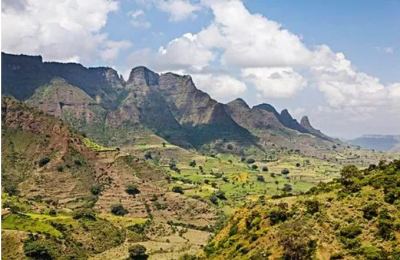
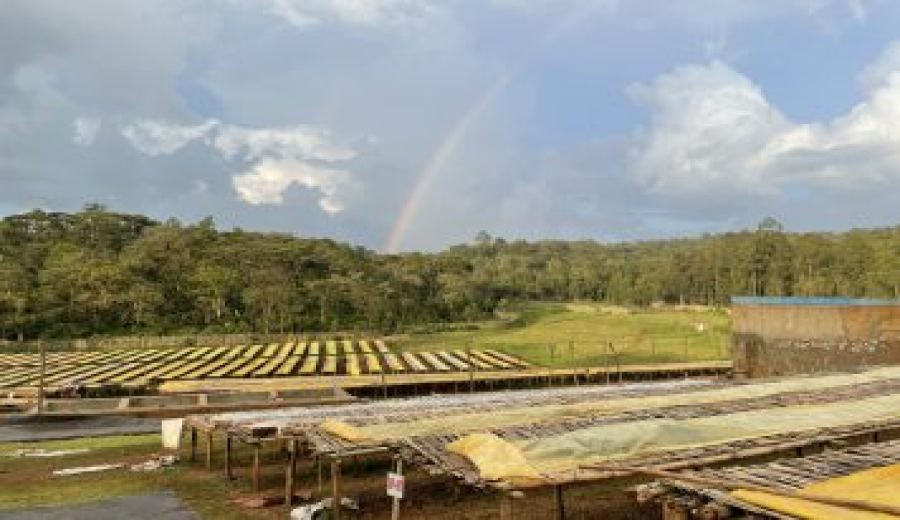
It’s worth noting that even at the same latitude, altitude often becomes the dividing line that determines the complexity of a coffee’s flavor profile. Generally speaking, the higher the altitude, the slower the growth rate of coffee trees, allowing them to accumulate richer flavor compounds, resulting in more pronounced fruity acidity and floral notes. For example, native varieties from Ethiopia’s high-altitude regions often exhibit bright citrus and jasmine-like characteristics; meanwhile, Panama’s Boquete region, with its year-round cloud cover and significant day-night temperature variations, fosters the renowned floral traits of the Geisha variety. Many well-known lots, such as Yirgacheffe Gedeo and Ethiopia Huika, owe their vibrant fruitiness to the advantages of high-altitude cultivation.
When divided by continent, Africa, Central and South America, and Asia each present distinctly different flavor profiles. As the birthplace of Arabica coffee, Africa is known for its generally bright and bold flavors, with beans from Ethiopia and Kenya being classic representatives featuring prominent fruity acidity and vibrant floral aromas. Central and South American origins excel in clean taste and balanced layers—for instance, Panama’s Geisha and Brazil’s nutty, cocoa-like profiles are iconic hallmarks of the region. As for Asian origins, most exhibit rich and full-bodied characteristics; for example, Indonesia’s Mandheling often carries deep herbal and dark chocolate notes, with PWN Indonesia’s Golden Mandheling being a prime example. Additionally, Jamaica Blue Mountain No. 1, produced on the Caribbean island though outside the traditional Asian origin scope, is celebrated for its balanced acidity, sweetness, bitterness, and aroma, along with a smooth and rounded mouthfeel.
Of course, coffee is not entirely impossible to grow outside the coffee belt. Take Yunnan in China, for example. Although geographically located between 21 and 29 degrees north latitude—slightly off the core area of the traditional coffee belt—it has successfully cultivated beans with distinctive local characteristics thanks to its high-altitude terrain and abundant sunlight. For instance, Yunnan’s 2013 Natural Typica features an interplay of citrus and caramel aromas, showcasing strong regional terroir imprint.
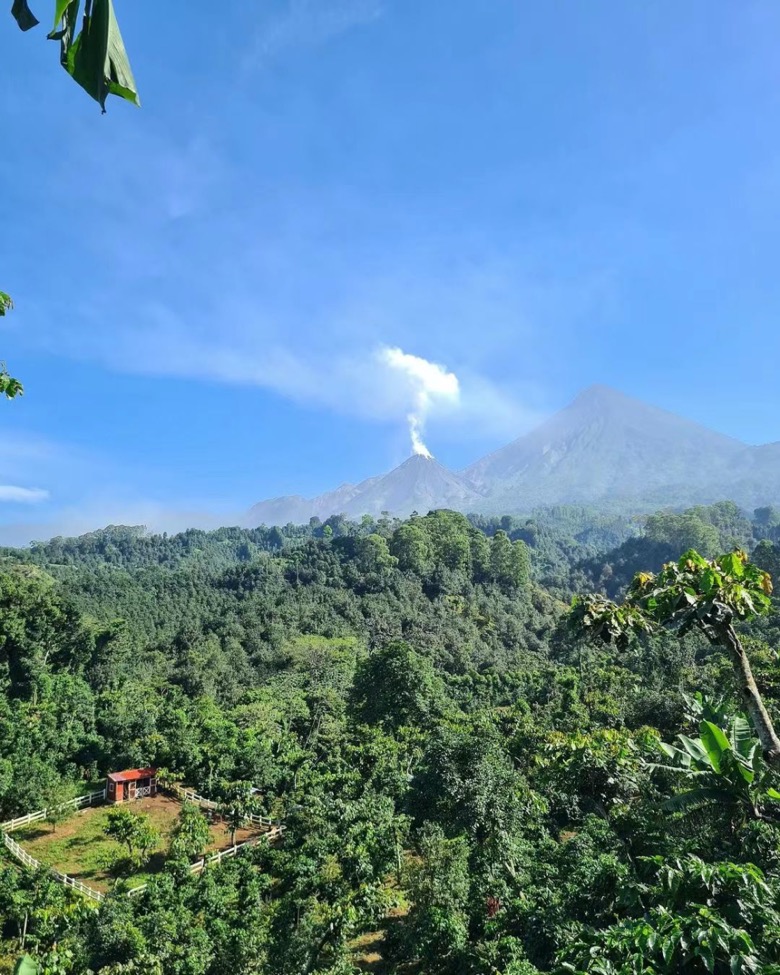
In summary, the coffee belt is like an invisible thread that tightly weaves together the global tapestry of coffee origins. Stretching from its African roots all the way to Central and South America and Asia, every cup of coffee holds a unique geographical code. Understanding the climate characteristics and altitude influences within this zonal region not only helps coffee enthusiasts choose their preferred flavors but also allows for a deeper appreciation of the stories and origin charm behind each bean.
The above content is compiled by CoffeeHunters, a coffee news website.