Introduction:Want to understand how Rwandan coffee stands out with its soft and sweet profile? This in-depth analysis explores the Bourbon-growing environment of the “Land of a Thousand Hills,” the characteristics of its washed processing, and brewing recommendations ideal for pour over. From altitude conditions to flavor profiles, it helps you discover your own balanced and sweetly smooth cup—essential reading for both beginners and advanced enthusiasts.
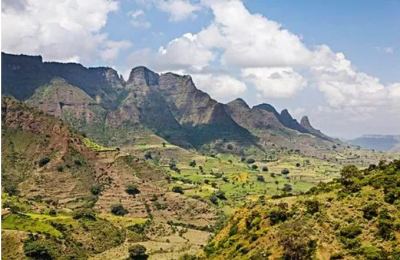
Within the landscape of East African specialty coffee, Kenya is known for its bright acidity, and Ethiopia for its floral notes. Yet Rwanda, nestled between these two major regions, has steadily built an international reputation for its delicate and well-balanced Bourbon variety, despite its small, mountainous land area. This inland country, nicknamed the “Land of a Thousand Hills,” grows coffee on terraced slopes that foster consistent soft sweetness and clean flavors.

Rwanda’s terrain is dominated by plateaus and hills, with over 80% of its land situated at elevations exceeding 1,500 meters. The optimal coffee-growing zones lie roughly between 1,500 and 2,000 meters above sea level. This elevation, combined with its equatorial location, results in a microclimate marked by significant day-night temperature variations. Volcanic soils rich in minerals, together with stable rainfall and well-drained sloping terrain, create an exceptionally ideal environment for cultivating Arabica. Notably, most Rwandan coffee is grown by hundreds of thousands of smallholder farmers on small plots using meticulous farming practices, with post-harvest processing centralized at various washed stations. This “smallholder + precision management + centralized processing” model actually contributes to maintaining consistent quality.
When it comes to variety, Bourbon is undoubtedly the soul of Rwandan coffee. This historically significant branch of Arabica, though not high-yielding, imparts a distinctly recognizable sweet and smooth character to the beans. Upon tasting, it often presents gentle notes of red apple and citrusy aromatics, occasionally accompanied by hints of peach-like fruitiness; the mid-palate gradually reveals the mellow sweetness of brown sugar and caramel, along with a silky texture reminiscent of light cream. Its acidity is mild and non-aggressive, with a full and rounded body and a clean, refreshing finish. Compared to the often bright and high-acid Kenyan coffees (such as certain batches exhibiting tomato or dark plum acidity), Rwandan Bourbon is more like a balanced fruit tea, making it ideal for those who prefer a softer cup.

In terms of processing methods, Rwanda has long favored washed processing, utilizing raised beds for sun drying—a practice that enhances the beans’ cleanliness and clarity of flavor. In recent years, an increasing number of producers have experimented with natural and honey processes, resulting in more expressive fruitiness and richer layers of sweetness. Looking back at the industry’s development, Rwandan coffee faced significant challenges in the 1990s but rapidly rebuilt thanks to international aid and the efforts of local cooperatives. Today, multiple producing regions—including Maraba, Huye Mountains, and areas around Lake Kivu—regularly receive high praise in domestic and international cupping competitions for the coffee produced at their washing stations.
For brewing enthusiasts, Rwandan Bourbon offers a high margin for error and is highly suitable for daily practice and enjoyment. If using a medium-light roast, it is recommended to brew with water at about 90°C, a medium-fine grind (similar to fine sugar), and a 1:15 to 1:16 coffee-to-water ratio. Employing a three-pour brewing method will clearly highlight its clean fruit acidity and soft sweetness. For those preferring a medium-dark roast, slightly lowering the water temperature to around 88°C can accentuate the caramel and creamy-like rich and mellow sweetness. Since its acidity is not intense, it is a very approachable option for drinkers transitioning from dark roasts to medium or light roasts. Additionally, Rwandan coffee is also excellent for making iced pour over or cold brew, with equally outstanding flavor performance.
In summary, while Rwandan Bourbon coffee may lack flashy marketing stories, it delivers consistently flavorful, sweet, and clean specialty coffee thanks to its genuine growing environment, varietal characteristics, and processing techniques. If you’re tired of overly sharp acidity or want to explore a different, softer side of East African coffee, give this “Land of a Thousand Hills” a try—it’s definitely worth savoring by every coffee enthusiast.
The above content is compiled by CoffeeHunters, a coffee news website.