Introduction:Elida Estate has once again claimed the top score in the washed Geisha category at Best of Panama with its water-processed Geisha, thanks to the achievements of the four-generation Lamastus family who have dedicated themselves to cultivating high-altitude microclimates. This article delves into how the environment at elevations of 1700–2000 meters influences the flavor profile of Geisha, covering everything from harvest ripeness periods and the placement of processing facilities to auction market performance—offering practical insights for selecting premium Panamanian beans.
In August 2026, the 30th Best of Panama awards ceremony was held in Boquete, where Elida Estate won the championship in the washed Geisha category with a remarkable score of 96.25, also claiming the overall highest score of the event. Its natural Geisha also secured third place with a score of 95.25. For the Lamastus family, who have been deeply rooted in coffee cultivation for a century, this honor is just another page in their glorious history.
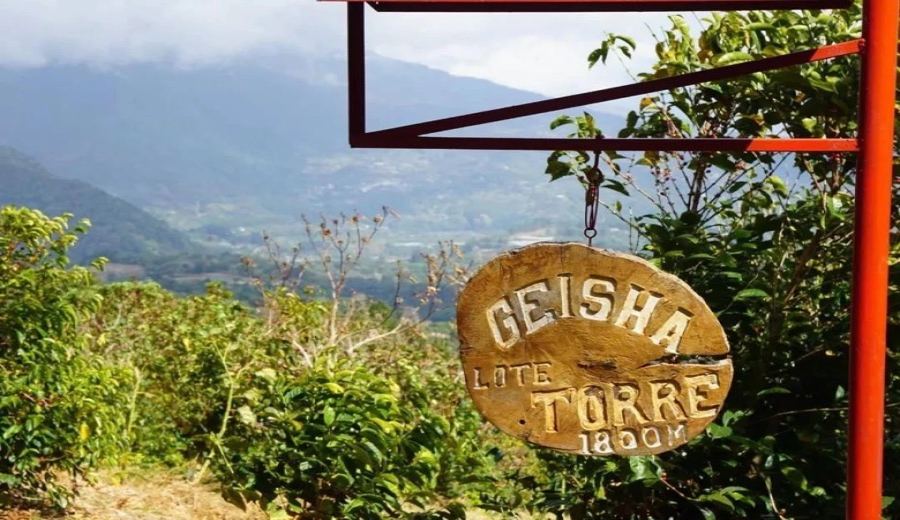
Going back to 1918, Robert Lamastus planted the first coffee trees in the Alto Quiel area of Boquete. The estate’s name “Elida” comes from the wife of the then-owner, Robert Louis Lamastus. Over more than a century, the estate is now jointly managed by Wilford Lamastus Sr. and Wilford Lamastus Jr., and includes other farms such as El Burro, collectively forming the Lamastus Family Estates. Elida is situated on the high slopes of the Barú Volcano, with most plantings at elevations exceeding 1700 meters, and some areas nearing 2000 meters, making it one of the highest-altitude coffee-growing regions in Panama. Spanning 65 hectares, over half of the estate lies within the boundaries of the Barú Volcano National Park—30 hectares are dedicated to coffee cultivation, while the rest are preserved as virgin forest and cloud forest ecosystems. The unique high-altitude conditions result in significant day-night temperature variations and frequent thick fog, which slow down the ripening process of coffee cherries, allowing them to develop more complex and layered flavors.
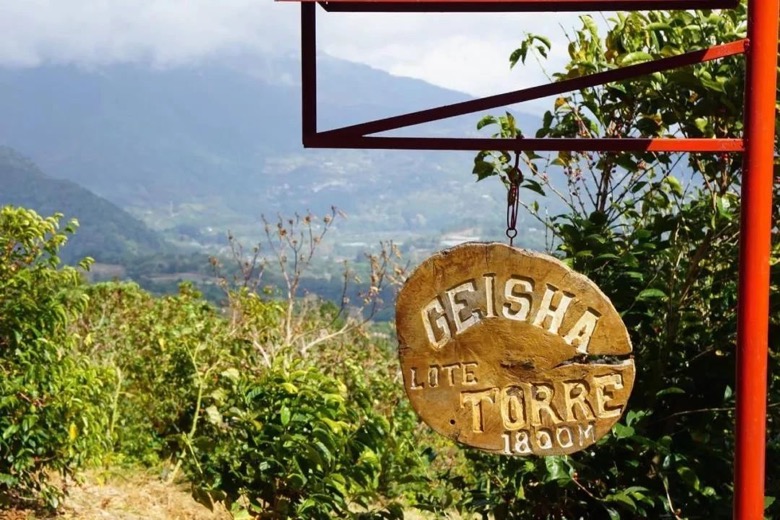
The challenge posed by these ultra-high altitudes is that coffee trees take four to five years before they can be harvested for the first time, significantly longer than the three-year cycle typical of lower-altitude regions. However, this patience is rewarded with denser beans that possess greater potential for rich sugars and acidity. The processing facility located halfway up the mountain ensures that freshly picked cherries can enter the processing workflow immediately, preserving their freshness to the maximum extent. This philosophy of “slow craftsmanship” ultimately translates into the cup: Elida has long been a dominant force at BOP (Best of Panama), winning the championship in both 2018 and 2019. In 2019, its ASD natural Geisha even set a global record with an auction price of $1029 per pound. Since then, the Lamastus family has almost become synonymous with Panama’s high-altitude Geisha—and this 2026 washed Geisha, once again topping the washed category with a score of 96.25, reaffirms the enduring strength of this long-established estate.
For a washed Geisha to claim the highest overall score at BOP, the key lies in the centuries-old high-altitude terroir combined with the family’s generational pursuit of excellence in cultivation techniques and post-harvest processing details. From elevation selection and harvest timing to the strategic placement of the processing facility, every step influences the final flavor expression. For readers passionate about pour over coffee or interested in selecting specialty coffee beans, gaining an in-depth understanding of Elida’s cultivation story and flavor characteristics is undoubtedly an important reference for enhancing tasting skills.
The above content is compiled by CoffeeHunters, a coffee news website.