Introduction:The flavor charm of Arabica coffee lies in the unique terroir and microclimates of different growing regions. This article takes you deep into the floral and fruity notes of Ethiopia, the sweet and balanced profiles of Central and South America, and the characteristics of classic regions like Blue Mountain. It also includes pour over recommendations to help you choose the right coffee beans based on your taste preferences and embark on your own flavor exploration journey.
The reason Arabica coffee is so captivating lies in the unique flavor imprint given by its growing region. Even within the Arabica species, coffee beans from Ethiopia, Colombia, or Brazil often perform very differently after brewing. The region acts like a "flavor ID card" for each coffee. Understanding these differences allows you to select your favorite beans more precisely.
First and foremost is the birthplace of Arabica—Ethiopia. Coffee from here is renowned for its floral and fruity character, especially from well-known regions like Guji and Yirgacheffe. Sun-dried beans often exude sweet fruity aromas like strawberry and passionfruit, and can even have the complex layers of fermented fruit wine; washed beans, on the other hand, showcase the elegance of jasmine and the bright acidity of citrus. Due to the preservation of many native varieties in the region, the flavor combinations are highly unique, making it not only a paradise for acid lovers but also an excellent starting point for exploring the diversity of Arabica.
Moving southward to East Africa, Kenya’s high-altitude regions stand out for their pronounced fruity acidity. Their coffee often features deep, tangy-sweet notes reminiscent of black plum and blackcurrant, and may even carry a hint of the freshness of tomato, with a clean and crisp aftertaste, suitable for drinkers who enjoy intense layers of flavor.
Turning to Central America, Colombian coffee is defined by the keyword "balance." Its acidity and sweetness are perfectly proportioned, and the mouthfeel is smooth without being harsh. Whether brewed using pour over or combined with milk for milk coffee, it delivers consistent performance, making it a reassuring daily choice for many.
As one of the world’s highest-producing regions of Arabica, Brazilian coffee is known for its rich sweetness. Notes of nuts, chocolate, and caramel are its hallmarks, offering a solid foundation of sweetness upon the first sip. It is highly suitable as a base bean for espresso, or paired with milk to make lattes, cappuccinos, and other milk coffees.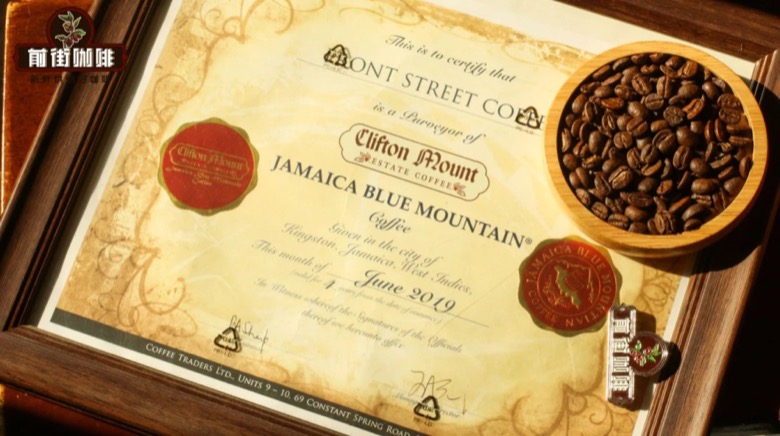
Panama in Central America cultivates the uniquely flavored Geisha variety thanks to its high-altitude microclimates. Especially in farms located in the Baru Volcano region and the Boquete area, the produced coffee often carries delicate floral aromas, such as the subtle scents of gardenia and small white flowers, which are typical representations of the region’s terroir charm.
Jamaica Blue Mountain is another symbol of a classic style. Grown slowly in a high-altitude, foggy environment using the Typica variety, its flavor is mild and delicate, with low acidity but a long-lasting sweetness. The overall profile is richly balanced, making it an ideal choice for those who prefer a softer mouthfeel.
In addition, regions such as Sumatra Mandheling from Indonesia (with herbal and earthy notes) and Kona from Hawaii (with stone fruit and caramel aromas) also hold their own place on the global map of Arabica, each with a stable following.
It is particularly worth noting that there is no absolute hierarchy in regional flavors—the key lies in whether they align with individual taste preferences. If you are drawn to floral and fruity aromas, consider starting with beans from Ethiopia and Panama; if you prefer the sweet taste of nuts and chocolate, Brazil and Colombia are noteworthy options; for those seeking a gentle and smooth experience, Jamaica Blue Mountain is a great reference. Exploring by region, each cup of coffee will take you through the terroir stories of different lands—the joy of discovery is precisely what makes coffee tasting so enchanting.
The above content is compiled by CoffeeHunters, a coffee news website.