Introduction:Want to understand where Kenya coffee’s unique berry acidity and rich aftertaste come from? The two classic varieties, SL28 and SL34, are not only the soul of Kenya’s coffee flavors but also benchmarks pursued by specialty coffee enthusiasts worldwide. This article delves into their origins, flavor characteristics, growing environments, and how suitable processing, roasting, and brewing methods can bring out their most captivating qualities.
In the world of specialty coffee, few varieties can refine a country’s coffee-growing region’s technical achievements and regional characteristics as distinctly as SL28 and SL34. These two coffee varieties originating from Kenya are known for their sharp acidity, intense blackcurrant and berry notes, and full sweetness, shaping what is widely recognized as the “Kenya flavor.” And it all started with a research program in a breeding laboratory in Kenya decades ago.
SL actually stands for Scott Agricultural Laboratories, an institution that during British colonial rule in Kenya in the 1930s and 1940s was responsible for large-scale coffee variety screening programs. At the time, dozens of numbered strains were tested, among which SL28 stood out for its excellent resistance in arid environments and was primarily promoted in the central and western highland regions of Kenya; while SL34 is generally believed to share common genetic origins with SL28 and is often classified as a selected descendant of the Bourbon family. Although these two varieties have relatively low yields, their outstanding flavor performance has kept them at the top of Kenya’s specialty coffee even after the more high-yielding Ruiru 11 became widespread.
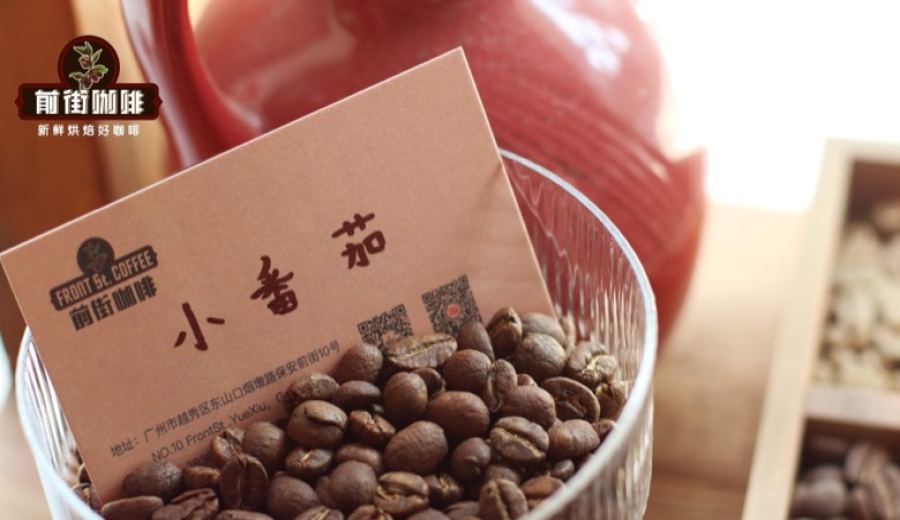
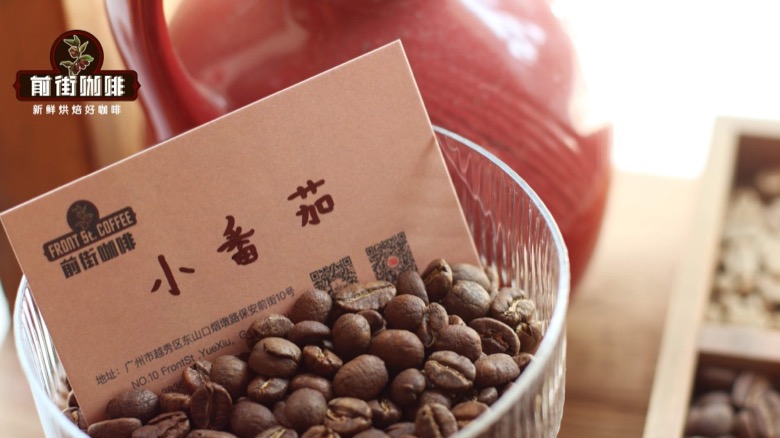
SL28 can be considered the representative of blackcurrant and dark plum flavors. This variety combines the multiple strengths of Bourbon and Ethiopian landrace varieties, and is particularly well-suited for cultivation on red soil slopes at medium to high altitudes in Kenya. Its performance in cupping is highly distinctive: acidity is bright and tightly structured, often accompanied by intense blackcurrant, dark plum, and even deep-toned berry notes reminiscent of cherry tomatoes, with a rich and long-lasting sweetness and a lingering aftertaste featuring layers of green tea and caramel. For example, a coffee brand’s Kenya “Little Tomato” lot is a blend of SL28 and SL34, grown at an altitude of about 1,500 meters in the Thika region. This coffee delivers a vivid juice-like taste combining dark plum and cherry tomato upon entry, followed by soft fruity notes of pears and black plums in the mid-palate, and an aftertaste that continues with the sweetness of brown sugar and a subtle green tea finish—a classic entry-level choice for experiencing the charm of the SL series.
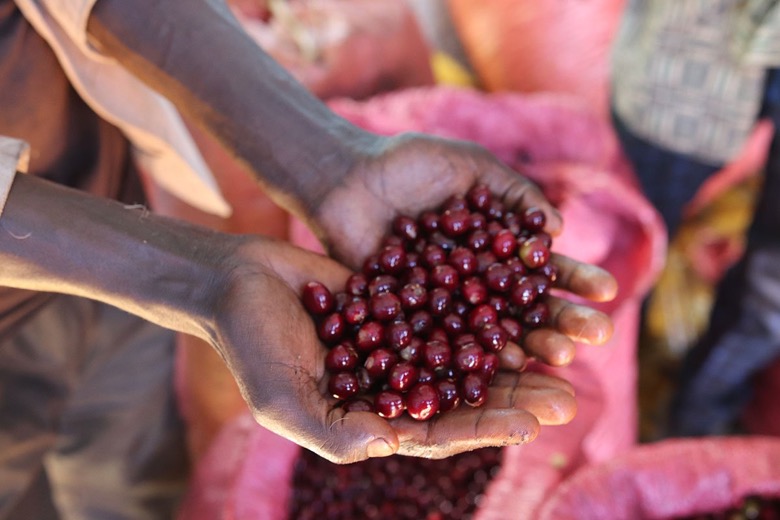
As for SL34, its appearance is quite similar to that of SL28, but its most notable characteristic is greater rain resistance, making it better suited for planting in high-altitude areas with abundant rainfall. In terms of flavor expression, SL34’s acidity is slightly milder and more restrained compared to SL28, but its sweetness and body are equally impressive, often featuring distinct cane sugar sweetness and a lingering aftertaste of dried fruits. In fact, many Kenyan coffee farms will harvest these two varieties together and perform co-fermentation processing, allowing their flavor characteristics to complement each other and form a more three-dimensional and rich taste structure.
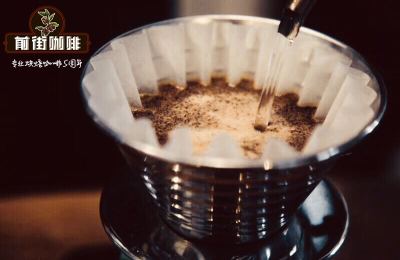
To fully realize the potential of SL28 and SL34, processing methods, roasting, and brewing techniques are crucial. Kenya’s commonly used double-washed fermentation process can effectively enhance fruit aroma expression while maintaining the overall purity of flavors. In terms of roast level, light roasting can best preserve its lively acidity and fruity tones. For pour over enthusiasts, it is recommended to use water at around 90°C, paired with a medium-fine grind (such as medium-fine to slightly finer), with a coffee-to-water ratio starting from 1:15 and adjusted according to personal taste. If you prefer cold brew performance, iced pour over is also a great option, equally capable of highlighting the clear contrast of acidity and sweetness along with the juicy character.
In summary, SL28 and SL34 are not just a pair of laboratory codes—they are the flavor icons of Kenya coffee, encapsulating the crystallization of altitude, soil, climate, and human ingenuity. These two varieties remind us that the upper limit of a coffee is not just about processing and roast levels; the deeper secrets often lie within their unique genetic codes.
The above content is compiled by CoffeeHunters, a coffee news website.