







Introduction:When crafting latte art, the blend is the crucial first step that determines both the appearance and flavor of the final cup. This article delves into two mainstream blending techniques — the classic stir blend and the highly practical pre-blend — exploring their operational differences, suitable scenarios, and key considerations. Whether you're a beginner or an advanced barista, mastering more stable blending skills can improve your latte art success rate and enhance the flavor expression of your coffee.
When making latte art, many people may overlook the critical step of blending. However, blending not only affects the neatness of the final design but also directly relates to the overall flavor balance upon drinking. Especially for milk-based coffee drinks that require milk foam, proper blending can significantly simplify the latte art process. This article will detail the two most common blending methods: the classic stir blend and the increasingly popular pre-blend, helping readers choose the most suitable blending strategy based on actual conditions to further elevate their latte art performance and coffee quality.
You might be familiar with the blooming step in pour over coffee, and in latte art, there’s a similar essential preparatory action — that is, blending. Simply put, blending is the process of evenly mixing some milk with the espresso before starting the latte art. This action not only raises the liquid level, creating better conditions for latte art, but also harmonizes the flavors of coffee and milk, avoiding issues like layering or inconsistent taste.

Successful blending results in a clean and tidy latte art design, where every sip offers an excellent balance between coffee and milk. On the contrary, if blending is inadequate, not only will the background of the design look messy, but the taste may also show noticeable discrepancies — for example, the first sip might only bring out the bitterness of the espresso, with the creaminess of milk coming through only later. Therefore, whether you're a professional barista or an amateur enthusiast, mastering the right blending technique is a vital part of improving latte art quality.
There are actually multiple ways to blend, each with its own pros and cons. This article will introduce the two most widely used blending techniques: one is the stir blend, which beginners often encounter and is intuitive but requires skillful control; the other is the pre-blend, suitable for special situations like poor crema or when using taller cups. By flexibly applying these methods, you can create satisfying latte art under various conditions.
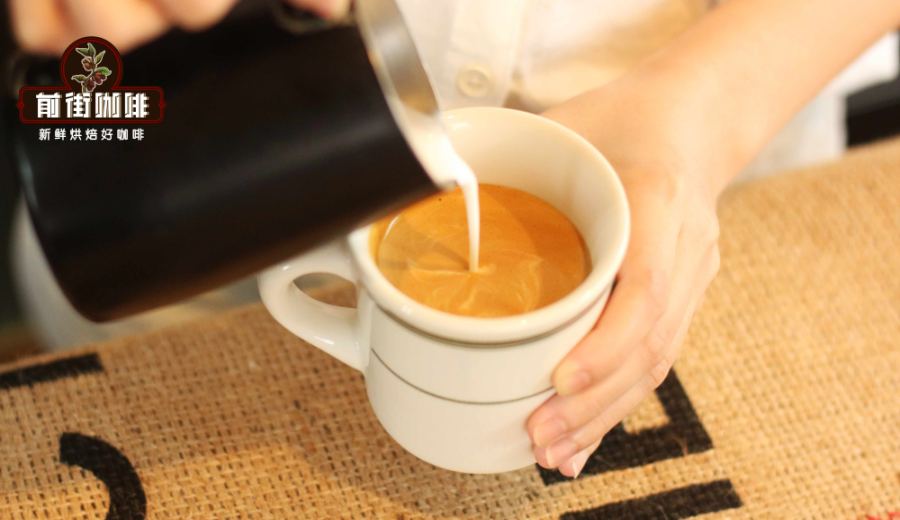
Let’s start with the most traditional and common blending method — the stir blend. The concept of this method is similar to the circular pouring in pour over coffee. It mainly involves pouring milk and milk foam in a thin stream from a slightly higher position into the espresso while continuously circling. The flow of milk drives the rotation of the coffee liquid, facilitating thorough mixing. This technique not only raises the liquid level but also makes it easier to create more complex latte art designs afterward.
In practice, it’s recommended to pour milk from a relatively high position with a steady, small stream. This reduces the chances of milk foam leaving obvious marks on the liquid surface while enhancing the milk’s penetration for a more uniform mix. However, this method requires skilled control of flow rate and circle size. A slight mishap can easily lead to messy lines on the liquid surface, affecting the clarity and aesthetics of the final design. Additionally, the stir blend has certain limitations regarding cup height, especially when using taller takeaway cups — a larger pouring distance can cause the coffee surface to whiten, impacting the visual effect.
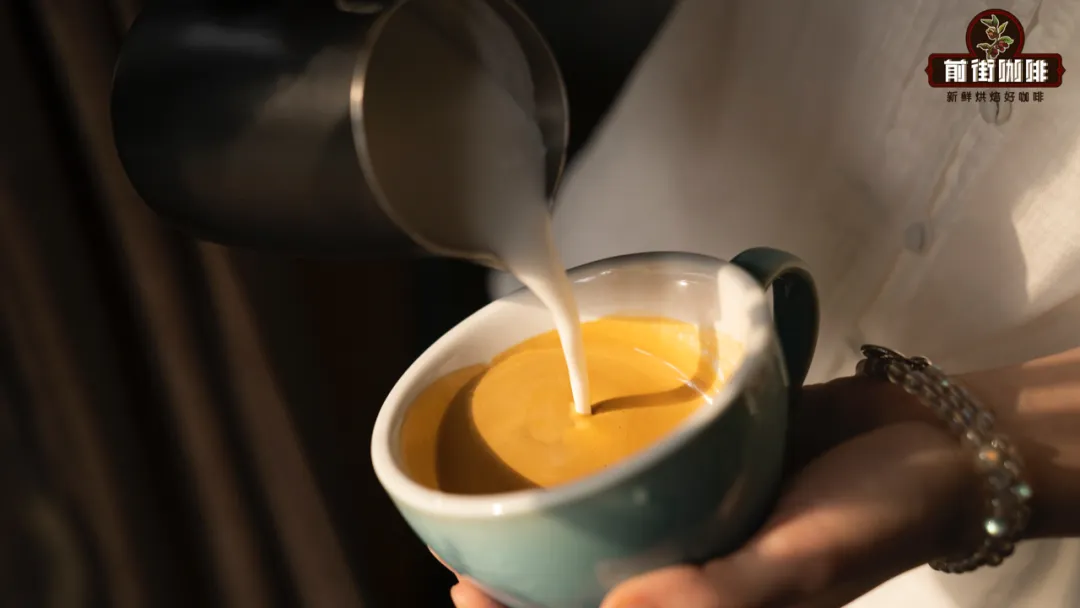
To overcome these challenges, many baristas turn to another blending technique — the pre-blend. This method has gained popularity in recent years, particularly for dealing with poor-quality crema or when using taller cups. The basic idea of the pre-blend is to perform an initial gentle mix before formal stirring, typically by adding an equal or smaller amount of milk to the espresso, then gently shaking the cup to allow the milk foam and coffee to blend well before proceeding with the subsequent stirring steps.
The advantage of this approach is that it effectively reduces the interference of coffee crema on the blending process. Crema that is too coarse or too thin can affect the fluidity of the milk, leading to misaligned patterns or unclear lines during latte art. The pre-blend, through the shaking motion, breaks up crema clumps, improving overall mixing uniformity and making the subsequent blending process smoother. In addition, the pre-blend can also reduce the issue of whitening on the liquid surface when using taller cups, resulting in a more stable blending process.

However, the pre-blend also has its limitations. Since milk is added earlier, the overall fluidity decreases, making it more challenging to create complex composite designs. At the same time, the pre-mixed liquid tends to have a lighter color, and the final latte art design may have slightly lower contrast. Nevertheless, these minor drawbacks usually don’t affect the overall flavor of the coffee, so you can choose the most suitable blending method based on actual needs, or even flexibly combine the two techniques in certain situations.
Whether you choose the stir blend or the pre-blend, the key lies in understanding their principles and applicable scenarios. For beginners, the stir blend is a great entry point, allowing quick adaptation to basic latte art needs; whereas the pre-blend offers more flexibility, suitable for special cup shapes or suboptimal crema conditions. Through continuous practice and experimentation, you’ll be able to confidently tackle various latte art challenges and create latte artworks that are both aesthetically pleasing and flavorful.

The above content is compiled by CoffeeHunters, a coffee news website.


