







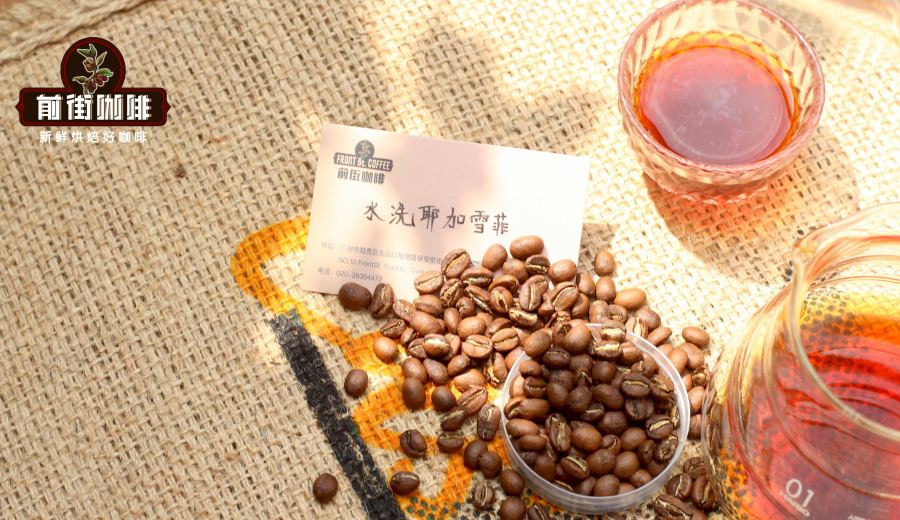
Introduction:Yirgacheffe Adado is one of Ethiopia’s most iconic specialty coffee beans, with its captivating floral and fruity aromas and bright acidity stemming from meticulous washed or innovative natural processing methods. This article provides an in-depth look at the six-step washed process, introduces improved techniques in natural processing, and offers practical pour over recommendations on grind size, water temperature, brew ratio, and pulse pouring to help you fully unlock the unique flavor profile of this classic bean. It's an essential coffee bean guide suitable for both beginners and advanced enthusiasts.
Yirgacheffe Adado is a renowned specialty coffee bean from Ethiopia, and its refreshing, bright flavor and rich complexity are primarily attributed to refined washed processing techniques. As early as the 1970s, this region was already famous for its washed beans and gradually developed into one of the country’s most mature areas for washed processing. This method not only preserves the original fruit acids and aromas of the coffee beans but also enhances overall purity and consistency, making it an ideal choice for many coffee newcomers stepping into the world of specialty coffee.
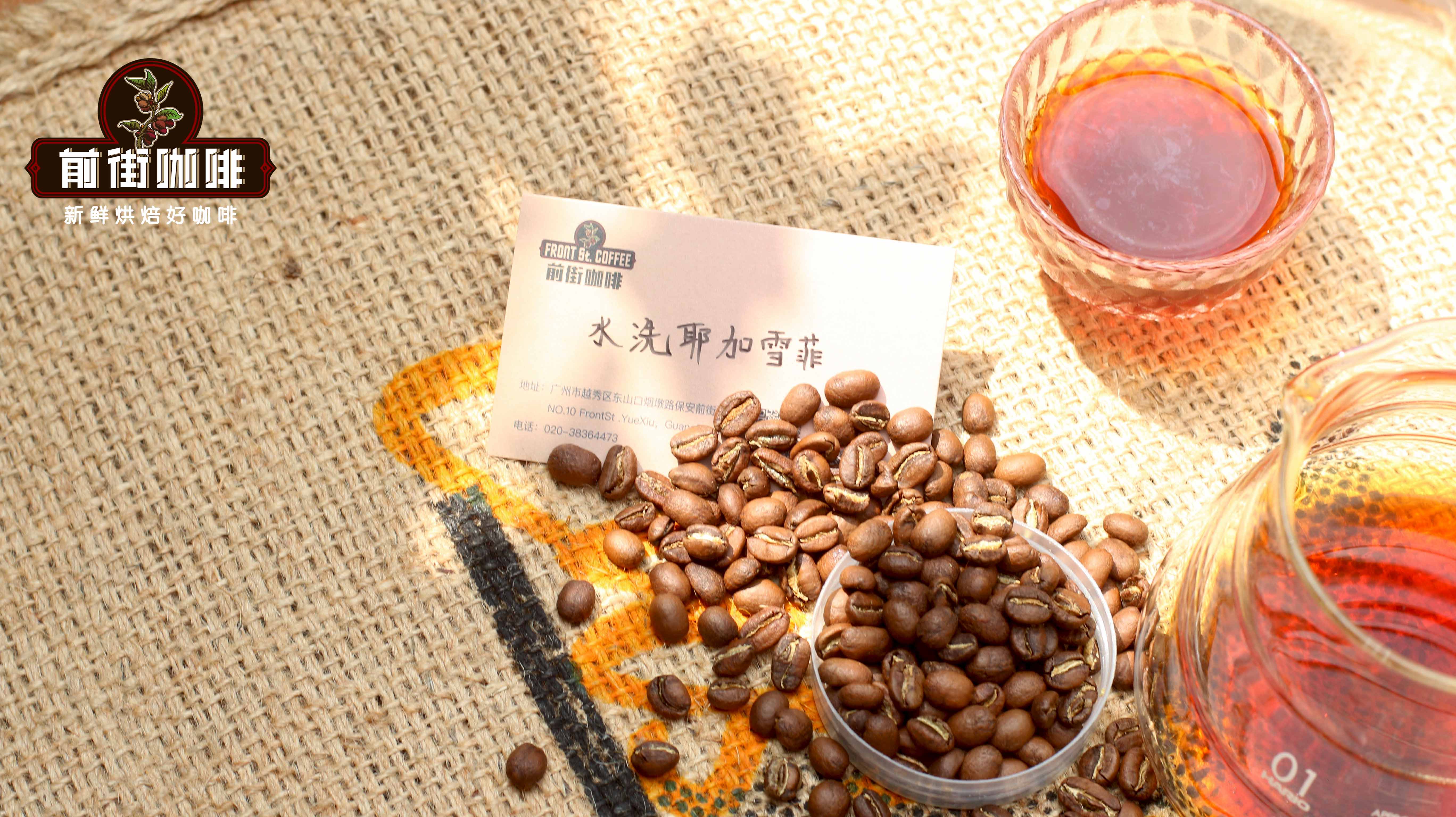
Washed processing is a meticulous procedure consisting of six main steps, each playing a crucial role in shaping the final flavor. The first step is washing, collection, and flotation. Freshly harvested coffee cherries need to be delivered to the processing facility within 6 to 12 hours and undergo initial cleaning and flotation immediately. By using the buoyancy of water, lower-density, lower-quality defective cherries and impurities—such as leaves and small stones—are screened out to ensure that only healthy coffee fruits proceed to the next stages.
The next stage involves removing the skin and pulp. Mechanical processes strip away the outer flesh, leaving only the coffee beans encased in their parchment layer. At this point, the coffee beans are still covered with a sticky layer of mucilage, which is the focus of the next step. To remove this mucilage layer, the beans are placed in clean water tanks for 18 to 36 hours of fermentation. The acidic substances produced through microbial action break down the mucilage, making it easier to wash off.
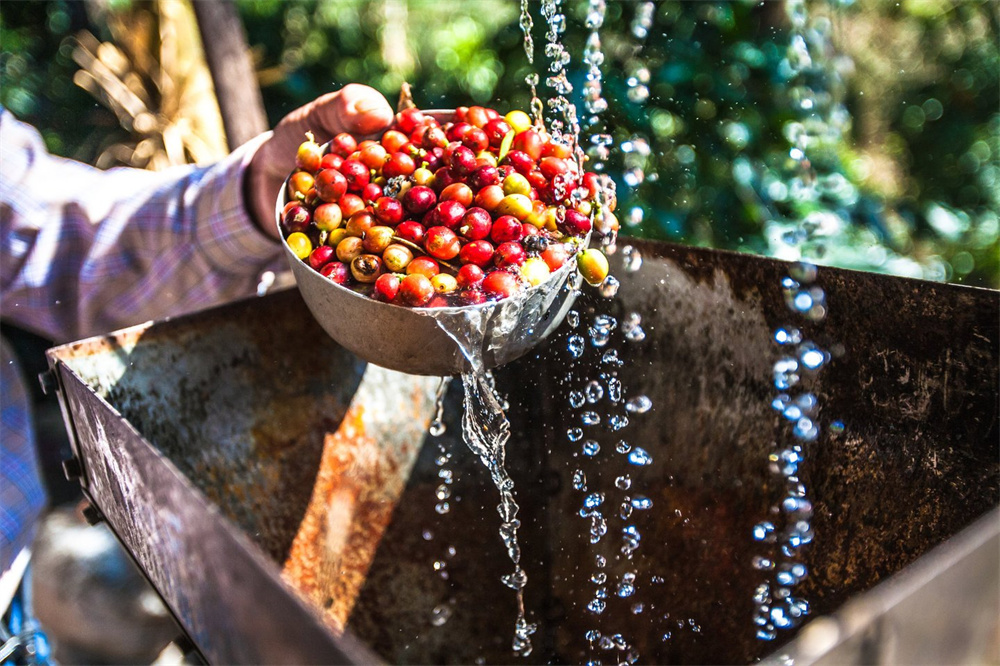
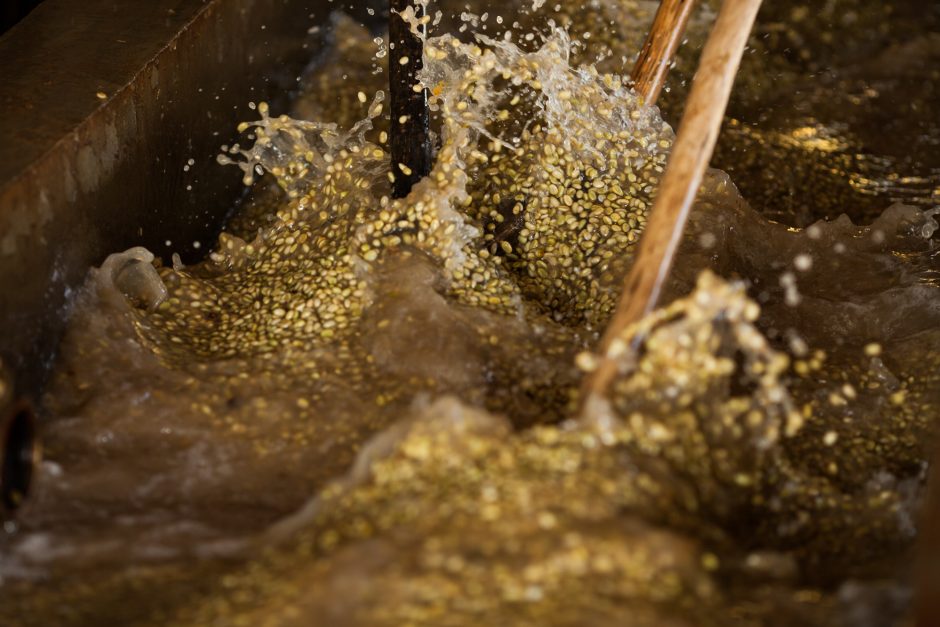
Once the mucilage becomes soft after fermentation, workers add clean water and gently stir to detach the residual mucilage from the beans. This step is called mucilage washing. Afterward, the beans, still wrapped in parchment and husk, enter a drying phase that lasts 5 to 14 days under the sun. The duration is adjusted based on weather conditions, with the goal of reducing moisture content from the original 55% down to a stable 11%. Finally, the dried beans are stored with their parchment layer intact until just before export, when the outer protective layer is removed.
However, in recent years, Ethiopian coffee farmers and processing facilities have continuously innovated, leading to a leap in quality for natural processing methods. One brand’s offering of a natural red cherry is a representative example. It selects fully ripe, deep red coffee cherries and ensures even exposure to sunlight by frequent turning during the drying process, while also conducting multiple screenings to eliminate defective beans. This processing approach results in a coffee that showcases intense yet clean floral and fruity aromas, notable sweetness, and a richer flavor complexity.
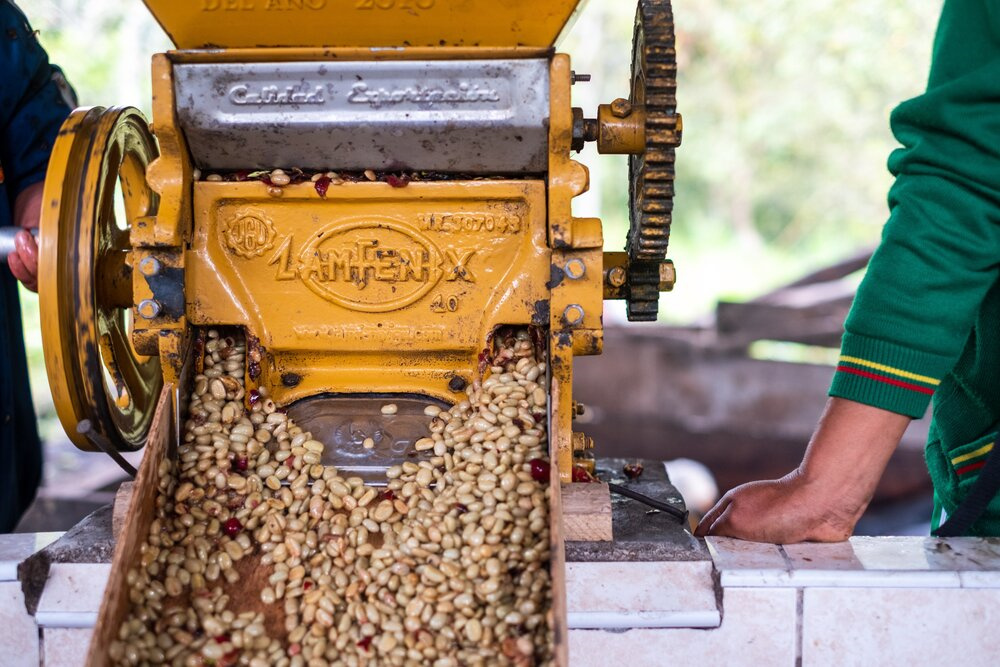
The processing of natural Yirgacheffe is extremely rigorous. Only fully red cherries are harvested, and unripe green cherries and defective beans are manually removed before drying. During the drying process, workers continuously inspect and remove moldy or damaged fruits to ensure that each coffee bean can uniformly absorb the sugars and essences from the fruit pulp. After about two weeks, the pulp and mucilage layers gradually harden, at which point they are removed along with the bean husks. The beans then undergo density and color sorting, and finally, experienced workers visually inspect and remove any remaining defective beans to ensure the highest quality upon export.
This multi-layered quality control process gives one brand’s natural Yirgacheffe exceptionally clean and captivating fruit aromas, with bright and layered flavors. As early as 2015, natural beans from this region had already achieved G1 grade, demonstrating superior appearance and quality that surpasses even typical washed G1 beans.
For brewing, it is recommended to use a medium-fine grind size (such as about 78% passing through a Chinese standard No. 20 sieve), which helps balance extraction efficiency and flavor detail. If the grind is too coarse, it may lead to under-extraction and a thin flavor; if too fine, it could result in over-extraction and bitterness due to high temperatures. The water temperature is advised to be set between 90–91°C to help highlight its bright fruit acids and floral-fruity notes. A brew ratio of 1:16 is recommended to appropriately dilute the acidity and create a smoother, more balanced overall flavor, especially bringing out delicate notes such as citrus and jasmine.
For pour over brewing, it is recommended to use a pulse pouring technique to fully extract different layers of flavor. Start by pouring 30 grams of water for a 30-second bloom to help the coffee grounds expand and initiate extraction. Then, for the second pour, add 120 grams of water using a small circle in the center, maintaining a pouring height of about 5 cm. Do this gently without deliberate stirring, allowing the water to evenly penetrate. When the water level drops to about half the coffee bed, begin the third pour by moving the water in a circular motion from the center outward, at a flow rate of about 4 grams per second, for a total of 240 grams. Wait until all the coffee liquid has dripped through the filter, keeping the total brew time between 2 minutes and 2 minutes 10 seconds, to enjoy a full-flavored, well-layered Yirgacheffe pour over coffee.
The above content is compiled by CoffeeHunters, a coffee news website.


