







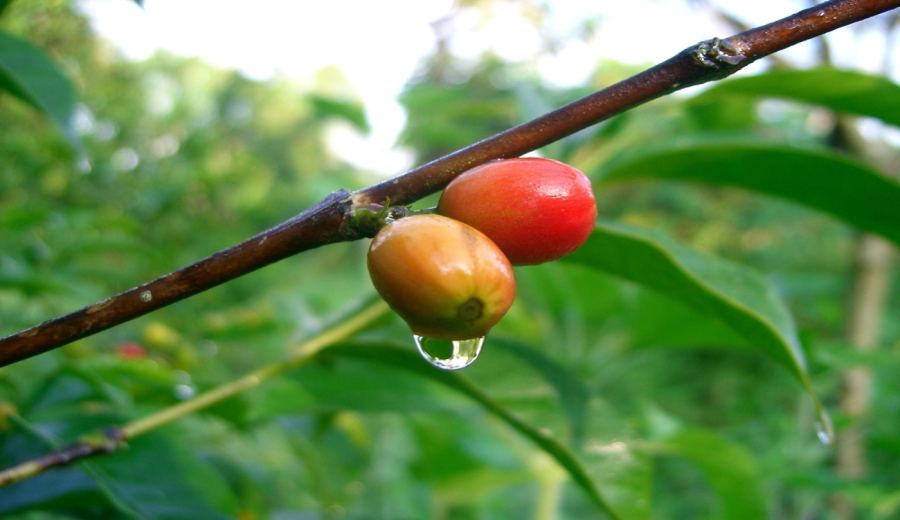
Introduction:Kenyan coffee is renowned for its bright acidity, rich fruitiness, and unique berry characteristics, making it one of the must-try origins for specialty coffee enthusiasts worldwide. This article delves into Kenya’s six core growing regions, the classic SL28 and SL34 varieties, and its industry-leading K72 washed processing method. It also provides expert pour over parameters and flavor-tasting tips, serving as a comprehensive beginner’s guide to Kenyan coffee.
Located at the heart of the East African equator, Kenya borders the Indian Ocean to the east, Ethiopia to the north, and Tanzania to the south. It is a key producer of specialty coffee in Africa. The country’s coffee is famed for its pronounced acidity, full body, and captivating berry flavors, earning widespread acclaim among coffee professionals and consumers globally. This article will comprehensively introduce Kenya’s coffee-growing regions, main cultivars, traditional processing methods, and analyze its auction system and market positioning to help readers fully grasp the essence of Kenyan coffee.
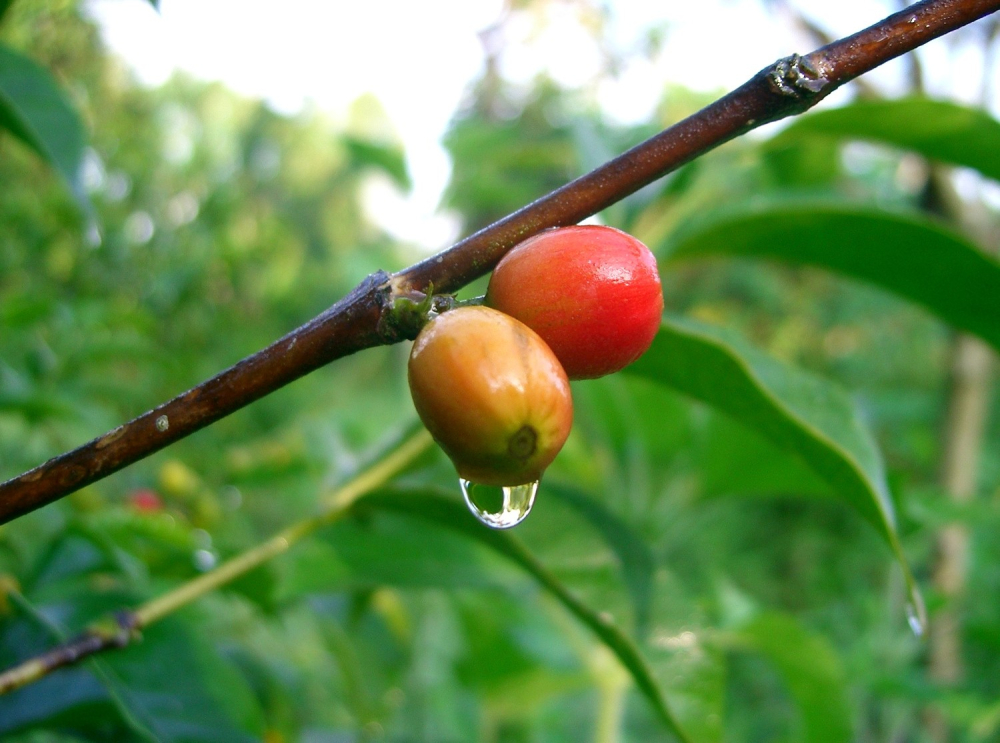
Situated on the East African Plateau, Kenya has a typical tropical highland climate with two rainy seasons per year, resulting in two coffee harvests annually—spring and autumn. Over 60% of production occurs from October to December, with the remainder harvested between June and August. Coffee cultivation is concentrated along the area stretching from the capital Nairobi to the slopes of Mount Kenya, mostly within volcanic soil zones at altitudes of around 1,600 to 2,100 meters. This elevation not only slows the ripening process of the coffee cherries but also facilitates the accumulation of flavor compounds, contributing to the distinctive bright acidity and solid body of Kenyan coffee.
Kenya’s coffee industry structure is highly developed, utilizing a dual-track system of auctions and direct trade. Over 85% of coffee beans are traded through public auctions at the Nairobi Coffee Exchange, while only about 15% are sold via the “second window” of direct trade. This system ensures that high-quality coffee is sold at auction-based prices determined by cupping scores, helping Kenya’s AA and AB grades maintain consistently high international market prices.
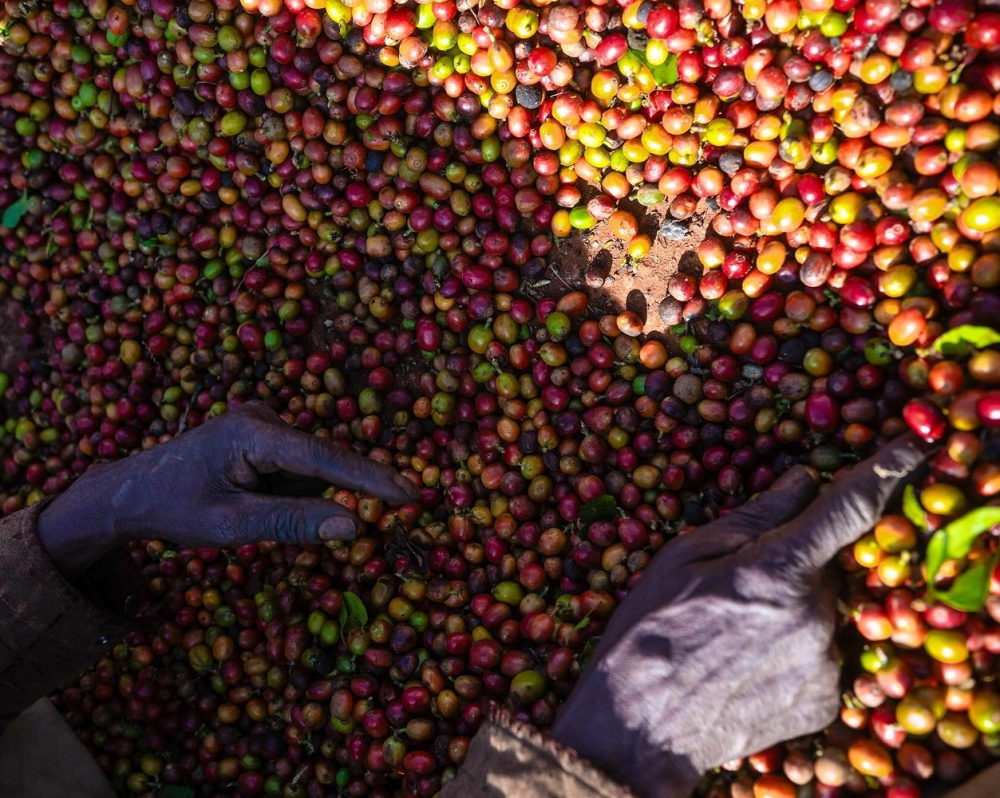
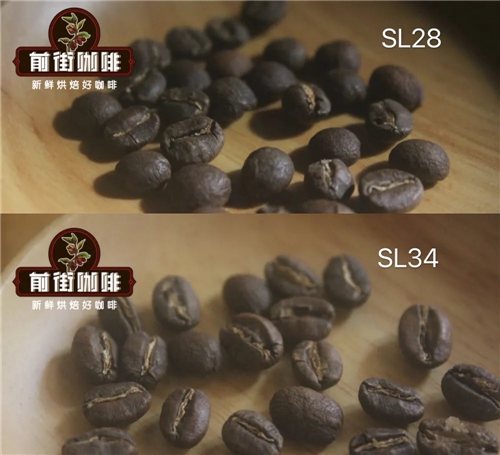
Coffee in Kenya is mostly grown at elevations between 1,300 and 2,000 meters, with an average annual temperature of about 15–24°C and annual rainfall of 900–1,200 mm. Especially around the Mount Kenya highlands—including areas such as the Aberdare Mountains, Nyanza, Kisii, Bungoma, Kericho, and Nakuru—these regions provide ideal growing conditions for Arabica coffee. The coffee varieties in these areas originally stem from Ethiopia, and through variety selection at the Scott Laboratories in the 1930s, two classic cultivars, SL28 and SL34, were successfully developed. Renowned for their intense berry acidity and unique flavor profiles, they have even influenced coffee planting trends in Central America.
In addition to the SL series, Kenya has also focused on developing leaf rust-resistant varieties such as Ruiru11, often considered the Kenyan equivalent of Catimor. Though disease-resistant, these varieties generally have slightly inferior flavor profiles compared to traditional ones. Additionally, the Batian variety has been gaining attention, offering more diversity in Kenyan coffee cultivars.
The main coffee varieties in Kenya include SL28, SL34, Ruiru11, Batian, and K7, among which SL28 and SL34 are considered the soul of the country’s coffee. Particularly SL28, successfully bred by Scott Laboratories in the 1930s, not only adapts well to medium-to-high altitudes but also exhibits excellent drought resistance. Although it is susceptible to diseases, in Kenya’s mountainous environment it can deliver unique blackcurrant and bright fruity acidity. Some old trees are even over 60 years old and continue to produce high-quality coffee.
SL28 is hailed as one of Africa’s most representative coffee varieties. Genetically part of the Bourbon group, it was initially selected by Scott Laboratories from drought-resistant varieties in Tanganyika (now Tanzania) and officially released in 1935. Research confirms that SL28 not only thrives at medium-to-high altitudes but also outperforms the same variety grown in other regions in terms of flavor, making it a cornerstone of Kenya’s signature coffee profile.
SL34 originated in the Kabete Loresho area of Kenya, initially selected from a tree known as the “French Missionary.” Its bean morphology resembles Typica, and genetic studies show close ties to the Typica group. This variety also showcases the bold and full-bodied taste that characterizes Kenyan coffee.
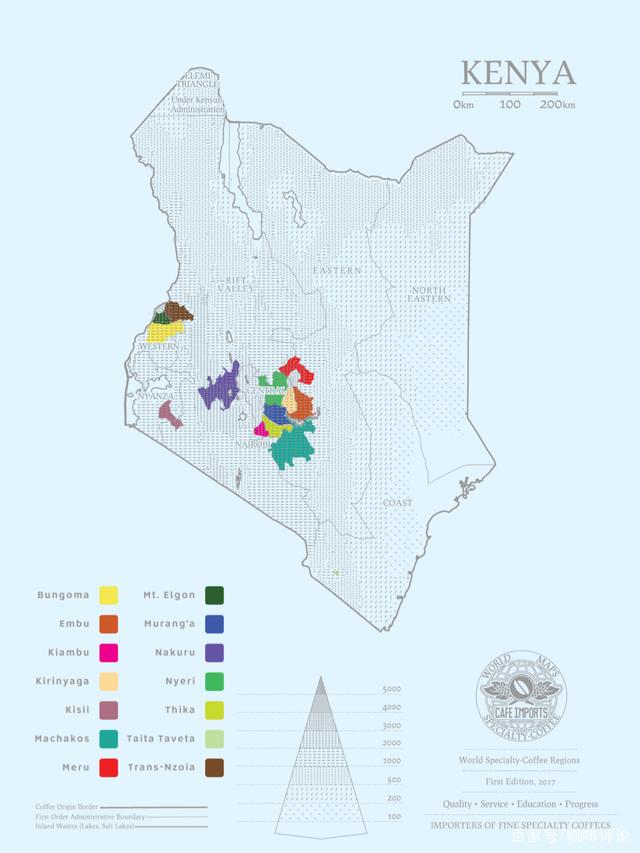
Kenya’s coffee regions can be divided into six core areas: Nyeri, Kirinyaga, Thika, Kiambu, Mt. Kenya West, and Muranga. These regions mainly experience two harvest periods each year—from October to December and from June to August. Among them, Nyeri and Kirinyaga are widely recognized as Kenya’s top two regions due to their altitude, microclimate, and processing techniques.
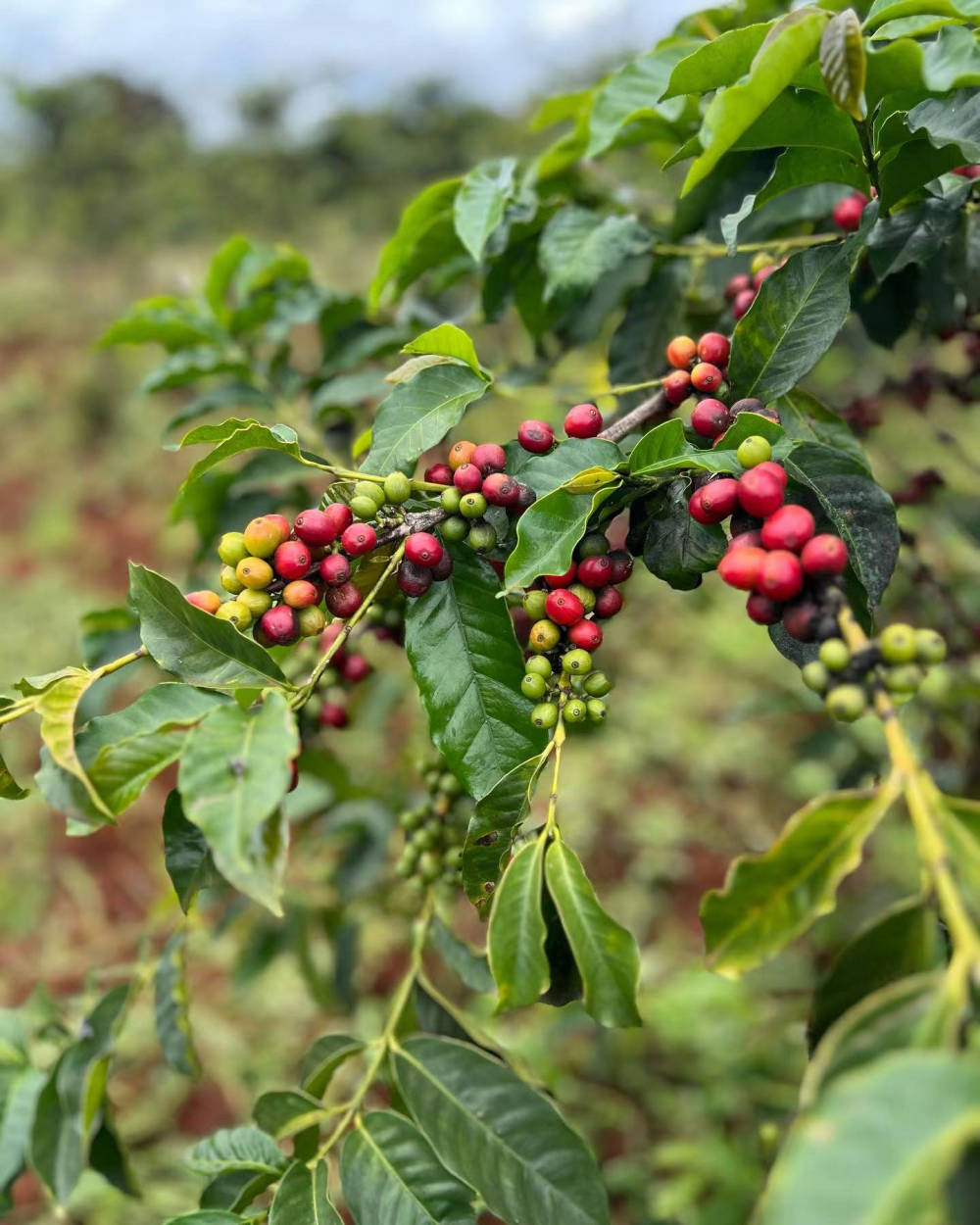
Kirinyaga is located on the slopes of Mount Kenya at elevations of 1,300 to 1,900 meters, adjacent to Nyeri. It is known for its rich, layered flavors and solid body. The area is dominated by smallholder farmers who process their coffee through cooperatives, ensuring consistency in washed coffee quality.
The Muranga region is situated in the Central Province and was one of the early settlements of missionaries. It boasts rich volcanic soils, and its coffee is mostly grown by smallholders. Cupping profiles highlight bright acidity and juicy flavors, with altitudes ranging from 1,350 to 1,950 meters. Main varieties include SL28, SL34, Ruiru11, and Batian.
The Kiambu region is located in central Kenya. Although tea is the dominant crop, coffee grown at higher altitudes also exhibits bright acidity and full body. Altitudes range from 1,850 to 2,200 meters, with operations combining smallholder farming and estates. The main varieties are similar to those in Muranga.
Thika is located near Nairobi and, although an industrial town, is surrounded by abundant agricultural resources. The coffee here features bright fruit acids, thick berry notes, and honey-like sweetness. Altitudes range from 1,550 to 1,750 meters, with SL28 and SL34 being the primary varieties.
The western side of Mount Kenya includes regions such as Kisii and Bungoma on Mount Elgon. Kisii is mainly composed of small cooperatives, and its coffee tends to have soft acidity and roasted nut tones, suiting consumers who prefer lower-acidity profiles. Elevations range from 1,450 to 1,800 meters.
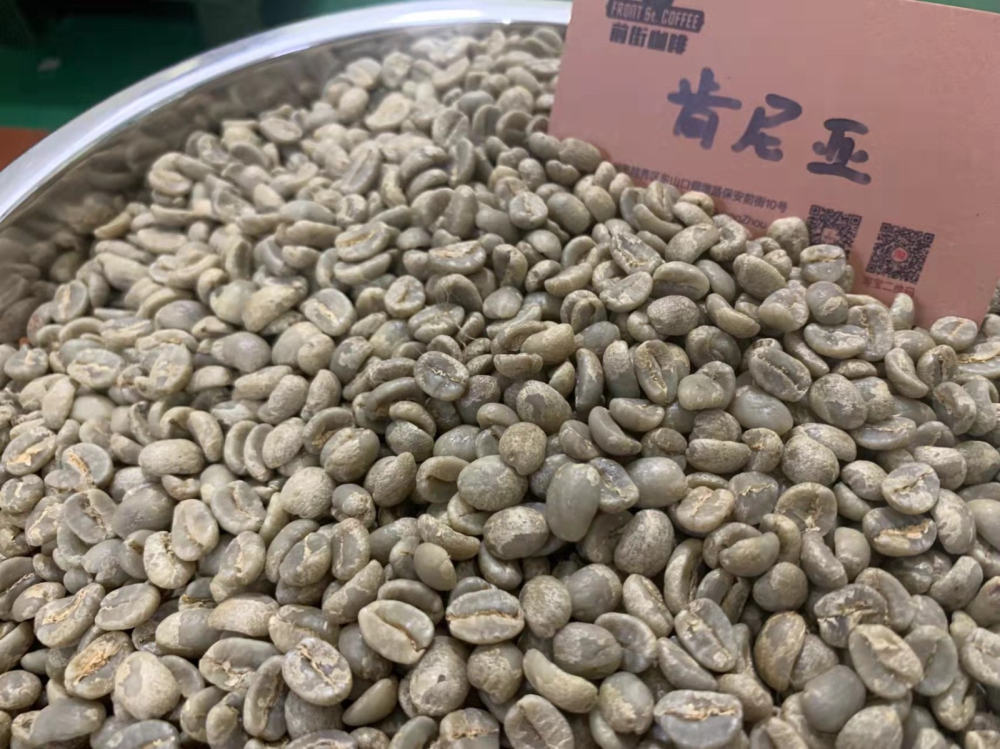
Kenyan coffee is famed for its K72 washed processing method, characterized by extending fermentation to 72 hours—far longer than the typical 24–48 hours of standard washed processing. The method involves selecting high-quality cherries on the day of harvest, depulping them, and fermenting for 24 hours before washing with clean water. This process is repeated three times for a total of 72 hours. This low-temperature, extended fermentation enhances the coffee’s clarity and flavor richness, resulting in the distinct bright acidity and complex layers typical of Kenyan coffee.
It is recommended to use a medium-fine grind (approximately 80% passing through a #20 sieve), with a coffee-to-water ratio of 1:15 using 15 grams of coffee. Water temperature should be controlled at 91°C, employing a V60 filter and a three-stage pouring method: begin with a 30-second bloom using twice the coffee weight in water (about 30 grams), then pour in small streams up to 125 grams for the first pour, followed by pouring up to 225 grams before stopping. Total extraction time is about 2 minutes. These parameters fully highlight the balanced sweet-and-sour profile and fruity characteristics of Kenyan coffee.
Kenyan Assaliya coffee beans often carry the wet aroma of ripe tomatoes and floral notes. The cup reveals bright acidity reminiscent of cherry tomatoes and dark plums, with a prominent mid-palate sweetness and juicy mouthfeel. The finish lingers with berry notes and brown sugar sweetness, accompanied by subtle green tea aromas. It is a classic choice for experiencing the flavors of Kenyan coffee.
Both novice and experienced coffee drinkers should note that coffee bean freshness greatly impacts flavor. It is recommended to choose beans roasted within five days and consume them within 4 to 7 days of receipt for optimal flavor. If purchasing coffee powder, it is advised to use it immediately to avoid oxidation affecting aroma and taste. To fully appreciate the nuanced layers of Kenyan coffee, whole beans ground just before brewing are strongly recommended.
The above content is compiled by CoffeeHunters, a coffee news website.


